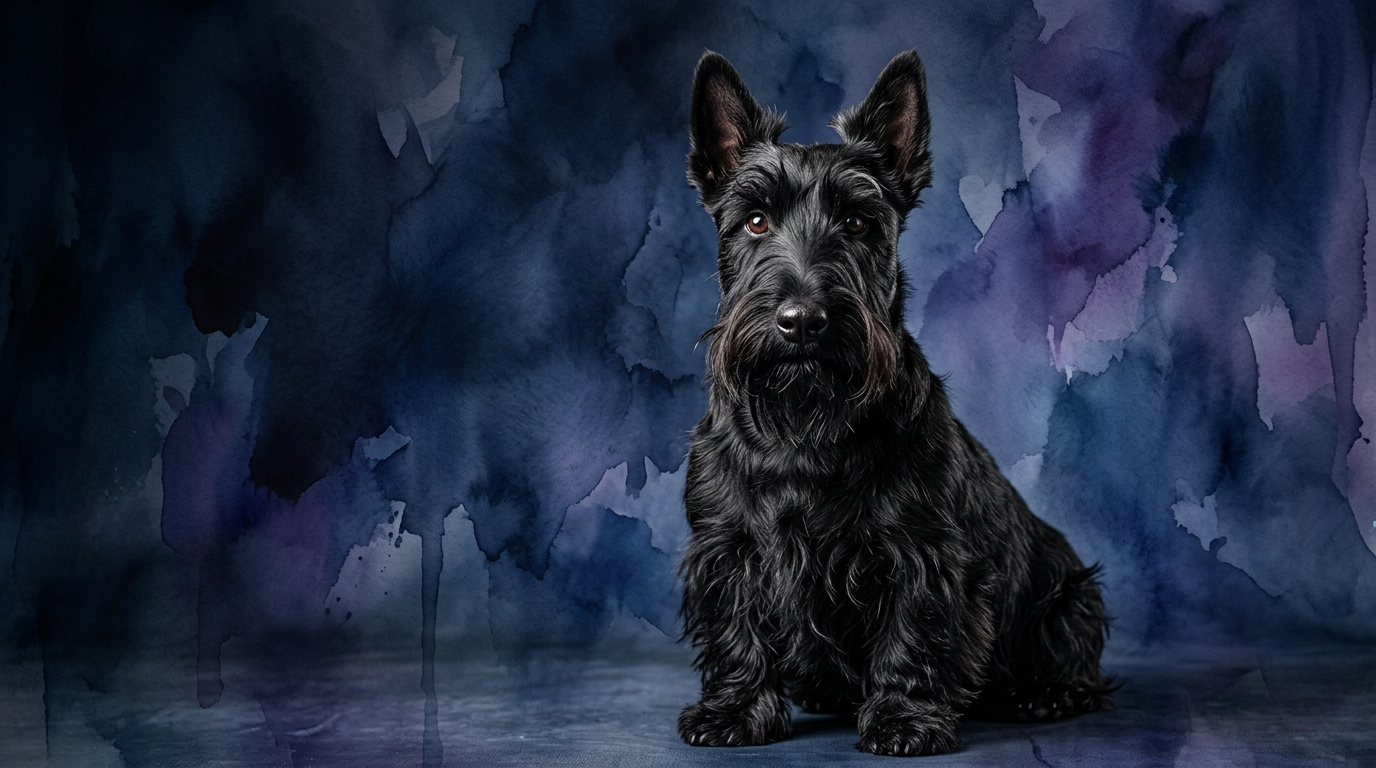
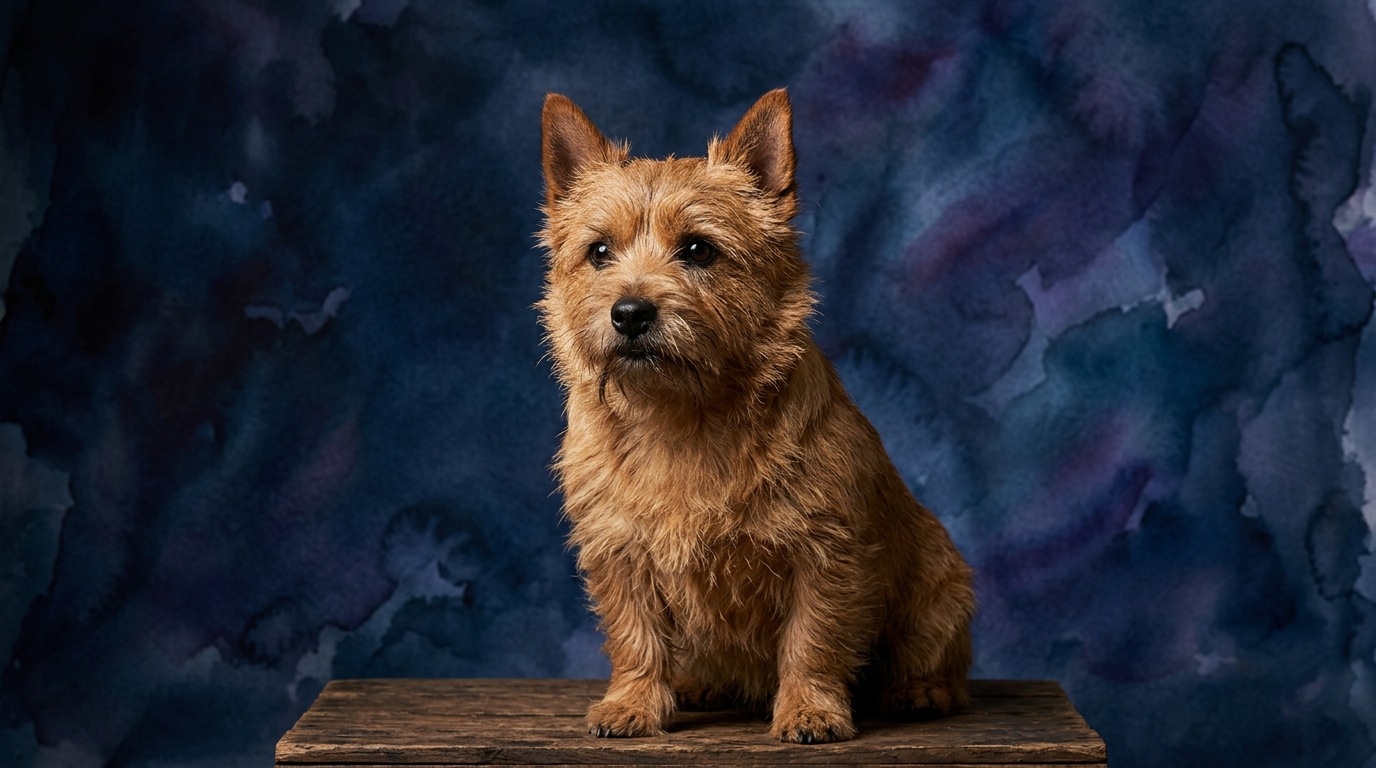
Side-by-Side Cognitive Profile: Decoding the Terriers
The Cosmic Pet Pet IQ Lab assesses five key dimensions of canine intelligence, providing a comprehensive view of a breed's cognitive strengths. For both the Scottish Terrier and the Norwich Terrier, the scores are consistently 3 out of 5 across all categories: Problem Solving, Training Speed, Social Intelligence, Instinctive Drive, and Memory. While these identical scores might suggest cognitive parity, understanding what a '3/5' signifies for each breed, particularly in light of their distinct temperaments and the Scottish Terrier's Coren ranking, illuminates subtle yet significant differences.
For Problem Solving (3/5), a Scottish Terrier's approach is often characterized by tenacious, independent thought. Faced with a puzzle, they might employ a determined, sometimes stubborn, trial-and-error method, driven by their deep-seated terrier instinct to achieve a goal. Their problem-solving is less about quick compliance and more about persistent, focused effort. The Norwich Terrier, also at 3/5, approaches challenges with a spirited curiosity and a slightly more adaptable mindset. While equally capable of independent thought, their problem-solving often integrates more observational learning and a willingness to try different strategies, sometimes with an eye towards owner interaction.
Training Speed (3/5) for the Scottish Terrier, ranked #65 by Coren, suggests they generally grasp new commands with 25-40 repetitions and obey on the first command approximately 50% of the time. Their independent spirit means training requires consistency, patience, and engaging methods to maintain their interest. A 3/5 for a Norwich Terrier, while numerically identical, often feels different in practice. Their eager-to-please nature and outgoing personality can make training sessions seem more collaborative and enjoyable, potentially leading to a quicker perceived uptake, even if the underlying repetition count for mastery is similar.
Social Intelligence (3/5) in a Scottish Terrier manifests as discerning observation and a dignified reserve. They are astute readers of social cues but often choose when and how to engage, sometimes appearing aloof or selectively social. Their understanding of hierarchy and boundaries is clear, but their adherence to them is often self-determined. The Norwich Terrier, with the same 3/5 score, typically applies their social intelligence through more active engagement. They are generally more outgoing and adaptable in social settings, readily seeking interaction and adjusting their behavior to various people or canine companions, often showcasing their friendly demeanor.
Instinctive Drive (3/5) is a hallmark of both terrier breeds. For the Scottish Terrier, this translates into a powerful prey drive, a strong inclination to dig, and a watchful, sometimes territorial, guarding instinct. These drives are deeply ingrained and require consistent management and appropriate outlets. The Norwich Terrier shares similar strong drives, also rated 3/5, including a keen prey drive and a love for digging. However, their instinctive behaviors are often channeled with a slightly more playful or less intensely independent focus, making them enthusiastic participants in games that mimic their historical roles.
Memory (3/5) is robust in both breeds. Scottish Terriers retain information about routines, boundaries, and past experiences with remarkable accuracy, often remembering specific training methods or perceived slights. This strong memory contributes to their consistency but also to their occasional stubbornness. Norwich Terriers also possess a solid 3/5 memory, often utilizing it to recall social connections, learned playful interactions, and environmental details, which aids in their adaptability and cheerful disposition. Both breeds benefit from consistent positive reinforcement, as they remember both good and bad experiences well.
Where the Scottish Terrier Excels Cognitively
Despite identical raw scores, the Scottish Terrier's cognitive strengths often lie in their focused tenacity and independent problem-solving when driven by their own motivations. Their 3/5 in problem-solving shines in situations requiring sustained effort and self-reliance, such as meticulously investigating a scent trail or persistently attempting to access a perceived 'prey' item. This isn't about speed, but about unyielding determination. Their moderate social intelligence, combined with their Coren rank indicating a structured learning capacity, means they excel at understanding and adhering to established rules, provided those rules are clear and consistently enforced, and they perceive a benefit. This cognitive independence, while sometimes challenging in training, allows them to navigate complex environments and tasks with a distinct, self-directed competence, often relying on their memory to inform their next persistent action.
Where the Norwich Terrier Demonstrates Cognitive Advantages
The Norwich Terrier's cognitive advantages, while also rated 3/5, often manifest in their adaptability and more collaborative approach to learning and social situations. Their 3/5 in social intelligence allows them to engage more readily and harmoniously with various individuals and other animals, making them adept at navigating diverse social landscapes. This often translates into a quicker uptake in cooperative learning scenarios, as their problem-solving (3/5) is frequently coupled with a desire to please and participate. Their memory (3/5) is particularly effective in retaining positive associations and social routines, making them excellent at remembering familiar faces and enjoyable interactions. While not Coren-ranked, their general temperament suggests their 3/5 training speed is often experienced as more fluid due to their outgoing nature and willingness to try, which can make the learning process feel more rewarding for both dog and owner.
Training Dynamics: Scottish Terrier vs. Norwich Terrier
When it comes to training, the perception of ease can differ significantly, even with identical 3/5 training speed scores. The Scottish Terrier's independent and often stubborn nature means that while they are capable of learning, they require an owner who understands their intrinsic motivation and is prepared for consistent, patient, and firm guidance. Their memory of past experiences means negative interactions can linger, making positive reinforcement crucial. They are not dogs that blindly obey; they question, assess, and decide if a command is worth their effort, making training feel like a negotiation rather than a simple instruction. Their problem-solving (3/5) often involves figuring out how to get their own way, which can be a training hurdle.
In contrast, the Norwich Terrier, despite the same 3/5 training speed, is generally considered more amenable and eager to please. Their outgoing social intelligence (3/5) means they often enjoy the interaction and attention that training provides, making them more responsive to commands and less prone to outright defiance. While they still possess a strong terrier will, it is often tempered by their friendly disposition. Training a Norwich can feel more like a partnership, with their memory (3/5) helping them retain learned behaviors quickly, especially when positive reinforcement is used consistently. Their innate curiosity often translates into a willingness to engage in new learning experiences, making the training journey a generally more straightforward and joyful experience for many owners.
Lifestyle Match: Active vs. Relaxed Owners
Matching a dog's cognitive profile and temperament to an owner's lifestyle is crucial for a harmonious relationship. The Scottish Terrier, with its robust build, independent problem-solving (3/5), and strong instinctive drives (3/5), generally suits owners who appreciate a dog with a strong personality and are prepared to provide consistent structure and mental stimulation. While not needing marathon runs, they require regular, purposeful exercise and opportunities to engage their terrier instincts in appropriate ways, such as structured walks, scent work, or puzzle toys. Their dignified social intelligence (3/5) means they might prefer a more predictable and calm home environment, thriving with owners who respect their independence and provide clear boundaries.
The Norwich Terrier, while equally spirited and possessing similar 3/5 scores across the board, often adapts more readily to varied lifestyles due to their more outgoing and adaptable social intelligence (3/5). They are excellent companions for active owners who enjoy including their dog in daily activities, whether it's hiking, playing fetch, or simply being out and about. Their eagerness for interaction and moderately high energy levels make them suitable for owners who can provide regular exercise and mental engagement, but they are also content to cuddle up for a relaxed evening. Their more agreeable nature makes them suitable for owners who seek a lively yet generally cooperative companion, adaptable to both spirited adventures and quiet moments at home.
The Verdict: When to Choose Each Terrier
Deciding between a Scottish Terrier and a Norwich Terrier comes down to subtle differences in how their similar cognitive abilities manifest through their unique temperaments. Both are terriers through and through, meaning owners must be prepared for their independent spirit, keen instincts, and need for consistent training. However, their distinct personalities will shape the daily experience of living with them.
The Scottish Terrier is an ideal companion for individuals or families who admire a dog with a strong, independent character, enjoy the challenge of consistent, patient training, and appreciate a discerning, dignified presence. They thrive with owners who understand and respect their tenacity and provide structured activities to channel their cognitive and instinctive drives, without expecting constant, effusive affection.
The Norwich Terrier is well-suited for owners seeking a cheerful, outgoing, and adaptable companion who enjoys active participation in family life and a more collaborative training dynamic. They are a good fit for those who appreciate a spirited dog that is generally more eager to please and socially versatile, offering a delightful blend of terrier spunk and affectionate companionship.
The Verdict
Choose a Scottish Terrier if you appreciate a dignified, independent companion and are prepared for consistent, patient training tailored to a strong-willed personality.
Opt for a Norwich Terrier if you desire a cheerful, outgoing, and adaptable companion who thrives on social interaction and a more collaborative training approach.
🧠 Find Your Pet's IQ Score
Our Pet IQ Lab assessment covers 25+ tests across 5 cognitive dimensions — personalized to your breed.
Take the Full IQ Test →Frequently Asked Questions
Are Scottish Terriers harder to train than Norwich Terriers?
While both breeds have a 3/5 training speed, Scottish Terriers are often perceived as more challenging due to their independent and sometimes stubborn nature, requiring more patience and consistent, engaging methods. Norwich Terriers, being more eager to please, generally make the training process feel more collaborative and less like a negotiation for many owners.
Which terrier is better with other pets or children?
The Norwich Terrier, with its 3/5 social intelligence manifesting as more outgoing and adaptable, generally tends to be more harmonious with other pets and children, given proper socialization. Scottish Terriers, while capable, often exhibit a more discerning and reserved social intelligence, preferring predictable interactions and requiring careful introductions to ensure positive relationships.
Do both breeds require significant mental stimulation?
Yes, both Scottish and Norwich Terriers, with their 3/5 scores across problem-solving, instinctive drive, and memory, require consistent mental stimulation to prevent boredom and destructive behaviors. This can include puzzle toys, training sessions, scent games, and opportunities to explore, ensuring their keen terrier minds are engaged.