Side-by-Side Cognitive Profiles
The Cosmic Pet Pet IQ Lab employs five key dimensions to assess canine intelligence, providing a nuanced view beyond simplistic 'smartness' labels. For both the Scottish Terrier (Coren rank #65) and the Rhodesian Ridgeback (Coren rank #52), our assessments indicate a consistent score of 3 out of 5 across all metrics: Problem Solving, Training Speed, Social Intelligence, Instinctive Drive, and Memory. While these numerical similarities might suggest identical cognitive function, their breed origins – Terrier versus Hound – dictate vastly different manifestations of these traits.
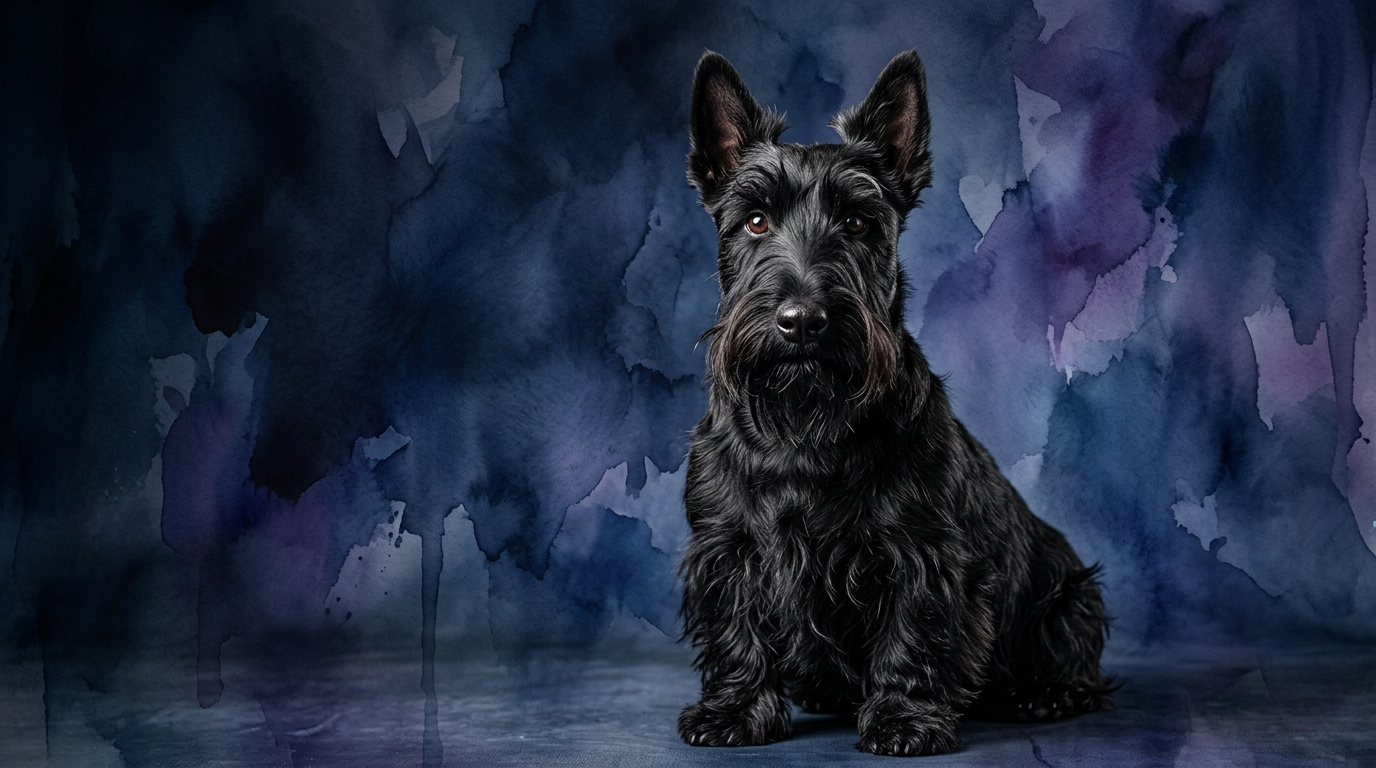
The Scottish Terrier, a compact and robust member of the Terrier group, exhibits its 3/5 Problem Solving capacity through tenacious, independent thought, often focused on tasks like navigating tight spaces or outsmarting small prey, reflecting their historical role as vermin hunters. Their Training Speed, also at 3/5, is characterized by a quick grasp of concepts but often tempered by a strong, independent will; they learn rapidly when they perceive value or enjoyment in the task. Social Intelligence (3/5) for a Scottie typically involves keen observation of their immediate family unit, often discerning moods and routines with a discerning, albeit sometimes aloof, gaze. Their Instinctive Drive (3/5) is profoundly rooted in hunting and digging, manifesting as a persistent pursuit of perceived 'prey' or territorial investigation. Lastly, their Memory (3/5) is strong for routines, preferred people, and territorial boundaries, making them reliable guardians of their personal space.
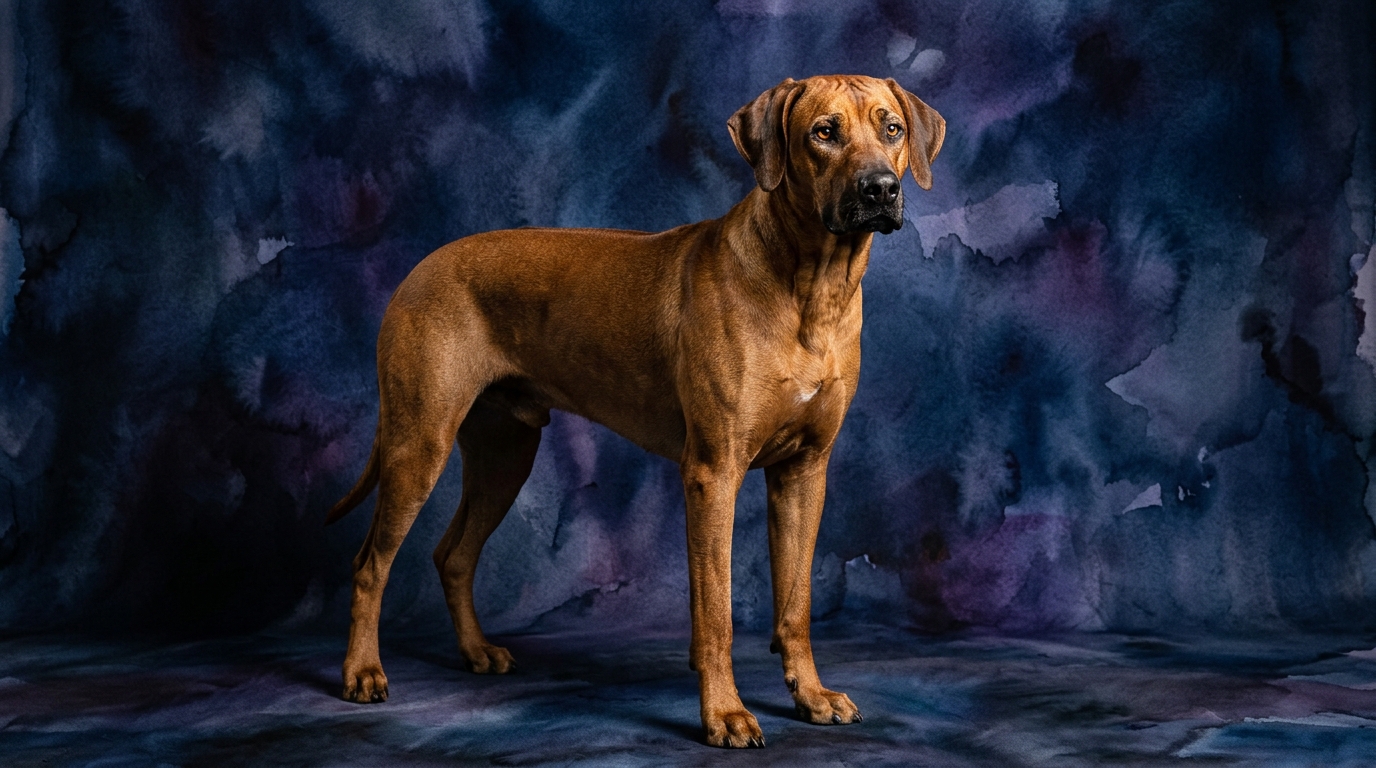
Conversely, the Rhodesian Ridgeback, a powerful hound breed developed for tracking and holding large game, expresses its 3/5 Problem Solving abilities through strategic thinking, particularly in navigating complex environments or assessing situations for potential threats, drawing on their historical need for independent decision-making in the field. Their 3/5 Training Speed means they absorb commands with moderate pace, but their deep-seated independence and sensitivity require consistent, fair, and engaging methods to foster willing participation. Social Intelligence (3/5) in a Ridgeback often manifests as a keen awareness of their human family's dynamics and a watchful, discerning approach to strangers, reflecting their protective instincts. Their Instinctive Drive (3/5) is powerfully geared towards scent tracking, pursuit, and guarding, demanding outlets for these innate behaviors. Their Memory (3/5) is particularly strong for routes, past experiences, and the identities of trusted individuals versus potential intruders, crucial for their historical roles as guardians and hunters.
Where the Scottish Terrier Excels Cognitively
The Scottish Terrier's cognitive strengths lie in their focused tenacity and independent resourcefulness, particularly within their immediate environment. Their 3/5 problem-solving ability shines brightest when faced with challenges that require persistence and a touch of stubborn ingenuity, such as figuring out how to access a hidden toy or navigating an obstacle course designed to simulate burrowing. They possess a remarkable single-mindedness once a goal is identified, often employing trial-and-error with an unwavering spirit that other breeds might abandon. This makes them adept at tasks requiring sustained, independent effort rather than immediate human cooperation. Furthermore, their memory (3/5) for specific locations, buried treasures, or the exact spot where a squirrel was last seen is exceptional, allowing them to revisit and re-engage with past 'projects' with precision.
Where the Rhodesian Ridgeback Excels Cognitively
The Rhodesian Ridgeback's cognitive prowess is best observed in their strategic assessment of broader environments and their nuanced social observation. Their 3/5 problem-solving skill often manifests as a deliberate, calculated approach to situations, such as mapping out the most efficient patrol route of a yard or subtly assessing a new person before engagement, rather than a frantic, impulsive response. Their social intelligence (3/5) is particularly acute when it comes to reading human intent and the dynamics of a household, allowing them to act as discerning guardians who understand appropriate boundaries and potential threats. This perceptive nature makes them excellent at 'reading the room' and adapting their behavior, often appearing calm and watchful. Their instinctive drive (3/5), while strong, is often channeled through a patient, methodical pursuit, demonstrating a deeper strategic layer than a purely reactive chase.
Which is Easier to Train and Why
Despite both breeds scoring 3/5 for Training Speed, the Rhodesian Ridgeback generally presents a more straightforward training journey for an experienced, consistent owner, a distinction reflected in its higher Coren rank (#52 vs. #65). Ridgebacks, while independent, often possess a strong desire to please their primary caregiver and respond well to clear, fair leadership. Their sensitivity means they thrive on positive reinforcement and can become withdrawn or resistant if training is harsh or inconsistent. They excel with an owner who understands their dignified nature and can channel their strong instinctive drives into productive activities like advanced obedience, tracking, or agility, making them eager participants once trust is established.
The Scottish Terrier, on the other hand, can be more challenging due to their formidable independence and a tendency to view training as a negotiation rather than a directive. Their 3/5 training speed is coupled with a 'what's in it for me?' attitude. A Scottie learns quickly but may choose not to comply if the command doesn't align with their immediate interests or if they perceive a lack of fairness. This requires an owner with immense patience, a creative approach to motivation (often involving high-value treats or engaging games), and a resilient sense of humor. While they can achieve high levels of obedience, it often requires more consistent effort and a deeper understanding of their terrier temperament to overcome their inherent self-reliance and strong-willed nature.
Suitability for Active vs. Relaxed Owners
The choice between a Scottish Terrier and a Rhodesian Ridgeback largely hinges on an owner's lifestyle and energy levels. The Rhodesian Ridgeback is unequivocally suited for active owners. Their substantial size, powerful build, and strong instinctive drives demand significant daily physical exercise, such as long runs, hikes, or vigorous play, to maintain their physical and mental well-being. They thrive with owners who enjoy outdoor adventures and can provide consistent engagement in activities that fulfill their tracking and guarding instincts. A sedentary lifestyle will likely lead to boredom, destructive behaviors, and restlessness in a Ridgeback, making them unsuitable for truly relaxed homebodies.
The Scottish Terrier, while not a couch potato, is a better fit for owners who appreciate a more moderate activity level. They enjoy brisk daily walks, playtime in a secure yard, and mental stimulation through puzzle toys or short training sessions. Their exercise needs are manageable for many, and they can be content as indoor companions, provided their intellectual curiosity is satisfied. They are less demanding in terms of sheer endurance than a Ridgeback, making them a suitable companion for owners who lead a moderately active lifestyle and enjoy engaging their dog's mind without requiring intense, prolonged physical exertion. Their independent nature also means they are often content to entertain themselves for periods, making them a good fit for owners who appreciate some personal space alongside companionship.
The Verdict
Choose the Scottish Terrier if you appreciate a tenacious, independent companion with a moderate activity level and enjoy engaging with a dog's clever, often stubborn, personality.
Opt for the Rhodesian Ridgeback if you lead a highly active lifestyle, desire a loyal, watchful guardian, and are committed to consistent, fair training that channels their powerful instincts.
🧠 Find Your Pet's IQ Score
Our Pet IQ Lab assessment covers 25+ tests across 5 cognitive dimensions — personalized to your breed.
Take the Full IQ Test →Frequently Asked Questions
Do Scottish Terriers and Rhodesian Ridgebacks have similar intelligence?
While both breeds score 3/5 across our five IQ dimensions, their intelligence manifests differently due to their distinct breed purposes. Scottish Terriers excel in tenacious, independent problem-solving for small tasks, whereas Rhodesian Ridgebacks demonstrate strategic thinking for broader environmental assessment and social observation, reflecting their hound and guarding heritage.
Which breed is better for first-time dog owners?
Neither breed is typically recommended for novice dog owners without prior research and commitment, due to their independent and strong-willed natures. However, the Scottish Terrier's more manageable size and moderate exercise needs might make them slightly less overwhelming than the powerful, high-energy Rhodesian Ridgeback, which requires significant commitment to training and socialization.
How do their instinctive drives differ in daily life?
A Scottish Terrier's 3/5 instinctive drive primarily focuses on digging, chasing small prey, and patrolling their territory, often seen in persistent yard exploration or squirrel pursuits. A Rhodesian Ridgeback's 3/5 instinctive drive centers on tracking, guarding, and a strong prey drive for larger game, manifesting as keen observation of their surroundings and a need for outlets like scent work or secure, vigorous exercise.