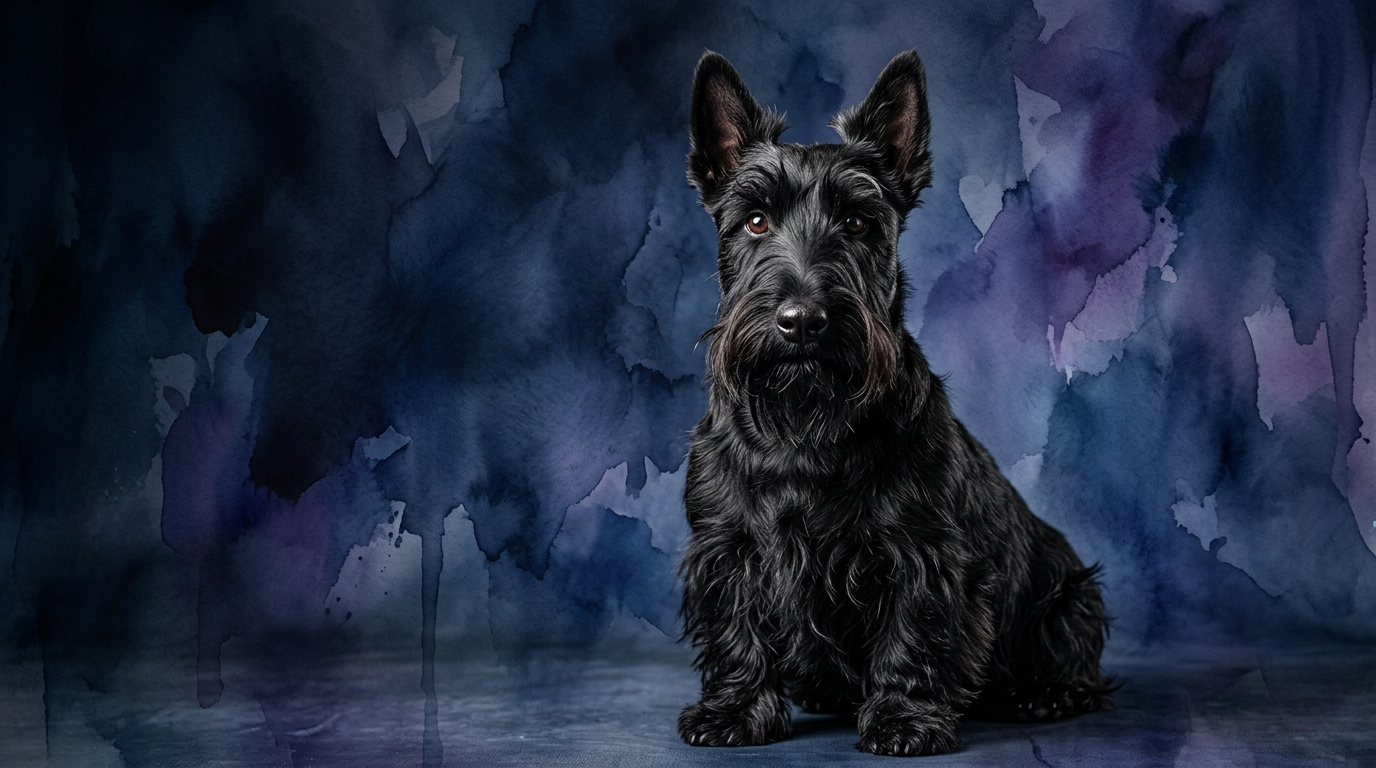
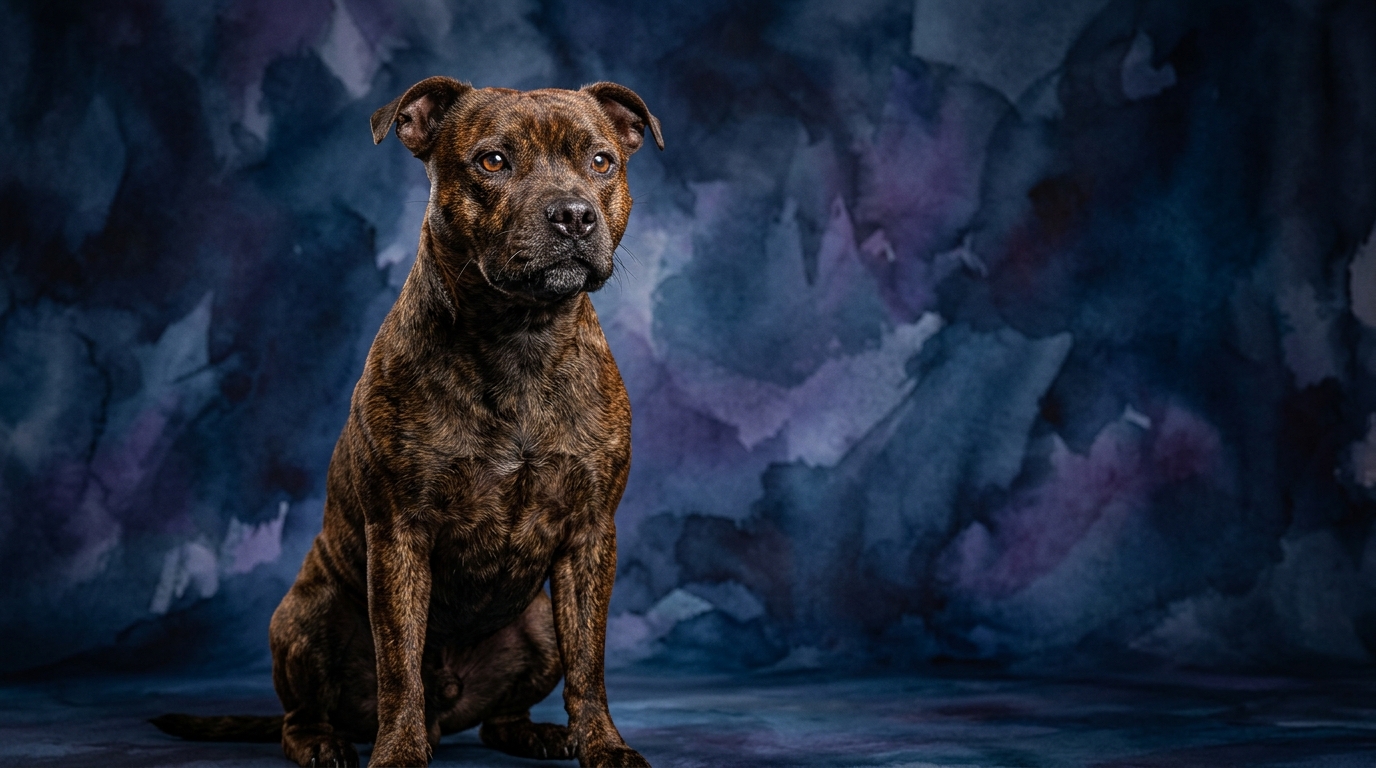
Side-by-side IQ profile
**Scottish Terrier (Coren rank #65)**
**Problem Solving (3/5):** Scotties exhibit problem-solving through tenacious independence, particularly in tasks mirroring their vermin-hunting past. They skillfully navigate tight spaces or persist until a goal is met, relying on self-directed ingenuity rather than constant human guidance for practical, often physical, challenges.
**Training Speed (3/5):** Capable learners, Scotties absorb commands well but their strong will necessitates engaging, consistent training. They might deliberate before complying, weighing the command's value, making positive reinforcement and patience crucial for overcoming their inherent self-reliance.
**Social Intelligence (3/5):** A Scottie’s social intelligence is subtle and selective, forming deep family bonds while remaining reserved with strangers. They observe before engaging, understanding household dynamics and moods, offering quiet companionship rather than demonstrative social overtures, preferring dignified interaction.
**Instinctive Drive (3/5):** Rooted in their hunting heritage, this drive manifests as a strong urge to dig, chase small animals, and vigilantly patrol territory. This provides keen environmental awareness and readiness to act on natural impulses, requiring owners to channel these instincts appropriately.
**Memory (3/5):** Scotties possess a solid memory for routines, commands, and environmental layouts. They recall specific training cues and preferred paths, and can clearly remember interactions, aiding their independent problem-solving and reinforcing established preferences.
**Staffordshire Bull Terrier (Not Coren-ranked)**
**Problem Solving (3/5):** Staffy problem-solving often involves physical prowess and a desire to engage companions. They excel at complex toy puzzles, agility, or creatively initiating play. Their resilience means they persist, often employing physical solutions or trial-and-error to achieve goals, especially with human interaction.
**Training Speed (3/5):** Generally eager to please, Staffies respond well to positive reinforcement, making training efficient when motivated. Their enthusiasm requires clear, consistent guidance. They learn quickly, but strong will and occasional impulsiveness demand consistent reinforcement to solidify commands.
**Social Intelligence (3/5):** Staffies are known for their affectionate nature and empathy, often called “nanny dogs.” Their social intelligence shines in reading human emotions, offering comfort, and integrating seamlessly into family life, thriving on companionship and communicating needs through expressive body language.
**Instinctive Drive (3/5):** Modern Staffies channel drive into robust play, athleticism, and family protection. They possess a natural zest for life, keen environmental awareness, and readiness for physical activities, often displaying a high prey drive for toys or moving objects.
**Memory (3/5):** Staffies exhibit strong memory for people, places, and experiences. They recall training cues, family routines, and bonded individuals with joyous recognition. This memory contributes to their strong attachments and ability to learn and adapt within their family unit.
Where Scottish Terrier wins cognitively
The Scottish Terrier's cognitive strengths often lie in their self-sufficiency and focused determination. Their problem-solving, rated 3/5, is particularly adept at tasks requiring independent thought and persistence without human intervention. For instance, a Scottie might outmaneuver a complex burrow system to locate a scent or navigate an unfamiliar outdoor environment with a singular focus, leveraging their innate hunting intelligence. Their memory (3/5) supports this by allowing them to recall successful strategies and preferred routes, reinforcing their independent decision-making. This breed excels in scenarios where a dog needs to rely on its own wits and tenacity to achieve a goal, rather than waiting for direction, making them excellent, self-directed explorers of their immediate world.
Where Staffordshire Bull Terrier wins cognitively
The Staffordshire Bull Terrier, while sharing a 3/5 rating across cognitive dimensions, often demonstrates superior resilience and social adaptability. Their problem-solving (3/5) frequently involves navigating complex social scenarios or physical challenges with a robust, unyielding spirit. A Staffy might persistently work to retrieve a favorite toy from a difficult spot or creatively engage a hesitant human in play, showcasing a blend of physical intelligence and social drive. Their social intelligence (3/5) is particularly pronounced in their ability to form deep, empathetic bonds and read human emotions, making them exceptionally attuned companions. This breed's cognitive edge lies in their unwavering spirit, emotional robustness, and eagerness to engage positively within their family structure, often displaying an impressive ability to bounce back from setbacks.
Which is easier to train and why
When considering ease of training, the Staffordshire Bull Terrier often presents a slightly smoother path for the average owner, despite both breeds sharing a 3/5 training speed. Staffies are generally more eager to please their human companions, a trait that makes them highly receptive to positive reinforcement and consistent guidance. Their strong desire for interaction and approval means they are typically keen to learn and perform tasks for their owners. In contrast, the Scottish Terrier's independent nature and strong will, while not making them untrainable, can mean they require more patience and creative motivation. A Scottie might understand a command but choose to execute it on their own timeline, weighing its immediate benefit. Their training often demands an approach that respects their self-reliant spirit, focusing on making tasks feel like their own idea or a rewarding game, whereas a Staffy is often motivated purely by the joy of working with their person.
Which suits active owners vs relaxed owners
For owners with a more relaxed lifestyle, the Scottish Terrier can be a surprisingly good fit, provided their specific needs for mental stimulation are met. While they enjoy walks and purposeful activity, they are also content with quiet companionship indoors once their exercise and mental engagement (like scent games or puzzle toys) have been satisfied. Their independent nature means they don't demand constant attention, allowing for periods of peaceful co-existence. Conversely, the Staffordshire Bull Terrier thrives with active owners who can channel their robust energy and strong desire for interaction. Staffies require regular, vigorous exercise and consistent mental engagement through play, training, and social outings. Their enthusiasm and physical resilience make them ideal companions for hiking, agility, or extensive playtime, making them better suited for households that embrace an active, interactive lifestyle.
The Verdict
Choose the Scottish Terrier if you appreciate a dignified, independent companion who offers quiet loyalty and possesses a tenacious, self-reliant mind, thriving on purposeful tasks and a calm home environment.
Opt for the Staffordshire Bull Terrier if you seek an effervescent, resilient, and deeply affectionate companion who thrives on active engagement, social interaction, and a robust, energetic lifestyle.
🧠 Find Your Pet's IQ Score
Our Pet IQ Lab assessment covers 25+ tests across 5 cognitive dimensions — personalized to your breed.
Take the Full IQ Test →Frequently Asked Questions
Do Scottish Terriers and Staffordshire Bull Terriers have similar energy levels?
While both are terriers, their energy manifests differently. Scottish Terriers have bursts of activity followed by calm, requiring focused exercise. Staffordshire Bull Terriers generally possess a more consistent, robust energy that demands regular, vigorous physical and mental engagement throughout the day.
Are either of these breeds good with children?
Both breeds can be excellent with children, given proper socialization and supervision. Staffordshire Bull Terriers are often lauded for their affectionate and patient nature with kids, earning them the “nanny dog” moniker. Scottish Terriers, while devoted, are generally more reserved and appreciate respectful interactions, making them better suited for slightly older, considerate children.
What's the main difference in their problem-solving approach?
Scottish Terriers typically employ problem-solving with independent tenacity, often driven by instinctual hunting or exploring, relying on their own strategic thinking. Staffordshire Bull Terriers, while equally capable, often approach problems with a blend of physical resilience and a desire to engage or please their human, making their solutions more interactive or physically robust.