Side-by-Side Cognitive Profile: Interpreting Identical Scores
At first glance, the Pet IQ Lab scores for both the Sealyham Terrier and the Black and Tan Coonhound present a curious parity: Problem Solving 3/5, Training Speed 3/5, Social Intelligence 3/5, Instinctive Drive 3/5, and Memory 3/5. However, these identical numerical ratings belie fundamentally different cognitive styles molded by their ancestral roles. A score of 3/5 indicates a solid, functional capacity in each area, suggesting neither extreme brilliance nor significant cognitive limitations, but rather a practical, adaptable intelligence that serves their breed-specific functions well.
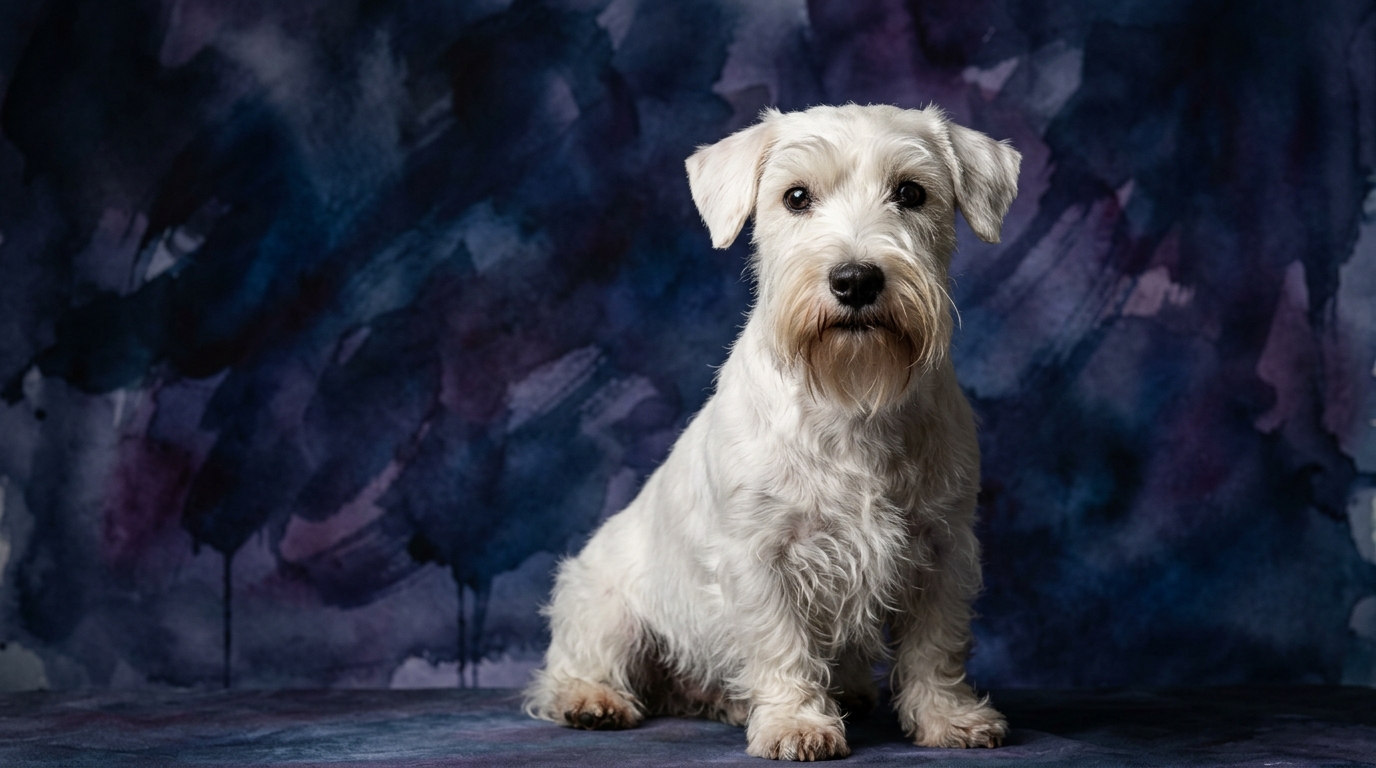
For the Sealyham Terrier, a 3/5 in Problem Solving often manifests as a tenacious determination to achieve a specific goal, such as extracting a burrowed creature or figuring out how to access a hidden treat. Their problem-solving is typically direct and persistent, driven by their strong prey instinct. Training Speed at 3/5 means they are capable of learning commands, but their independent terrier spirit can lead them to evaluate the perceived value of compliance, often offering their own 'terrier solutions' if not adequately motivated. Their Social Intelligence, also 3/5, reflects an ability to bond deeply with their family while maintaining a degree of self-sufficiency and occasionally asserting their boundaries with strangers or other dogs. The 3/5 Instinctive Drive is overwhelmingly focused on prey pursuit, digging, and barking, a persistent drive to engage with their environment. Their Memory at 3/5 is practical, recalling routines, the location of valued items, and past successful strategies for overcoming obstacles.
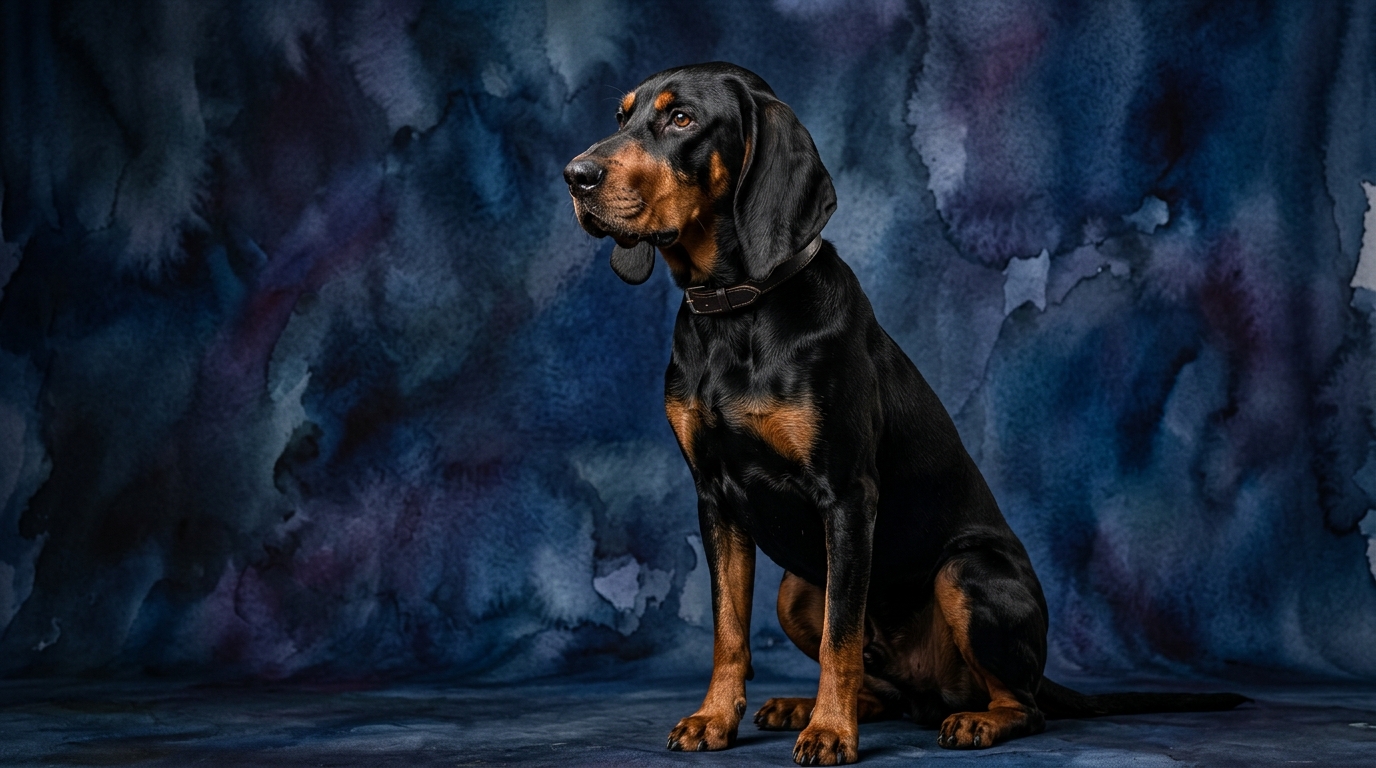
The Black and Tan Coonhound, with the same 3/5 scores, applies these cognitive capacities in a distinct manner. Their Problem Solving at 3/5 is exemplified by their ability to unravel intricate, often broken, scent trails across diverse and challenging terrains, demonstrating a sequential, analytical approach to complex environmental puzzles. Training Speed at 3/5 indicates they can learn commands and routines, but their profound focus on scent can make immediate recall or redirection challenging, particularly when their nose is engaged. Their Social Intelligence, also 3/5, typically translates to an amiable, cooperative nature within their family 'pack' and with other canines, though their deep immersion in scent work can sometimes make them less attuned to subtle human social cues during a hunt. The 3/5 Instinctive Drive is almost entirely dedicated to scenting, trailing, and baying, a persistent, long-duration pursuit of quarry. Their Memory at 3/5 is particularly strong for scent profiles and complex routes, allowing them to accurately retrace steps or recall specific trails, even over extended periods.
Where the Sealyham Terrier Cognitively Shines
Despite identical scores, the Sealyham Terrier's cognitive strengths lean towards a focused, independent ingenuity. Their 3/5 Problem Solving often involves quick, decisive action within a confined or immediate context. They excel at figuring out how to overcome direct physical barriers or outmaneuver a small, elusive target. This isn't about long-term strategy but rather immediate tactical brilliance, born from their terrier heritage of dispatching vermin. This translates into a resourceful dog that can surprise owners with their cleverness in navigating household challenges or retrieving favored toys from seemingly inaccessible spots.
The Sealyham's 3/5 Instinctive Drive, while intense, is often channeled into more contained bursts of activity compared to a Coonhound's sustained endurance. This means their cognitive engagement in a task, while potentially stubborn, can be intensely focused on the immediate objective. Their memory, also 3/5, supports this by allowing them to quickly recall which tactics worked best in similar situations, reinforcing their independent problem-solving approach. They remember what they want and how they've successfully obtained it before, which can be both charming and a challenge for owners.
Where the Black and Tan Coonhound Cognitively Excels
The Black and Tan Coonhound's cognitive strengths are profoundly linked to their olfactory prowess and endurance. Their 3/5 Problem Solving is a masterclass in sustained, analytical deduction over vast distances. They don't just follow a scent; they interpret its age, direction, and intensity, making complex decisions about which path to take when a trail becomes faint or broken. This requires a different kind of mental processing—a long-form, persistent form of intelligence that prioritizes an overarching goal over immediate gratification. Their ability to 'work out' a cold trail showcases a remarkable cognitive endurance and focus.
Their 3/5 Instinctive Drive, focused intently on scenting, fuels this protracted mental effort. This drive isn't just physical; it's a deep cognitive engagement with their primary sense. Furthermore, their 3/5 Memory is exceptionally tuned to recalling specific scent profiles and intricate routes, allowing them to build a mental map of their environment through smell. This specialized memory enables them to return to areas of interest or to pick up a trail long after it was initially laid. Their social intelligence, while rated 3/5, often manifests as a cooperative spirit during joint activities, a remnant of their pack-hunting origins, making them good partners for extended outdoor adventures.
Training Dynamics: Sealyham Terrier vs. Black and Tan Coonhound
When it comes to training, both breeds present unique considerations stemming from their 3/5 Training Speed scores and their core drives. The Sealyham Terrier's independent streak and intense prey drive often mean they learn commands quickly, but choosing to obey them can be another matter. They require consistent, positive reinforcement that genuinely motivates them, often by making training feel like a game or a challenge they need to 'win.' Owners must be patient and creative, understanding that a Sealyham might process a command and then weigh it against their own immediate desires, especially if a perceived 'varmint' or intriguing scent is nearby. Their tenacity can be an asset in learning complex tasks, but it also means they can be equally tenacious in resisting commands they deem unnecessary.
The Black and Tan Coonhound's training journey is heavily influenced by their powerful 3/5 Instinctive Drive for scent work. They are capable learners, but their focus can be singular; once on a scent, external commands often fade into the background. This 'hound ear' requires owners to build an exceptionally strong foundation of recall and attention from a young age, often in environments free of overwhelming scent distractions, gradually introducing more complexity. Training a Coonhound means understanding that their nose is their world, and effective training often involves integrating scent work into their learning, rather than trying to suppress it. Their endurance means they can be persistent in their own pursuits, so consistency and a clear understanding of their motivations are paramount to success.
Lifestyle Match: Active Engagement vs. Relaxed Companionship
Matching a dog's needs to an owner's lifestyle is critical for a harmonious relationship. The Sealyham Terrier, despite its compact size, is not a sedentary companion. Their 3/5 Instinctive Drive and Problem Solving capacity demand regular mental stimulation and physical activity. Owners who enjoy interactive play, puzzle toys, and consistent training sessions will find a Sealyham thrives, channeling their problem-solving energy into appropriate outlets. They enjoy structured walks, but also benefit from opportunities to explore and 'hunt' (even if it's for a hidden treat in the yard). A more relaxed owner who doesn't provide sufficient engagement might find their Sealyham inventing its own, potentially destructive, forms of entertainment, driven by boredom and their inherent terrier ingenuity.
The Black and Tan Coonhound, conversely, requires a significantly more active lifestyle, primarily centered around robust physical exercise and ample opportunities for scent work. Their 3/5 Instinctive Drive for trailing means they need long, consistent walks or hikes where they can engage their powerful nose. While they can be calm indoors, their energy levels demand a substantial outdoor outlet to prevent restlessness and potential vocalizations. Relaxed owners who prefer minimal outdoor activity would likely struggle to meet a Coonhound's needs, as their endurance and drive are not easily appeased. They are best suited for owners who enjoy extended outdoor adventures, are willing to engage in scent games, or even participate in tracking sports, allowing their natural cognitive strengths to flourish.
The Verdict
Choose the Sealyham Terrier if you appreciate a clever, independent companion who thrives on interactive challenges and consistent, engaging training, and you can provide structured mental and physical outlets for their tenacious spirit.
Opt for the Black and Tan Coonhound if you are an active, outdoors-oriented individual or family who enjoys long excursions, has an appreciation for scent work, and is prepared to dedicate significant time to physical exercise and patient, consistent training that respects their profound olfactory drive.
🧠 Find Your Pet's IQ Score
Our Pet IQ Lab assessment covers 25+ tests across 5 cognitive dimensions — personalized to your breed.
Take the Full IQ Test →Frequently Asked Questions
Do Sealyham Terriers and Black and Tan Coonhounds bark a lot?
Both breeds can be vocal, though for different reasons. Sealyham Terriers often bark to alert or when excited by prey or perceived intruders, while Black and Tan Coonhounds are known for their distinctive 'baying' vocalization during tracking or to express their presence, which can be quite loud and sustained.
Are these breeds good with children?
Both breeds can be good family companions with proper socialization and training from a young age. Sealyham Terriers are generally affectionate with their families but may prefer older, respectful children, while Black and Tan Coonhounds are often known for their amiable and patient nature with children, benefiting from their pack-oriented social intelligence.
What are the key differences in their exercise needs?
While both need activity, a Sealyham Terrier requires regular, varied exercise including interactive play and walks to satisfy their independent energy. A Black and Tan Coonhound demands more extensive, sustained physical exercise, ideally including opportunities to follow scent trails, due to their significant endurance and strong tracking drive.