
Side-by-Side IQ Profile: Digging Deeper Than the Numbers
On paper, both the Sealyham Terrier and the English Foxhound register a consistent 3/5 across all five dimensions of our Pet IQ Lab assessment: Problem Solving, Training Speed, Social Intelligence, Instinctive Drive, and Memory. However, these identical scores manifest in profoundly different ways, reflecting their centuries-old roles and inherent breed characteristics. Understanding these nuances is crucial for any prospective owner.
The Sealyham Terrier, a breed developed for hunting badgers and foxes in rocky terrain, displays its 3/5 Problem Solving as a persistent, independent resourcefulness. This isn't about abstract puzzles, but rather figuring out how to navigate tight spaces, outwit burrowing prey, or manipulate objects to reach a desired outcome, often involving digging or strategic barking. Their Training Speed (3/5) reflects a capacity to learn but also a strong will; they absorb commands but may choose to prioritize their own agenda, demanding consistent, engaging methods. Social Intelligence (3/5) for a Sealyham often means a deep bond with their immediate family, understanding their human's moods and routines, yet they can be reserved or territorial with strangers or other animals. Their Instinctive Drive (3/5) is powerfully geared towards scenting, pursuing, and excavating, making them relentless in a chase and often vocal. Finally, their Memory (3/5) is robust for routines, learned commands, and particularly for remembering where a perceived 'prey' might be or where a favorite digging spot lies.
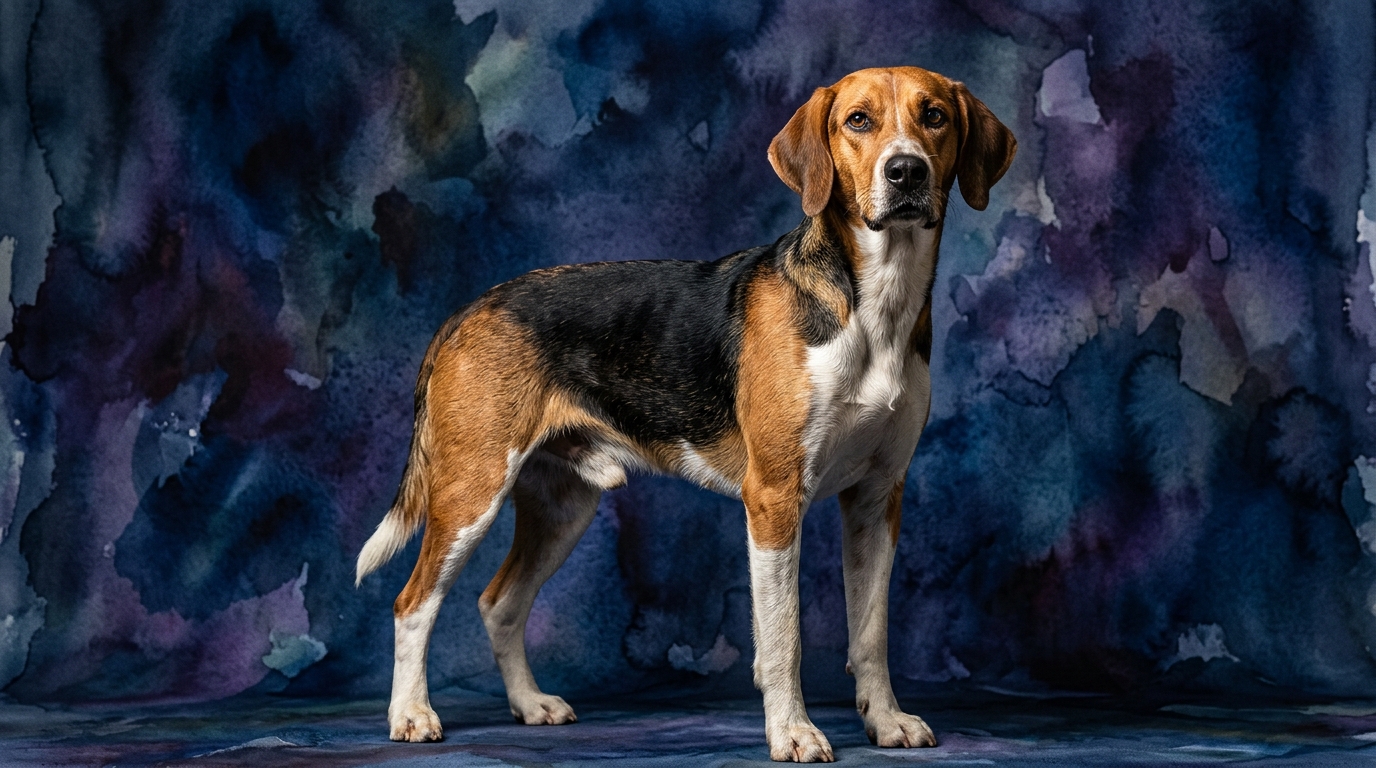
In contrast, the English Foxhound, bred for long-distance pack hunting of fox, applies its 3/5 Problem Solving primarily to complex scent trails and environmental navigation. Their cognitive strengths lie in deciphering intricate scent puzzles across varied landscapes, often working cooperatively within a pack structure rather than individually manipulating objects. Their Training Speed (3/5) indicates they learn patterns and commands, especially those related to their hunting purpose, but their overwhelming scent drive can override learned obedience when a compelling trail is detected. Social Intelligence (3/5) is typically high within a pack context; they understand hierarchy, cooperation, and social cues among dogs, and are generally amiable with people, albeit sometimes aloof. Their Instinctive Drive (3/5) is singularly focused on tracking, endurance, and the thrill of the chase, making them incredibly driven when on a scent. Their Memory (3/5) is exceptional for remembering scent trails, routes, and the dynamics of their pack, retaining commands but always with the potential for their nose to lead the way.
Where the Sealyham Terrier Wins Cognitively
The Sealyham Terrier's cognitive strengths shine in scenarios demanding independent thought and tenacious execution, particularly in confined or challenging environments. Their 3/5 in Problem Solving manifests as a sharp ability to strategize how to access something desirable, such as a hidden toy or an interesting scent beneath a bush, often employing digging or persistent manipulation. This breed excels at figuring out 'how to get there' through sheer willpower and creative effort, a hallmark of their terrier heritage. Their vigilance also translates into a quick cognitive assessment of their surroundings, making them adept at identifying and reacting to perceived changes or threats within their territory, a form of practical situational awareness.
Where the English Foxhound Wins Cognitively
The English Foxhound's cognitive advantages are rooted deeply in their specialized hunting heritage, particularly in tasks requiring sustained focus and intricate sensory processing. Their 3/5 in Problem Solving is best observed in their unparalleled ability to follow and discriminate complex scent trails over vast distances and varied terrains, a task demanding immense mental stamina and environmental interpretation. This involves continuously processing olfactory information, making decisions about direction, and maintaining concentration despite distractions. Furthermore, their pack-oriented Social Intelligence (3/5) allows them to seamlessly integrate and cooperate within a group, understanding and responding to the dynamics of collective pursuit, a highly sophisticated form of social cognition.
Which Is Easier to Train and Why
Neither the Sealyham Terrier nor the English Foxhound can be accurately described as 'easy' to train in the conventional sense, but their training challenges stem from different aspects of their cognitive makeup. The Sealyham Terrier's 3/5 Training Speed is tempered by their independent nature and self-assured disposition. They learn commands but often require significant motivation and consistency to comply, especially if a more interesting 'terrier task' like digging or chasing a perceived critter presents itself. Their strong will means they are less inclined to simply please and more likely to question the immediate benefit of a command, demanding engaging, varied training sessions to prevent boredom and foster cooperation. Early and consistent socialization is vital to channel their territorial instincts positively.
The English Foxhound, with its identical 3/5 Training Speed, faces its primary hurdle in its overwhelming instinctive drive for scent. While they are capable of learning a wide array of commands, particularly within a structured pack environment, their nose often dictates their actions. A compelling scent can render them temporarily deaf to commands, making reliable recall a significant challenge in unfenced areas. Their historical role means they are bred to follow a scent for hours, tuning out everything else. Training an English Foxhound requires immense patience, understanding of their powerful drive, and a focus on positive reinforcement that competes with the allure of a fresh trail. Early leash training and secure exercise environments are non-negotiable.
Which Suits Active Owners vs. Relaxed Owners
For owners with a more relaxed lifestyle, neither breed is an ideal fit without significant commitment to their specific needs. However, the Sealyham Terrier generally suits owners who are active in shorter, more intense bursts and enjoy mental engagement. They thrive with structured playtime, consistent training that challenges their problem-solving skills, and secure outlets for their digging and chasing instincts. Owners who appreciate a spirited, independent companion and are prepared to manage a strong-willed personality will find a rewarding partner in a Sealyham. They require an owner who can provide consistent mental stimulation and firm, fair guidance to prevent boredom-driven behaviors.
The English Foxhound is unequivocally suited for highly active owners who can provide extensive, vigorous daily exercise and outlets for their immense stamina and scent drive. These dogs are built for endurance and require long runs, hikes, or secure, large spaces where they can gallop freely. A relaxed owner will quickly find themselves overwhelmed by a Foxhound's boundless energy and potential for destructive behaviors if not adequately exercised. They flourish with owners who enjoy outdoor adventures, potentially engaging in scent work or dog sports, and who understand the profound impact of their powerful hunting instincts on their daily needs. Their pack nature also means they often do best with canine companionship or an owner who is present much of the time.
The Verdict
Choose the Sealyham Terrier if you appreciate a spirited, independent companion with a strong personality, enjoy engaging in mental games, and are prepared to channel a terrier's tenacious drive with consistent, creative training.
Opt for the English Foxhound if you lead a very active lifestyle, can provide vast daily exercise and scent work opportunities, and appreciate a dog with a strong pack instinct and unwavering drive for the chase.
🧠 Find Your Pet's IQ Score
Our Pet IQ Lab assessment covers 25+ tests across 5 cognitive dimensions — personalized to your breed.
Take the Full IQ Test →Frequently Asked Questions
Are Sealyham Terriers good apartment dogs?
Sealyham Terriers can adapt to apartment living if their significant exercise and mental stimulation needs are consistently met. Their barking and digging instincts require careful management and training in smaller spaces to prevent nuisance behaviors.
Do English Foxhounds get along with other pets?
Generally, English Foxhounds are good with other dogs due to their inherent pack nature, often thriving with canine companions. However, their strong prey drive means small, furry pets like cats or rabbits should be introduced with extreme caution and constant supervision.
What are the biggest training challenges for each breed?
For Sealyham Terriers, the main challenge is their independent nature and tendency to follow their own agenda, requiring highly engaging and consistent training. For English Foxhounds, it's their overwhelming scent drive, which can cause them to ignore commands when on a trail, making reliable recall especially difficult.