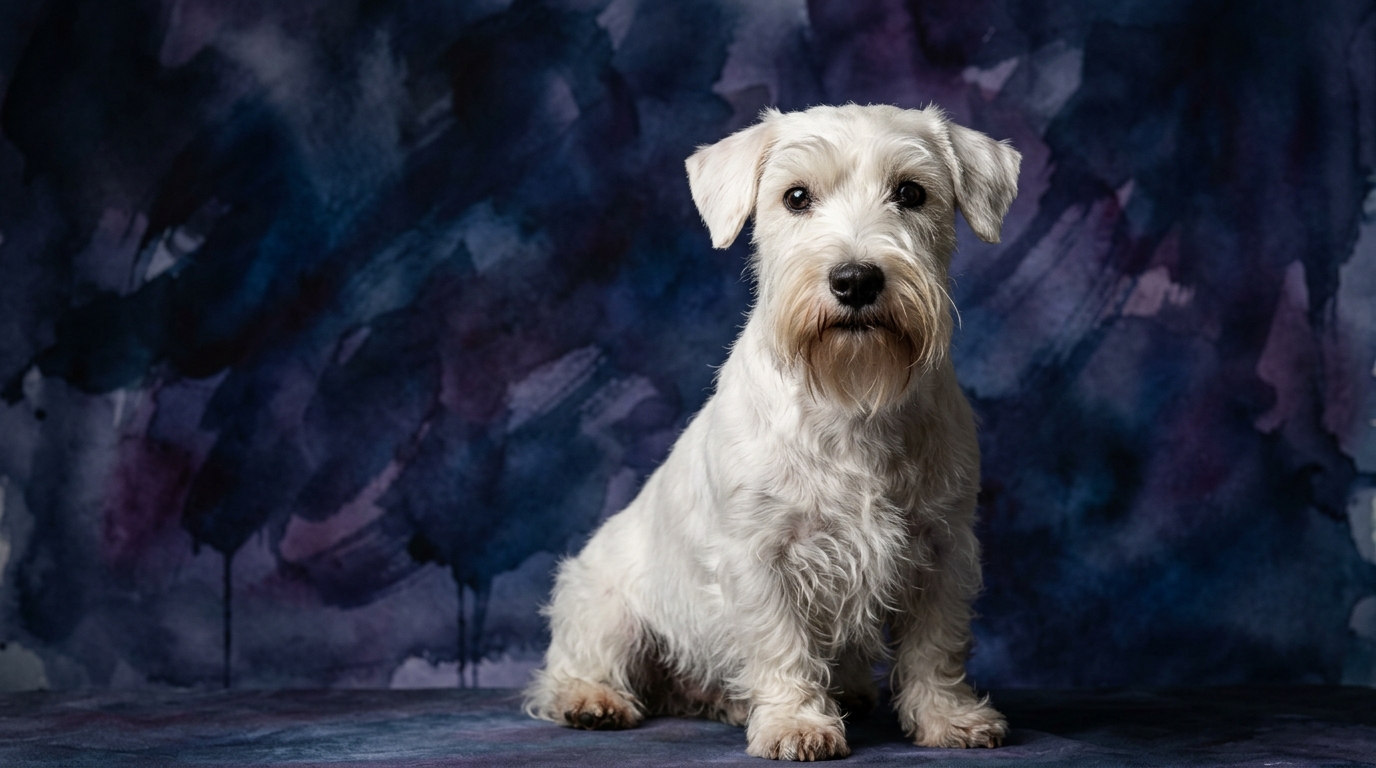
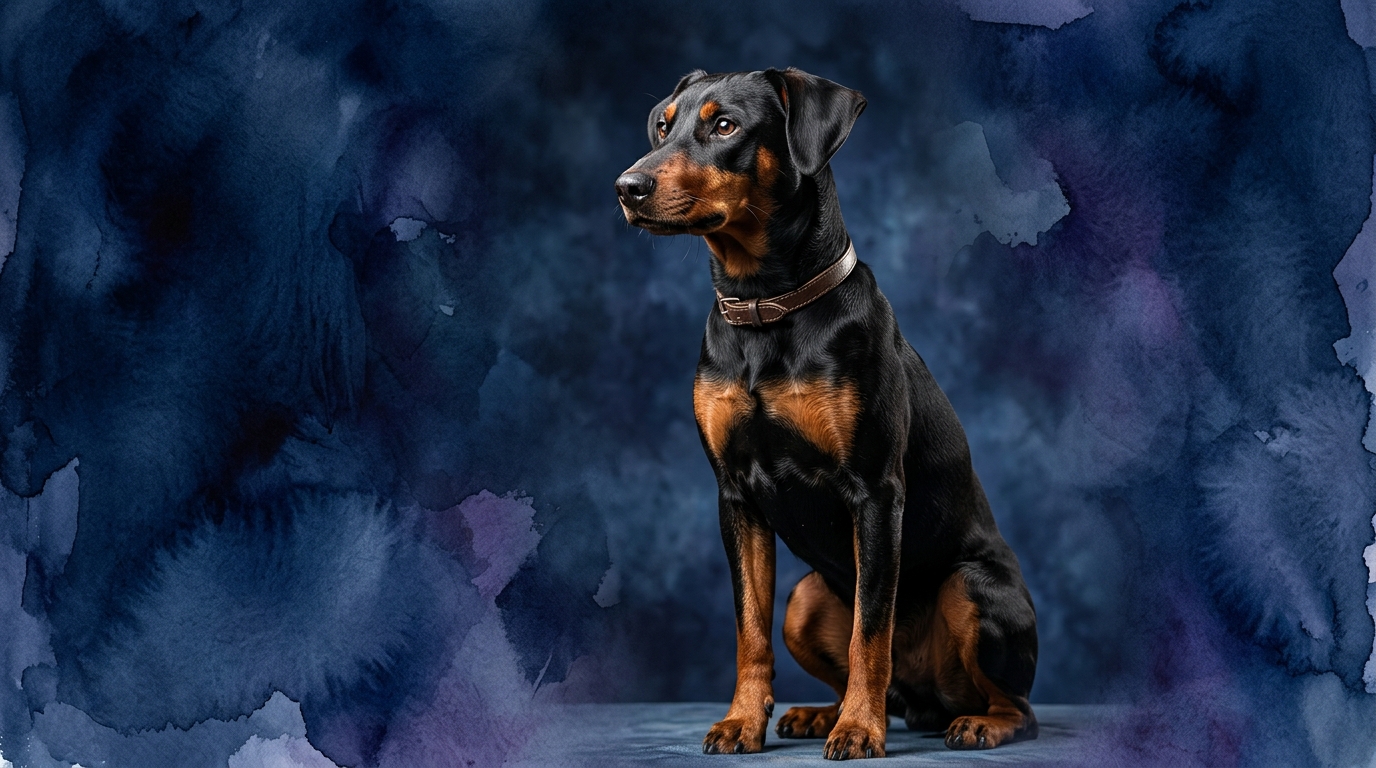
Side-by-Side Cognitive Profile
At The Cosmic Pet Pet IQ Lab, we assess canine intelligence across five critical dimensions, providing a comprehensive view of a breed's cognitive strengths. For both the Sealyham Terrier and the German Pinscher, each dimension scores a competent 3 out of 5, suggesting a solid, capable level of understanding and learning. However, the *application* and *expression* of these scores are deeply informed by their respective breed groups and historical roles.
**Problem Solving (3/5):** Both breeds demonstrate capable problem-solving skills, meaning they can learn from experience and adapt to moderately complex situations. A Sealyham Terrier's 3/5 in problem-solving often manifests as tenacious, independent thought, particularly when faced with challenges related to their original purpose, such as navigating complex terrain or figuring out how to access a hidden object. Their approach is often self-directed and persistent, reflecting their terrier independence. The German Pinscher, also at 3/5, typically applies its problem-solving to practical, purposeful scenarios, such as assessing a situation for potential threats or devising a strategy to achieve a specific goal like opening a gate or alerting their handler. Their intelligence is often geared towards observation and utility.
**Training Speed (3/5):** A 3/5 in training speed indicates that both breeds respond well to consistent training and can acquire new commands at a moderate pace. For the Sealyham, this learning speed is often intertwined with their strong will; they absorb information effectively but require engaging, varied methods that appeal to their independent spirit. Monotonous repetition might lead to disinterest, necessitating a creative approach from their trainer. The German Pinscher's 3/5 training speed is often supported by their inherent desire for structure and a 'job.' They are generally responsive to clear, consistent instruction and can quickly grasp new tasks, though their assertive nature means they thrive under a confident and fair leader who maintains their respect and engagement.
**Social Intelligence (3/5):** Both breeds score 3/5 in social intelligence, meaning they competently understand social cues, form bonds, and navigate interactions with their human families and familiar animals. The Sealyham Terrier's social intelligence allows them to form deep, affectionate bonds with their chosen people, often showing a discerning nature with strangers. They observe social dynamics keenly, deciding when and how to engage. The German Pinscher's 3/5 in social intelligence contributes to their role as a vigilant companion; they are highly perceptive of their environment and family routines, often anticipating needs or reacting to shifts in atmosphere. While devoted to their family, they can be reserved or wary with new people, assessing social situations with an alert and protective mindset.
**Instinctive Drive (3/5):** With a 3/5 in instinctive drive, both breeds possess moderate levels of innate behaviors tied to their original functions. The Sealyham Terrier's drive is distinctly terrier: a strong prey drive, an inherent desire to dig, and a tenacious pursuit of perceived quarry are central to their being. This requires appropriate outlets to prevent undesirable behaviors. The German Pinscher's 3/5 instinctive drive is oriented towards guarding, vigilance, and active engagement. This manifests as a natural inclination to monitor their surroundings, protect their home and family, and participate robustly in daily activities, often with a robust physical component.
**Memory (3/5):** Both breeds possess a capable memory at 3/5, allowing them to retain learned commands, routines, and experiences. A Sealyham's memory supports their independent problem-solving, enabling them to recall successful strategies in their self-directed explorations and learn from past encounters. The German Pinscher's 3/5 memory is strong for routines, boundaries, and previous interactions, which reinforces their role as a reliable, vigilant companion and makes consistent training highly effective over time.
Where the Sealyham Terrier Wins Cognitively
Despite identical scores, the Sealyham Terrier's cognitive style offers distinct advantages in specific contexts. Their 3/5 problem-solving often shines in tasks requiring sustained, individual effort and ingenuity, such as deciphering complex scent trails or manipulating objects to achieve a goal without direct human intervention. This breed demonstrates a singular focus and tenacity that allows them to 'tunnel' through mental obstacles, persisting where other breeds might give up. Their independent thought process allows them to devise unique solutions, making them particularly adept at overcoming challenges that reward creativity and self-reliance.
Furthermore, their social intelligence, while not always overtly demonstrative, grants them a nuanced ability to accurately assess situations and individuals from a distance. They possess a keen discernment, deciding when to engage and when to observe, which is a subtle yet powerful cognitive strength. This allows them to navigate social environments with a quiet confidence and a well-calibrated sense of their surroundings.
Where the German Pinscher Wins Cognitively
The German Pinscher's cognitive strengths, while also rated at 3/5, lean towards a different set of advantages. Their social intelligence, combined with their instinctive drive, makes them exceptionally attuned to their human companions' needs and intentions. They often anticipate commands or react swiftly and appropriately to changes in their environment, showcasing a perceptive awareness that is a significant cognitive asset in a working partnership. This attentiveness translates to a dog that is often 'one step ahead' in understanding household dynamics and owner expectations.
Their problem-solving at 3/5 often excels in practical scenarios demanding quick assessment and decisive action. For example, they are adept at identifying a novel sound, discerning a stranger approaching their territory, or understanding complex routines. This breed demonstrates a strong ability to connect observations to potential consequences, making them highly effective at their historical roles of guarding and vigilance. Their cognitive processing is geared towards efficiency and protective action.
Which is Easier to Train and Why
While both breeds share a 3/5 training speed, the *approach* required for effective training differs significantly due to their underlying temperaments and drives. Training a Sealyham Terrier effectively involves leveraging their independent spirit and strong will. They respond best to positive reinforcement, short, engaging sessions, and tasks that feel like a game or a puzzle they've 'solved' themselves. Their innate terrier drive means a trainer must be creative and persistent in maintaining their motivation, often competing with their natural inclination for scent-driven exploration or self-directed activities. Success comes from making training more rewarding than their independent pursuits.
The German Pinscher, conversely, often finds joy and purpose in structured training. Their 3/5 training speed is complemented by a desire to please their handler and a need for clear boundaries. They thrive on consistent commands and enjoy having a 'job' to do, viewing training as a partnership and an outlet for their energy. While they possess a strong will, their social intelligence and working drive mean they are generally more overtly eager to participate in formal training sessions, provided the handler is confident, fair, and provides consistent leadership. They often learn quickly in a structured environment where expectations are clear.
Which Suits Active Owners vs. Relaxed Owners
The distinction between these two breeds becomes clearer when considering owner lifestyle. The Sealyham Terrier, while not requiring marathon runs, needs consistent mental engagement and appropriate outlets for their instinctive drives. A 'relaxed' owner who doesn't provide structured play, engaging training, or opportunities for appropriate digging or exploring might find their Sealyham creating their own (potentially undesirable) activities out of boredom or unmet instinctual needs. They suit owners who appreciate a dog with independent thought, enjoy creative enrichment, and are willing to provide consistent mental stimulation, understanding that physical activity alone isn't enough.
The German Pinscher generally requires more vigorous physical exercise and substantial mental stimulation. Their 3/5 instinctive drive for vigilance and activity means they thrive with owners who enjoy active outdoor pursuits, dog sports, or who can provide a consistent 'job' or routine that engages their working capabilities. A truly relaxed owner who prefers minimal dog interaction and a quiet, sedentary lifestyle might find a German Pinscher's energy, alertness, and need for purpose overwhelming. They are best suited for active individuals or families who can integrate their dog into a dynamic lifestyle.
The Verdict
Choose the Sealyham Terrier if you appreciate an independent, tenacious companion who excels at self-directed problem-solving and can be a calm presence once their mental and instinctive needs are met. They suit owners who enjoy creative training and value a dog with a discerning social nature.
Choose the German Pinscher if you seek a vigilant, active partner who thrives on structured training, physical challenge, and a clear role within the family. They are ideal for owners who can provide consistent engagement and appreciate a perceptive, purposeful companion.
🧠 Find Your Pet's IQ Score
Our Pet IQ Lab assessment covers 25+ tests across 5 cognitive dimensions — personalized to your breed.
Take the Full IQ Test →Frequently Asked Questions
Are Sealyham Terriers good apartment dogs?
A Sealyham Terrier can adapt to apartment living if their cognitive and physical needs are consistently met, including regular walks, engaging mental games, and appropriate outlets for their digging instincts. Their moderate energy level means they can be content indoors after receiving sufficient activity and mental stimulation.
Do German Pinschers get along with other pets?
German Pinschers can coexist with other pets, especially if socialized from a young age or raised together, but their strong prey drive and guarding instincts mean careful introductions and consistent supervision are crucial, particularly with smaller animals. Their social intelligence helps them navigate established household dynamics, but vigilance is key.
How much exercise does a Sealyham Terrier need daily?
A Sealyham Terrier benefits from 30-60 minutes of daily exercise, including walks and engaging play sessions that stimulate their mind and allow them to explore scents and solve small puzzles. Mental enrichment through training and interactive toys is as important as physical exertion for this breed to remain balanced and content.