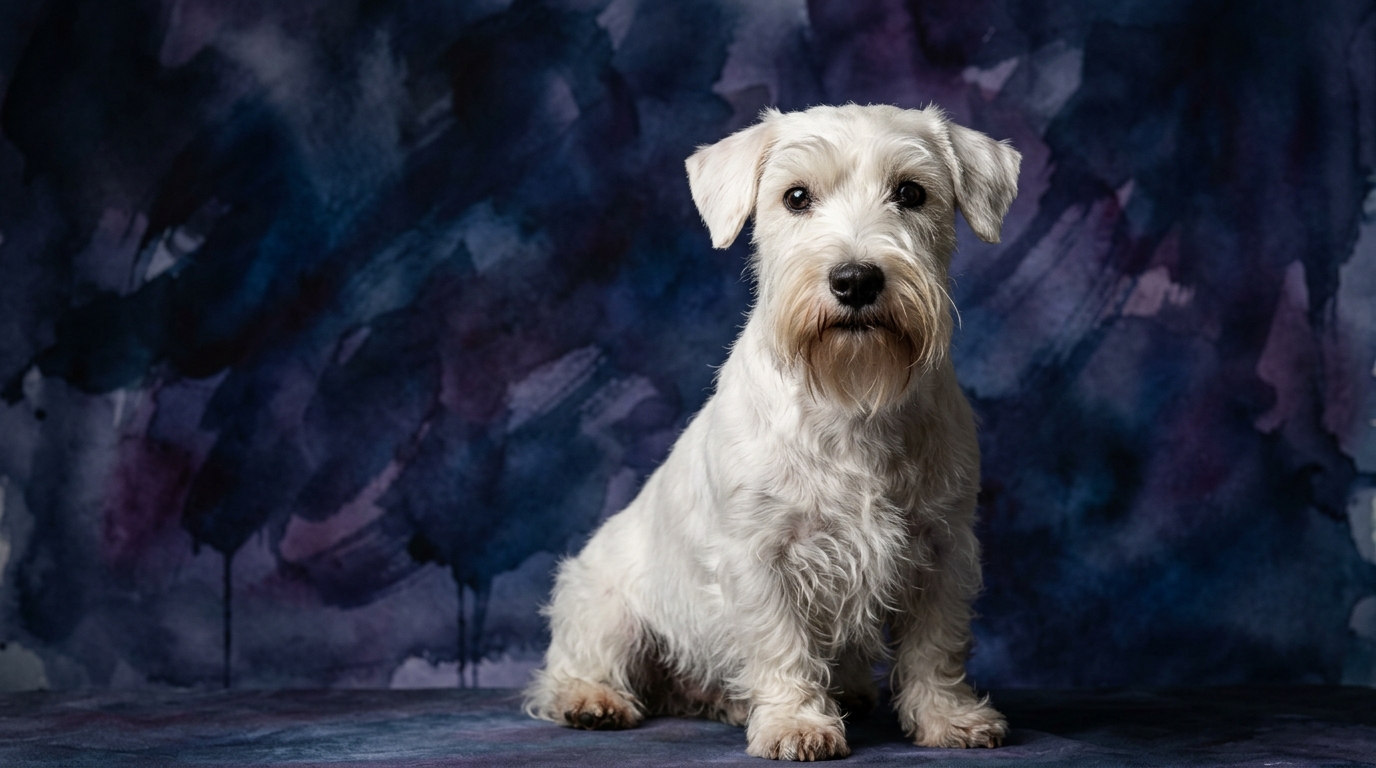
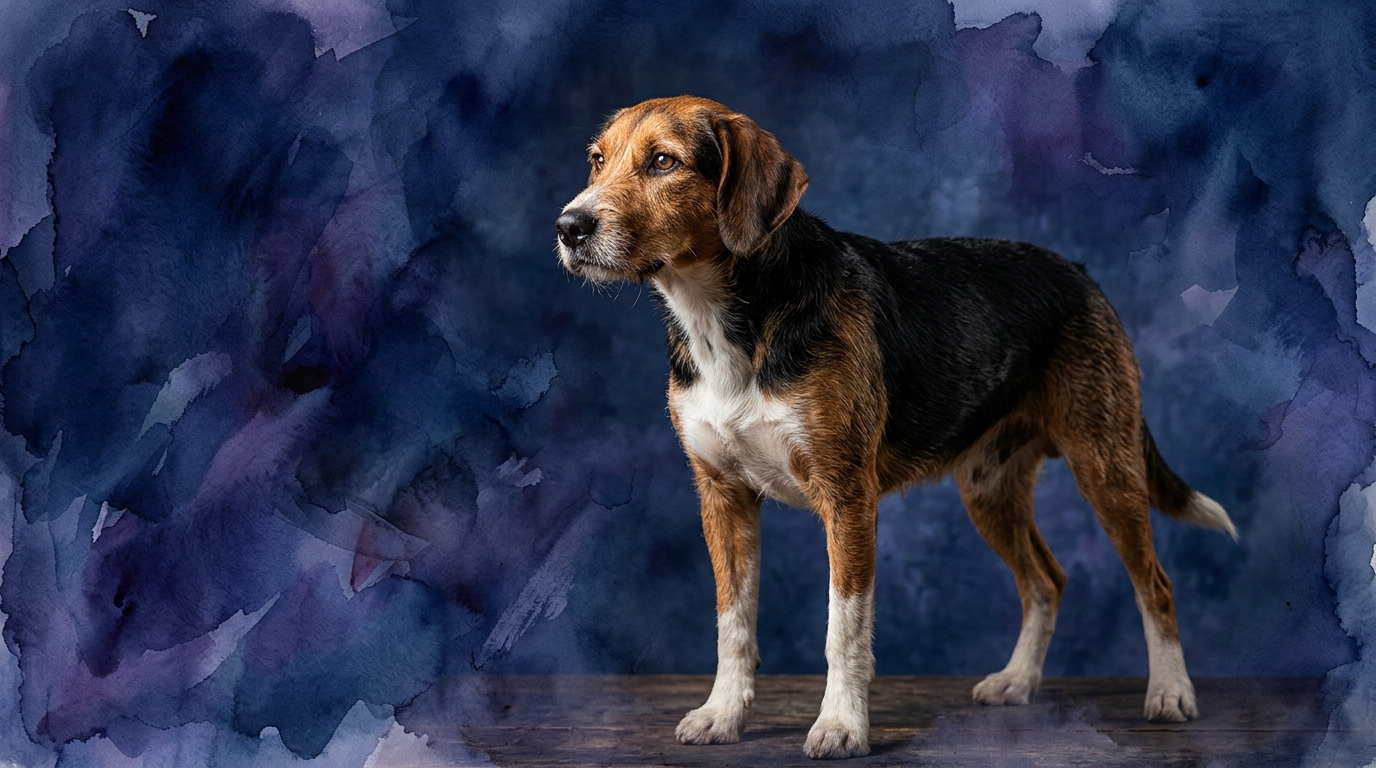
Side-by-Side IQ Profile: Unpacking Identical Scores
At The Cosmic Pet Pet IQ Lab, we evaluate canine intelligence across five key dimensions. For both the Sealyham Terrier and the Harrier, each of these dimensions registers a score of 3 out of 5, indicating a solid, functional intelligence that is neither exceptionally high nor particularly low. However, the *nature* of this '3' differs significantly between these two breeds, reflecting their divergent evolutionary paths and primary functions.
For the **Sealyham Terrier**, a 3/5 in **Problem Solving** speaks to their independent thinking and resourcefulness, particularly when focused on their own objectives. This often involves figuring out how to access desired areas, outwit small prey, or manipulate their environment. Their problem-solving is practical and often self-serving, driven by a tenacious terrier spirit. A 3/5 in **Training Speed** means they can grasp new commands, but their strong will and independent streak necessitate engaging, consistent, and reward-based methods to secure compliance. They learn, but they also evaluate if what you're asking aligns with their interests. Their **Social Intelligence** at 3/5 reflects an ability to read cues from their human companions and other dogs, yet they can be assertive and require clear communication of boundaries to navigate social situations smoothly. A 3/5 **Instinctive Drive** is strongly rooted in their historical role as vermin hunters; this manifests as a persistent drive to dig, bark, and pursue small, moving objects. Finally, their **Memory** at 3/5 allows them to recall routines, commands, and successful strategies for achieving their aims, whether it's finding a hidden treat or remembering a particular route during a walk.
The **Harrier**, a scent hound, also scores 3/5 across the board, but these scores tell a different story. Their **Problem Solving** at 3/5 is intricately linked to their incredible olfactory capabilities. They excel at deciphering complex scent trails, navigating challenging terrain, and persisting through obstacles to follow a lead. This isn't about outsmarting a human with a puzzle toy, but rather about methodically solving a sensory mystery. A 3/5 in **Training Speed** indicates they are capable learners, but their primary focus is often external – specifically, the rich world of scents. This means training requires immense patience, high-value rewards, and a consistent effort to compete with their natural inclination to follow their nose. Their **Social Intelligence** at 3/5 reflects their pack-oriented nature; they are generally amiable with other dogs and people, understanding group dynamics, but can become singularly focused on a scent, making them temporarily oblivious to social cues. The **Instinctive Drive** at 3/5 is overwhelmingly dominated by their powerful nose and stamina for long hunts, leading to a profound desire to track and bay. Their **Memory** at 3/5 is exceptional for recalling scent patterns, hunting routes, and the whereabouts of pack members, though immediate scent information can often override previously learned commands.
Where Sealyham Terrier Wins Cognitively
The Sealyham Terrier's cognitive strengths shine in their self-directed problem-solving, particularly in domestic settings. Their 3/5 in problem-solving manifests as a resourceful ability to figure out how to open a gate, unearth a buried treasure in the garden, or navigate obstacles to reach a desired toy. This isn't just about raw processing power, but a tenacious, independent application of their intellect. They often demonstrate a keen understanding of cause and effect in their immediate environment, making them adept at manipulating situations to their advantage, sometimes to the exasperation of their owners. This assertive, practical intelligence makes them engaging companions for those who appreciate a dog with a strong, independent mind. They can adapt their strategies based on past experiences, demonstrating a flexible approach to challenges that is characteristic of many terrier breeds.
Where Harrier Wins Cognitively
The Harrier's cognitive prowess is unparalleled in tasks requiring sustained focus on olfactory information and endurance in pursuit. Their 3/5 in problem-solving translates into an extraordinary ability to follow and interpret complex scent trails, even those that are old, faint, or broken. This isn't just about detecting a smell, but about constructing a 'cognitive map' based on minute scent particles, navigating diverse terrains, and filtering out distractions. Their memory for scent patterns and hunting routes is exceptional, allowing them to return to a previous trail or recognize familiar territory purely by smell. This specialized intelligence, honed over centuries for cooperative hunting, makes them superb at scent work, tracking, and activities that leverage their profound connection to the world of odors. Their persistent, unwavering focus on a scent target is a testament to their unique cognitive architecture.
Which is Easier to Train and Why
When considering ease of training, neither the Sealyham Terrier nor the Harrier presents an 'easy' path, but their challenges stem from different sources. The Sealyham Terrier's 3/5 in training speed indicates they can learn quickly, but their independent nature and strong will mean they often weigh whether a command is worth their effort. Training a Sealyham requires consistency, creativity, and making the training highly rewarding and engaging to overcome their inherent stubbornness and redirect their strong prey drive. They respond best to an owner who can establish clear leadership through positive reinforcement and varied exercises, preventing boredom and asserting boundaries.
The Harrier's 3/5 in training speed, while numerically identical, presents a different hurdle: their overwhelming instinctive drive to follow scent. While capable of learning, their attention is profoundly external. During a training session, a faint scent can instantly capture their entire focus, making it difficult to maintain their attention on the handler. Training a Harrier demands immense patience, unwavering consistency, and highly motivating rewards that can compete with the allure of a captivating odor. Recall, in particular, can be a significant challenge for Harriers, as their nose will often dictate their path over a verbal command. Therefore, for general obedience in a typical home environment, a Sealyham Terrier might be *marginally* more responsive to direct instruction if the owner is skilled at capturing their attention, whereas a Harrier's training is a constant negotiation with its primary instinct.
Which Suits Active Owners vs. Relaxed Owners
The **Sealyham Terrier**, despite its compact size, is not a sedentary companion. Their 3/5 instinctive drive and problem-solving capabilities demand regular mental engagement and moderate physical activity. They thrive with owners who enjoy interactive play, puzzle toys, and consistent, varied walks that offer opportunities for exploration and 'terrier work' (like digging in a designated area or scent games). While they can adapt to apartment living, they require a committed owner who can provide structured activity and mental challenges to prevent boredom and undesirable behaviors. They suit owners who are active in an interactive, mentally stimulating way, rather than purely high-endurance activities.
The **Harrier**, on the other hand, is unequivocally suited for active owners. Their 3/5 instinctive drive, coupled with their stamina and need for scent work, means they require substantial daily exercise. Long, vigorous walks, runs, or hikes are essential, ideally in varied environments where they can engage their formidable nose. Owners who are passionate about outdoor activities, such as trail running, hiking, or participating in canine sports like tracking or nose work, will find a Harrier to be a fulfilling companion. A relaxed owner who cannot provide ample physical and mental exertion will likely find a Harrier to be restless, vocal, and prone to destructive behaviors born of boredom and unfulfilled instincts. Their high energy and profound scent drive make them unsuitable for a low-activity lifestyle.
The Verdict
Choose the Sealyham Terrier if you seek a resilient, characterful companion who thrives on mental engagement, appreciates a strong personality, and will engage with consistent, creative training.
Opt for the Harrier if you are an active, patient owner passionate about outdoor activities, scent work, and can provide abundant physical and mental exercise for a dog driven by an exceptional nose.
🧠 Find Your Pet's IQ Score
Our Pet IQ Lab assessment covers 25+ tests across 5 cognitive dimensions — personalized to your breed.
Take the Full IQ Test →Frequently Asked Questions
Do identical IQ scores mean Sealyham Terriers and Harriers have the same capabilities?
No, identical scores of 3/5 across the board indicate a similar *level* of functional intelligence, but the *way* that intelligence manifests differs greatly. A Sealyham's problem-solving is often independent and manipulative, while a Harrier's is scent-driven and persistent.
Which breed is better for first-time dog owners?
Neither breed is typically recommended for first-time dog owners due to their strong personalities and specific needs. Both require consistent training and management of their inherent drives, which can be challenging for inexperienced handlers.
Can a Sealyham Terrier participate in scent work like a Harrier?
While a Sealyham Terrier possesses a good nose and instinctive drive (3/5), a Harrier's scenting ability and drive (also 3/5 but specialized) are profoundly superior for dedicated scent work. A Sealyham can enjoy scent games, but a Harrier is built for it.