
Side-by-Side IQ Profile
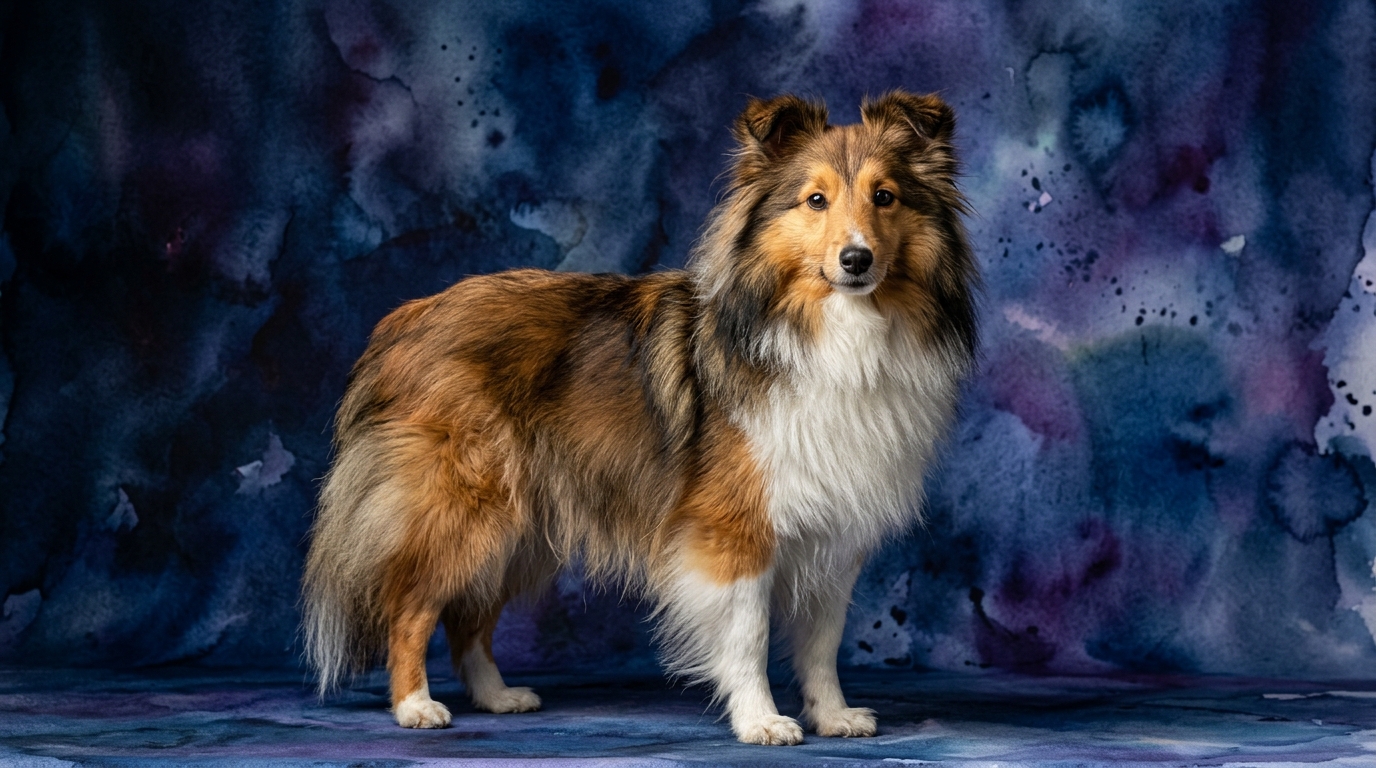
Ranked #6 by Coren, the Shetland Sheepdog exhibits a remarkable aptitude for learning and executing complex tasks. Its problem-solving ability scores a strong 4/5, reflecting its capacity to navigate dynamic herding scenarios and adapt to new commands. Training speed is an exceptional 5/5, indicating an eagerness and quickness to grasp new instructions. Social intelligence, at 4/5, highlights their attunement to human cues and a desire for cooperative interaction. Their instinctive drive, rated 5/5, is powerfully geared towards herding, displaying an innate understanding of flock management and control. Memory, also a perfect 5/5, underpins their ability to retain a vast repertoire of commands and experiences, crucial for consistent performance.
While not ranked by Coren, the Bluetick Coonhound's cognitive strengths are deeply rooted in its specialized hunting heritage. Its problem-solving score of 3/5 reflects a focused intelligence, primarily applied to tracking and deciphering complex scent trails rather than abstract puzzles. Training speed is rated 3/5, suggesting they learn at a moderate pace, often requiring more repetition due to their independent nature. Social intelligence, also 3/5, indicates a friendly but less overtly cooperative disposition compared to herding breeds, prioritizing their nose over human direction in certain contexts. Their instinctive drive, 3/5, is intensely directed towards scent work and trailing, making them persistent and single-minded when on a scent. Memory, at 3/5, is robust for recalling scent patterns and familiar territories but may not extend as readily to a broad range of obedience commands without consistent reinforcement.
Where Shetland Sheepdog Wins Cognitively
The Shetland Sheepdog's cognitive advantages are evident across nearly all measured dimensions, making it a standout performer in traditional obedience and agility. Their exceptional training speed (5/5) means they absorb new commands with remarkable alacrity, often anticipating the next instruction. This rapid learning, coupled with their high social intelligence (4/5), fosters a deep, responsive partnership with their handler, where communication is fluid and intuitive. Their problem-solving (4/5) isn't just about learning tricks; it’s about understanding sequences and making decisions in dynamic environments, a vestige of their herding duties. This cognitive flexibility allows them to excel in complex tasks, from navigating intricate agility courses to participating in canine freestyle. Furthermore, their perfect memory (5/5) ensures commands, routines, and boundaries are not easily forgotten, contributing to their consistent reliability. This combination of traits positions the Sheltie as a highly adaptable and eager student, consistently seeking to engage their intellect in cooperative activities.
Where Bluetick Coonhound Wins Cognitively
While the Bluetick Coonhound's overall IQ scores may appear lower, their cognitive strengths are profoundly specialized and optimized for their unique purpose: scent tracking. Their instinctive drive (3/5), though numerically lower, is an unparalleled engine of persistence and focus when engaging with a scent. This isn't just a physical drive; it's a sophisticated form of problem-solving (3/5) where they meticulously analyze and follow complex olfactory information through varied terrains and conditions, a task far beyond most breeds. Their memory (3/5) for scent patterns and environmental cues is exceptional, allowing them to recall and differentiate subtle odors over long distances and extended periods. The Bluetick's cognitive triumph lies in its unwavering dedication to a task initiated by its nose, demonstrating an incredible capacity for sustained, independent work. They don't win by being generalists; they win by being masters of a specific, highly demanding cognitive domain, showcasing a specialized intelligence that prioritizes sensory input and relentless pursuit.
Which is Easier to Train and Why
The Shetland Sheepdog unequivocally presents as the easier breed to train, largely due to its superior training speed (5/5) and high social intelligence (4/5). Shelties possess an innate desire to cooperate and please their human companions, making them highly receptive to instruction. They thrive on positive reinforcement and quickly associate commands with actions, often requiring fewer repetitions to master a new skill. Their attention is generally fixed on their handler, and they actively seek engagement, which simplifies the training process. In contrast, the Bluetick Coonhound, with its 3/5 training speed and social intelligence, requires a different approach. Their independent nature and overwhelming instinctive drive (3/5) for scent work mean that once a compelling odor is detected, their focus can shift entirely from their handler. Training a Bluetick demands immense patience, consistency, and an understanding of their deep-seated motivations, often requiring creative methods to make training more rewarding than the allure of a fresh trail. While they can learn, their priorities are distinct, making the journey longer and more challenging for the average owner seeking quick obedience.
Which Suits Active Owners vs Relaxed Owners
For owners seeking an active, mentally stimulating partnership, the Shetland Sheepdog is an ideal match. Their high instinctive drive (5/5) and problem-solving ability (4/5) mean they require consistent mental engagement beyond just physical exercise. Shelties excel in dog sports like agility, obedience, and herding trials, thriving on opportunities to use their quick wits and learn new skills. They need an owner who is prepared to provide daily training sessions, puzzle toys, and varied activities to prevent boredom and channel their considerable intellect constructively. A relaxed owner might find a Sheltie's constant need for engagement overwhelming. The Bluetick Coonhound also demands an active lifestyle, but their activity is distinctly different. Their high instinctive drive (3/5) for scent work means they need opportunities to use their nose, ideally through long walks or runs where they can explore scents, or participation in scent work and tracking sports. While they are physically robust, their mental stimulation comes less from complex obedience and more from engaging their primary sense. A relaxed owner might struggle with their endurance and vocal nature (baying) when under-exercised or under-stimulated, but an owner who enjoys long hikes and is willing to facilitate scent-based activities will find a devoted companion.
The Verdict
Opt for a Shetland Sheepdog if you desire a highly trainable, eager-to-please companion who thrives on cooperative learning, intricate mental challenges, and a close working partnership.
Select a Bluetick Coonhound if you are an active individual passionate about scent work, enjoy long outdoor excursions, and appreciate a dog with an independent spirit and relentless dedication to its natural instincts.
🧠 Find Your Pet's IQ Score
Our Pet IQ Lab assessment covers 25+ tests across 5 cognitive dimensions — personalized to your breed.
Take the Full IQ Test →Frequently Asked Questions
Does the Bluetick Coonhound's lower IQ score mean it's not smart?
No, the scores reflect different types of intelligence. The Bluetick Coonhound possesses a highly specialized cognitive ability focused on scent tracking and persistence, a complex form of problem-solving vital for its breed purpose, even if it doesn't translate to higher scores in general obedience or abstract tasks.
Are Shetland Sheepdogs prone to barking due to their intelligence?
Shetland Sheepdogs can be vocal, a trait linked to their herding heritage where barking was used to manage livestock. While not directly a measure of intelligence, their cognitive capacity means they are highly trainable to manage this vocal tendency with consistent training and sufficient mental stimulation.
Can a Bluetick Coonhound live happily in an apartment?
A Bluetick Coonhound can potentially adapt to apartment living if their significant exercise and mental stimulation needs are consistently met. This means daily long walks or runs, dedicated scent work, and opportunities to explore outdoors to satisfy their strong instinctive drive, preventing boredom and destructive behaviors.