Side-by-Side Cognitive Profiles: German Shepherd vs. Shetland Sheepdog
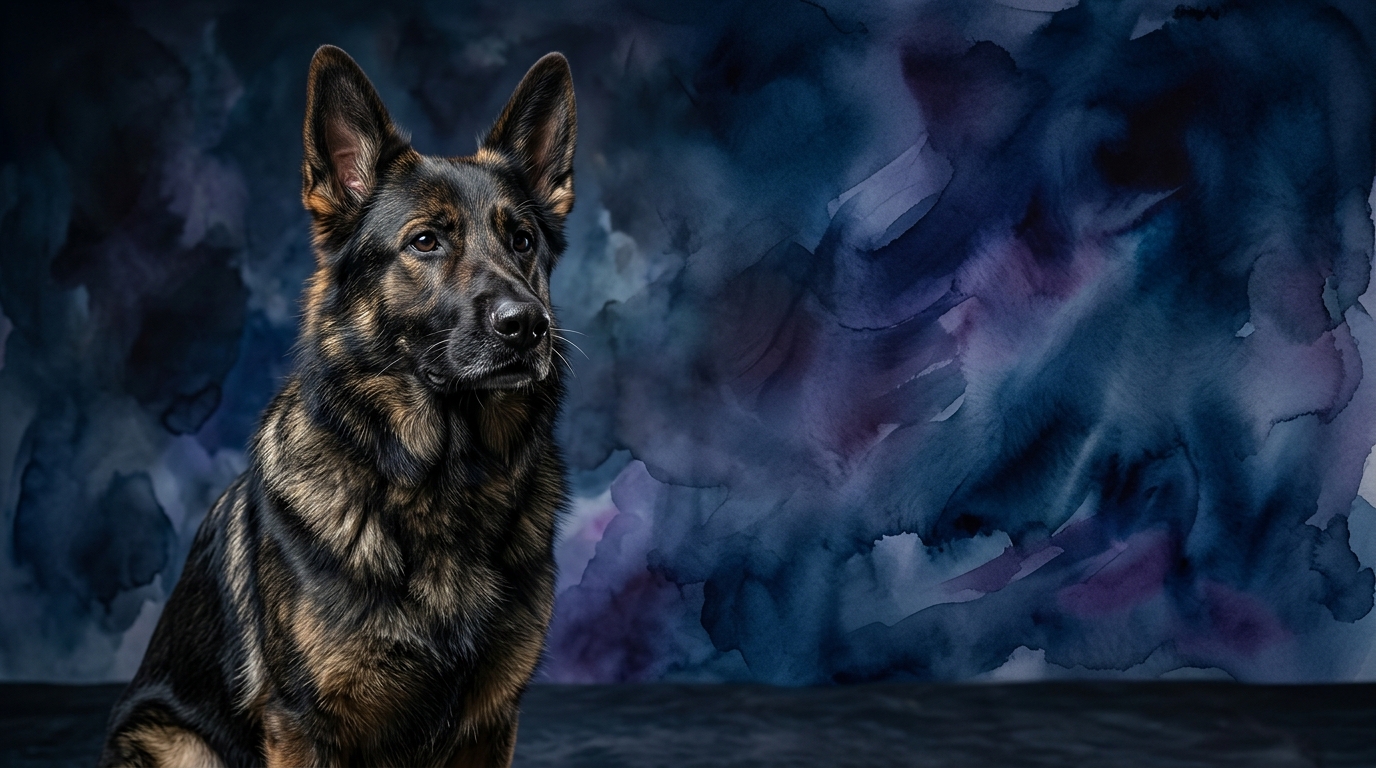
The Cosmic Pet IQ Lab assesses canine intelligence across five key dimensions, providing a granular view beyond simple rankings. The German Shepherd, a formidable presence, earns a Coren rank of #3, reflecting its broad cognitive prowess. Its profile boasts a perfect 5/5 in Problem Solving, Training Speed, Social Intelligence, Instinctive Drive, and Memory. This indicates a breed capable of profound understanding, rapid learning, nuanced social interaction, powerful innate motivations, and robust recall.
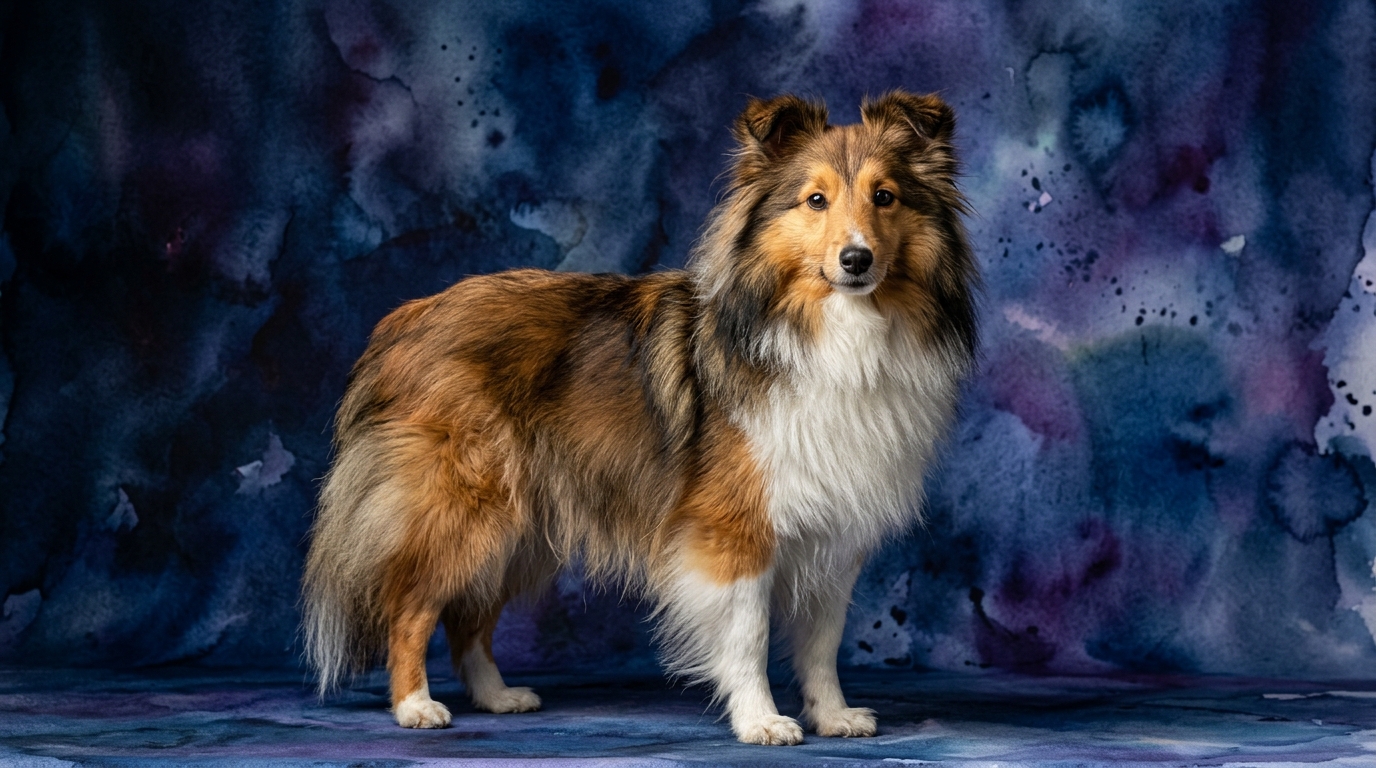
In contrast, the Shetland Sheepdog, while holding an impressive Coren rank of #6, presents a slightly different cognitive fingerprint. The Sheltie also achieves a stellar 5/5 in Training Speed, Instinctive Drive, and Memory, mirroring the GSD's capacity for quick learning, strong inherent purpose, and reliable recall. However, its scores in Problem Solving and Social Intelligence stand at 4/5. This suggests a slightly less expansive capacity for independent conceptualization and a more focused, perhaps less broadly adaptable, approach to interpreting complex human cues and novel situations compared to its larger counterpart.
German Shepherd's Cognitive Edge
The German Shepherd's advantage truly shines in its 5/5 Problem Solving and Social Intelligence. A 5/5 in Problem Solving signifies an exceptional ability to analyze new situations, devise novel solutions, and adapt learned behaviors to unfamiliar contexts. This is not merely about following commands, but about understanding the underlying goal and navigating obstacles creatively to achieve it, making them adept at tasks requiring independent thought, such as search and rescue or complex scent work where the path isn't predetermined.
Their perfect 5/5 in Social Intelligence further amplifies their cognitive superiority in intricate human-canine partnerships. This dimension reflects an unparalleled capacity to read subtle human body language, vocal inflections, and emotional states, allowing them to anticipate needs and respond with remarkable empathy and precision. This depth of social understanding enables the GSD to excel in roles demanding close collaboration, from service dog work to police duties, where discerning nuanced human signals is paramount for effective performance.
Shetland Sheepdog's Specialized Cognitive Strengths
While the German Shepherd boasts broader cognitive versatility, the Shetland Sheepdog's specific blend of strengths creates a distinct, specialized cognitive advantage. Their 5/5 Instinctive Drive, coupled with their agile physique and keen senses, makes them unparalleled in precision herding tasks, particularly with smaller, quicker livestock. Their cognitive strength here lies in the highly focused and efficient application of their innate herding patterns, demonstrating a masterful control and responsiveness that is deeply ingrained and expressed with exceptional clarity.
Furthermore, the Sheltie's perfect 5/5 in Training Speed and Memory, combined with a 4/5 Social Intelligence, cultivates a cognitive profile geared towards exceptional handler focus and consistency within established routines. While they might not independently solve problems with the same breadth as a GSD, their capacity for rapid learning and steadfast recall of specific sequences makes them outstanding in competitive obedience and agility. Here, their cognitive prowess is demonstrated through unwavering execution of complex, learned patterns, often with a keen sensitivity to their handler's specific cues, leading to a highly refined and predictable performance.
Training Dynamics: GSD vs. Sheltie
When considering ease of training, both breeds present a delightful challenge due to their 5/5 Training Speed and Memory. However, their differences in Problem Solving and Social Intelligence introduce subtle distinctions. The German Shepherd's 5/5 in both these areas means they often grasp the concept behind a command or task more quickly, requiring fewer repetitions to understand the 'why' and adapting readily to variations. They are adept at generalizing learned behaviors to new environments and responding to nuanced human direction, making them incredibly intuitive learners for complex, multi-step tasks.
The Shetland Sheepdog, with its 4/5 in Problem Solving and Social Intelligence, might initially require more structured and consistent repetition to fully internalize abstract concepts or less obvious human intentions. However, once a task or command is understood, their 5/5 Training Speed and Memory ensure that it is learned rapidly and retained robustly. Their desire to please and their strong handler bond, a manifestation of their social intelligence, makes them highly responsive to positive reinforcement, leading to impressive consistency in performance within established parameters, even if they might take slightly longer to independently troubleshoot novel scenarios.
Matching Breed to Lifestyle: Active vs. Engaged Owners
Neither the German Shepherd nor the Shetland Sheepdog are suitable for genuinely relaxed owners, as both possess a 5/5 Instinctive Drive rooted in their herding heritage. The German Shepherd, with its expansive cognitive profile, demands an owner capable of providing profound mental and physical engagement. This means more than just walks; it requires consistent training, problem-solving games, and often a dedicated 'job' or sport to channel their high problem-solving skills, social intelligence, and innate drive. They thrive with active individuals or families committed to intensive, varied activities and ongoing cognitive challenges.
The Shetland Sheepdog also requires an active owner, but their needs, while substantial, might manifest differently due to their smaller stature and slightly more focused cognitive strengths. They excel in activities like agility, rally obedience, and trick training, where their speed, memory, and precise responsiveness can truly shine. Owners should be prepared for daily exercise and consistent mental stimulation through training and play. While they might not require the same breadth of complex independent problem-solving as a GSD, they still need engaging outlets for their keen minds and tireless work ethic, making them ideal for owners who enjoy structured activities and a highly interactive companionship.
The Verdict
Choose the German Shepherd if you seek a highly versatile working companion capable of independent problem-solving and deep social understanding for complex tasks, protection, or service roles, and are prepared for intensive, multifaceted engagement.
Opt for the Shetland Sheepdog if you desire a nimble, highly trainable companion excelling in precision-based activities like agility and obedience, offering attentive companionship with a focused drive, and appreciate a slightly less broad but equally dedicated cognitive partner.
🧠 Find Your Pet's IQ Score
Our Pet IQ Lab assessment covers 25+ tests across 5 cognitive dimensions — personalized to your breed.
Take the Full IQ Test →Frequently Asked Questions
Are German Shepherds better family dogs due to their higher social intelligence?
The German Shepherd's 5/5 Social Intelligence means they excel at reading human cues and forming deep bonds, making them superb family members when properly socialized and trained. Their protective instincts are often an extension of this bond, but they require consistent guidance to ensure appropriate interactions with all family members and visitors.
Do Shetland Sheepdogs bark more because of their herding instincts?
Shetland Sheepdogs do possess a strong herding drive and can be prone to vocalization, including barking, as a natural part of their herding communication and alertness. While their instinctive drive is 5/5, proper training and management can channel this tendency, but owners should anticipate and be prepared to manage their communicative nature.
Can a Shetland Sheepdog perform protection work like a German Shepherd?
While Shelties are alert and will often bark to signal intruders, their smaller size and slightly lower problem-solving and social intelligence scores (4/5) mean they are not suited for the physically demanding and complex protection work that German Shepherds (5/5 in these areas) are bred and trained for. Their protective instincts manifest more as vigilance and warning than active defense.