
Side-by-Side Cognitive Profiles: Sheltie vs. Griffon
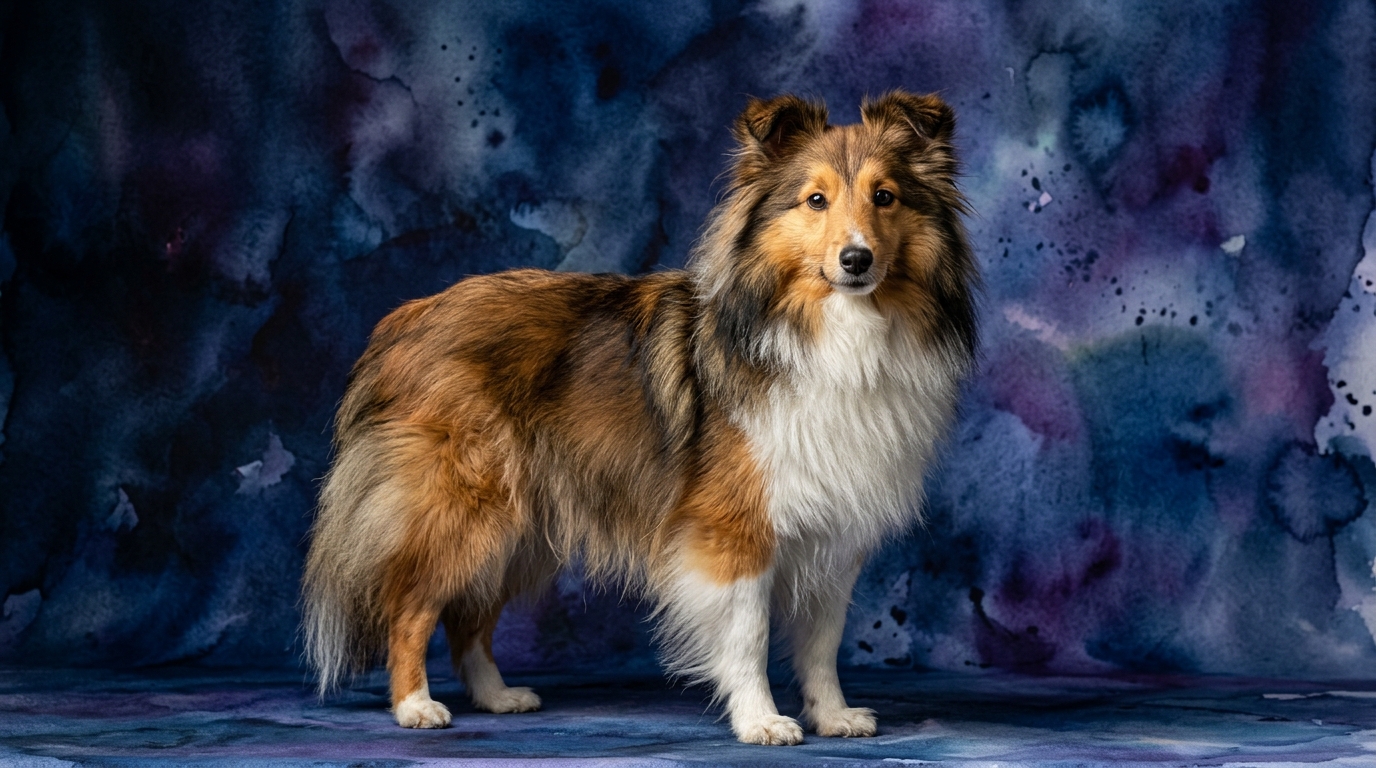
The Shetland Sheepdog, a breed ranked #6 by Coren for working intelligence, presents a cognitive profile finely tuned for complex tasks. Their Problem Solving is rated 4/5, indicative of their capacity to independently assess and react to dynamic situations, a trait honed by their herding heritage. Training Speed stands at a remarkable 5/5, meaning they absorb new commands and concepts with exceptional swiftness, often requiring minimal repetitions. Social Intelligence, at 4/5, highlights their adeptness at understanding handler cues and coordinating within a group, crucial for effective teamwork. An Instinctive Drive of 5/5 reflects their powerful, inherent urge to herd and perform, translating into focus and resilience. Finally, their Memory is a strong 5/5, allowing them to retain extensive numbers of commands and intricate routines over long periods, essential for consistent performance in demanding roles.
In contrast, the Brussels Griffon, a Toy breed, is not Coren-ranked, which is typical for breeds whose cognitive strengths are primarily centered around companionship rather than complex work. Their Problem Solving is 3/5, demonstrating an ability to navigate practical challenges related to their immediate environment or to achieve comfort and attention, such as finding the optimal lap-sitting position. Training Speed is 3/5; they learn at a moderate pace, benefiting from consistent, positive reinforcement, particularly for tasks not directly aligned with their personal desires or comfort. Social Intelligence is also 3/5, showcasing an intuitive understanding of human emotions and social dynamics within their small family unit, often seeking to provide comfort or engage playfully. Their Instinctive Drive, rated 3/5, is channeled into a strong desire for companionship, alerting their owners to novel sounds, and occasionally expressing a desire to chase small objects, but it lacks the intense working motivation of a herding breed. Memory is 3/5; they recall routines, favorite people, and pleasant experiences reliably, but may not retain complex multi-step commands with the same precision as a working breed.
Where the Shetland Sheepdog Excels Cognitively
The Shetland Sheepdog's cognitive architecture is fundamentally geared towards complex, dynamic work. Their 4/5 problem-solving ability manifests in their capacity to independently assess and react to changing situations, such as a scattering flock or an unexpected obstacle in an agility course. This isn't just rote memorization; it's a flexible application of learned principles to novel contexts. Their 5/5 training speed means they don't just learn quickly; they generalize concepts rapidly, applying a command learned in one context to a slightly different one without extensive re-teaching. The breed's 4/5 social intelligence extends beyond simple obedience; it involves a nuanced understanding of a handler's subtle body language and vocal inflections, allowing for seamless communication during intricate tasks. A Sheltie's 5/5 instinctive drive isn't merely enthusiasm; it's a deep-seated motivation to perform a function, which makes them incredibly focused and resilient when faced with challenges. Finally, their 5/5 memory allows them to recall extensive sequences of commands and previously successful strategies, making them reliable partners in competitive dog sports or advanced obedience, where precision over many steps is paramount.
Where the Brussels Griffon Excels Cognitively
While not built for herding or complex multi-stage tasks, the Brussels Griffon showcases distinct cognitive strengths rooted in their role as devoted companions. Their 3/5 problem-solving ability often shines in navigating social situations, figuring out how to gain attention or comfort from their human. This might involve selective hearing when an unwelcome command is given, or strategically positioning themselves for a cuddle. Their social intelligence, also rated 3/5, is particularly adept at reading human emotional states. A Griffon can often sense when their owner is upset or happy and respond with appropriate, comforting, or playful gestures, forging deep emotional bonds. This isn't about following complex commands, but about intuitive emotional attunement. Their memory, at 3/5, is excellent for remembering preferred routines, favorite people, and places associated with positive experiences, making them predictable and comforting presences. They may not recall a 10-step agility course, but they will certainly remember the exact time and location of their preferred nap spot or treat cupboard. Their instinctive drive, also 3/5, is channeled into alert barking and maintaining a watchful, if sometimes opinionated, presence in the home, a valuable trait for a small guardian.
Training Dynamics: Which is Easier to Guide?
When evaluating ease of training, the Shetland Sheepdog clearly has an advantage due to its inherent disposition and cognitive profile. Their 5/5 training speed means they grasp new commands with minimal repetition, often eager to perform. This rapid acquisition is coupled with a strong desire to please their handler and a deep-seated work ethic derived from their herding lineage. Shelties thrive on structure and find satisfaction in learning and executing tasks, making them highly responsive to positive reinforcement and clear guidance. Their focus is generally on the handler, reducing distractions during training sessions. In contrast, the Brussels Griffon, with a 3/5 training speed, requires a more patient and creative approach. While capable of learning, their motivation is less about pleasing a 'boss' and more about personal comfort or social interaction. They can possess an independent, sometimes stubborn streak, and may view training as less engaging than a cuddle or a nap. Success with a Griffon often hinges on making training feel like a fun game, utilizing high-value treats, and keeping sessions short and engaging to counteract their potential for disinterest. Their small stature and endearing personality can also inadvertently lead owners to be less consistent, as minor infractions might be overlooked.
Lifestyle Match: Active Engagement vs. Relaxed Companionship
The choice between a Shetland Sheepdog and a Brussels Griffon significantly depends on an owner's lifestyle and activity level. The Sheltie, a breed with a powerful 5/5 instinctive drive and high cognitive capacity, thrives with active engagement. They are best suited for owners who enjoy regular, extended walks, hiking, or running. Beyond physical exercise, Shelties require consistent mental stimulation; they excel in dog sports like agility, obedience, rally, and even herding trials, which tap into their problem-solving and memory strengths. An owner who can dedicate time to daily training, puzzle toys, and structured activities will find a Sheltie to be a fulfilling and responsive companion. Conversely, the Brussels Griffon is an ideal match for more relaxed owners. Their moderate 3/5 instinctive drive means their exercise needs are modest, typically satisfied with short daily strolls and indoor play. While they enjoy interaction, their primary fulfillment comes from close companionship and being involved in their human's daily life, often from a comfortable lap. They do not demand complex tasks or extensive outdoor adventures. Owners seeking a charming, devoted, and relatively low-maintenance companion for cozy evenings and quiet routines will find the Brussels Griffon a perfect fit.
The Verdict
Choose a Shetland Sheepdog if you seek a highly trainable, engaged partner for active pursuits and enjoy consistent mental and physical challenges. They thrive with owners who can provide structure, purpose, and opportunities for their keen intellect to shine.
Opt for a Brussels Griffon if your lifestyle is more relaxed and you desire a devoted, charming companion primarily for indoor life and close social interaction. They are best suited for owners who appreciate their unique personality and moderate activity requirements.
🧠 Find Your Pet's IQ Score
Our Pet IQ Lab assessment covers 25+ tests across 5 cognitive dimensions — personalized to your breed.
Take the Full IQ Test →Frequently Asked Questions
Do Brussels Griffons require mental stimulation despite lower work drive?
Absolutely. While they don't need complex tasks, Griffons benefit from interactive play, puzzle toys, and consistent social engagement with their owners. This keeps their social intelligence sharp and prevents boredom-related behaviors.
Can a Shetland Sheepdog live happily in an apartment?
A Sheltie can adapt to apartment living if their significant exercise and mental stimulation needs are consistently met. This means daily long walks, trips to a dog park, and regular training sessions to burn off energy and engage their keen mind.
Are Brussels Griffons good for first-time dog owners?
Yes, Brussels Griffons can be suitable for first-time owners due to their moderate exercise needs and strong desire for companionship. However, new owners should be prepared for their potentially stubborn training tendencies and need for consistent socialization.