Side-by-Side Cognitive Profiles
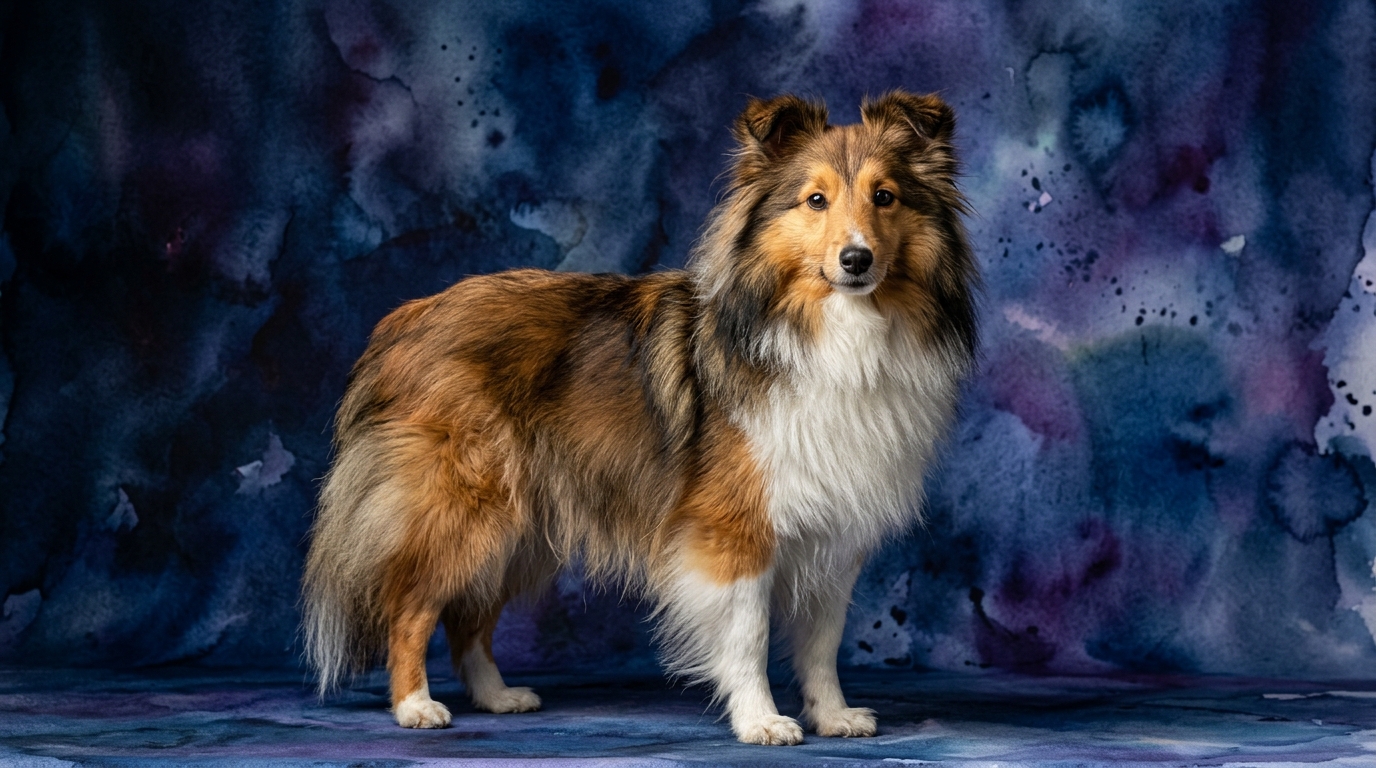
The Cosmic Pet Pet IQ Lab assesses canine intelligence across five critical dimensions. For the Shetland Sheepdog, or Sheltie, their Problem Solving is rated 4/5, indicating a strong capacity for figuring out complex tasks and employing sequential logic. Their Training Speed achieves a perfect 5/5, reflecting their remarkable alacrity in absorbing new commands and behaviors with minimal repetitions. Social Intelligence stands at 4/5, showcasing their nuanced understanding of human cues and emotional states, fostering deep companion bonds. An Instinctive Drive of 5/5 reveals a profoundly embedded herding instinct, translating into a focused energy for purpose. Lastly, their Memory is exceptional at 5/5, retaining learned commands and routines over extended periods, contributing to consistent performance.
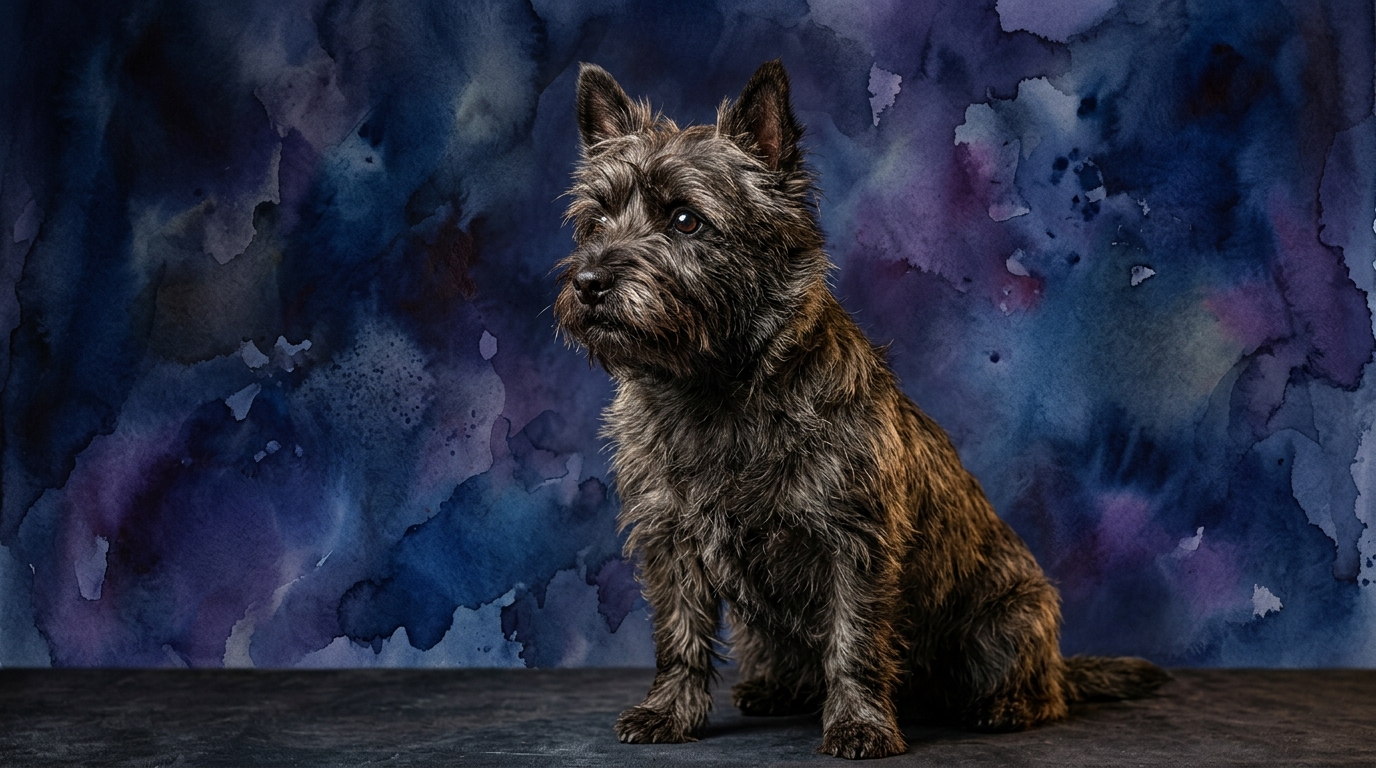
The Cairn Terrier, in contrast, presents a distinct profile. Their Problem Solving is also 4/5, but this manifests as a tenacious, independent spirit, often relying on trial and error to overcome barriers, a trait honed by their historical role of hunting small prey. Training Speed for a Cairn is 4/5; while quick to grasp concepts, their compliance can be more selective, requiring consistent motivation. Social Intelligence is rated 3/5, indicating they are affectionate but tend to be more self-reliant and less outwardly focused on subtle human emotional shifts. Their Instinctive Drive is 3/5, geared towards independent exploration, digging, and chasing rather than collaborative tasks. Finally, their Memory is 4/5, demonstrating good recall for routines and commands, though perhaps with less intricate detail retention than a Sheltie.
Where the Shetland Sheepdog Excels Cognitively
The Sheltie's cognitive strengths distinctly shine in areas demanding rapid assimilation of information and consistent application of learned behaviors. Their perfect 5/5 score in Training Speed and Memory is a testament to their capacity for absorbing and retaining complex sequences of commands, making them exceptional candidates for advanced obedience, agility, and dog sports. This rapid learning, coupled with a high Social Intelligence (4/5), means a Sheltie often anticipates an owner's next move or emotional state, fostering a deeply cooperative partnership. Their Instinctive Drive (5/5) isn't just about herding; it translates into a profound desire for structured activity and a sense of purpose, driving them to engage fully in tasks. For instance, a Sheltie can quickly learn a 10-step agility course after just a few repetitions and execute it flawlessly weeks later, demonstrating superior memory and processing speed for sequential tasks. This contrasts with breeds that might grasp concepts but struggle with the precision and recall needed for sustained, intricate performance.
Where the Cairn Terrier Excels Cognitively
While the Sheltie excels in cooperative learning, the Cairn Terrier's cognitive advantages lie in their independent problem-solving and adaptive resilience, both rated 4/5. Their ancestral role of independently flushing out vermin in challenging environments instilled a tenacious, self-reliant approach to obstacles. A Cairn often displays remarkable ingenuity when faced with a barrier, not waiting for instruction but rather experimenting with various strategies until a solution is found, whether it's burrowing under a fence or figuring out a complex puzzle toy. This isn't about rapid obedience but about persistent, creative exploration. Their Instinctive Drive (3/5) is less about following a leader and more about exploring, digging, and chasing, which fuels their persistent problem-solving efforts in their environment. This autonomous thinking means they can be remarkably resourceful when left to their own devices, finding ways to entertain themselves or overcome perceived limitations through sheer determination. They might not learn a complex routine as fast as a Sheltie, but they are more likely to independently devise a novel solution to an unforeseen challenge.
Which is Easier to Train and Why
The Shetland Sheepdog generally presents as the easier breed to train, primarily due to their stellar 5/5 Training Speed and 4/5 Social Intelligence. Shelties possess an innate desire to understand and comply with human directives, often showing a keen focus and responsiveness during training sessions. Their strong memory (5/5) means that once a command is learned, it's rarely forgotten, contributing to consistent performance. For example, a Sheltie will likely pick up "stay" in fewer sessions and maintain a longer duration than a Cairn. Their herding instinct also translates into a natural inclination to work with a handler, viewing training as a collaborative activity. In contrast, the Cairn Terrier, while possessing good Problem Solving (4/5) and Memory (4/5), has a slightly lower Training Speed (4/5) and Social Intelligence (3/5). Cairns are intelligent but their terrier independence means they often require more creative, engaging, and consistent motivation. They might understand a command but choose not to execute it if a more interesting scent or activity presents itself. Training a Cairn often involves making the task more rewarding than their independent impulses, whereas a Sheltie's reward is often the act of working with their person.
Which Suits Active Owners vs. Relaxed Owners
For the highly active owner seeking a canine partner for sports, advanced training, or consistent outdoor adventures, the Shetland Sheepdog is a natural fit. Their high Instinctive Drive (5/5) for purpose and movement, combined with exceptional Training Speed (5/5) and Memory (5/5), means they thrive on structured activities like agility, obedience, flyball, or even hiking long distances. Shelties require significant mental and physical engagement to prevent boredom and channel their abundant energy productively. A relaxed owner, however, might find a Sheltie's constant need for engagement overwhelming, potentially leading to undesirable behaviors like excessive barking or "herding" family members. The Cairn Terrier, with its lower Instinctive Drive (3/5) but still significant Problem Solving (4/5), suits owners who appreciate a dog with independent spirit and a moderate activity level. Cairns enjoy walks, playtime, and exploring, but their energy is often expressed in bursts rather than sustained, focused work. They are content with a good daily walk, some interactive playtime, and puzzle toys, rather than demanding constant, high-intensity engagement. A relaxed owner who enjoys clever, independent companionship without the pressure of constant training demands might find a Cairn more aligned with their lifestyle.
The Verdict
Opt for a Shetland Sheepdog if you desire a highly cooperative, rapidly trainable companion for advanced dog sports, intricate obedience, or a deeply engaged partnership that thrives on consistent mental and physical challenges. Their exceptional memory and eagerness to please make them ideal for owners committed to structured activities and a close working relationship.
Select a Cairn Terrier if you value an independent, persistent problem-solver with a tenacious spirit and moderate exercise needs, suited for an owner who appreciates a clever companion that can entertain itself and requires engaging, consistent, but not necessarily high-intensity, training.
🧠 Find Your Pet's IQ Score
Our Pet IQ Lab assessment covers 25+ tests across 5 cognitive dimensions — personalized to your breed.
Take the Full IQ Test →Frequently Asked Questions
Are Shetland Sheepdogs prone to barking?
Yes, Shelties often use barking as a communication tool, a remnant of their herding instincts to gather and alert. While trainable, owners should expect and manage this vocal tendency through consistent training and providing ample mental stimulation to prevent boredom-induced barking.
Do Cairn Terriers get along with other pets?
Cairn Terriers can coexist with other pets, especially if socialized from a young age, but their strong prey drive (Instinctive Drive 3/5) means smaller animals like hamsters or birds might trigger their hunting instincts. Supervision and careful introductions are crucial for a harmonious multi-pet household.
What kind of mental stimulation do these breeds need daily?
Shetland Sheepdogs require daily mental challenges like puzzle toys, learning new tricks, or practicing obedience routines for at least 30-60 minutes to satisfy their high cognitive drive. Cairn Terriers also benefit from mental engagement through scent games, exploring new environments on walks, or interactive toys for 20-30 minutes, which caters to their independent problem-solving nature.