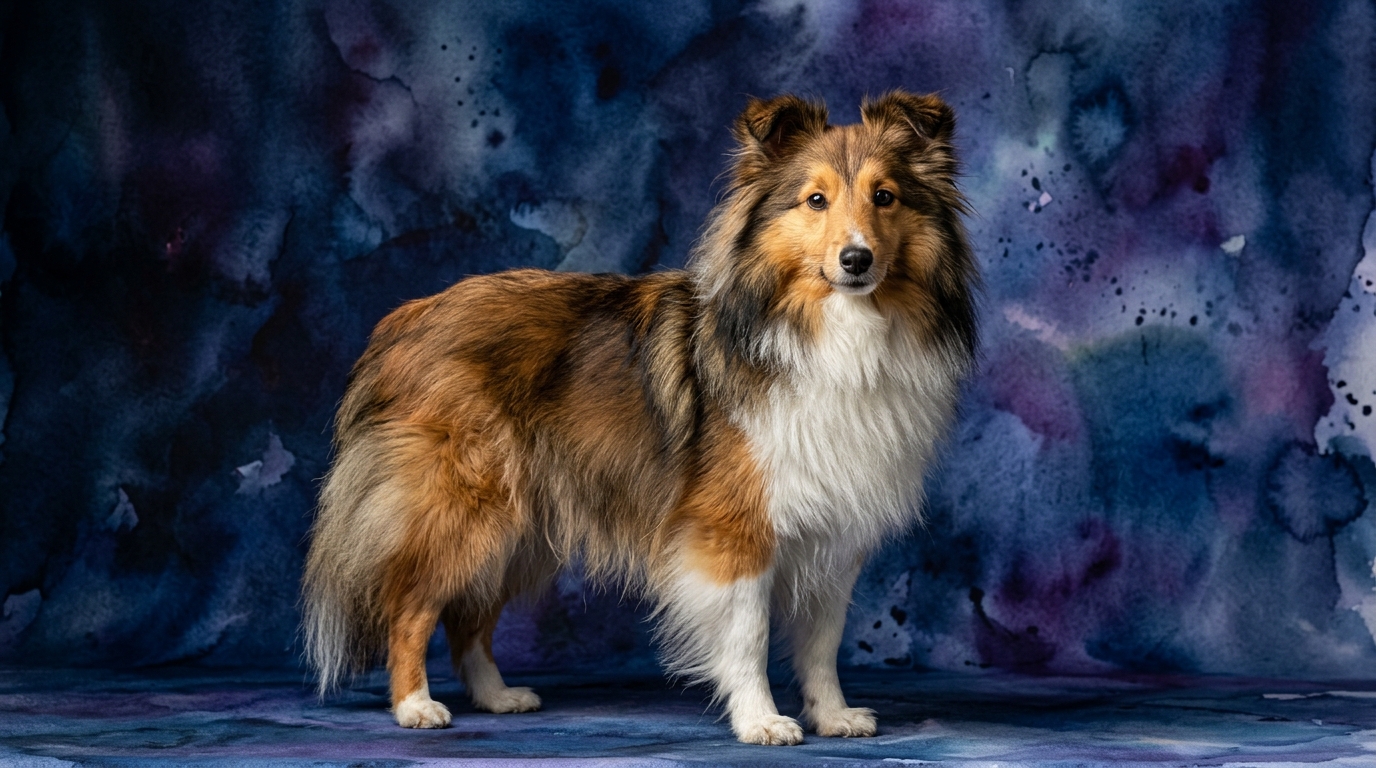
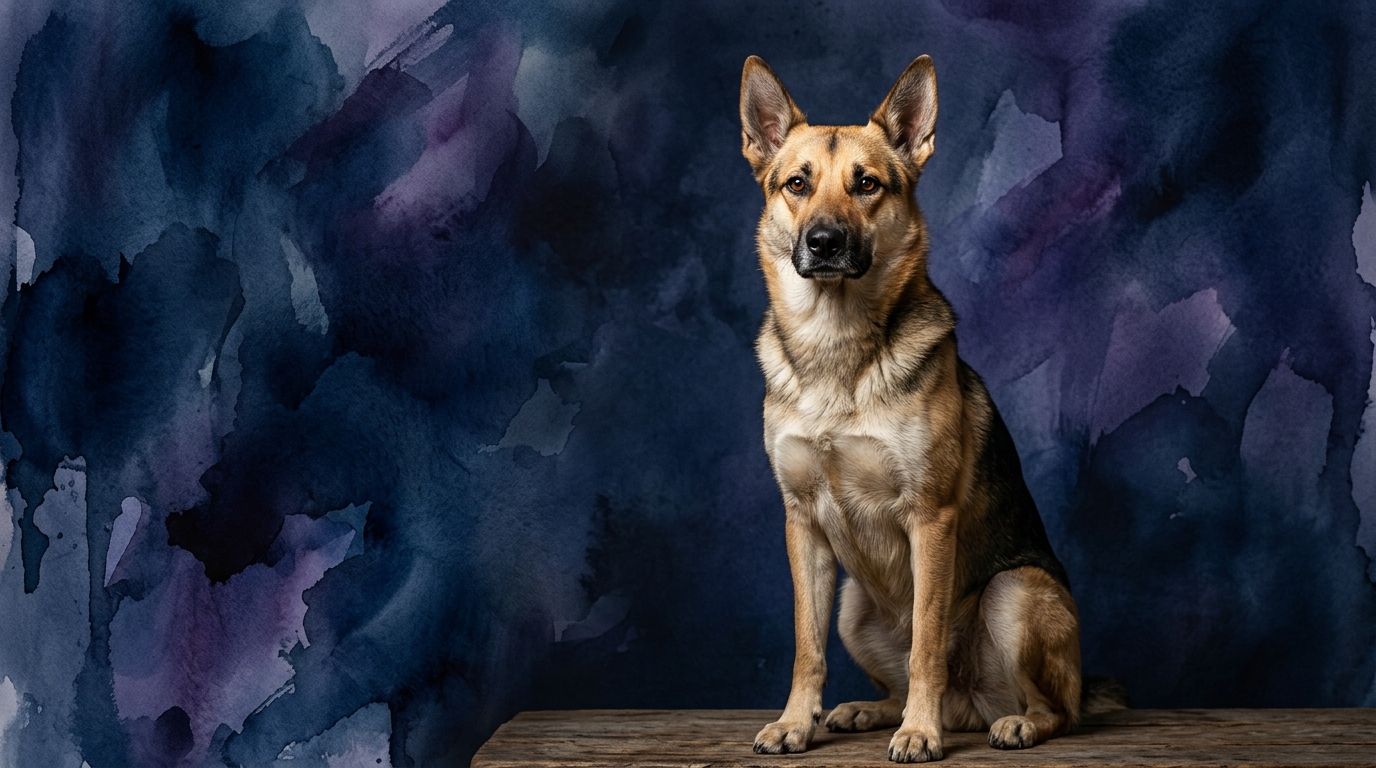
Side-by-Side Cognitive Profiles
The Shetland Sheepdog, ranking #6 in Coren's intelligence scale, displays a remarkable aptitude for learning and retention across various cognitive dimensions. Their Problem Solving score of 4/5 indicates a strong capacity for analyzing situations and devising effective solutions, often demonstrating cleverness in navigating new challenges. With a Training Speed of 5/5, Shelties grasp new commands and routines with impressive swiftness, frequently anticipating their handler's next instruction. Their Social Intelligence, rated 4/5, allows them to keenly interpret human moods and intentions, fostering a deeply communicative bond. The Sheltie's Instinctive Drive, a perfect 5/5, means they possess an intense desire to work and organize, channeling their herding heritage into focused tasks. This is all underpinned by a Memory score of 5/5, ensuring commands and learned experiences are retained with exceptional recall.
The ancient Canaan Dog, while also a herding breed with a Coren rank of #43, presents a distinct cognitive profile reflecting its independent desert origins. Their Problem Solving ability, at 3/5, suggests they can navigate obstacles but might prefer to rely on their own judgment rather than seeking human direction, often employing practical, straightforward solutions. A Training Speed of 3/5 means they learn at a steady pace, but their inherent self-reliance means they might require more patience and thoughtful motivation compared to a breed eager to please. Their Social Intelligence, also 3/5, points to a discerning nature; they are observant of their environment and people, but typically form strong, loyal bonds with their inner circle while remaining reserved with strangers. The Canaan Dog's Instinctive Drive, 3/5, manifests less as direct herding and more as territorial vigilance and an acute awareness of their surroundings. Their Memory score of 4/5 indicates a solid capacity for recall, particularly useful for remembering safe zones or potential threats.
Where the Shetland Sheepdog Excels Cognitively
The Sheltie's cognitive edge is most apparent in areas demanding rapid learning, precise execution, and strong partnership with a human. Their perfect 5/5 Training Speed and Memory scores mean they absorb and retain complex sequences of commands with exceptional efficiency. This allows them to master intricate agility courses, perform advanced obedience routines, and even learn multi-step tricks that would challenge many other breeds. Their capacity to quickly connect actions with rewards and cues makes them a dream for competitive dog sports or any owner who enjoys teaching sophisticated behaviors.
Furthermore, the Sheltie's superior Problem Solving (4/5) combined with their high Social Intelligence (4/5) allows them to adapt quickly to changing environments and anticipate human needs. They excel at understanding abstract concepts in training and can often “read” their handler's body language and emotional state, which is invaluable in dynamic working scenarios. Their intense Instinctive Drive (5/5) is not just about herding; it translates into a focused work ethic, a persistent approach to tasks, and an innate desire for purpose, making them incredibly driven and cooperative partners in almost any endeavor.
Where the Canaan Dog Shows Unique Cognitive Strengths
While the Canaan Dog's scores might appear lower in comparison, their cognitive strengths lie in areas prioritizing independence, self-sufficiency, and acute environmental awareness—qualities honed by centuries of survival in harsh landscapes. Their Problem Solving (3/5) is less about seeking human direction and more about practical, on-the-spot decision-making for their own welfare or that of their perceived territory. This translates into an ability to assess situations autonomously, often finding solutions without waiting for a command, which can be a distinct advantage in roles requiring vigilance or self-preservation.
The Canaan Dog's moderate Instinctive Drive (3/5) and Social Intelligence (3/5), when viewed through the lens of a guardian, signify a powerful capacity for observation and discernment. They are not easily swayed or distracted, maintaining a watchful eye on their surroundings and forming deep, selective bonds. Their solid Memory (4/5) further enhances this by allowing them to remember specific individuals, routines, and perceived threats or safe zones, contributing to their reliable nature as protectors. These traits make them exceptionally robust and adaptable in environments where a dog needs to think for itself and act decisively, rather than merely follow instructions.
Trainability: Shetland Sheepdog vs. Canaan Dog
Without a doubt, the Shetland Sheepdog presents a significantly easier training experience due to its intrinsic cognitive makeup. Their 5/5 Training Speed means they pick up new commands almost instantly, often after just a few repetitions. This is amplified by their 5/5 Memory, ensuring once a command is learned, it's rarely forgotten. Shelties are highly motivated by praise and food, and their 4/5 Social Intelligence makes them exceptionally attuned to human cues and eager to cooperate, translating into a strong desire for partnership. They thrive on structured learning and enjoy the mental engagement of mastering new skills, making them ideal candidates for advanced obedience, rally, and agility.
The Canaan Dog, conversely, requires a more nuanced and patient approach to training. With a Training Speed of 3/5 and Social Intelligence of 3/5, they learn, but often on their own terms. Their historical role as independent guardians means they are accustomed to making their own decisions, and they may question the utility of a command rather than blindly obeying. Training a Canaan Dog involves earning their respect and trust, proving that compliance is beneficial or logical. They respond best to positive reinforcement, consistency, and methods that engage their problem-solving abilities rather than rote repetition. Owners must be prepared for a dog that might learn quickly but choose to execute a command only when it suits them, requiring a deeper understanding of canine motivation and behavior.
Ideal Owners: Active vs. Relaxed Lifestyles
The Shetland Sheepdog unequivocally suits active owners who are prepared to provide consistent mental and physical engagement. Their high instinctive drive (5/5) and need for problem-solving activities (4/5) mean they require more than just a daily walk; they thrive on having a “job.” This could involve participation in dog sports like agility, obedience, or herding, or even complex trick training sessions at home. A Sheltie left without sufficient mental stimulation can become bored, potentially leading to behaviors like excessive barking or compulsive chasing. Owners who enjoy an active lifestyle and want a partner for their hobbies will find a Sheltie a rewarding and enthusiastic companion.
The Canaan Dog, while not a couch potato, is better suited for owners who appreciate an independent companion and can provide purposeful activity rather than constant human-directed tasks. Their moderate instinctive drive (3/5) and problem-solving (3/5) abilities mean they enjoy exploring, patrolling their territory, and engaging their senses in their environment. They thrive with a secure yard and regular opportunities for off-leash exploration in safe areas, allowing them to exercise their natural vigilance and observational skills. While they need exercise, it's often more about quality of engagement and mental stimulation that respects their self-reliant nature, rather than high-intensity, repetitive activities. A “relaxed” owner who values a watchful, self-sufficient dog and provides consistent, thoughtful engagement will find a Canaan Dog a loyal, if independent, companion.
The Verdict
Choose the Shetland Sheepdog for owners seeking a highly trainable, eager-to-please, and mentally agile companion who excels in structured activities like obedience, agility, or herding trials, and thrives on close cooperation.
Choose the Canaan Dog for owners who appreciate an independent, watchful, and self-sufficient companion, capable of making its own decisions and requiring a patient, consistent approach to training that respects its ancient, free-thinking nature.
🧠 Find Your Pet's IQ Score
Our Pet IQ Lab assessment covers 25+ tests across 5 cognitive dimensions — personalized to your breed.
Take the Full IQ Test →Frequently Asked Questions
Are Shetland Sheepdogs good for first-time owners?
Yes, Shelties can be excellent for first-time owners due to their eagerness to learn, high trainability, and desire to please. Their responsiveness makes training rewarding, though their need for mental stimulation means owners must be committed to engagement.
Do Canaan Dogs bark a lot?
Canaan Dogs can be quite vocal, especially when acting as guardians. Their strong territorial instincts often lead to alert barking at perceived intruders or changes in their environment, requiring consistent training to manage.
Which breed is better with children?
Both breeds can be good with children with proper socialization, but their approaches differ. Shelties are often more playful and tolerant, while Canaan Dogs, due to their independent nature, do best with respectful older children who understand their boundaries.