Side-by-Side IQ Profile: Shetland Sheepdog vs. Chihuahua
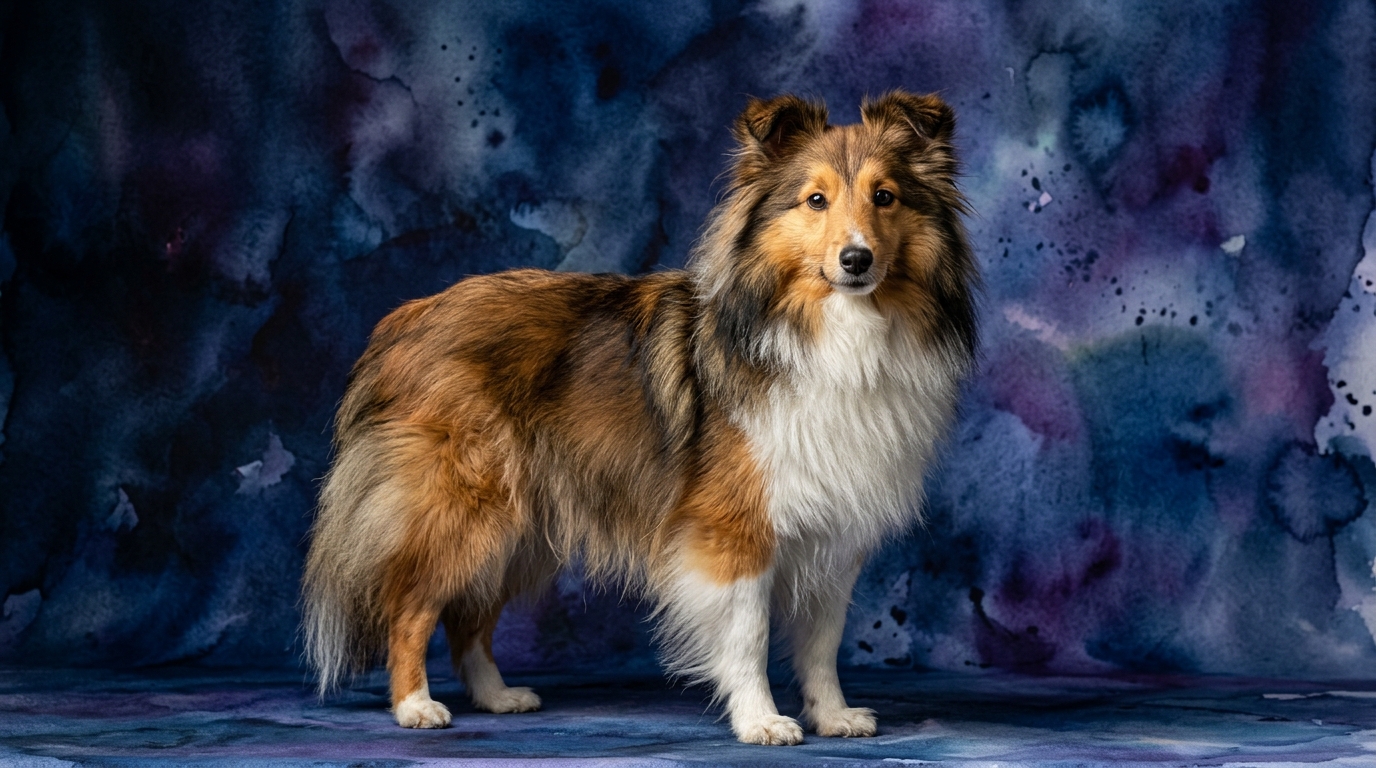
At The Cosmic Pet Pet IQ Lab, we evaluate canine cognition across five key dimensions. For the Shetland Sheepdog, classified as a Herding breed with a Coren rank of #6, their profile paints a picture of a dog built for complex work and rapid learning. Their Problem Solving score of 4/5 indicates a notable capacity for figuring out novel situations, such as manipulating latches or devising strategies to retrieve inaccessible items. Training Speed, rated at a perfect 5/5, highlights their remarkable swiftness in grasping new commands, often requiring only a handful of repetitions. Social Intelligence, at 4/5, shows an acute sensitivity to human non-verbal cues and emotional states, fostering deep, intuitive bonds. An Instinctive Drive of 5/5 reflects their powerful herding heritage, manifesting as a strong intrinsic motivation to organize and work collaboratively. Finally, their Memory, also 5/5, denotes excellent recall of commands, routines, and experiences over long periods, enabling them to build upon learned behaviors.
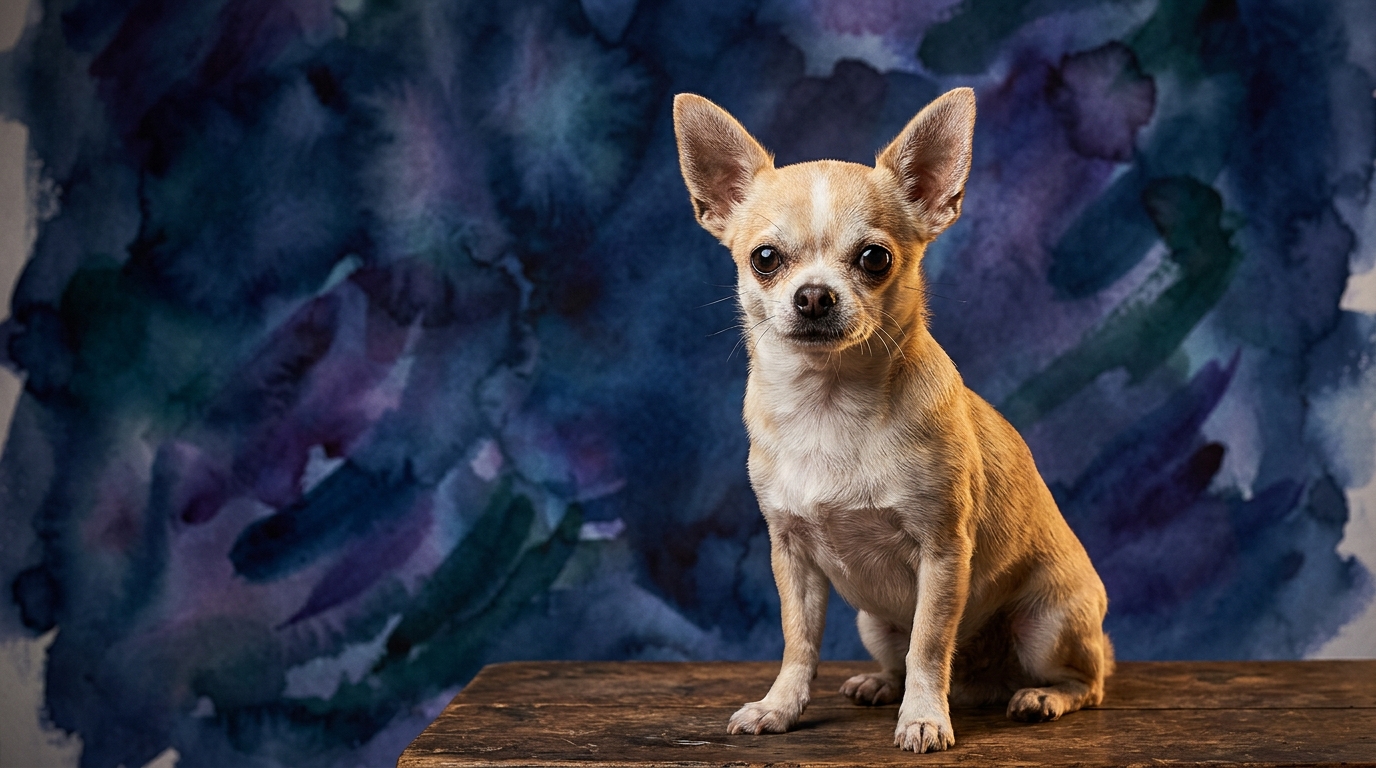
In contrast, the Chihuahua, a Toy breed with a Coren rank of #67, presents a different yet equally compelling cognitive makeup. Their Problem Solving score of 3/5 suggests they can successfully tackle simpler tasks, like finding hidden treats in puzzle toys or navigating familiar environments, though complex, multi-step challenges might require more guidance. Training Speed, rated at 3/5, indicates they can certainly learn a wide array of commands, but typically require more consistent repetition and patience. Their Social Intelligence, matching the Sheltie at 4/5, underscores their profound devotion and attunement to their chosen human companions, often displaying an uncanny ability to sense their owner's mood. While not possessing a strong working drive in the traditional sense, their Instinctive Drive of 3/5 is strongly geared towards vigilance and territoriality, making them quick to signal perceived threats. A Memory score of 4/5 means they demonstrate good retention of learned behaviors, routines, and the locations of favored items once established.
Where the Shetland Sheepdog Wins Cognitively
The Shetland Sheepdog's cognitive strengths are particularly evident in areas demanding complex sequence learning and proactive problem-solving. Their 4/5 Problem Solving score means they aren't just reacting to stimuli; they are often strategizing. For instance, a Sheltie might not just jump over a hurdle but will learn the most efficient path through an entire agility course, anticipating the next obstacle. Their 5/5 Training Speed allows them to absorb multi-stage commands, like 'fetch the red ball from the basket and bring it here,' with remarkable efficiency. This rapid acquisition combines with their 5/5 Memory to create a dog capable of mastering intricate routines and retaining them for years, making them exceptional candidates for advanced obedience, competitive herding, or complex trick training. Their 5/5 Instinctive Drive further channels this capacity, providing an inherent motivation to engage in purposeful activities, transforming training from a chore into a fulfilling collaborative effort where they actively seek to understand and execute tasks.
Where the Chihuahua Wins Cognitively
While the Shetland Sheepdog excels in complex, sequential tasks, the Chihuahua’s cognitive strengths shine in different, equally valuable ways. Their 4/5 Social Intelligence is a standout, often manifesting as an extraordinary intuition regarding their primary caregiver's emotional state. A Chihuahua might not solve a puzzle box as quickly, but they possess an unparalleled ability to offer comfort during distress or initiate playful engagement when sensing boredom, demonstrating a nuanced understanding of human emotional cues. Their 3/5 Problem Solving, though lower than the Sheltie's, is applied effectively within their world; they are adept at navigating small, intricate home environments, finding the warmest sunbeam, or locating a favorite blanket tucked away. This pragmatic problem-solving, combined with their 4/5 Memory, means they quickly learn household routines and their owner's habits, becoming masters of their immediate domain and anticipating daily events. Their 3/5 Instinctive Drive, while not for herding, is strongly geared towards vigilance, making them excellent alert systems for their household, demonstrating a sharp awareness of their surroundings.
Which is Easier to Train and Why
Without question, the Shetland Sheepdog generally proves easier to train for a broad range of commands and behaviors. Their exceptional 5/5 Training Speed means they pick up new concepts with minimal repetition, often understanding a new cue within just a few attempts. This is largely due to their inherent desire to work collaboratively and their deep-seated instinct to please, stemming from their herding background where precise responses to handler commands were critical. They typically exhibit a strong focus during training sessions and are highly motivated by praise and rewards. Conversely, the Chihuahua, with a 3/5 Training Speed, requires more patience and consistency. While perfectly capable of learning, they can sometimes present as more independent or even 'stubborn' if not properly motivated. Their smaller size and often intense bond with a single person can lead to a belief that they don't need extensive training, but this is a misconception; they absolutely benefit from clear boundaries and consistent guidance. Training a Chihuahua often demands more creativity in finding high-value rewards and keeping sessions short and engaging to maintain their interest, as their attention span for formal drills can be shorter than a Sheltie's.
Which Suits Active Owners vs. Relaxed Owners
The choice between these two breeds often hinges on an owner's lifestyle and their capacity for providing mental and physical engagement. The Shetland Sheepdog is an ideal match for active owners. Their 5/5 Instinctive Drive and high cognitive capacity mean they require substantial mental stimulation beyond just daily walks. They thrive in environments where they can engage in dog sports like agility, rally, or even simulated herding activities. Owners who enjoy teaching complex tricks, participating in advanced obedience, or simply have an active outdoor lifestyle will find a Sheltie to be an enthusiastic and tireless partner. Their need for purpose means a sedentary lifestyle can lead to boredom and potential behavioral issues. In contrast, the Chihuahua is wonderfully adaptable and can suit both moderately active and more relaxed owners. While they certainly enjoy walks and playtime, their physical exercise requirements are significantly lower than a Sheltie's. They are content with shorter bursts of activity and thrive on close companionship, often preferring to curl up with their owner. Their social intelligence makes them excellent 'lap companions' who are deeply involved in the quiet rhythms of home life, making them a superb fit for individuals or families seeking a devoted, portable friend who doesn't demand extensive outdoor adventures, though daily engagement is still crucial for their well-being.
The Verdict
Choose a Shetland Sheepdog if you are an active owner seeking a highly trainable, cognitively driven partner for dog sports, advanced obedience, or a dog that thrives on complex mental and physical challenges.
Opt for a Chihuahua if you desire a devoted, compact companion who excels in intimate bonding, offers vigilant companionship, and thrives in a home environment that prioritizes close interaction and consistent, positive reinforcement for training.
🧠 Find Your Pet's IQ Score
Our Pet IQ Lab assessment covers 25+ tests across 5 cognitive dimensions — personalized to your breed.
Take the Full IQ Test →Frequently Asked Questions
Are Shetland Sheepdogs good family dogs?
Yes, Shetland Sheepdogs are generally excellent family dogs, known for their loyalty and gentle nature. They bond closely with their family but require consistent training and socialization from a young age to manage their herding instincts and potential shyness with strangers.
Can Chihuahuas be trained for complex tasks?
Chihuahuas can be trained for a variety of tasks, though complex, multi-step sequences might take more time and repetition than with a Sheltie. Their dedication to their owner and a positive reinforcement approach can yield surprisingly good results in obedience and even some tricks.
Which breed is better for apartment living?
The Chihuahua is generally better suited for apartment living due to their smaller size and lower physical exercise requirements. While a Shetland Sheepdog can adapt to an apartment, their need for significant mental and physical activity means they require much more dedicated outdoor time and engagement regardless of living space.