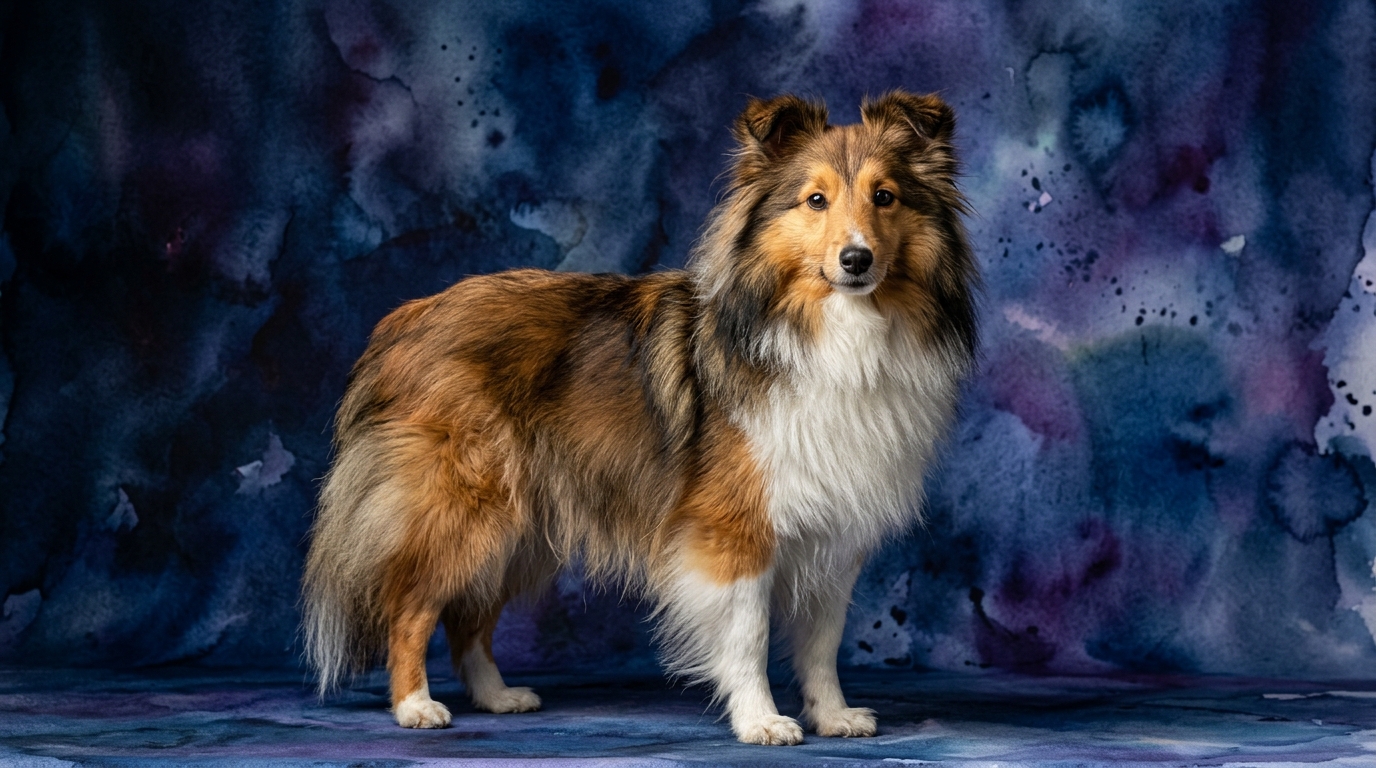
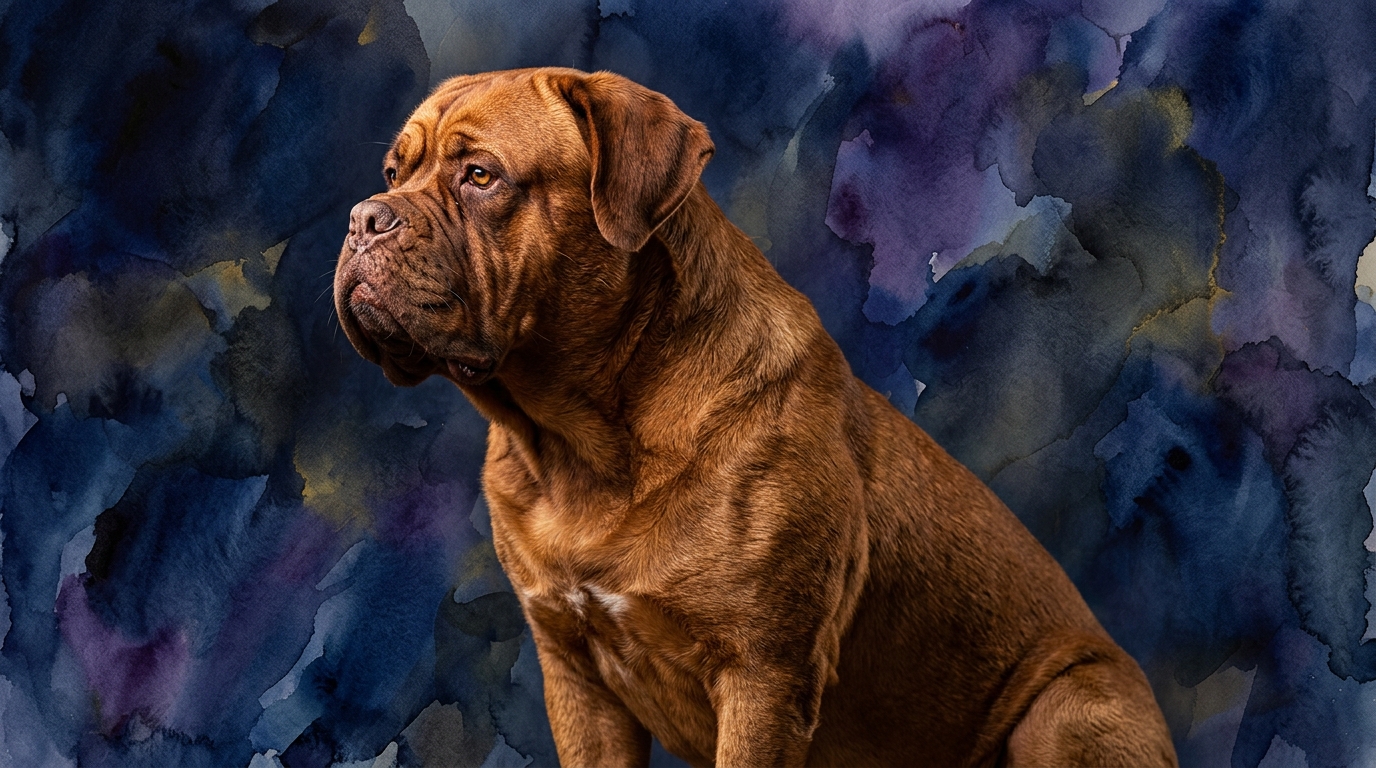
Side-by-Side IQ Profile: Sheltie vs. Dogue
The Cosmic Pet Pet IQ Lab employs a five-dimensional framework to assess canine intelligence, offering a nuanced view beyond simple obedience. For the Shetland Sheepdog, a Herding group member, its profile is distinctly sharp: Problem Solving (4/5), Training Speed (5/5), Social Intelligence (4/5), Instinctive Drive (5/5), and Memory (5/5). This reflects a breed engineered for complex, dynamic tasks requiring quick wits and strong recall, ranking a notable #6 on the Coren intelligence scale.
In contrast, the Dogue de Bordeaux, a Working group sentinel, presents a profile geared towards different strengths, though not Coren-ranked: Problem Solving (3/5), Training Speed (3/5), Social Intelligence (3/5), Instinctive Drive (3/5), and Memory (3/5). These scores suggest a cognitive makeup that prioritizes steadfastness and discernment over rapid-fire adaptability, a profile well-suited to its historical role as a guardian and companion.
Delving deeper, the Sheltie's 4/5 in Problem Solving indicates a dog adept at navigating new situations, figuring out puzzles, and learning complex sequences with relative ease. Its 5/5 Training Speed means it absorbs new commands and behaviors with remarkable alacrity, often anticipating handler cues. A Social Intelligence of 4/5 highlights its capacity to read and respond to subtle human and animal communication, fostering strong, responsive bonds. The 5/5 Instinctive Drive points to a deep-seated need to work, herd, or engage in purposeful activity, while a 5/5 Memory ensures retention of a vast array of learned information.
For the Dogue de Bordeaux, a Problem Solving score of 3/5 means they are capable learners but may require more consistent repetition and less inclination towards independent, novel solutions, preferring established routines. Their 3/5 Training Speed suggests a moderate pace of learning, demanding patience and clear instruction; once learned, however, commands are typically solid. Social Intelligence at 3/5 indicates a capacity for deep, selective bonds with their immediate family, often expressing reservation towards strangers, fitting for a protective breed. An Instinctive Drive of 3/5 reflects a strong protective instinct but less of a compulsion for constant, varied activity. Finally, a 3/5 in Memory means they retain learned behaviors and routines, though perhaps not with the same breadth or immediate recall as a Sheltie for less frequently practiced commands.
Where the Shetland Sheepdog Wins Cognitively
The Shetland Sheepdog's cognitive strengths are evident across all five dimensions. Its superior Problem Solving (4/5) allows it to excel in agility and obedience sports, where it must quickly interpret courses and adapt to changes, often making split-second decisions independently. This capacity for rapid assessment and action is a direct legacy of its herding origins, where anticipating flock movements and reacting instantly was crucial for survival.
The Sheltie's remarkable Training Speed (5/5) means it can master a vast repertoire of commands and tricks, making it a highly versatile partner for various dog sports, therapy work, or simply as a well-mannered family companion. Coupled with its 5/5 Memory, a Sheltie retains these lessons long-term, requiring less refresher training than many other breeds. This combination allows for a sophisticated level of communication and partnership.
Furthermore, its 4/5 Social Intelligence makes the Sheltie incredibly attuned to human emotions and intentions. They often seem to anticipate their owner's next move or mood, fostering a deep, almost intuitive bond. This sensitivity, combined with a powerful Instinctive Drive (5/5), means they thrive on engaging, purposeful interaction, channeling their natural herding instincts into constructive activities rather than undirected energy.
Where the Dogue de Bordeaux Wins Cognitively
While the Dogue de Bordeaux's cognitive profile may not boast the same scores as the Sheltie, its strengths are profoundly suited to its purpose. The Dogue's Problem Solving (3/5) isn't about speed, but often about deliberate assessment. This translates into a calm, considered approach to novel situations, making them less prone to impulsive reactions and more likely to observe before acting – a valuable trait for a guardian.
Their Social Intelligence (3/5), while not indicating broad social adaptability, signifies a deep, unwavering loyalty and discernment. Dogues form exceptionally strong, selective bonds with their family, often displaying a discerning wariness towards strangers. This focused social intelligence allows them to prioritize the safety and well-being of their immediate circle, making them highly reliable protectors who understand the nuances of their family's dynamics.
The Dogue's Instinctive Drive (3/5) is not geared towards constant activity but towards unwavering vigilance and a strong sense of duty. This focused drive manifests as a steadfast presence, providing a sense of security without requiring constant physical or mental stimulation. Their 3/5 Memory and Training Speed, while moderate, mean that once a Dogue learns a command or routine through consistent, patient reinforcement, it is deeply ingrained and reliably executed. This consistency, rather than rapid acquisition, is a hallmark of their cognitive style, leading to predictable and dependable behavior once established.
Which is Easier to Train and Why
When it comes to ease of training, the Shetland Sheepdog clearly takes the lead. Its 5/5 Training Speed and 5/5 Memory mean Shelties absorb and retain commands with remarkable efficiency. Their background as herding dogs demanded quick responses and the ability to work semi-independently, leading to a natural eagerness to please and high biddability. Shelties are often described as living to work alongside their handlers, making them highly receptive to positive reinforcement and new learning experiences. Their 4/5 Problem Solving also means they can generalize learned behaviors to new contexts and even anticipate what's being asked of them, streamlining the training process significantly.
The Dogue de Bordeaux, with 3/5 in Training Speed and Memory, requires a different approach. Training a Dogue demands patience, consistency, and clear, fair methods. They are capable learners but may not be as inherently motivated by praise or as quick to make associations as a Sheltie. Their training benefits from shorter, more frequent sessions and a focus on practical, functional commands rather than complex tricks. While they can appear stubborn, it often stems from a thoughtful, deliberate nature; once a Dogue understands the purpose behind a command and has it ingrained through repetition, they are incredibly reliable and steadfast in their obedience. Their social intelligence, focused on their family unit, means training often strengthens the bond when approached with mutual respect.
Which Suits Active Owners vs. Relaxed Owners
For owners seeking an active, engaging companion, the Shetland Sheepdog is an ideal match. Its high Instinctive Drive (5/5) and robust cognitive profile demand significant mental and physical engagement. Shelties thrive on daily exercise that includes more than just a walk around the block; they excel in dog sports like agility, obedience, and rally, and enjoy puzzle toys, scent work, and learning new tricks. An owner who can provide consistent training, varied activities, and opportunities for their Sheltie to use its problem-solving abilities will find a deeply fulfilled and responsive partner. Without adequate stimulation, their keen minds and energy can lead to undesirable behaviors stemming from boredom or frustration.
Conversely, the Dogue de Bordeaux is a better fit for more relaxed owners who appreciate a calm, devoted, and watchful presence. While they require moderate daily exercise to maintain health and muscle tone, their Instinctive Drive (3/5) is not characterized by a relentless need for high-energy tasks. Dogues are often content with a good daily walk, some playtime, and plenty of quality time spent with their family. Their cognitive profile suits a home environment where they can be a steadfast companion, observing their surroundings and offering a sense of security. Owners must still be committed to consistent, patient training, but the Dogue's needs lean more towards companionship and consistent routine rather than constant, varied activities.
The Verdict: When to Choose Each Breed
The Verdict
Choose the Shetland Sheepdog if you desire a highly interactive, quick-learning companion eager for dog sports, complex training, and an active lifestyle.
Opt for the Dogue de Bordeaux if you value a calm, devoted, and protective presence, willing to invest in consistent, patient training, and appreciating a more relaxed, watchful companion.
🧠 Find Your Pet's IQ Score
Our Pet IQ Lab assessment covers 25+ tests across 5 cognitive dimensions — personalized to your breed.
Take the Full IQ Test →Frequently Asked Questions
Does the Dogue de Bordeaux's lower problem-solving score mean it's difficult to manage?
No, it means Dogues thrive on consistent routines and clear expectations. They are capable learners but may not independently seek out novel solutions as readily as a Sheltie, making a structured environment beneficial for them.
Can a Shetland Sheepdog adapt to a less active lifestyle?
While adaptable, a Sheltie's high instinctive drive and cognitive needs require significant mental and physical engagement. Without it, they may develop undesirable behaviors stemming from boredom, so a truly sedentary lifestyle is not ideal for them.
How does social intelligence differ between these two breeds?
The Sheltie's 4/5 indicates broad social awareness and adaptability, allowing them to connect easily with various individuals. The Dogue's 3/5 points to a more selective social circle, prioritizing deep bonds with family and a discerning approach to strangers, fitting its guardian role.