
Side-by-Side IQ Profile
The Cosmic Pet Pet IQ Lab provides a nuanced framework for understanding canine cognition, moving beyond simple 'smart' labels. For the Shetland Sheepdog, a Coren rank of #6 places them among breeds demonstrating exceptional working and obedience intelligence, while the English Cocker Spaniel, at #18, still shows commendable cognitive capabilities.
Let's break down their five key IQ dimensions.
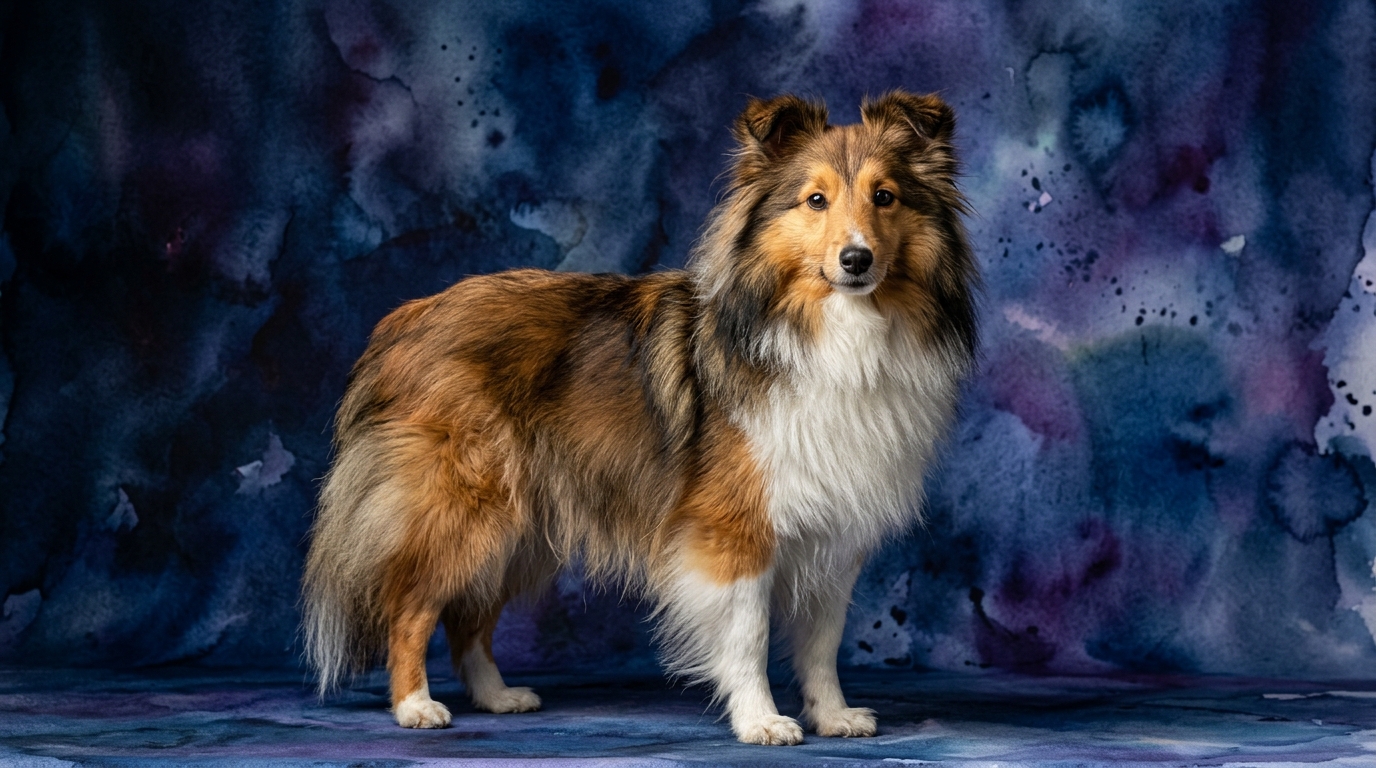
**Shetland Sheepdog (Herding Group):** This breed’s cognitive makeup is a testament to its pastoral origins. Their **Problem Solving (4/5)** ability means they excel at figuring out complex tasks, adapting to new situations, and understanding multi-step commands, often anticipating next steps in a sequence. **Training Speed (5/5)** is where Shelties truly shine; they acquire new behaviors and commands with remarkable rapidity, often grasping concepts in just a few repetitions, driven by a strong desire to cooperate. Their **Social Intelligence (4/5)** reflects a keen sensitivity to human moods, gestures, and vocal cues, making them highly responsive companions capable of forming deep, empathetic bonds. The **Instinctive Drive (5/5)** is profoundly rooted in their herding heritage, manifesting as an intense desire to gather, chase, and control movement, requiring appropriate outlets to channel this energy. Finally, their **Memory (5/5)** is outstanding, enabling them to retain a vast repertoire of commands, routines, and experiences over long periods, making them consistent performers once a task is learned.
**English Cocker Spaniel (Sporting Group):** The English Cocker Spaniel's intelligence is geared towards their role as a hunting companion, particularly in flushing and retrieving game. Their **Problem Solving (4/5)** score indicates a robust capacity for navigating challenges in their environment, such as finding hidden objects or overcoming obstacles, often with a persistent, independent approach. Their **Training Speed (4/5)** is very good; they learn commands effectively and are generally eager to please, though they might require slightly more repetition or varied motivation than a Sheltie. **Social Intelligence (3/5)** suggests they are friendly and communicative, but their focus might sometimes be more on their environment, particularly scent, than on subtle human cues, giving them a slightly more independent social presence. The **Instinctive Drive (3/5)** is shaped by their sporting purpose, manifesting as a strong desire to explore, follow scents, and retrieve, though typically less intense and all-encompassing than a herding dog's drive. Like the Sheltie, their **Memory (5/5)** is excellent, allowing them to remember hunting locations, scent trails, and learned commands with impressive accuracy.
Where Shetland Sheepdog Wins Cognitively
The Shetland Sheepdog's cognitive edge largely stems from their need for intricate communication and rapid decision-making in a herding context. Their superior **Training Speed (5/5)** means they can master a broader range of complex behaviors and multi-step routines in less time. This isn't just about obedience; it translates to greater adaptability in advanced dog sports like agility, obedience, and freestyle, where intricate sequences and quick transitions are paramount. Their heightened **Social Intelligence (4/5)**, coupled with their desire to cooperate, means they often anticipate their handler's next instruction before it's even fully given, creating an almost telepathic bond in training and daily interactions. This sensitivity makes them exceptionally responsive to subtle cues, allowing for a more fluid and nuanced communication style with their human companions. Their intense **Instinctive Drive (5/5)**, when channeled constructively, provides a boundless energy and focus for structured activities, making them relentless learners in a directed environment.
Where English Cocker Spaniel Wins Cognitively
The English Cocker Spaniel's cognitive strengths are rooted in their independent working role as a gundog. While their **Problem Solving (4/5)** matches the Sheltie, the *nature* of their problem-solving often differs; Cocker Spaniels excel at tasks requiring sustained focus and persistence in a sensory-rich environment, such as tracking a scent or methodically searching an area. Their **Instinctive Drive (3/5)**, though lower than the Sheltie's, is perfectly suited for prolonged, self-directed exploration and retrieval, making them tenacious workers in the field. This breed often demonstrates a resilience and cheerfulness in varied conditions, a cognitive trait that allows them to maintain enthusiasm and focus even when tasks are repetitive or challenging. Their excellent **Memory (5/5)** is particularly adept at recalling specific locations, scent signatures, and complex environmental layouts, crucial for effective hunting and retrieving, where remembering where game fell or a scent trail leads is vital.
Which is Easier to Train and Why
Considering their IQ profiles, the Shetland Sheepdog generally presents as the easier breed to train, especially for novice owners or those seeking a highly compliant companion. Their **Training Speed (5/5)** is unmatched, meaning they pick up new commands and routines incredibly quickly. This rapid acquisition is bolstered by their high **Social Intelligence (4/5)** and strong desire to please, making them exceptionally receptive to positive reinforcement and handler feedback. Shelties are often described as biddable; they actively seek to understand and execute what is asked of them, thriving on structured learning and consistent interaction.
The English Cocker Spaniel, with a **Training Speed (4/5)**, is certainly trainable and capable, but their **Social Intelligence (3/5)** suggests they might be slightly more independent in their approach. While they enjoy working with their humans, their focus can sometimes be diverted by compelling scents or environmental stimuli, requiring a more patient and consistently engaging training style. They may not possess the same inherent eagerness to please as a Sheltie, sometimes needing stronger motivation or more creative reinforcement to maintain engagement. Their independent streak, useful for hunting, means they might occasionally test boundaries or require more repetition to solidify a command, especially in distracting environments.
Which Suits Active Owners vs. Relaxed Owners
For **active owners** seeking a partner for structured activities and complex challenges, the Shetland Sheepdog is often an ideal match. Their high **Instinctive Drive (5/5)** demands consistent mental and physical engagement, making them thrive in dog sports like agility, obedience, and herding trials. They require owners who enjoy teaching new tricks, engaging in puzzle games, and providing regular, varied exercise that stimulates both body and mind. A Sheltie is not content with merely being a couch potato; their cognitive abilities necessitate an outlet for their intelligence and energy.
The English Cocker Spaniel, while also requiring regular activity, offers a slightly different profile for active owners. Their **Instinctive Drive (3/5)** means they need daily walks, opportunities for off-leash exploration in safe areas, and scent-based games. They excel in activities like field trials, scent work, or even just long hikes. However, for owners who might be less inclined towards highly structured dog sports and more towards casual outdoor adventures, the Cocker Spaniel can be a wonderful fit. They are adaptable and cheerful companions for exploring trails or playing fetch, but their mental demands might be less about intricate obedience and more about satisfying their natural desire to sniff and retrieve. Neither breed truly suits a **relaxed owner** who prefers minimal engagement, as both have significant needs for interaction, exercise, and mental stimulation to prevent boredom and undesirable behaviors.
The Verdict
Choose the Shetland Sheepdog if you seek an exceptionally responsive, eager-to-train companion for complex dog sports, advanced obedience, and a deep, cooperative bond, provided you can consistently meet their extensive mental and physical engagement needs.
Choose the English Cocker Spaniel if you desire a cheerful, resilient, and persistent companion for outdoor adventures, scent-based activities, and a loyal presence, understanding they may possess a more independent streak requiring consistent, positive motivation.
🧠 Find Your Pet's IQ Score
Our Pet IQ Lab assessment covers 25+ tests across 5 cognitive dimensions — personalized to your breed.
Take the Full IQ Test →Frequently Asked Questions
Are Shetland Sheepdogs prone to barking?
Yes, Shelties often use their voice as a primary form of communication, a remnant of their herding vigilance. They can be prone to barking at perceived threats, unfamiliar sounds, or to alert their family, which owners need to manage with consistent training.
Do English Cocker Spaniels get along with other pets?
Generally, English Cocker Spaniels are known for their amiable and sociable nature, often getting along well with other dogs and even cats, especially if introduced properly. However, their sporting instincts mean small prey animals might sometimes trigger a chase response, so careful supervision is always recommended.
What's the biggest difference in their memory, given both score 5/5?
While both breeds have excellent memory, the *application* differs; Shelties often remember complex sequences and routines for cooperative tasks, while Cocker Spaniels excel at remembering specific locations, scent trails, and environmental details crucial for independent hunting and retrieval. Both retain commands remarkably well, but their primary memory focus aligns with their historical roles.