Side-by-Side IQ Profile
The Cosmic Pet Pet IQ Lab data provides a granular look at the cognitive make-up of both the Shetland Sheepdog and the English Springer Spaniel, highlighting their individual strengths across five key dimensions. Understanding these profiles helps us appreciate the specific mental aptitudes each breed brings.
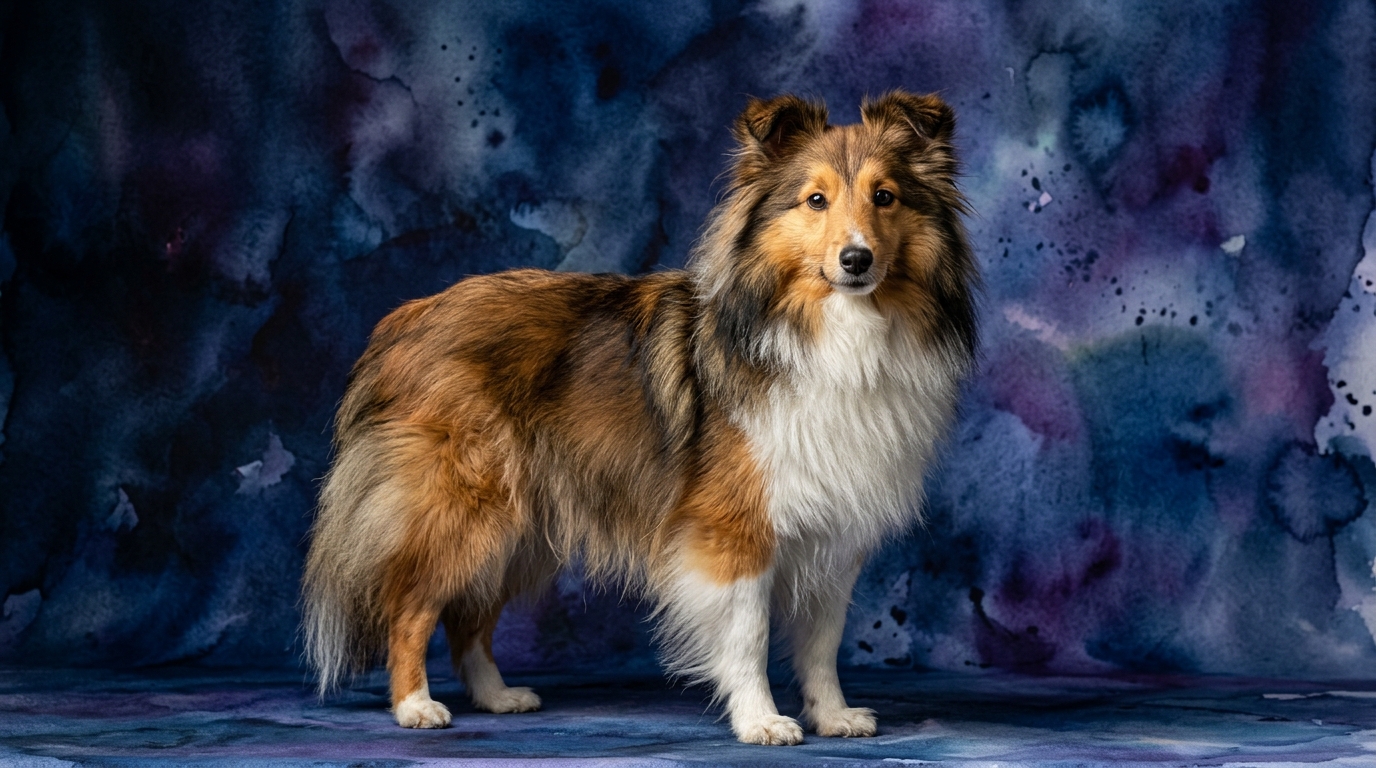
**Shetland Sheepdog (Herding Group, Coren Rank #6)**: This breed showcases exceptional cognitive abilities, particularly in areas of learning and retention. Their **Problem Solving (4/5)** is evident in their ability to decipher complex tasks, often strategizing to achieve goals like herding or navigating intricate agility courses; their herding heritage equips them to assess and react to dynamic situations. **Training Speed (5/5)** is a hallmark, as Shelties absorb new commands and routines with exceptional swiftness, often requiring minimal repetitions. Their **Social Intelligence (4/5)** means they are adept at reading human cues and understanding social dynamics, forming deep bonds and being sensitive to owner moods. An **Instinctive Drive (5/5)** to gather, organize, and control is a defining trait, leading to a strong desire for purpose-driven activities. Finally, their **Memory (5/5)** is outstanding, enabling them to retain commands, routines, and specific training sequences over extended periods, contributing significantly to their training efficiency.
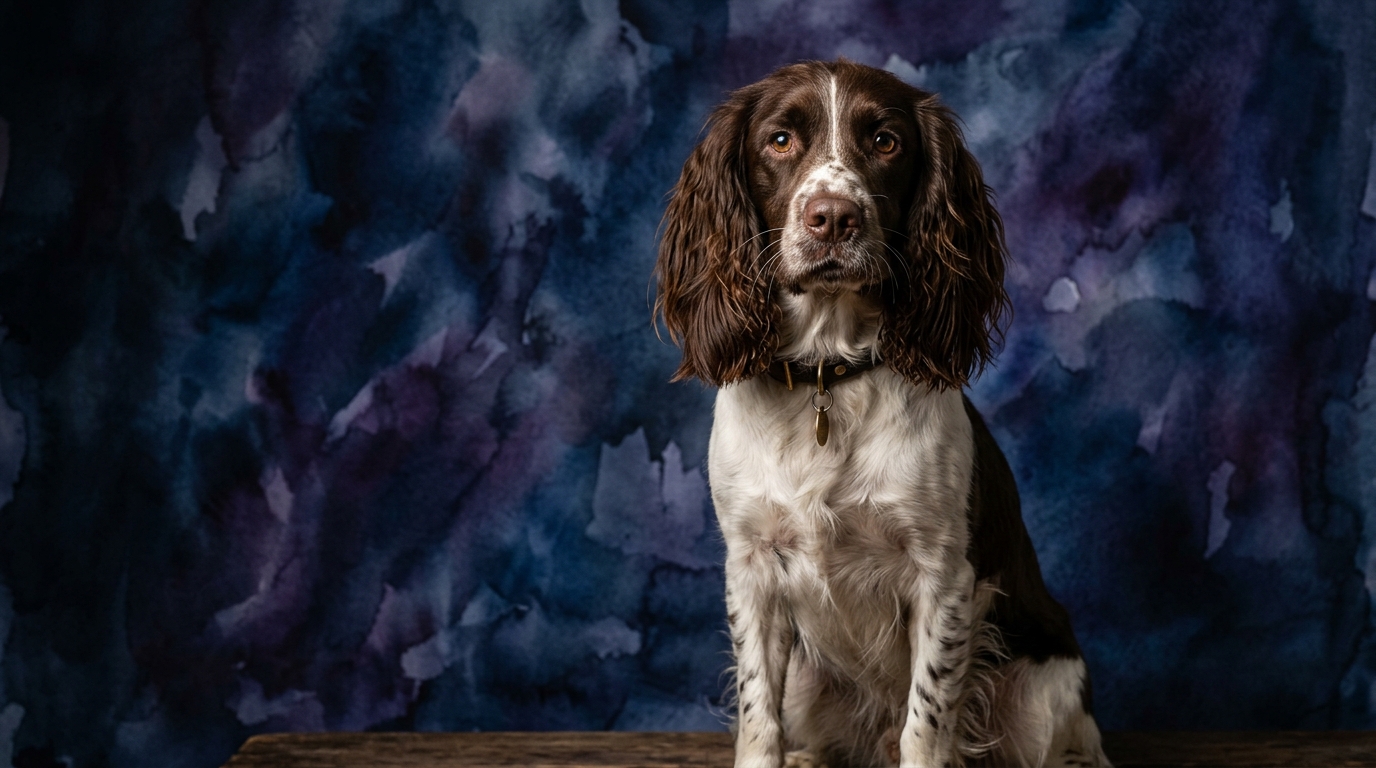
**English Springer Spaniel (Sporting Group, Coren Rank #13)**: The English Springer Spaniel presents a robust cognitive profile tailored for their active sporting roles. Their **Problem Solving (4/5)** skills are proficient, particularly in challenges related to their hunting heritage, such as locating hidden game or navigating varied terrain during a retrieve; they demonstrate adaptable thinking. **Training Speed (5/5)** is equally impressive, with Springers quickly picking up new commands and enjoying the process of engagement with their handler, fueled by enthusiasm and a desire to cooperate. **Social Intelligence (4/5)** is strong, as these spaniels display a keen understanding of social cues, eager to interact and please their human companions, thriving on companionship and perceiving emotional signals. Their **Instinctive Drive (5/5)** is centered around flushing and retrieving, leading to an intense focus on scent work, exploration, and carrying objects, which fuels their energetic and persistent nature. While excellent, their **Memory (4/5)** is robust, retaining training and learned behaviors effectively, though recall of complex, multi-step sequences might require slightly more reinforcement compared to a 5/5 rating, reliably remembering key commands and routines.
Where Shetland Sheepdog Wins Cognitively
The Shetland Sheepdog's cognitive edge is most apparent in its superior Coren rank of #6, placing it significantly higher than the English Springer Spaniel at #13. This difference primarily reflects a greater aptitude for working and obedience intelligence, meaning Shelties generally grasp new commands and execute them reliably with fewer repetitions across a broader range of complex tasks. Their perfect 5/5 memory score further amplifies this advantage; Shelties are exceptional at recalling intricate sequences, long chains of commands, and specific training protocols even after long breaks. This allows them to build vast repertoires of learned behaviors and maintain high levels of precision in disciplines like competitive obedience or advanced agility, where remembering a detailed course or routine is paramount. Their herding instinct also provides a distinct spatial awareness and ability to strategize movement, which can translate into problem-solving tasks requiring organized action.
Where English Springer Spaniel Wins Cognitively
While the Shetland Sheepdog excels in structured obedience, the English Springer Spaniel demonstrates a unique cognitive strength rooted in its sporting heritage. Their instinctive drive (5/5) for flushing and retrieving imbues them with a remarkable persistence and focus in scent-driven tasks and exploration. Springers often display an exceptional ability to independently problem-solve in dynamic, unstructured environments, such as navigating dense cover to locate a hidden object or tracking a scent trail over varied terrain. Their keen olfactory intelligence and unwavering determination to complete a 'hunt' or retrieve task represent a different facet of cognitive prowess. This translates into a resilience in the face of environmental distractions and an innate ability to work cooperatively yet independently in the field, making quick, on-the-spot decisions to achieve their goal.
Which is Easier to Train and Why
Both the Shetland Sheepdog and the English Springer Spaniel boast an impressive 5/5 rating for training speed, indicating they both absorb new information rapidly. However, the Sheltie's higher Coren rank and perfect 5/5 memory score suggest a nuanced difference in overall training ease, especially for complex or prolonged training regimens. Shelties often exhibit a more consistent focus on their handler and a stronger desire to precisely execute commands, making them exceptionally responsive to intricate obedience and trick training. Their superior memory means less review is typically needed to maintain a high level of performance. In contrast, while Springers are eager and quick to learn, their powerful instinctive drive for scent work and exploration can sometimes lead to momentary distractions, particularly in stimulating outdoor environments. This might require an owner to work harder to maintain focus during high-distraction training, though their enthusiasm for engagement still makes them highly trainable.
Which Suits Active Owners vs Relaxed Owners
Neither the Shetland Sheepdog nor the English Springer Spaniel are well-suited for truly relaxed, sedentary owners; both breeds possess robust energy levels and strong instinctive drives that demand an outlet. For active owners seeking a dog for precision sports, advanced obedience, or a companion for long, structured walks and mental games, the Shetland Sheepdog is an excellent fit. Their need for purpose and mental engagement aligns perfectly with owners who enjoy teaching complex sequences and engaging in competitive dog sports. Conversely, the English Springer Spaniel thrives with active owners who enjoy extensive outdoor adventures, such as hiking, trail running, or field activities. Owners who appreciate a dog with immense stamina, a passion for exploring, and a strong drive for retrieving will find the Springer an ideal partner. While both require significant exercise, the Sheltie often prioritizes mental engagement, whereas the Springer often seeks vigorous physical exertion and independent exploration.
The Verdict
Choose a Shetland Sheepdog if you prioritize a highly responsive companion for precision training, complex obedience, or dog sports requiring exceptional memory and focus, and appreciate a partner who thrives on structured mental engagement. Their cognitive strengths are best harnessed by owners who enjoy teaching intricate skills and maintaining a consistent training regimen.
Opt for an English Springer Spaniel if your lifestyle involves extensive outdoor activity, a love for exploring varied terrains, and a desire for a tireless companion for adventures like hiking or scent work. They are ideal for owners who can channel their energetic retrieving and flushing instincts into purposeful, vigorous physical and mental stimulation.
🧠 Find Your Pet's IQ Score
Our Pet IQ Lab assessment covers 25+ tests across 5 cognitive dimensions — personalized to your breed.
Take the Full IQ Test →Frequently Asked Questions
Do Shetland Sheepdogs bark more than English Springer Spaniels?
Shetland Sheepdogs, due to their herding instincts, often have a tendency to be more vocal, using barks to alert or 'herd' their surroundings. English Springer Spaniels can also be vocal, particularly when excited or focused on a task, but typically less so than Shelties in a general home environment. Both can be trained to manage their barking.
Are Shetland Sheepdogs good with children compared to English Springer Spaniels?
Both breeds can be wonderful with children, but their approaches differ. Shetland Sheepdogs are often gentle and patient, though they might try to 'herd' younger children, which requires supervision. English Springer Spaniels are typically very friendly and playful, often enjoying boisterous games with kids, making them a robust companion for active families. Socialization is key for both.
Which breed requires more grooming, Shetland Sheepdog or English Springer Spaniel?
Both breeds require regular grooming to maintain their coats. Shetland Sheepdogs have a dense double coat that needs frequent brushing (2-3 times a week) to prevent mats and reduce shedding. English Springer Spaniels have a medium-length coat with feathering that also requires regular brushing (2-3 times a week) and occasional trimming to keep it neat and free of tangles, especially after outdoor adventures.