Side-by-Side Cognitive Profiles
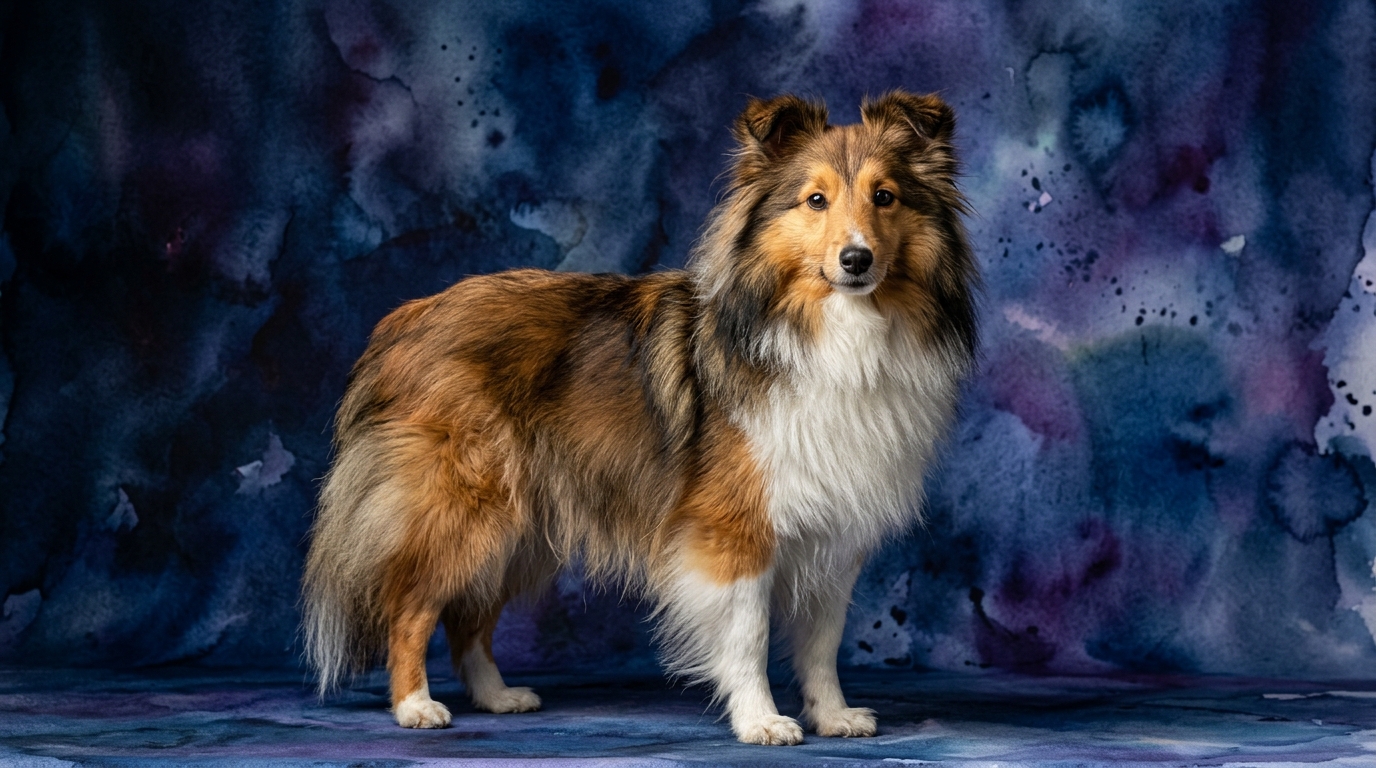
The Shetland Sheepdog, recognized by Coren as the 6th most capable breed for obedience and working intelligence, demonstrates a remarkable suite of cognitive abilities. Their Problem Solving is rated 4/5, indicating a strong capacity to analyze novel situations and devise effective strategies. Training Speed is an exceptional 5/5, meaning they grasp new commands, intricate sequences, and complex behaviors with startling rapidity, making them highly receptive to instruction. Social Intelligence, at 4/5, reflects their keen ability to interpret human body language, tone, and intentions, fostering a deep, responsive bond. An Instinctive Drive of 5/5 highlights their profound inherent desire to herd, patrol, and engage in purposeful activity, requiring appropriate outlets. Finally, their Memory is rated 5/5, ensuring excellent long-term retention of learned tasks, routines, and past experiences, contributing to their consistent performance.
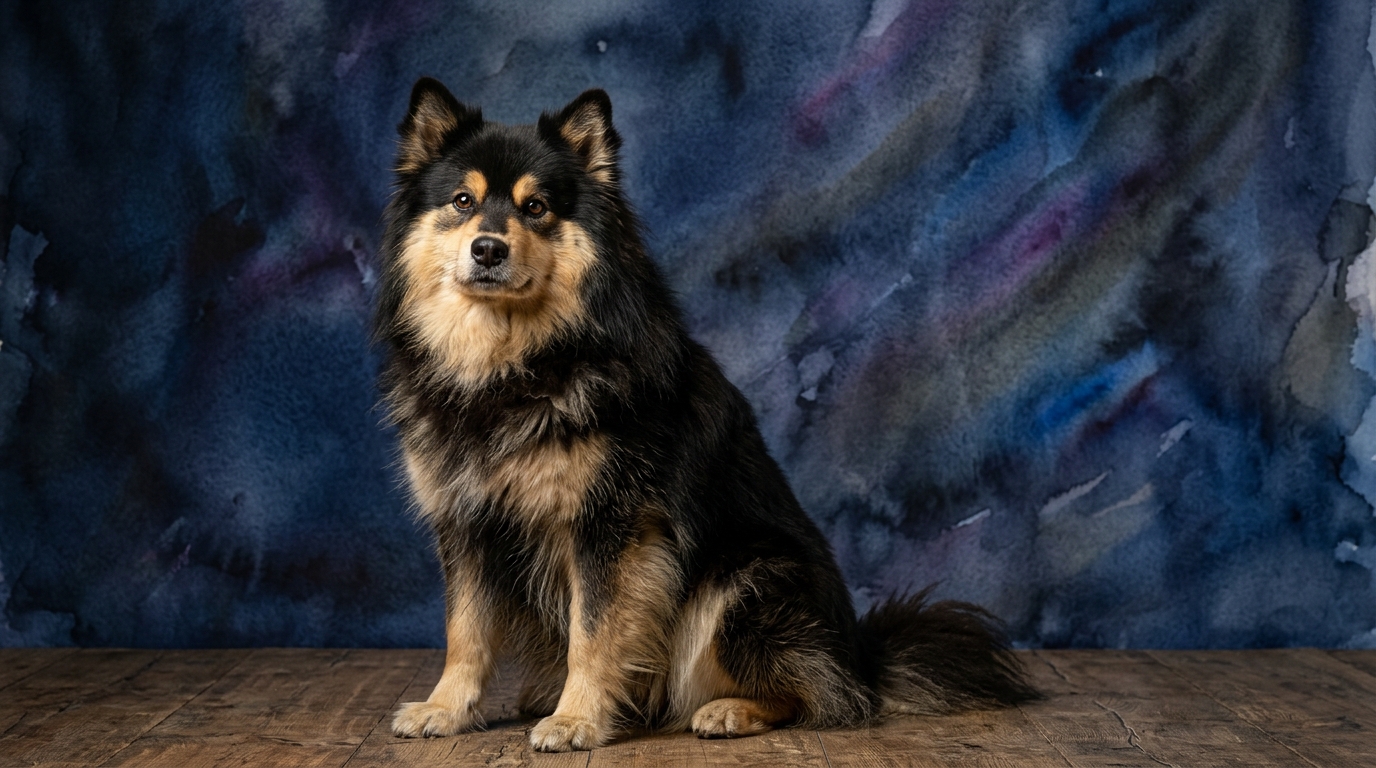
The Finnish Lapphund, while not specifically ranked by Coren, presents a different cognitive blueprint, shaped by centuries of herding reindeer in challenging Arctic conditions. Their Problem Solving ability stands at 3/5; they are capable of navigating and resolving issues but may approach new puzzles with a more deliberate, observational style, occasionally benefiting from guidance. Training Speed is 3/5, suggesting they learn new cues and behaviors at a steady, reliable pace, thriving on consistent, positive reinforcement. Social Intelligence is also 3/5; they form deep, loyal bonds with their family, interpreting familiar cues effectively, but can exhibit a reserved demeanor with strangers. Their Instinctive Drive, at 3/5, reflects a natural herding inclination, particularly for moving livestock, but it is generally less intense or obsessive than some other herding breeds. Memory is rated 3/5, indicating a solid ability to recall routines and learned information, though perhaps not with the same immediate precision as a Sheltie.
Where the Shetland Sheepdog Excels Cognitively
The Shetland Sheepdog's cognitive strengths shine brightly in areas demanding rapid assimilation and precise execution. Their 5/5 Training Speed means they are often several steps ahead in learning, quickly linking verbal cues with actions and understanding complex multi-step commands. This isn't just about simple 'sit' or 'stay'; it extends to intricate agility courses, advanced obedience routines, and even scent work where they learn specific target scents with impressive speed. Coupled with a 5/5 Memory, once a Sheltie learns a task, it's typically ingrained for life, leading to remarkably consistent performance. Their 4/5 Problem Solving prowess allows them to excel at tasks requiring independent thought, such as navigating novel obstacles or figuring out how to retrieve a toy from a tricky spot. This proactive problem-solving makes them exceptionally capable partners in competitive dog sports and dynamic working roles. The Sheltie's 4/5 Social Intelligence also gives them an edge in understanding subtle human intentions, making them incredibly intuitive companions who can often anticipate their owner's next move or mood, fostering a truly symbiotic relationship.
Where the Finnish Lapphund Shows Unique Cognitive Strengths
While the Finnish Lapphund's scores may appear numerically lower, their cognitive profile represents a different, equally valuable set of strengths tailored for resilience and thoughtful engagement. Their 3/5 Problem Solving, for instance, translates not into a lack of ability, but often a more measured, independent approach to challenges. Instead of acting impulsively, a Lapphund might observe, process, and then execute a solution, which can be advantageous in situations requiring calm assessment over immediate reaction. The 3/5 Instinctive Drive, while present, is generally more manageable in a companion setting compared to the intense focus of some other herding breeds. This means they are less likely to constantly try to 'herd' children, other pets, or even inanimate objects, allowing for a more harmonious integration into a typical family home. Furthermore, their 3/5 Social Intelligence, characterized by a reserved nature with strangers, cultivates a profound, unwavering loyalty and devotion to their chosen family, creating a secure and predictable emotional bond that many owners deeply appreciate. This focus on deep familial connections is a unique cognitive advantage for building secure attachments.
Trainability: Sheltie's Swiftness vs. Lapphund's Steadiness
Without question, the Shetland Sheepdog is generally easier to train, primarily due to their exceptional 5/5 Training Speed and 5/5 Memory. Shelties absorb new information almost instantly, often needing only a few repetitions to master a command. Their Coren rank of #6 underscores this inherent trainability; they are wired to understand and execute human requests with minimal effort from the handler. Real behavioral differences include their eagerness to offer behaviors, their quick response to corrections, and their ability to generalize learned commands to new environments. They thrive on mental challenges and view training as an engaging game, often showing incredible focus and drive. In contrast, the Finnish Lapphund, with a 3/5 Training Speed and Memory, requires a more patient and consistent approach. They are willing learners, but they process information at a more deliberate pace. Owners might find they need more repetitions and a greater emphasis on positive reinforcement to solidify new behaviors. While capable, a Lapphund is less likely to anticipate a command or offer a complex behavior spontaneously; they prefer clear, consistent instructions. This isn't a deficiency, but a difference in cognitive processing speed and retention.
Matching Cognitive Needs to Owner Lifestyles
The choice between these two breeds for active versus relaxed owners boils down to the intensity and nature of their cognitive and physical needs. The Shetland Sheepdog, with its 5/5 Instinctive Drive and high cognitive capacity, is best suited for active owners who are prepared to provide substantial mental stimulation and physical exercise daily. These dogs thrive when given a 'job' – be it agility, obedience, rally, or complex trick training – to channel their potent energy and problem-solving skills. A Sheltie left without adequate mental engagement can become bored, potentially leading to undesirable behaviors. Conversely, the Finnish Lapphund, with its 3/5 Instinctive Drive, offers a more adaptable solution for both active and moderately active owners. While they certainly enjoy and benefit from regular walks, hikes, or play sessions, their drive is less obsessive. They are often content to engage in family activities, enjoy a good romp, and then settle down for quiet companionship. Their thoughtful nature means they don't constantly demand intense mental tasks, making them a good fit for families who enjoy activity but also appreciate periods of calm and connection.
The Verdict
Choose a Shetland Sheepdog if you are an owner seeking a highly responsive, eager-to-please companion who thrives on complex mental challenges, competitive dog sports, and consistent, engaging training. They are ideal for those ready to commit to providing ample intellectual stimulation and outlets for their profound working drive.
Opt for a Finnish Lapphund if you value a devoted, thoughtful, and adaptable companion with a moderate activity level, suitable for both active adventures and relaxed family life, and appreciate a breed that builds deep, unwavering bonds with its chosen people.
🧠 Find Your Pet's IQ Score
Our Pet IQ Lab assessment covers 25+ tests across 5 cognitive dimensions — personalized to your breed.
Take the Full IQ Test →Frequently Asked Questions
Do Shetland Sheepdogs need more mental stimulation than Finnish Lapphunds?
Yes, Shetland Sheepdogs generally require significantly more mental stimulation due to their 4/5 problem-solving and 5/5 memory, thriving on complex tasks and consistent learning to prevent boredom. Finnish Lapphunds, with 3/5 in these areas, are content with a more moderate level of engagement.
Are Finnish Lapphunds difficult to train?
Finnish Lapphunds are not difficult to train, but they learn at a more deliberate pace than Shetland Sheepdogs, scoring 3/5 in training speed. They respond well to patient, consistent positive reinforcement and form strong bonds that motivate them to please their owners.
How does the Herding instinct differ between the two breeds?
The Shetland Sheepdog possesses a potent 5/5 instinctive drive, manifesting as a strong, often intense desire to herd and work, requiring dedicated outlets. The Finnish Lapphund's 3/5 instinctive drive is present but generally less obsessive, making it more adaptable to a typical pet home without constant redirection of herding behaviors.