A Side-by-Side Look at Cognitive Profiles
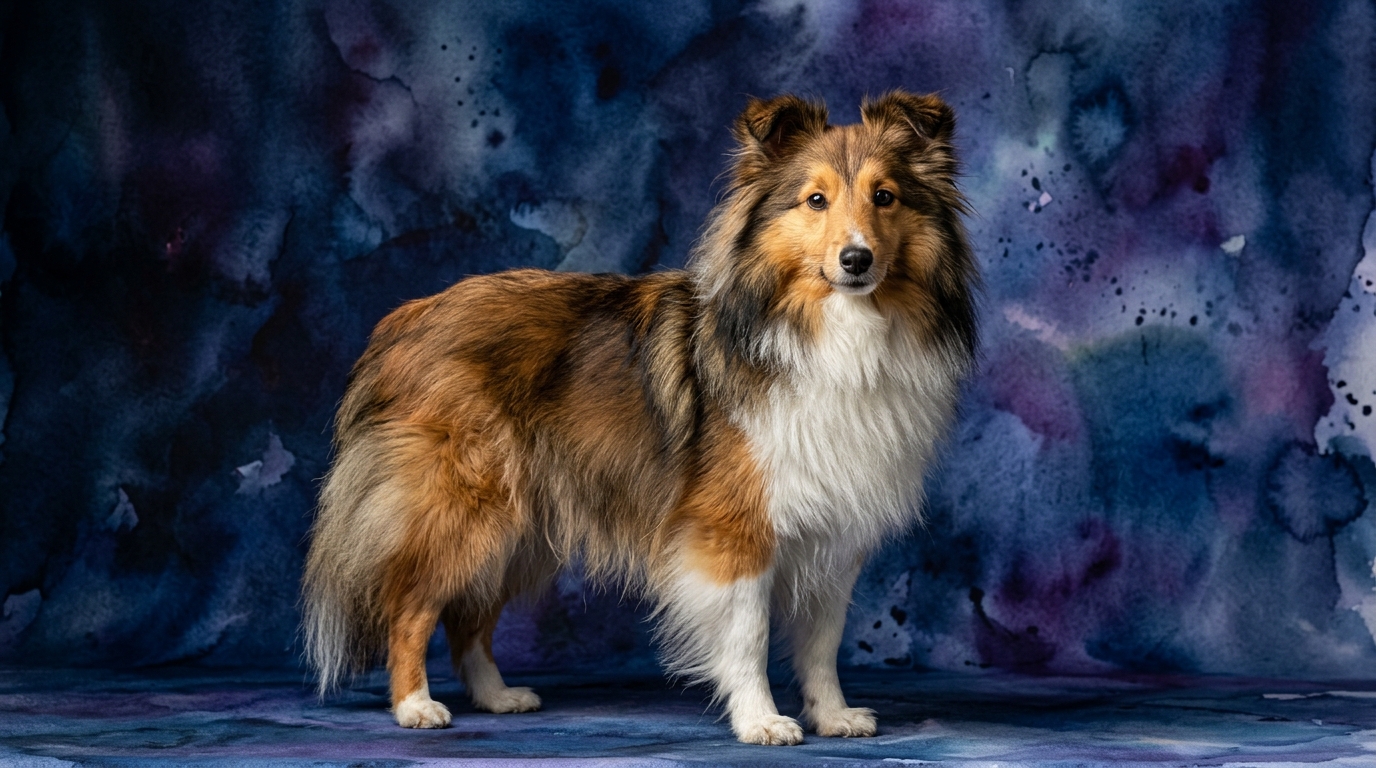
The Cosmic Pet Pet IQ Lab provides a granular view into the mental make-up of these two captivating breeds. For the Shetland Sheepdog, a Herding Group member with a Coren ranking of #6, we observe a profile built for precision and cooperation. Their Problem Solving is rated at 4/5, indicating a strong capacity for understanding complex tasks and navigating environments with purpose. Training Speed is an exceptional 5/5, highlighting their rapid acquisition of new commands and behaviors. Social Intelligence also stands at a robust 4/5, reflecting their sensitivity to human cues and desire for connection. A powerful Instinctive Drive of 5/5 underscores their innate herding tendencies and motivation for structured work, complemented by a perfect Memory score of 5/5, allowing them to retain vast amounts of information and routines.
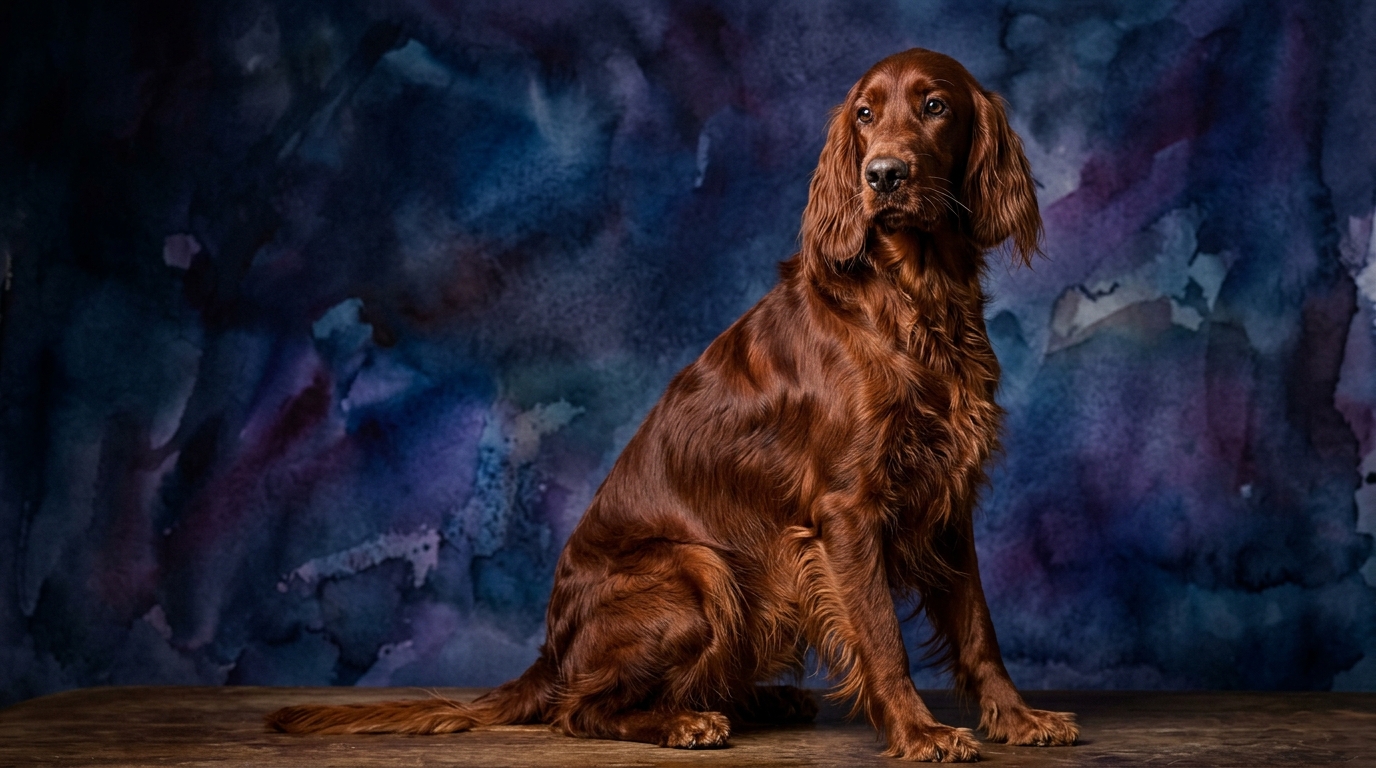
In contrast, the Irish Setter, a Sporting Group member with a Coren ranking of #35, presents a cognitive blueprint geared towards independent action and exploration. Their Problem Solving also registers at 4/5, suggesting an ability to figure things out, often with a creative, self-directed approach. Training Speed is a commendable 4/5, indicating good learning capabilities, though perhaps requiring more consistency than their herding counterpart. Social Intelligence is rated 3/5, showing friendliness and engagement, but possibly less focus on subtle human emotional shifts. Their Instinctive Drive is 3/5, primarily focused on scent work and ranging, which can sometimes lead to independent pursuits. Finally, their Memory is strong at 4/5, allowing them to recall learned behaviors and previous experiences effectively.
Where the Shetland Sheepdog Excels Cognitively
The Shetland Sheepdog's cognitive strengths are particularly evident in scenarios demanding precision, rapid learning, and a deep understanding of human intent. Their perfect 5/5 Training Speed means they absorb new commands with remarkable alacrity, often needing just a few repetitions to master a task. This makes them exceptional candidates for advanced obedience, agility, and other dog sports where complex sequences and quick responses are paramount. For instance, a Sheltie can quickly learn to differentiate between several toys by name or execute a multi-step fetch routine with specific object retrieval.
Furthermore, their superior Social Intelligence (4/5) combined with a high Instinctive Drive (5/5) means they are highly attuned to their handler's wishes and eager to cooperate. This isn't just about obedience; it's about anticipating needs and adapting their behavior to fit the situation. Their strong herding drive, while sometimes manifesting as gentle nudging, translates into a desire for order and a focus on keeping their "flock" (family) together, making them incredibly attentive and responsive companions. Their 5/5 Memory ensures that lessons learned are retained long-term, building a sophisticated repertoire of behaviors and responses.
Where the Irish Setter Shows Unique Cognitive Prowess
While sharing a Problem Solving score of 4/5 with the Sheltie, the Irish Setter applies this faculty in a distinctly different manner, often demonstrating ingenuity in open, dynamic environments. Their cognitive strengths truly shine when given the freedom to explore and utilize their natural hunting instincts. They excel at figuring out how to navigate complex terrains, locate hidden objects through scent, and make independent decisions in the field, often without direct human instruction. This is a form of practical problem-solving, driven by their passion for the chase and exploration.
Their moderate Instinctive Drive (3/5), while less about strict adherence to a task, allows for a more self-directed and adventurous approach to their environment. This means they are often more comfortable improvising and exploring novel situations without needing constant guidance. Their robust memory (4/5) serves them well in remembering hunting grounds, scent trails, and successful strategies for finding game, or simply for navigating their neighborhood on a walk. Their social intelligence (3/5) ensures they are amiable and engaging, readily forming bonds and enjoying interactions, even if they might not be as acutely sensitive to subtle human emotional shifts as a herding breed.
Training Dynamics: Shetland Sheepdog vs. Irish Setter
When it comes to ease of training, the Shetland Sheepdog generally holds an advantage, primarily due to their exceptional Training Speed (5/5) and powerful Instinctive Drive (5/5). Shelties are often described as "eager to please" and possess a strong work ethic inherited from their herding lineage. They thrive on having a job to do and quickly connect commands with actions, making them highly responsive to positive reinforcement. Their focus on the handler and desire to cooperate mean they typically require fewer repetitions to solidify new behaviors and are less prone to distraction during training sessions.
The Irish Setter, with a Training Speed of 4/5 and an Instinctive Drive of 3/5, is certainly trainable, but their approach requires a different strategy. Their independent spirit and strong drive to follow intriguing scents can make them more prone to distraction. While they can learn commands effectively, owners should anticipate needing more patience, consistency, and highly motivating rewards. Training sessions might need to be shorter and more engaging to maintain their interest, especially in environments with many stimuli. Their occasional "selective hearing" isn't a lack of intelligence, but rather a strong internal motivation to explore or follow a scent that overrides immediate obedience, reflecting their sporting heritage.
Matching Cognitive Profiles to Owner Lifestyles
Understanding these cognitive differences is key to matching a breed with the right lifestyle. The Shetland Sheepdog thrives with active owners who enjoy structured activities and mental engagement. Their high Problem Solving, Training Speed, and Memory make them ideal partners for dog sports such as agility, obedience, rally, and even trick training, where their precision and rapid learning can truly shine. They need daily mental challenges as much as physical exercise. An owner who loves teaching complex sequences or participating in competitive events will find the Sheltie an incredibly rewarding and capable companion, as they are motivated by purpose and cooperation.
Conversely, the Irish Setter is best suited for owners who prioritize extensive physical activity and appreciate a more independent, free-ranging companion. Their Sporting Group background means they need significant daily exercise, often in the form of long runs, hikes, or field work where they can indulge their passion for exploring and scent tracking. While they enjoy interaction, their cognitive profile leans towards self-directed exploration rather than constant instruction. A relaxed owner who prefers minimal structured activity might find the Irish Setter's energy and independent streak challenging, potentially leading to boredom-related behaviors. Owners who enjoy long outdoor adventures and can provide ample space for them to roam will find the Irish Setter a joyful and spirited partner.
The Verdict
Choose the Shetland Sheepdog if you seek a highly responsive, cooperative companion eager for structured learning, intricate tasks, and a strong partnership in activities like dog sports or advanced obedience.
Opt for the Irish Setter if you desire a spirited, independent companion for extensive outdoor adventures, valuing their ingenuity in exploration and a more free-spirited, less rigidly structured relationship.
🧠 Find Your Pet's IQ Score
Our Pet IQ Lab assessment covers 25+ tests across 5 cognitive dimensions — personalized to your breed.
Take the Full IQ Test →Frequently Asked Questions
Do Shetland Sheepdogs require a lot of mental stimulation?
Yes, absolutely. With their high problem-solving abilities and strong memory, Shetland Sheepdogs thrive on mental challenges, puzzle toys, and learning new commands or tricks to keep their minds engaged and prevent boredom.
Are Irish Setters difficult to train due to their independent nature?
While Irish Setters can be more independent and occasionally distracted by scents, they are not difficult to train; they respond well to consistent, positive reinforcement and engaging methods that make learning fun for them.
Which breed is generally better for first-time dog owners?
The Shetland Sheepdog's eagerness to please and rapid training speed often make them a more straightforward choice for first-time owners willing to provide mental engagement, whereas the Irish Setter's higher exercise needs and independent streak might require more experience.