Side-by-Side IQ Profile
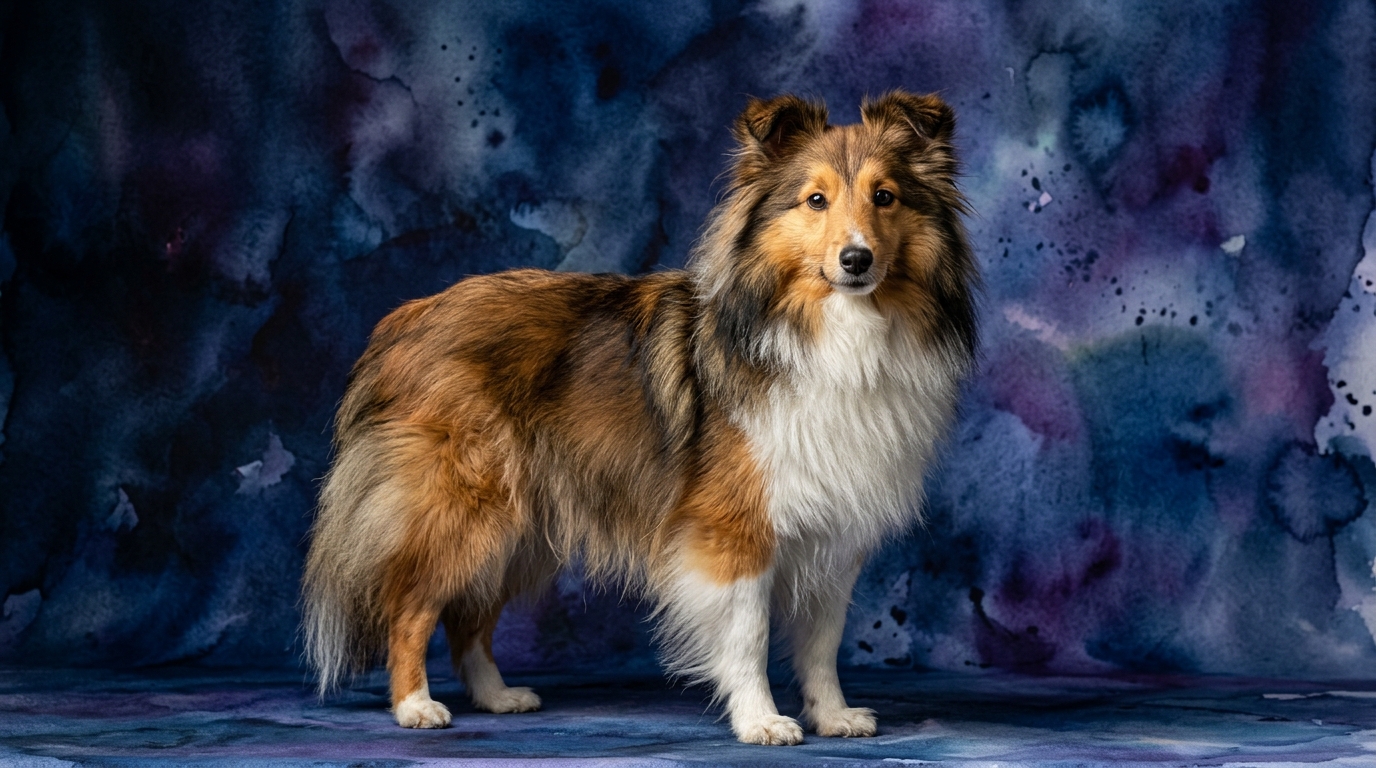
**Shetland Sheepdog:** These elegant dogs exhibit strong analytical capabilities, quickly grasping the mechanics of novel situations, whether it's figuring out how to open a gate or navigating an agility course, earning them a Problem Solving score of 4/5. Their exceptional Training Speed (5/5) means Shelties typically pick up new commands and routines with remarkable rapidity, often requiring only a few repetitions before mastery, making them highly amenable to complex obedience work. With a Social Intelligence of 4/5, Shelties are keenly attuned to human emotions and intentions, often anticipating their handler's next move, which contributes to their desire to cooperate and form deep, responsive bonds. Their herding heritage translates into a powerful Instinctive Drive (5/5) to manage and control movement, evident in their natural inclination to gather and direct, fueling their motivation for structured activities. With a perfect score in Memory (5/5), Shelties retain learned behaviors, commands, and experiences over extended periods, making their training durable and reliable.
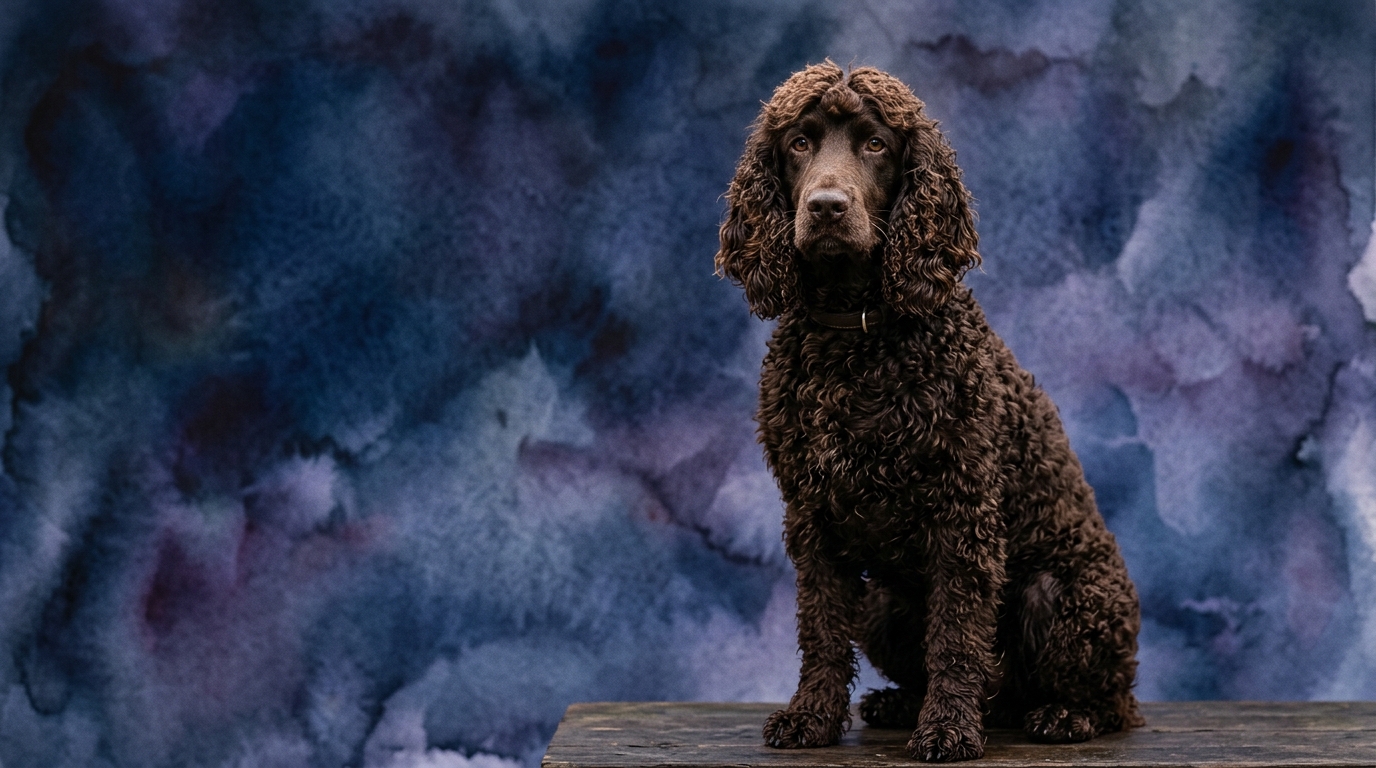
**Irish Water Spaniel:** Irish Water Spaniels share the Sheltie's impressive Problem Solving ability (4/5), adept at navigating complex environments and figuring out how to retrieve objects from challenging spots, often manifesting as independent thought in the field. While not quite as lightning-fast as the Sheltie, the Irish Water Spaniel still learns commands and routines at a good pace, requiring consistent but not excessive repetition, reflected in their Training Speed of 4/5. Irish Water Spaniels possess a good level of social awareness (Social Intelligence 3/5) but tend to be more independent in their interactions compared to the Sheltie; they understand human cues but may prioritize their own objectives. Their Instinctive Drive (3/5) centers around retrieving and water work, and while strong within their specialized role, it’s a more focused drive and generally less pervasive in daily life compared to a herding breed's constant 'management' instinct. Irish Water Spaniels demonstrate solid Memory capabilities (4/5), remembering learned commands and routines effectively, ensuring that once a behavior is established, it tends to stick, contributing to their reliability in their working roles.
Where Shetland Sheepdog Wins Cognitively
The Shetland Sheepdog's cognitive profile showcases distinct advantages in several key areas, particularly in its capacity for rapid learning and sustained retention. Its top-tier Training Speed (5/5) means a Sheltie can acquire complex sequences of commands and intricate tasks with minimal repetition, making them exceptional candidates for advanced obedience, agility, and competitive sports. This rapid assimilation of information is further solidified by their perfect Memory (5/5), ensuring that once a behavior is learned, it becomes deeply ingrained and reliable over time; owners will observe a Sheltie consistently executing commands even after long periods without practice, a testament to their robust recall. Furthermore, their superior Social Intelligence (4/5) compared to the Irish Water Spaniel (3/5) translates into a heightened responsiveness to human emotional states and an eagerness to cooperate, making them incredibly attuned partners. This blend of quick learning, enduring memory, and social sensitivity allows Shelties to excel in roles requiring precise execution and a strong, responsive partnership. Their Instinctive Drive (5/5) is also a powerful asset, providing an inherent motivation for structured activities and a natural inclination to engage with tasks that mimic their herding heritage, offering a clear purpose that other breeds might lack.
Where Irish Water Spaniel Wins Cognitively
While the Irish Water Spaniel doesn't outscore the Shetland Sheepdog on every metric, its cognitive strengths are uniquely tailored to its breed purpose, highlighting a different kind of operational intelligence. The Irish Water Spaniel matches the Sheltie in Problem Solving (4/5), but this intelligence often manifests with a more independent flair; an IWS is adept at autonomously assessing situations in the field, such as navigating complex terrain to retrieve game or figuring out the best entry point into a body of water, without constant handler direction. This self-reliance in problem-solving is a distinct advantage for a dog bred to work somewhat independently, making decisions on the fly. Their Instinctive Drive (3/5), while numerically lower than the Sheltie's, is intensely focused on retrieving and water work, meaning that when an IWS is engaged in tasks aligned with these drives, their motivation and focus are profound, allowing them to perform their specialized duties with unwavering dedication. Their solid Memory (4/5) further supports this, ensuring that once they learn a retrieve pattern or a specific hunting cue, it remains firmly in their repertoire, crucial for consistent performance in varied outdoor environments. The Irish Water Spaniel's cognitive profile emphasizes a robust, self-directed intelligence suited for specific, often challenging, working environments where independent decision-making is valued.
Which is Easier to Train and Why
Based on the data, the Shetland Sheepdog is demonstrably easier to train than the Irish Water Spaniel. The Sheltie’s perfect Training Speed (5/5) means they grasp new commands and complex routines with remarkable efficiency, often needing only a handful of repetitions to achieve mastery. This rapid absorption is bolstered by their equally perfect Memory (5/5), ensuring that once a behavior is learned, it is retained reliably over time, making proofing and generalization of skills straightforward; owners often report Shelties picking up subtle cues and multi-step tasks with an almost uncanny speed. Their high Social Intelligence (4/5) further enhances trainability, as they are exceptionally responsive to human feedback and cues, eager to please, and highly motivated by partnership. In contrast, while the Irish Water Spaniel has a respectable Training Speed (4/5) and Memory (4/5), they will typically require more consistent repetition and a greater variety of training methods to achieve the same level of proficiency as a Sheltie. Their slightly lower Social Intelligence (3/5) suggests they might be more independent thinkers, sometimes prioritizing their own interests or impulses over immediate human directives, particularly if a task isn't inherently motivating. This doesn't mean the IWS is untrainable; rather, it implies a need for more patience, creative engagement, and a deeper understanding of their independent spirit to achieve optimal results.
Which Suits Active Owners vs Relaxed Owners
Both the Shetland Sheepdog and the Irish Water Spaniel are breeds that thrive with active engagement, making neither an ideal choice for truly relaxed, sedentary owners. However, their activity needs manifest differently. The Shetland Sheepdog, with its powerful Instinctive Drive (5/5) and exceptional Training Speed (5/5), is a superb match for highly active owners who enjoy structured activities and mental challenges. They excel in dog sports like agility, obedience, flyball, and even competitive herding, requiring consistent mental stimulation and physical outlets for their boundless energy and sharp minds; an owner who can dedicate time to daily training sessions, puzzle toys, and vigorous exercise will find a Sheltie to be an incredibly rewarding and engaged partner. Conversely, the Irish Water Spaniel also demands an active lifestyle, but its needs are often geared towards more robust, outdoor-centric adventures, especially those involving water. Owners who are keen on hiking, swimming, retrieving games, or field work will find the IWS an enthusiastic companion. While they also benefit from training (Training Speed 4/5), their lower Social Intelligence (3/5) and more independent Problem Solving (4/5) mean they might be better suited for owners who appreciate a dog that can work alongside them but also think for itself, rather than constantly seeking direction. Neither breed is suitable for an owner seeking a low-maintenance couch potato; both require significant investment in their physical and mental well-being, albeit with different activity preferences.
The Verdict
Opt for a Shetland Sheepdog if you seek a highly responsive, eager-to-please companion for complex training, competitive dog sports, or a vigilant, deeply bonded family member who thrives on constant engagement and partnership.
Select an Irish Water Spaniel if you appreciate an independent, robust companion for outdoor adventures, particularly water-based activities, and enjoy a dog that combines strong problem-solving with a distinctive, self-reliant personality.
🧠 Find Your Pet's IQ Score
Our Pet IQ Lab assessment covers 25+ tests across 5 cognitive dimensions — personalized to your breed.
Take the Full IQ Test →Frequently Asked Questions
Do Shetland Sheepdogs bark more than Irish Water Spaniels?
Shetland Sheepdogs, due to their herding instincts and role as vigilant watchdogs, often have a more pronounced tendency to bark to alert or manage their environment. Irish Water Spaniels typically bark less frequently, using their voice more selectively during play or when excited, rather than as a constant form of communication.
Are Irish Water Spaniels good with children given their lower social intelligence score?
While their social intelligence score is lower than a Sheltie's, Irish Water Spaniels can be good with children, especially if raised with them and properly socialized. Their independence means they might not be as overtly cuddly or constantly seeking interaction as some breeds, but they are generally patient and playful companions, particularly enjoying active games.
Which breed is better for an owner new to dog training?
For an owner new to dog training, the Shetland Sheepdog's exceptional Training Speed and high Social Intelligence generally make them an easier and more forgiving breed to start with. Their eagerness to learn and strong desire to cooperate can build confidence in a novice trainer, whereas the Irish Water Spaniel's more independent nature might require a slightly more experienced or patient approach.