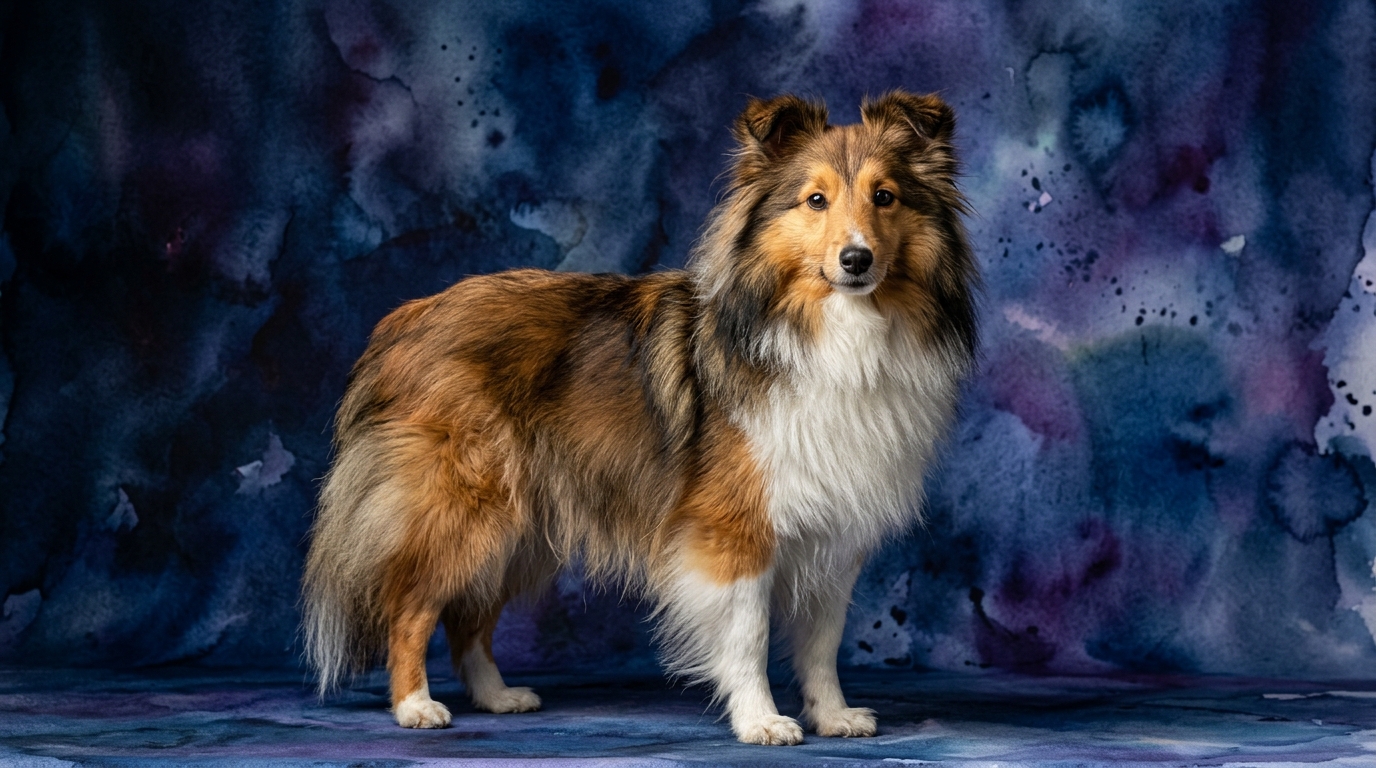
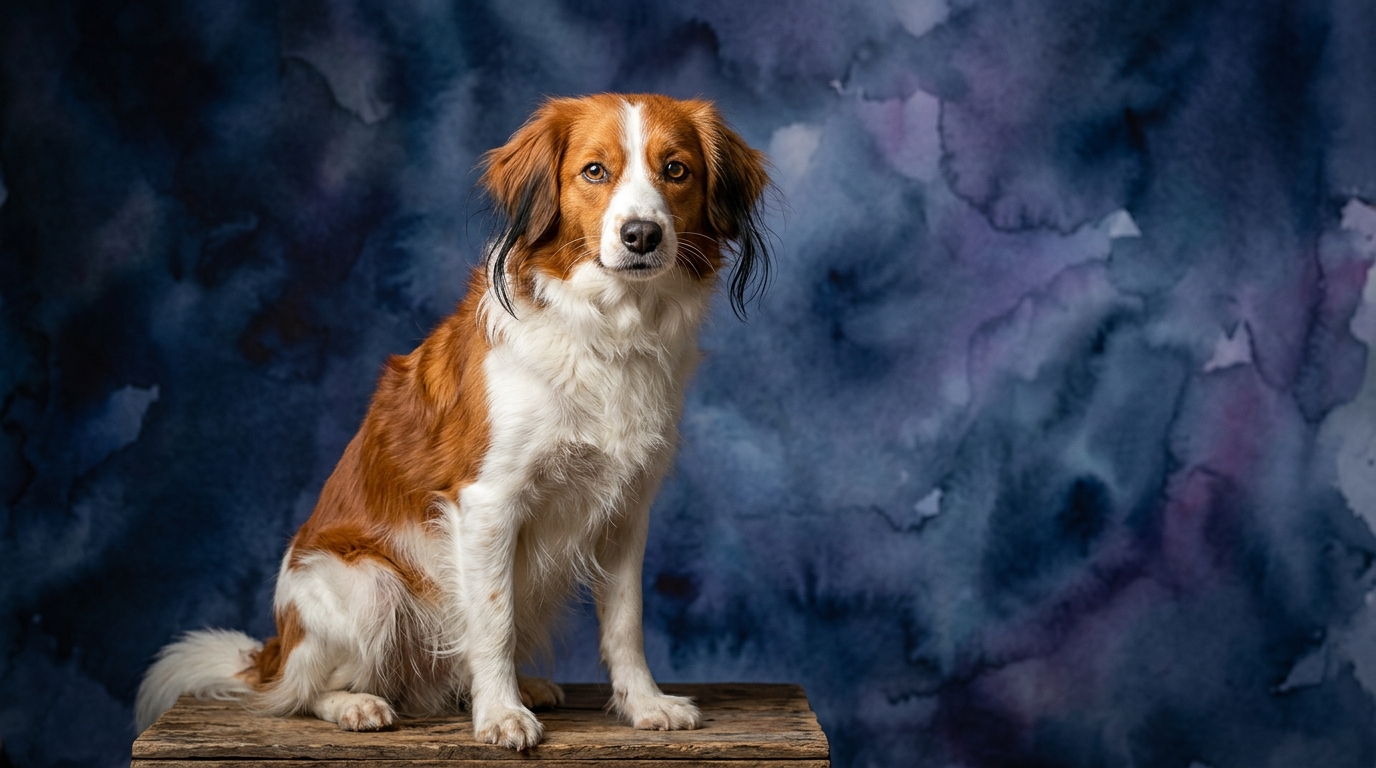
Side-by-Side IQ Profile: Sheltie vs. Kooikerhondje
The Cosmic Pet Pet IQ Lab employs a multi-dimensional assessment to evaluate canine cognition, moving beyond simple obedience to understand the nuances of a breed's mental makeup. Here's how the Shetland Sheepdog and Kooikerhondje stack up:
Shetland Sheepdog (Herding Group, Coren Rank #6): This breed’s cognitive profile reflects centuries of working alongside humans in demanding herding roles. Their high Coren ranking places them among breeds exceptionally adept at understanding and executing commands, a testament to their profound working and obedience intelligence. Problem Solving: 4/5. Shelties demonstrate a strong capacity for independent thought and strategic planning, adept at navigating complex environments or figuring out how to retrieve objects from challenging spots. Training Speed: 5/5. Their eagerness to please, coupled with an acute ability to make connections between actions and desired outcomes, makes them extraordinarily fast learners, often grasping new commands within a handful of repetitions. Social Intelligence: 4/5. Shelties are highly attuned to human emotions and subtle body language, often sensing a handler's mood, anticipating intentions, and responding empathetically. Instinctive Drive: 5/5. A powerful, inherent drive to herd, chase, and control defines much of their behavior, fueling their enthusiasm for purposeful activity. Memory: 5/5. Shelties possess excellent long-term recall, retaining complex sequences of commands, routines, and specific details about people and places for extended periods.
Kooikerhondje (Sporting Group, Not Coren-ranked): The Kooikerhondje's cognitive strengths are perfectly aligned with their original role as duck-luring dogs, emphasizing focus and persistence rather than broad command execution. Their absence from Coren's ranking does not imply a lack of mental capacity but suggests their specific cognitive strengths may not align with traditional obedience parameters, or their population size limited inclusion in such studies. Problem Solving: 3/5. Kooikerhondjes are capable problem-solvers, particularly when the task involves focused attention and persistence, such as scent work or finding hidden treats, though they may require more guidance for novel, complex problems. Training Speed: 3/5. While certainly trainable, Kooikers typically require more repetitions and a greater variety of motivational techniques to solidify new commands, reflecting their more independent nature. Social Intelligence: 3/5. Kooikerhondjes form strong, affectionate bonds with their families, generally friendly but sometimes reserved with strangers, and may be less overtly intuitive about subtle human cues than a Sheltie. Instinctive Drive: 3/5. Their drive is rooted in their historical role of luring ducks, manifesting as a focused, repetitive determination in tasks involving movement and curiosity, rather than broad control. Memory: 3/5. Kooikers possess a reliable memory for learned tasks, routines, and familiar environments, capable of remembering commands and tricks, but perhaps not with the intricate detail seen in breeds developed for highly complex working roles.
Where the Shetland Sheepdog Excels Cognitively
The Sheltie's cognitive architecture is a marvel of adaptive intelligence, giving them a distinct edge in several areas. Their superior problem-solving ability (4/5) isn't just about figuring things out; it's about anticipating. A Sheltie might predict where a ball will land or how a herd of sheep will move, making split-second decisions that demonstrate tactical thinking, a far cry from simply following a learned pattern. Their instinctive drive (5/5) is an incredibly powerful motivator, manifesting as an almost insatiable desire to work, to gather, and to engage in purposeful activity. This isn't just about energy; it's a cognitive engine that drives their focus and persistence, making them tireless partners in mental challenges. Furthermore, their exceptional memory (5/5) allows them to master and retain vast repertoires of commands, intricate agility courses, and complex behavioral sequences, often with incredible precision. This deep well of recall means they can pick up a forgotten trick or resume a complex task even after a long break. Coupled with their high social intelligence (4/5), which enables them to finely tune into human intentions and emotions, Shelties often appear to be “reading minds,” fostering a remarkably symbiotic partnership that few other breeds can match. They don't just learn what to do; they seem to understand why and when, making them exceptionally responsive and adaptable.
Where the Kooikerhondje Shows Unique Cognitive Strengths
While the Kooikerhondje may not rank as high in traditional “working intelligence,” their cognitive strengths are uniquely tailored to their heritage and offer distinct advantages. Their problem-solving ability (3/5), while perhaps less about grand strategy, excels in areas requiring focused persistence and methodical exploration. They are often superb at scent games, finding hidden objects, or navigating familiar routes with unwavering determination, demonstrating a cheerful tenacity rather than complex strategic planning. This isn't a lesser form of problem-solving, but one optimized for specific, repetitive tasks. Their instinctive drive (3/5) is less about controlling a flock and more about engaging with their environment in a playful, captivating manner. This drive manifests as a joyful curiosity and a love for interactive play, making them excellent partners for games of fetch or hide-and-seek. They are less prone to the intense, sometimes overwhelming, “need to work” seen in some herding breeds, offering a more balanced energy that is easier to integrate into a typical family lifestyle. Kooikers also possess a balanced social intelligence (3/5) that fosters deep, affectionate bonds with their chosen family. They are not overly demanding in their social interactions but offer unwavering loyalty and a charming, playful demeanor. Their cognitive strength lies in their ability to maintain focus on specific, engaging tasks without becoming overly stressed by ambiguity or high-pressure situations, allowing them to remain cheerful and adaptable in varied domestic settings. They often approach challenges with a lighthearted enthusiasm, making learning a fun, low-stress experience for both dog and owner.
Training Aptitude: Which Breed is Easier to Teach?
In terms of sheer ease and speed of training, the Shetland Sheepdog clearly takes the lead. Their 5/5 training speed is a direct result of their history as cooperative herding dogs, where instant, precise responses to commands were critical for managing livestock. This has instilled in them a profound biddability and an eagerness to please that makes them highly receptive to instruction. They quickly generalize learned behaviors to new contexts and are often motivated by the sheer joy of working alongside their handler. Their high social intelligence (4/5) also plays a significant role, as they are adept at reading subtle cues from their trainer, anticipating expectations, and responding to even slight shifts in tone or body language. This creates a remarkably fluid and efficient training dynamic.
The Kooikerhondje, with its 3/5 training speed, presents a different training experience. While perfectly capable of learning, they possess a more independent and sometimes whimsical streak. Their original role as duck-lurers involved less direct command-and-control and more self-directed engagement, which translates into a need for more patience and creative motivation in modern training. Kooikers can be easily bored by repetitive drills and may require shorter, more engaging sessions that incorporate play and novelty. They respond best to positive reinforcement and a strong, trust-based relationship, often viewing training as a fun partnership rather than a strict obedience exercise. While they will learn, it may take more repetitions and a more varied approach to capture their attention and solidify commands compared to the Sheltie's inherent drive to comply.
Matching Breeds to Lifestyles: Active vs. Relaxed Owners
For owners whose lifestyle revolves around high activity levels and a desire for a deeply engaged canine partner, the Shetland Sheepdog is an exceptional match. Their 5/5 instinctive drive means they thrive on having a purpose and require substantial mental and physical stimulation daily. These are dogs that excel in dog sports like agility, obedience, flyball, and even canine freestyle, eagerly tackling complex routines and problem-solving challenges. They are ideal for individuals or families committed to structured training, long hikes, and consistent brain games to channel their considerable mental energy. A Sheltie's need for activity isn't merely about burning off physical energy; it's about fulfilling a deep-seated cognitive requirement to work and to think.
Conversely, for owners who appreciate a more balanced, perhaps slightly less intense, level of engagement, the Kooikerhondje offers a charming alternative. While certainly not couch potatoes, their 3/5 instinctive drive translates to a moderate need for activity. They thoroughly enjoy regular walks, spirited games of fetch in the yard, and interactive puzzle toys, but they are generally content with a good daily outing and quality time with their family rather than demanding constant, high-stakes mental work. Kooikers are adaptable and can fit well into homes that provide consistent routines, opportunities for outdoor exploration, and plenty of affection. They are happy to settle down for quiet companionship after their exercise, making them suitable for owners who seek a cheerful, affectionate dog that can enjoy both active play and relaxed moments without the intense cognitive demands of a top-tier working breed. Their generally lower propensity for becoming anxious or destructive when not constantly engaged can be a significant advantage for owners with a slightly less rigorous daily schedule.
The Verdict
Opt for a Shetland Sheepdog if you are an active, dedicated owner eager to engage in advanced training, dog sports, or provide consistent mental challenges, appreciating their rapid learning and cooperative nature.
Choose a Kooikerhondje if you seek a cheerful, affectionate companion who enjoys moderate activity and playful engagement, valuing their independent spirit and adaptable nature within a loving family environment.
🧠 Find Your Pet's IQ Score
Our Pet IQ Lab assessment covers 25+ tests across 5 cognitive dimensions — personalized to your breed.
Take the Full IQ Test →Frequently Asked Questions
Is the Sheltie's herding instinct difficult to manage in a home environment?
The Sheltie's strong herding instinct (5/5) can manifest as nipping at heels or trying to "herd" children or other pets. Early socialization and consistent training are crucial to redirect this drive into appropriate outlets like herding games or agility, preventing it from becoming problematic.
Do Kooikerhondjes bark a lot due to their duck-luring background?
Kooikerhondjes can be alert barkers, especially when new people or sounds are present, but their duck-luring role didn't specifically involve sustained barking. With proper training and socialization, excessive barking can be managed, though they will generally alert you to visitors.
How do their grooming needs compare, given their different coat types?
Both breeds have double coats. The Sheltie's long, dense coat requires regular brushing (2-3 times a week) to prevent mats and manage shedding. The Kooikerhondje's medium-length, feathered coat also needs consistent brushing (at least twice a week) to keep it healthy and free of tangles, particularly on the ears and tail.