Side-by-Side Cognitive Profiles
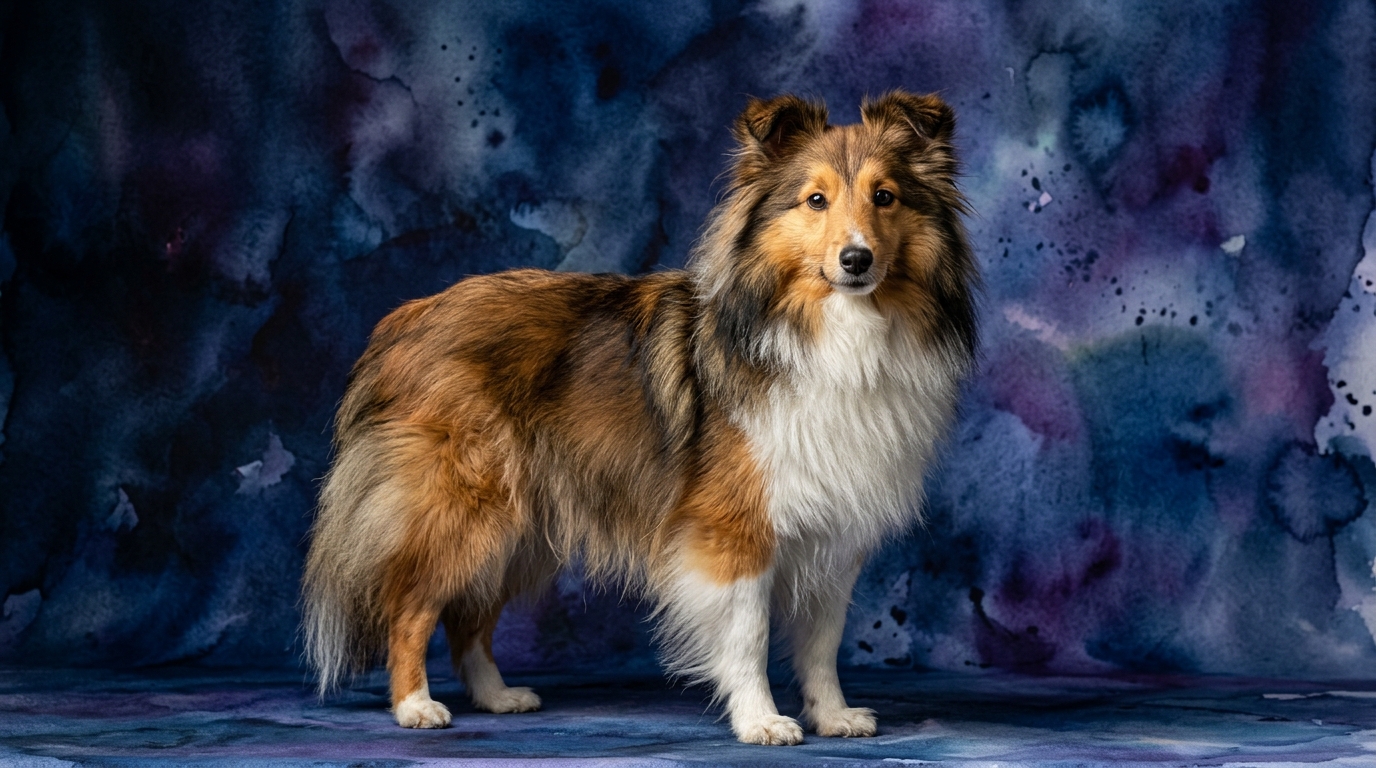
At The Cosmic Pet Pet IQ Lab, we evaluate canine intelligence across five crucial dimensions. The Shetland Sheepdog, a Herding group member with a Coren rank of #6, demonstrates a strong cognitive bias towards working tasks. Its Problem Solving is rated 4/5, indicating an aptitude for devising strategies, navigating complex environments, and understanding cause-and-effect relationships, often leveraging its natural herding instincts to approach novel challenges. Training Speed is an exceptional 5/5, reflecting its rapid acquisition of new commands and behaviors, eagerness to please, and quick association between actions and outcomes. Social Intelligence stands at 4/5, showing a nuanced understanding of human cues, emotional states, and social dynamics, making them highly attuned companions. An Instinctive Drive of 5/5 highlights its powerful, innate urge to herd, patrol, and remain vigilant, which translates into a strong work ethic. Finally, its Memory is 5/5, allowing for long-term retention of complex sequences, learned behaviors, and detailed recall of experiences.
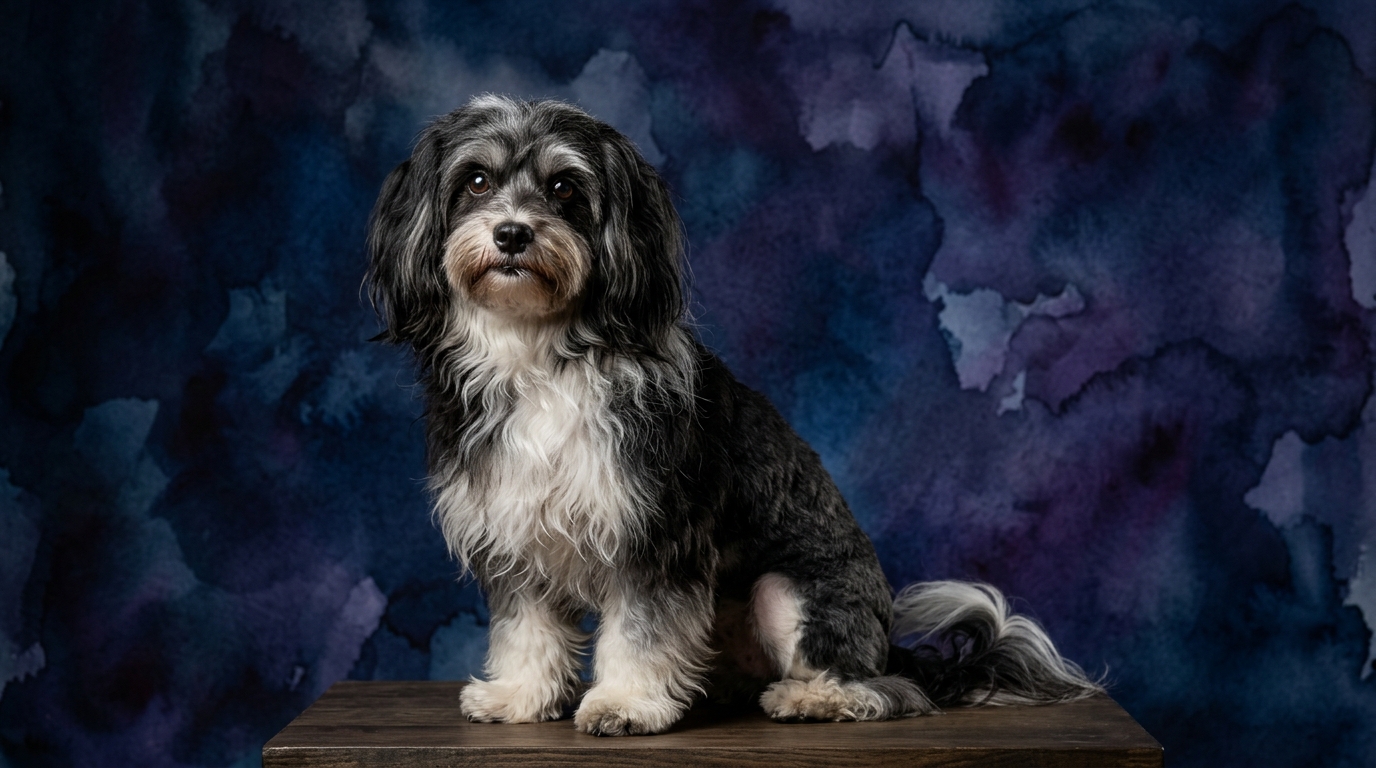
In contrast, the Löwchen, a Non-Sporting breed not ranked by Coren, presents a cognitive profile more aligned with its role as a charming companion. Its Problem Solving is 3/5, meaning it capably learns to navigate its home environment and solve practical, everyday challenges, but may not be as inclined towards abstract or multi-step puzzles without direct motivation. Training Speed is 3/5, indicating a steady learning pace that benefits from consistent, positive reinforcement, though it may require more repetitions than a Sheltie. Social Intelligence is also 3/5; Löwchens form deep bonds with their families and understand household routines, but their interpretation of subtle human expressions or complex social cues might be less intricate than a highly observant herding dog. Instinctive Drive is 3/5, reflecting a primarily companion-oriented motivation with minimal strong herding or prey drives, focusing instead on interaction and comfort. Its Memory is 3/5, allowing it to retain commands and routines effectively, though perhaps with less exhaustive recall of specific, intricate sequences over extended periods compared to a working breed.
Where the Shetland Sheepdog Excels Cognitively
The Shetland Sheepdog's cognitive strengths are particularly evident in its capacity for complex problem-solving and rapid learning. With a 4/5 in Problem Solving, Shelties often demonstrate an ability to figure out intricate puzzles, manipulate objects to achieve a goal, or even anticipate next steps in a sequence of events. For instance, they might quickly discern how to open a childproof gate or learn multi-stage agility courses with minimal guidance, applying their strategic thinking to new scenarios. Their 5/5 Training Speed means they absorb commands with remarkable alacrity, often needing only a few repetitions to grasp a new concept. This swift learning curve extends beyond basic obedience to advanced tricks, complex routines, and even specialized tasks.
Furthermore, the Sheltie's 5/5 Instinctive Drive fuels its cognitive engagement. This drive, rooted in their herding heritage, translates into a sustained focus and determination when presented with a task, whether it's gathering scattered toys or excelling in competitive dog sports. Their exceptional 5/5 Memory complements this, allowing them to recall extensive repertoires of commands, complex agility patterns, and positive or negative experiences with remarkable accuracy over long durations. This robust memory ensures consistency in performance and a deep understanding of established routines and expectations, making them highly reliable partners in structured activities.
Cognitive Strengths of the Löwchen
While the Löwchen's scores might appear lower than the Sheltie's, their cognitive profile is perfectly suited to their role as a devoted and adaptable companion, offering a different kind of mental aptitude. A Löwchen's 3/5 in Problem Solving means they are adept at navigating their social world and finding comfort. They might not be solving complex abstract puzzles, but they excel at figuring out how to get their human's attention, finding the sunniest spot for a nap, or subtly communicating their needs within the family dynamic. This practical, companion-focused problem-solving contributes to their charming and easy-going nature, as they are less prone to being overly analytical or anxious about complex environmental stimuli.
The Löwchen's 3/5 in Social Intelligence, while not as acutely perceptive as a Sheltie, fosters a straightforward and affectionate bond. They are content with clear communication and consistent interaction, making them less prone to overthinking subtle human cues that might stress a more sensitive breed. Their balanced 3/5 Instinctive Drive means they are typically less driven by intense working urges, leading to a more relaxed and less demanding cognitive landscape. This contentment with a less 'task-oriented' existence can be a significant advantage for owners seeking a dog whose mental energy is primarily directed towards companionship and domestic harmony, rather than requiring constant intellectual challenges to prevent boredom or frustration. Their 3/5 Memory is entirely sufficient for remembering beloved routines, family members, and their preferred comfort spots, contributing to their joyful presence.
Training Ease: Sheltie vs. Löwchen
When it comes to ease of training, the Shetland Sheepdog generally offers a faster and more intricate learning experience. Their 5/5 Training Speed means they pick up new commands and behaviors with remarkable quickness, often understanding what is expected after just a few repetitions. This eagerness to learn, combined with their 5/5 Memory, allows Shelties to master extensive vocabularies of commands, perform complex sequences, and excel in advanced obedience or agility. They are highly motivated by praise and the opportunity to work alongside their human, making them a joy to train for those who enjoy consistent engagement. However, this same rapid learning means they can just as quickly pick up unwanted behaviors if not consistently guided, requiring vigilance.
The Löwchen, with its 3/5 Training Speed, learns at a more moderate pace. They require more patience and consistent repetition to solidify new commands, but they are generally willing participants when positive reinforcement and affection are involved. Their training is often motivated by the desire for companionship and treats, rather than a strong intrinsic drive to perform a 'job.' Löwchens are less likely to develop complex behavioral issues stemming from under-stimulation due to their lower instinctive drive, making their training journey a steady and rewarding process focused on establishing good manners and harmonious living, rather than competitive performance. While they may not achieve the same speed or complexity in learning as a Sheltie, a well-trained Löwchen is a delightful and well-behaved companion.
Suitability for Active vs. Relaxed Owners
The cognitive profiles of these two breeds clearly delineate their ideal owner types. The Shetland Sheepdog, with its 4/5 Problem Solving, 5/5 Training Speed, and formidable 5/5 Instinctive Drive, thrives with active owners. These are individuals or families who are prepared to harness and direct a significant amount of mental energy. Shelties excel in dog sports like agility, obedience, flyball, and even herding trials, where their intelligence, memory, and drive can be fully utilized. They require consistent mental stimulation through training, puzzle toys, and engaging activities to prevent boredom, which can manifest as unwanted behaviors. An owner who enjoys teaching new tricks and participating in structured activities will find a Sheltie an incredibly rewarding and capable partner.
Conversely, the Löwchen, with its balanced 3/5 scores across most cognitive dimensions, is an ideal fit for more relaxed owners. These are individuals or families seeking a charming, affectionate companion who is content with regular, moderate exercise and ample family interaction. While Löwchens enjoy walks and playtime, they do not possess the same intense drive for constant intellectual challenges as the Sheltie. Their cognitive makeup allows them to be perfectly happy as cherished house pets, thriving on consistent affection and inclusion in family activities rather than demanding a 'job.' Owners who appreciate a dog that is adaptable, social, and doesn't require rigorous mental exercise to be content will find the Löwchen a delightful match.
The Verdict: When to Choose Each
The Verdict
Choose the Shetland Sheepdog if you're an active owner ready to channel substantial mental energy into training, dog sports, or complex tasks, seeking a highly responsive and engaged working partner.
Opt for the Löwchen if you desire a charming, adaptable companion primarily focused on family life and affection, content with consistent love and moderate daily engagement rather than intense mental challenges.
🧠 Find Your Pet's IQ Score
Our Pet IQ Lab assessment covers 25+ tests across 5 cognitive dimensions — personalized to your breed.
Take the Full IQ Test →Frequently Asked Questions
Do Shetland Sheepdogs require extensive mental stimulation?
Yes, Shetland Sheepdogs, with their strong problem-solving skills and high instinctive drive, benefit greatly from consistent mental engagement. Activities like puzzle toys, advanced training, and dog sports are crucial to keep their minds occupied and prevent boredom-related behaviors.
Are Löwchens suitable for first-time dog owners?
Löwchens can be an excellent choice for first-time dog owners due to their adaptable nature and moderate cognitive demands. Their steady training speed and companion-focused temperament make them relatively straightforward to manage with consistent positive reinforcement.
How does Coren rank relate to the Cosmic Pet IQ Lab scores?
The Coren rank primarily measures 'working and obedience intelligence,' reflecting how quickly a breed learns and obeys commands. The Cosmic Pet IQ Lab scores provide a more granular view across five distinct cognitive dimensions, offering a broader understanding of a breed's overall mental architecture and how it applies to various aspects of life, not just obedience.