Side-by-Side Cognitive Profiles
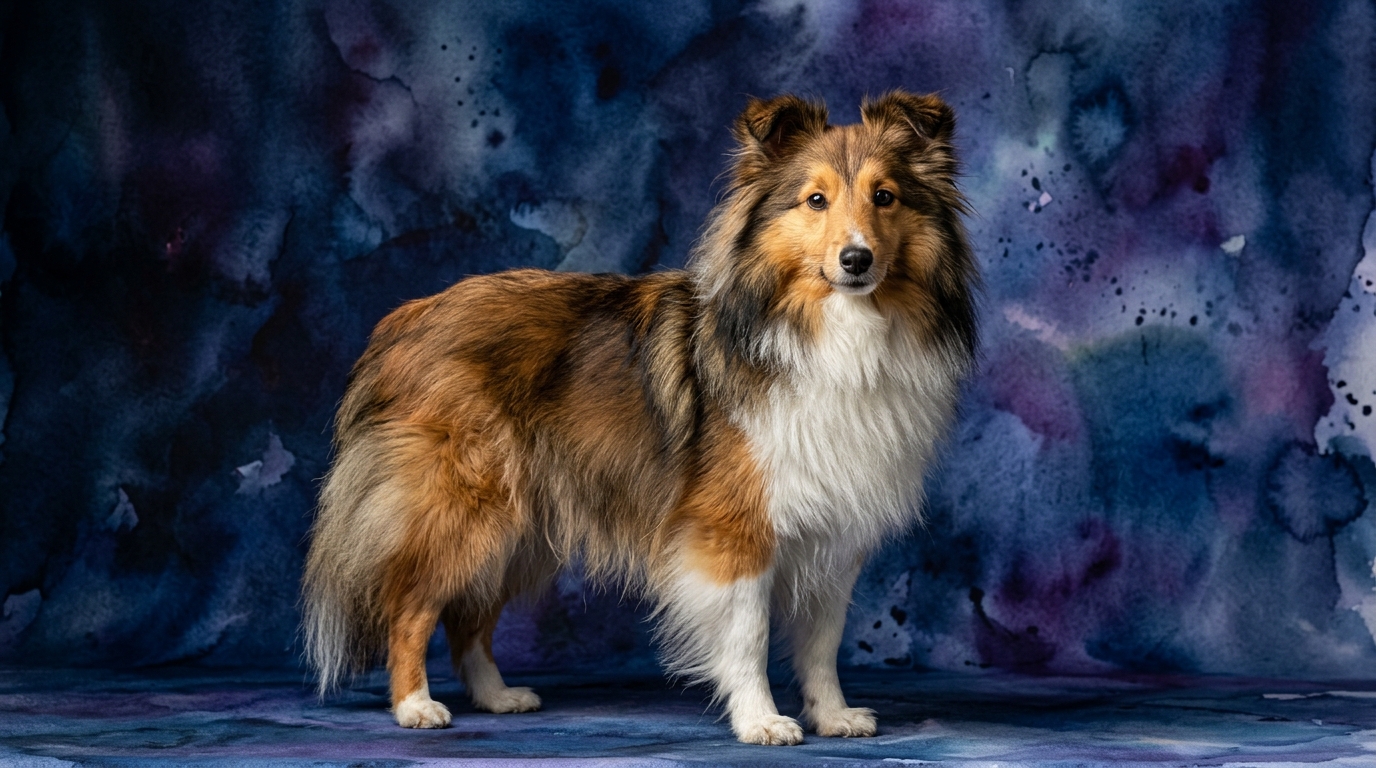
**Shetland Sheepdog (Sheltie)**
**Problem Solving (4/5):** Shelties exhibit strong cognitive flexibility, readily grasping the logic behind new tasks and adapting learned behaviors to novel situations. Their capacity for abstract thought makes them adept at puzzle toys and complex sequential commands, demonstrating a quick understanding of intricate challenges.
**Training Speed (5/5):** This breed's exceptional willingness to engage with their handler and sharp intellect translates into remarkably swift learning. Shelties often pick up new commands within a handful of repetitions, showing a keen desire to comply and intense focus during training sessions.
**Social Intelligence (4/5):** Shelties are highly attuned to human emotions and intentions, often anticipating their owner’s next move or mood. This perceptiveness fosters deep bonds and enables sensitive responses to subtle cues, making close handler-dog communication paramount.
**Instinctive Drive (5/5):** Their powerful herding instinct is a cornerstone, manifesting as an innate desire to gather, control, and organize. This drive involves strategic thinking and cooperative work, translating into a strong work ethic for structured activities.
**Memory (5/5):** Shelties possess a robust memory for commands, routines, and associations. Once a behavior is learned, it tends to be retained for extended periods, even with breaks in training, ensuring consistent performance over time.
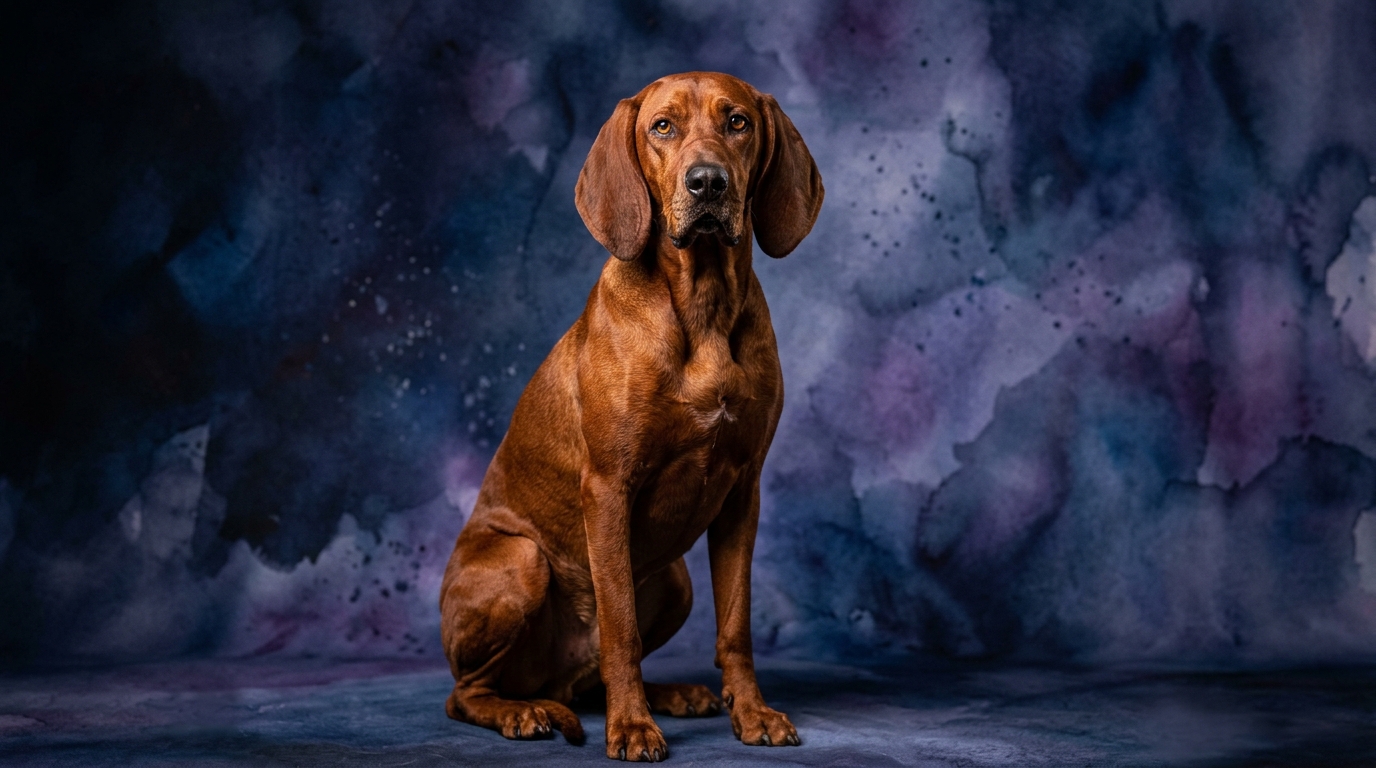
**Redbone Coonhound**
**Problem Solving (3/5):** Redbone Coonhounds demonstrate practical, goal-oriented problem-solving, excelling at deciphering complex scent trails and navigating obstacles independently. Their ingenuity is focused on field challenges, showing less interest in abstract, human-devised puzzles.
**Training Speed (3/5):** While capable of learning, Redbones' training speed is moderate, influenced by their independence and powerful scent drive. They require more repetitions, patience, and high-value motivators, as environmental odors easily distract them from conventional obedience.
**Social Intelligence (3/5):** Affectionate with family, Redbones express social intelligence differently, less overtly focused on subtle human cues when their nose is engaged. Their strong bonds are balanced by an inclination towards independent pursuit when a compelling scent arises.
**Instinctive Drive (3/5):** The Redbone Coonhound's primary instinctive drive is an intense, unwavering pursuit of scent. This singularly focused, powerful drive enables tracking for hours, but is less flexible for diverse cooperative tasks than a herding dog's instinct.
**Memory (3/5):** Redbones possess excellent memory for scent profiles and geographic locations related to trails and hunting areas. They recall specific scents and routes taken, though less so for abstract commands or complex sequences unrelated to their primal drives.
Where Shetland Sheepdogs Excel Cognitively
The Shetland Sheepdog's cognitive strengths shine in areas demanding precise execution, rapid learning, and close handler cooperation, aligning with their Coren ranking of #6. Shelties excel in learning extensive vocabularies and executing multi-part commands with exceptional speed and accuracy in dog sports. Their ability to generalize learned behaviors means they can apply a command in one context to new environments, demonstrating a deeper cognitive grasp beyond rote association. This allows for nuanced communication, as they often anticipate their handler's needs through subtle cues, fostering a tight working partnership. Their sharp memory ensures consistent, reliable performance.
Where Redbone Coonhounds Excel Cognitively
The Redbone Coonhound's cognitive prowess is deeply specialized, excelling in unparalleled olfactory intelligence and an indomitable will to follow a scent trail. Their 'adaptive intelligence' in the field is remarkable, demonstrating sophisticated problem-solving by discerning the freshest scent and navigating complex landscapes with unwavering focus. A Redbone can mentally map a scent's trajectory, requiring incredible sensory processing and spatial reasoning. Their memory for scent profiles is phenomenal, differentiating countless odors and recalling quarry scents from days prior. This persistence, driven by powerful instinct, enables them to overcome physical obstacles and extended efforts, making them master trackers.
Ease of Training: A Tale of Two Drives
There's a marked difference in trainability, with the Shetland Sheepdog being considerably easier for most owners. The Sheltie's 5/5 training speed and 4/5 social intelligence indicate high biddability; they possess an innate desire to please and thrive on positive reinforcement. Their strong focus on the handler allows rapid absorption of commands, often in just a few repetitions, motivated by praise, toys, and food.
In contrast, the Redbone Coonhound, with 3/5 training speed and social intelligence, presents a greater challenge. Their powerful, independent scent drive is primary; when on a trail, human commands become secondary. This isn't a lack of ability, but a prioritization of deep-seated instinct. Training requires immense patience, consistency, and high-value, often scent-related, rewards. They can be stubborn when instincts conflict with commands, demanding owners make themselves more compelling than environmental smells. Their progress is generally slower, and maintaining focus requires continuous creative engagement.
Matching Canine Cognition to Owner Lifestyle
Neither breed suits truly "relaxed" owners; both demand active engagement, though in different forms. The Shetland Sheepdog, with its 5/5 instinctive drive and high cognitive capacity, is ideal for active owners who enjoy structured activities. These dogs thrive on mental stimulation and purposeful physical exercise. Owners engaging in dog sports like agility, obedience, or herding will find a Sheltie an enthusiastic partner. Daily long walks, puzzle toys, and consistent training are essential to prevent boredom; a Sheltie needs a "job" to channel its mental energy effectively.
The Redbone Coonhound, while also requiring significant activity, caters to a different kind of active owner. Their 3/5 instinctive drive, singularly focused and incredibly powerful, needs extensive opportunities to use their nose, ideally in secure outdoor environments. Owners who enjoy long hikes, scent work, or hunting will find a dedicated companion. They require substantial physical exercise, often off-leash exploration where they can follow intriguing scents. While they can be calm indoors after needs are met, their "active" requirement is less about complex structured tasks and more about fulfilling their primal urge to track and explore.
The Verdict
Choose the Shetland Sheepdog if you desire a highly responsive, eager-to-please companion who excels in rapid learning, complex obedience, and dog sports, thriving on close cooperation and mental engagement. They are perfect for owners committed to consistent training and providing ample mental stimulation through structured activities.
Opt for the Redbone Coonhound if you are an experienced, patient owner who appreciates an independent, scent-driven dog, enjoys extensive outdoor activities like hiking or tracking, and can provide dedicated outlets for their powerful olfactory instincts. They suit those who value persistence and natural field intelligence over conventional biddability.
🧠 Find Your Pet's IQ Score
Our Pet IQ Lab assessment covers 25+ tests across 5 cognitive dimensions — personalized to your breed.
Take the Full IQ Test →Frequently Asked Questions
Is a Redbone Coonhound difficult to train for basic obedience?
Redbone Coonhounds can be more challenging for basic obedience than many breeds due to their independent nature and powerful scent drive. They require consistent, patient training with high-value rewards, as their focus can easily be diverted by interesting smells.
Do Shetland Sheepdogs require a lot of mental stimulation?
Yes, Shetland Sheepdogs have a high cognitive capacity and strong instinctive drives, meaning they require significant daily mental stimulation to prevent boredom and channel their energy productively. Puzzle toys, training sessions, and interactive games are crucial for their well-being.
Which breed is better for a first-time dog owner?
The Shetland Sheepdog is generally a better choice for a first-time dog owner due to their eagerness to please and higher biddability, making them easier to train and manage. Redbone Coonhounds, with their independent nature and strong instincts, typically require more experienced handling.