Side-by-Side IQ Profile: Sheltie vs. Shiba
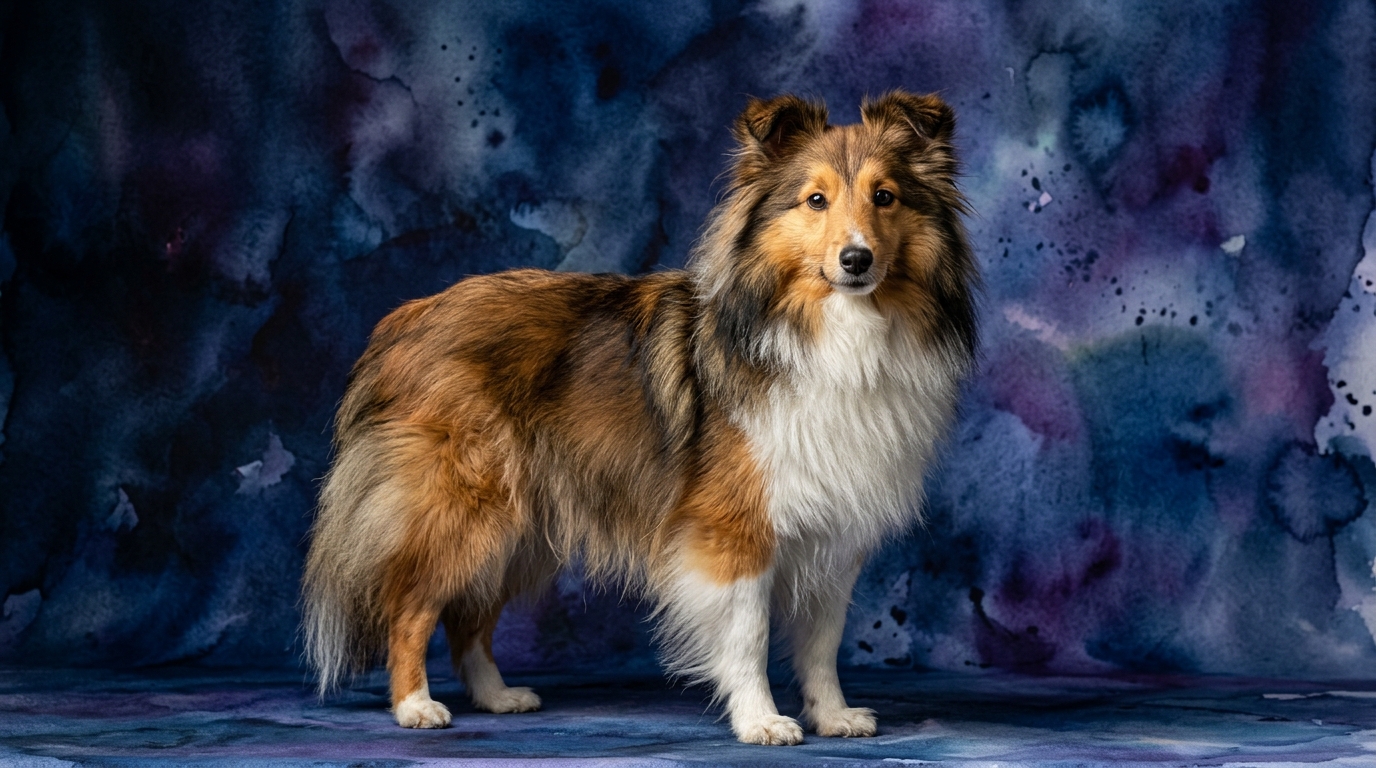
At The Cosmic Pet Pet IQ Lab, we dissect canine intelligence into five core dimensions to offer a nuanced understanding of each breed's cognitive makeup. For the Shetland Sheepdog, a breed ranked #6 by Coren for its working and obedience intelligence, we observe a robust cognitive profile. Their Problem Solving ability scores a solid 4/5, indicating a capacity for navigating complex situations and learning from experience. Training Speed is a standout at 5/5, suggesting an exceptional eagerness and aptitude for absorbing new commands and routines. Social Intelligence, crucial for human-animal bonding and understanding cues, is rated 4/5, while their Instinctive Drive, reflecting their inherent herding tendencies, also earns a high 5/5. Finally, the Shetland Sheepdog's Memory is exceptional, scoring a perfect 5/5, enabling them to retain vast amounts of information and learned behaviors.
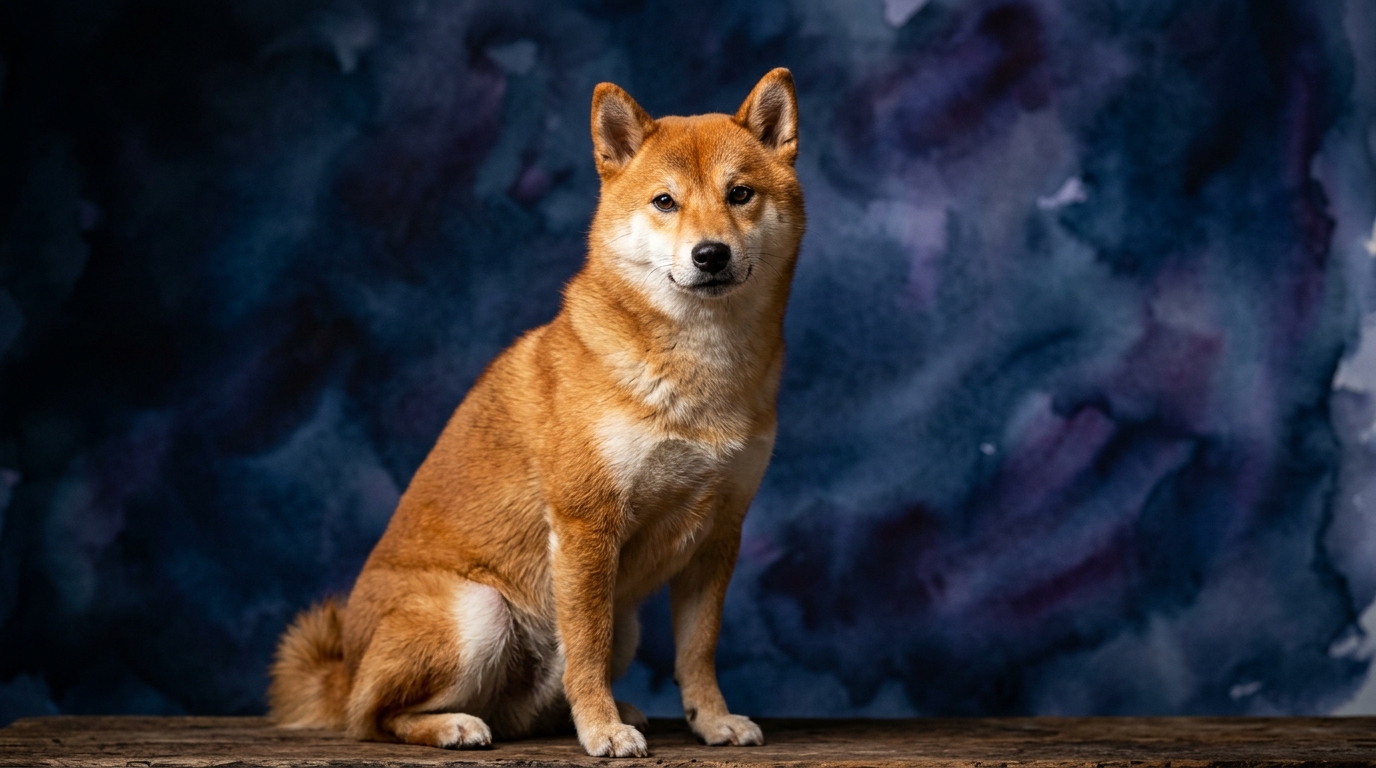
In contrast, the Shiba Inu, a non-sporting breed not specifically ranked by Coren, presents a different yet equally intriguing cognitive blueprint. Their Problem Solving capability matches the Sheltie at 4/5, showcasing a similar capacity to figure things out independently. However, their Training Speed is notably lower at 2/5, indicating a more selective or independent approach to learning commands. Social Intelligence for the Shiba Inu scores 3/5, suggesting they are capable of forming bonds but may exhibit a more reserved or less overtly collaborative demeanor. Their Instinctive Drive is also very strong at 5/5, reflecting their ancient hunting lineage and self-sufficient nature. The Shiba Inu's Memory is rated 4/5, which is still quite good, allowing them to recall important information, though perhaps not with the same depth or consistency as the Shetland Sheepdog.
Where the Shetland Sheepdog Wins Cognitively
The Shetland Sheepdog's cognitive strengths truly shine in areas demanding collaboration, rapid learning, and sustained focus. Their perfect 5/5 Training Speed and Memory, combined with a 4/5 Social Intelligence, mean they excel at understanding and executing multi-step commands, learning tricks quickly, and remembering them over long periods. This breed demonstrates a profound ability to anticipate human intentions and respond accordingly, making them highly adaptable to various training scenarios, from obedience to agility. Their strong instinctive drive, channeled through their herding background, translates into a natural inclination for structured tasks and a desire to work alongside their human companions, forming a cohesive unit. This collaborative mindset is a significant cognitive advantage, allowing them to integrate seamlessly into family routines and respond reliably to guidance.
Furthermore, the Sheltie's superior memory and social intelligence contribute to a deeper emotional understanding and responsiveness. They can recall past interactions and apply those lessons to new social contexts, making them adept at navigating household dynamics and interacting appropriately with different individuals. Their problem-solving skills, while matching the Shiba's, are often applied within a framework of cooperation, meaning they are more likely to seek human input or approval when faced with a challenge, rather than relying solely on independent action. This makes them particularly adept at tasks requiring consistent adherence to rules and procedures.
Where the Shiba Inu Wins Cognitively
The Shiba Inu's cognitive profile highlights a distinct brand of intelligence rooted in independence and self-reliance. While their Training Speed is lower, their 4/5 Problem Solving ability is just as robust as the Sheltie's, often manifesting in clever, self-directed solutions to environmental challenges. This breed is adept at figuring things out on their own, whether it's opening a gate, finding a hidden treat, or navigating a new territory. Their powerful 5/5 Instinctive Drive fuels this ingenuity, leading them to pursue their objectives with unwavering determination, often without needing human prompting or supervision. This self-sufficiency means they are less prone to separation anxiety and can entertain themselves effectively, making them quite resourceful in their daily lives.
The Shiba's 4/5 Memory, while slightly lower than the Sheltie's, is still highly functional, enabling them to remember critical information about their environment and routines. This memory, coupled with their strong instinctive drive, allows them to maintain a strong sense of territory and recall the locations of important resources or potential dangers. Their social intelligence, rated 3/5, suggests they are capable of forming strong bonds, but often on their own terms, valuing respect and space. This independent social approach means they are less likely to be overly clingy and can thrive in environments where their autonomy is respected, making them cognitively well-suited for owners who appreciate a dog with a strong, self-assured personality.
Which is Easier to Train and Why
Based on our IQ metrics, the Shetland Sheepdog is significantly easier to train than the Shiba Inu, primarily due to their stellar Training Speed score of 5/5 compared to the Shiba's 2/5. This disparity stems from fundamental behavioral differences. Shelties, as a herding breed, possess an innate desire to work closely with humans and a strong eagerness to please. They are highly responsive to commands, quick to pick up new cues, and maintain focus during training sessions. Their high social intelligence and memory mean they quickly understand what is expected of them and retain that information, making repetitive tasks efficient and rewarding for both dog and owner. They thrive on positive reinforcement and genuinely enjoy the process of learning and collaborating.
The Shiba Inu, on the other hand, presents a more challenging training experience due to their independent and sometimes stubborn nature. Their lower training speed isn't a reflection of a lack of intelligence, but rather a preference for self-motivation over human direction. Shibas are known for their selective hearing; they will comply if they perceive a benefit, but are less inclined to obey simply to please. This requires patience, consistency, and a deep understanding of their motivations from the owner. Training a Shiba often involves finding creative ways to make tasks intrinsically rewarding for them, rather than relying solely on traditional command-and-response methods. They require an owner who respects their autonomy and can make training feel like a game they choose to play, rather than an obligation.
Which Suits Active Owners vs. Relaxed Owners
The Shetland Sheepdog is an ideal companion for active owners who relish engaging in collaborative activities and providing consistent mental stimulation. Their high instinctive drive (5/5), coupled with their exceptional training speed and memory, means they thrive in environments where they have a job to do, whether it's participating in dog sports like agility, obedience, or herding trials, or simply learning complex tricks and routines at home. Owners who enjoy daily walks, runs, and interactive play sessions will find the Sheltie's energy and eagerness to participate a perfect match. They require an owner who is prepared to invest time in structured training and enrichment to keep their sharp minds occupied and prevent boredom-related behaviors. This breed flourishes when their cognitive abilities are regularly challenged and utilized.
The Shiba Inu, while possessing a strong instinctive drive (5/5) and problem-solving skills, can appeal to owners who appreciate independence and are prepared for a different kind of engagement. While they are active dogs that require regular exercise, their engagement with owners is often on their own terms. They suit owners who are comfortable with a dog that might prefer exploring independently on a hike rather than constantly checking in, or who are content with a less overtly clingy companion. Relaxed owners, in the sense of those who don't demand constant collaborative interaction, might find the Shiba's self-sufficient nature appealing. However, 'relaxed' does not mean passive; Shiba owners must be consistent with boundaries and provide ample opportunities for physical and mental exercise that cater to the Shiba's innate drive for exploration and problem-solving, often through puzzle toys or secure off-leash areas.
The Verdict
Choose the Shetland Sheepdog if you seek a highly trainable, collaborative companion eager to learn and participate actively in structured activities and family life.
Opt for the Shiba Inu if you appreciate an independent, resourceful dog with a strong will, and you are prepared for patient, consistent training that respects their self-directed nature.
🧠 Find Your Pet's IQ Score
Our Pet IQ Lab assessment covers 25+ tests across 5 cognitive dimensions — personalized to your breed.
Take the Full IQ Test →