
Side-by-Side IQ Profile
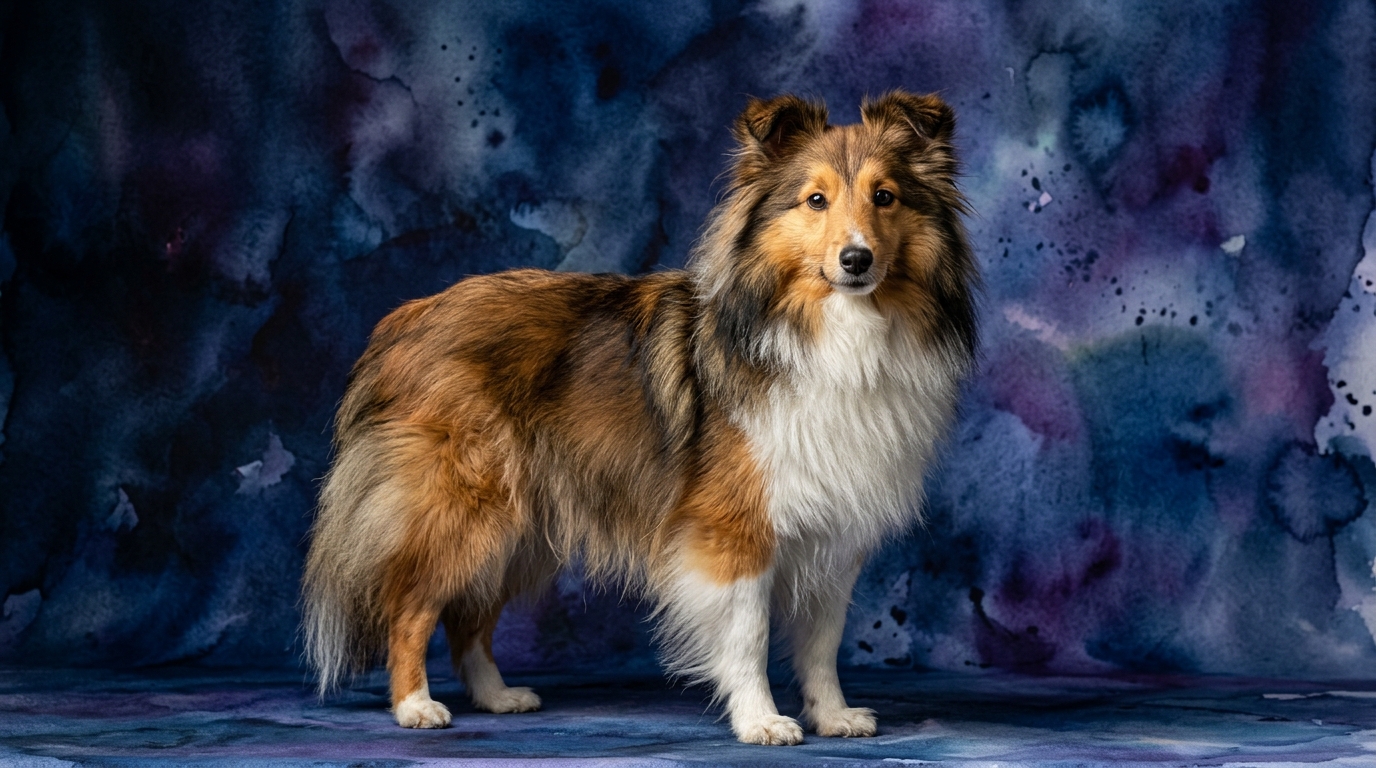
The Cosmic Pet Pet IQ Lab provides a unique lens through which to examine the cognitive strengths of different breeds. For the Shetland Sheepdog, a Coren rank #6 breed, its profile reflects a working heritage. Its Problem Solving is rated 4/5, indicating a strong capacity to analyze and navigate complex situations. Training Speed is an exceptional 5/5, showcasing an eagerness and ability to grasp new commands rapidly. Social Intelligence stands at 4/5, highlighting their nuanced understanding of human cues and relationships. Instinctive Drive is a commanding 5/5, reflecting a powerful internal motivation for work and task engagement. Finally, Memory is also 5/5, meaning they retain learned information and experiences over long periods with remarkable accuracy.
In contrast, the Toy Fox Terrier, a breed not Coren-ranked, presents a balanced yet distinct cognitive blueprint. Its Problem Solving is rated 3/5, suggesting a moderate ability to figure out common challenges and adapt to new environments. Training Speed is 3/5, indicating they are capable learners, though perhaps requiring more consistency and repetition than some breeds. Social Intelligence is 3/5, showing they connect well with their immediate family and understand basic social interactions. Instinctive Drive is 3/5, reflecting a balanced internal motivation often channeled into playful pursuits rather than an intense need for a specific job. Their Memory is also 3/5, signifying a solid ability to recall commands and routines with regular practice.
Where Shetland Sheepdog Wins Cognitively
The Shetland Sheepdog's cognitive profile consistently outpaces the Toy Fox Terrier across all five dimensions, a direct reflection of its demanding herding lineage. Their Problem Solving score of 4/5 means they are not just reactive but proactive, capable of truly figuring things out, whether it's navigating an agility course or deciphering a new puzzle toy. This contrasts with the Toy Fox Terrier's 3/5, which, while capable, suggests a preference for more straightforward solutions. The Sheltie's exceptional Training Speed (5/5) means they absorb new information with astonishing alacrity, processing commands and associating actions with outcomes almost instantly. This rapid processing speed is a significant advantage over the Toy Fox Terrier’s respectable but slower 3/5.
Furthermore, the Sheltie's Social Intelligence (4/5) allows for a nuanced understanding of human communication, picking up on subtle cues and intentions that might elude a less socially attuned breed. Their powerful Instinctive Drive (5/5) means they possess an inherent desire to engage, focus, and work, translating into unwavering attention during training and a strong motivation to perform tasks. Finally, their Memory (5/5) is a standout feature, enabling them to recall complex sequences, multiple commands, and past experiences with remarkable accuracy, a stark difference from the Toy Fox Terrier's more typical 3/5 memory retention. This cumulative cognitive strength positions the Shetland Sheepdog as a highly adaptable and profoundly engaged canine partner.
Where Toy Fox Terrier Wins Cognitively
While the Toy Fox Terrier's individual cognitive scores are numerically lower than the Shetland Sheepdog's, these very differences can be perceived as cognitive 'wins' depending on an owner's lifestyle and expectations. The Toy Fox Terrier's Problem Solving at 3/5, Training Speed at 3/5, and Memory at 3/5 indicate a dog that is perfectly capable of learning and adapting to a pet home without the intense cognitive demands of a working breed. This moderate profile means they are less likely to become restless or destructive if not constantly challenged with complex mental tasks, which can be a significant advantage for owners seeking a more straightforward companion.
Their Social Intelligence (3/5) suggests they are affectionate and connected to their family, but perhaps less prone to overthinking social dynamics, leading to a more uncomplicated and joyful interaction style. The Toy Fox Terrier's Instinctive Drive (3/5) is channeled into playful terrier antics and companionship rather than a constant need for a 'job,' making them content with regular play sessions and cuddles without requiring an outlet for intense herding or complex problem-solving. In essence, the Toy Fox Terrier 'wins' in offering a more relaxed mental presence, a dog whose cognitive needs are met with everyday engagement rather than requiring a dedicated training regimen or advanced mental exercises to prevent boredom. This makes them an ideal cognitive match for owners who appreciate a lively spirit without the constant pressure to provide high-level intellectual stimulation.
Which is Easier to Train and Why
Without question, the Shetland Sheepdog is the easier of the two breeds to train, a difference rooted deeply in their respective cognitive profiles and historical roles. The Sheltie's Training Speed of 5/5 is unparalleled; they possess a remarkable ability to grasp new concepts and commands with minimal repetition, driven by a strong desire to please and a natural aptitude for work. Their exceptional Memory (5/5) ensures that once a lesson is learned, it is retained long-term, building a robust foundation of known behaviors. This is further amplified by their high Instinctive Drive (5/5), which translates into an inherent focus and motivation to engage in tasks, making them highly responsive to guidance.
Conversely, the Toy Fox Terrier, with a Training Speed of 3/5 and Memory of 3/5, requires more patience and consistency. While they are certainly trainable, they may take longer to solidify new commands and might require more frequent refreshers. Their moderate Instinctive Drive (3/5) means they might not possess the same inherent 'eagerness to work' as a Sheltie, necessitating more varied and engaging motivational techniques to keep their attention. Training a Toy Fox Terrier will be a rewarding process, but it demands an owner who can commit to consistent, positive reinforcement and understands that progress might be slower than with a Sheltie.
Which Suits Active Owners vs Relaxed Owners
The choice between these breeds largely depends on an owner's capacity and desire to engage with a dog's cognitive needs. Active owners, who thrive on regular mental and physical challenges and want a truly engaged partner for canine sports or advanced training, will find the Shetland Sheepdog an ideal match. Their high Problem Solving (4/5), Instinctive Drive (5/5), and Memory (5/5) mean they flourish when given a 'job' – be it agility, competitive obedience, herding, or complex trick training. They require consistent mental stimulation to prevent boredom and channel their considerable cognitive energy productively. A Sheltie left without sufficient mental outlets can become restless or develop undesirable coping behaviors.
Relaxed owners, or those seeking a charming, lively companion without the commitment to extensive daily mental exercises, would likely find the Toy Fox Terrier a more suitable fit. Their moderate scores across the board (3/5 for Problem Solving, Training Speed, Social Intelligence, Instinctive Drive, and Memory) indicate a dog that is adaptable and content with a more balanced routine. Regular walks, interactive play, and basic obedience are usually sufficient to keep a Toy Fox Terrier happy and mentally stimulated. They are perfectly capable of learning and engaging, but do not demand the same level of intense cognitive challenge as a Sheltie, making them an excellent choice for those who value companionship and a less demanding intellectual presence.
The Verdict
Choose the Shetland Sheepdog if you are an owner prepared to actively engage a highly engaged, driven dog in complex training, canine sports, or extensive mental challenges, seeking a deeply connected and responsive working partner.
Opt for the Toy Fox Terrier if you desire a spirited, affectionate companion who thrives on consistent routine and companionship, without the intense cognitive demands or constant need for a 'job' that a working breed requires.
🧠 Find Your Pet's IQ Score
Our Pet IQ Lab assessment covers 25+ tests across 5 cognitive dimensions — personalized to your breed.
Take the Full IQ Test →Frequently Asked Questions
Is a Toy Fox Terrier difficult to train because its training speed is 3/5?
Not at all; a 3/5 training speed means they are capable learners, but they may require more patience, consistency, and engaging methods than a breed with a higher score. They respond well to positive reinforcement and clear communication.
Do Shetland Sheepdogs need constant mental stimulation to be happy?
Yes, with a 4/5 problem-solving and 5/5 instinctive drive, Shetland Sheepdogs thrive on mental engagement. Regular training, puzzle toys, and interactive activities are essential to keep their minds sharp and prevent boredom.
Can a Toy Fox Terrier participate in dog sports like agility?
Absolutely; while not as inherently driven as a Sheltie, Toy Fox Terriers are athletic and enjoy activities like agility, obedience, and rally. Their moderate problem-solving and training speed mean they can excel with dedicated training and a motivated owner.