Side-by-Side Cognitive Profiles: Unpacking Their Minds
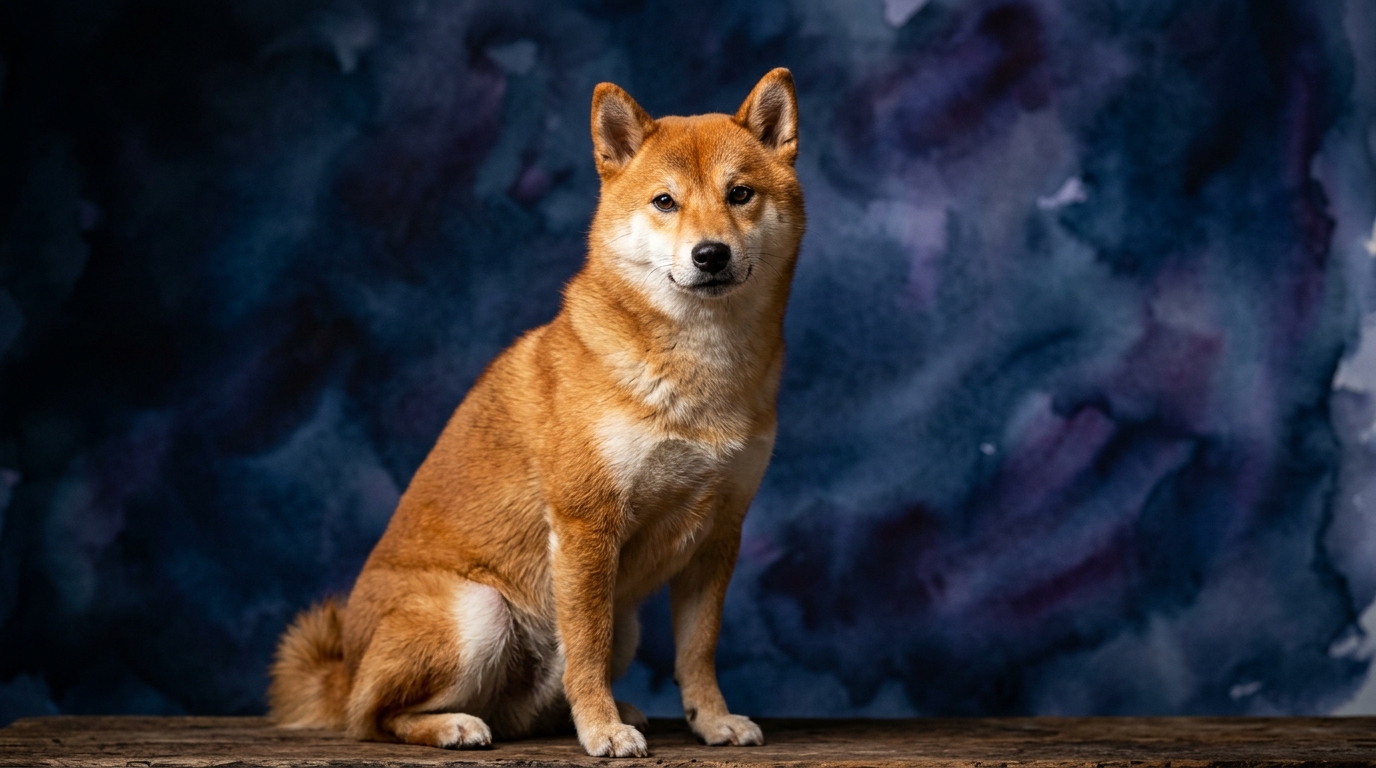
**The Shiba Inu: An Independent Thinker's Blueprint**
**Problem Solving (4/5):** Shibas are remarkably resourceful, often devising their own solutions to challenges, whether it's outsmarting a gate latch or strategically positioning themselves to gain an advantage. Their cognitive processing is geared towards independent action, making them adept at navigating their environment and manipulating situations to meet their personal objectives, showcasing a cunning intelligence focused on self-benefit.
**Training Speed (2/5):** The Shiba's strong self-will often translates to a slower training pace. While capable of learning, they require compelling motivation and patience, frequently weighing the benefit of compliance against their own desires. Repetitive drills can bore them, demanding trainers to be creative and engaging to maintain their interest and cooperation.
**Social Intelligence (3/5):** Shibas exhibit a reserved social demeanor, forming intense, loyal bonds with their core family but often maintaining a watchful distance from strangers and other animals. Their social interactions are frequently on their own terms, necessitating extensive early socialization to foster polite, rather than reactive, engagements.
**Instinctive Drive (5/5):** Possessing a formidable prey drive, Shibas are acutely aware of their surroundings, with a keen sense for movement and scent. This translates into a strong inclination to chase small animals, patrol their territory, and react assertively to perceived threats, making their ancient hunting instincts a dominant cognitive force.
**Memory (4/5):** Shibas demonstrate excellent long-term memory, retaining complex sequences of events and learned behaviors, both desirable and undesirable. They remember specific interactions, routines, and the consequences of their actions, which can make undoing learned bad habits as challenging as teaching new good ones.
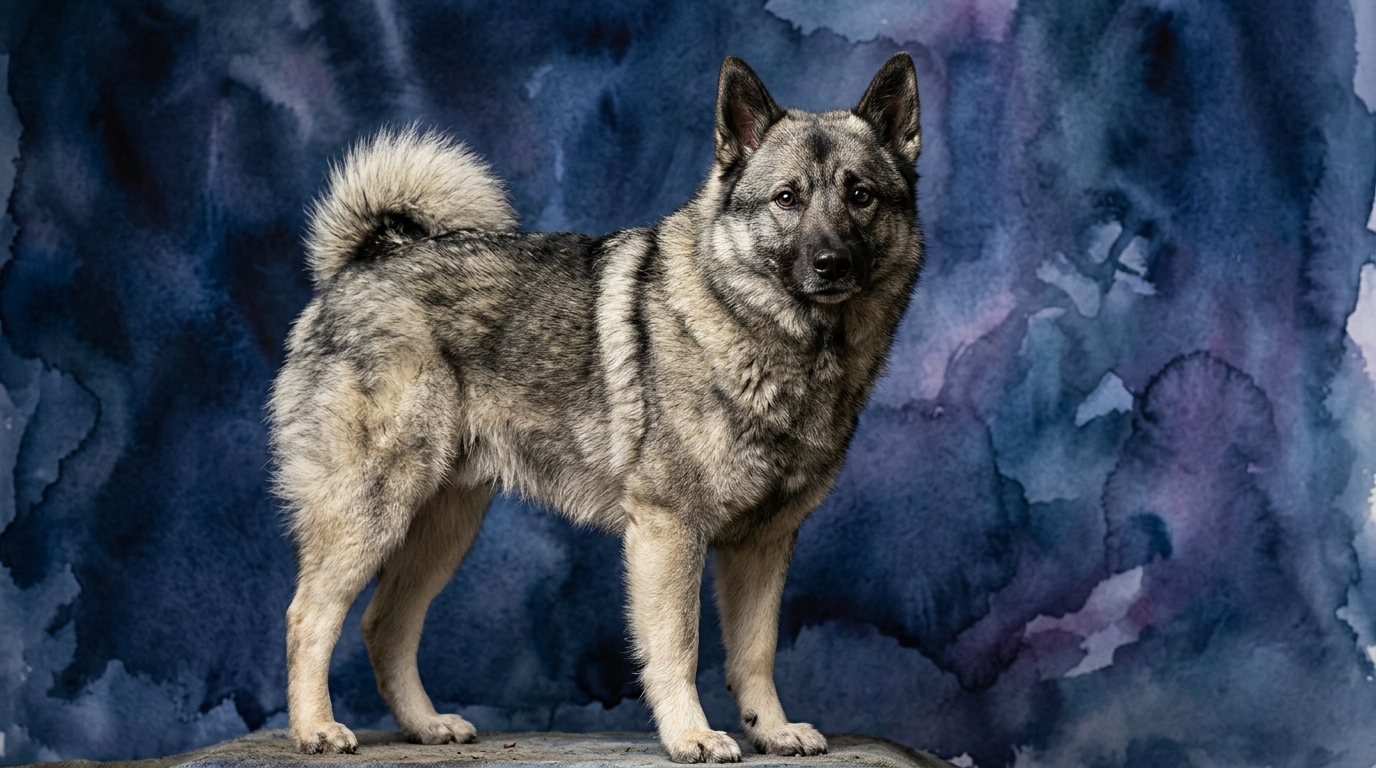
**The Norwegian Elkhound: A Purposeful Partner's Intellect**
**Problem Solving (4/5):** Norwegian Elkhounds excel at practical, task-oriented problem-solving, particularly when it involves navigating complex environments or executing multi-step procedures. Their intelligence is often directed towards collaborative efforts, such as tracking a scent trail over varied terrain or learning intricate patterns in canine sports, demonstrating a focused, working intellect.
**Training Speed (4/5):** With a history steeped in cooperative work, Elkhounds typically learn new commands and tasks with impressive speed and enthusiasm. Their eagerness to please and high motivation for engagement make them highly responsive to training, readily forming associations between cues and desired actions, often requiring fewer repetitions than many other breeds.
**Social Intelligence (3/5):** Elkhounds are generally friendly and demonstrative with their family, often displaying a boisterous affection. While typically good-natured, they can be reserved or protective around unfamiliar individuals or in novel situations, highlighting the importance of thorough and ongoing socialization to ensure they are well-adjusted.
**Instinctive Drive (3/5):** The Elkhound's instinctive drive is primarily rooted in their heritage as big game hunters, focusing on tracking and baying. While they possess alertness and a watchful nature, their drive is generally less intense for small prey than a Shiba's, making them more inclined to alert with a bark rather than an immediate, impulsive chase.
**Memory (4/5):** Elkhounds possess a robust memory for commands, routines, and the individuals and places they encounter. This strong recall capacity greatly aids in their trainability and consistency, allowing them to reliably perform learned tasks and remember past experiences, contributing to their reputation as dependable companions.
Where the Shiba Inu Excels Cognitively
The Shiba Inu's cognitive profile showcases exceptional strength in independent problem-solving driven by self-interest and a potent instinctive drive. Their 4/5 problem-solving score, combined with a formidable 5/5 instinctive drive, means they are masters at assessing situations and formulating strategies that benefit them directly, often without human prompting. This manifests as an impressive ability to outwit perceived obstacles, such as figuring out how to open childproof latches or strategically waiting for an opportune moment to snatch a forbidden item. Their intellect is keenly focused on achieving personal goals, demonstrating a profound understanding of cause and effect in their environment. Furthermore, their 4/5 memory ensures that once a successful strategy is discovered, it is rarely forgotten, making them incredibly persistent and resourceful in pursuing their desires. They learn quickly from their own experiences, solidifying behaviors that yield desired outcomes, a cognitive hallmark of their self-reliant nature.
Where the Norwegian Elkhound Shows Cognitive Superiority
The Norwegian Elkhound's cognitive strengths lie in their capacity for cooperative learning and practical application of intelligence within a human partnership. Their 4/5 training speed, significantly outpacing the Shiba's 2/5, highlights their readiness and ability to absorb and respond to instruction efficiently. This makes them remarkably adaptable to complex training regimens, excelling in activities that demand a shared understanding of tasks, such as advanced obedience, tracking, or agility courses. While also possessing a 4/5 in problem-solving, the Elkhound's application of this skill is typically more collaborative and goal-oriented, leveraging their intellect to work alongside their owner to achieve a shared objective, rather than purely independent pursuits. Their social intelligence, while rated similarly to the Shiba, is often more outwardly expressed in their willingness to engage and cooperate, making their cognitive processes more readily accessible and directed by human guidance in a working context.
Which Is Easier to Train and Why
When considering ease of training, the Norwegian Elkhound (4/5 training speed) presents a considerably smoother experience compared to the Shiba Inu (2/5 training speed). Elkhounds, with their heritage as working dogs, possess an inherent desire to engage with and please their human handlers. They are generally eager to learn, respond well to positive reinforcement, and thrive on having a purpose, which translates into quicker comprehension of commands and a more consistent willingness to comply. Their cooperative nature means they often seek to understand what is expected of them and enjoy the process of learning. The Shiba Inu, however, embodies a more independent and self-directed approach. Their lower training speed isn't due to a lack of capacity, but rather a strong inclination to evaluate whether complying with a command aligns with their own immediate interests. This requires immense patience, creative, high-value motivation, and an understanding that a Shiba might simply choose to disregard a command if they perceive no immediate benefit, making their training journey more nuanced and demanding.
Which Suits Active Owners vs. Relaxed Owners
For active owners seeking a dog to share vigorous outdoor activities, the Norwegian Elkhound is often the more compatible choice. Their background as a hardy hunting dog means they possess stamina and a love for exploration, thriving on regular, structured exercise like hiking, running, or scent work. Their cooperative nature ensures they are enthusiastic partners in these adventures, enjoying the shared experience as much as the activity itself. Conversely, the Shiba Inu, while possessing energy, aligns better with owners who appreciate a dog with a strong, independent personality and are prepared to manage a powerful instinctive drive. While they enjoy bursts of activity and require mental stimulation, their exercise needs often lean towards opportunities for independent sniffing, secure off-leash exploration, or engaging puzzle toys, rather than long, cooperative treks. A Shiba might be content with shorter, intense play sessions followed by periods of dignified observation, making them potentially suitable for owners who are less inclined towards constant, high-impact physical activity but are committed to consistent mental engagement and managing their environmental interactions.
The Verdict
Opt for a Shiba Inu if you are drawn to a deeply independent, self-willed companion who excels at thinking for themselves, and you are ready to embrace a dog with a profound innate drive and a unique, often cunning, approach to problem-solving.
Select a Norwegian Elkhound if you desire a highly cooperative, eager-to-please partner for an active lifestyle, one who thrives on shared tasks, learns readily, and integrates enthusiastically into family adventures.
🧠 Find Your Pet's IQ Score
Our Pet IQ Lab assessment covers 25+ tests across 5 cognitive dimensions — personalized to your breed.
Take the Full IQ Test →Frequently Asked Questions
Are Shiba Inus stubborn?
Shiba Inus often exhibit a strong independent streak, which can be perceived as stubbornness during training. Their cognitive makeup means they process commands through the lens of self-interest, requiring trainers to be highly motivating and consistent to secure their cooperation.
Do Norwegian Elkhounds bark a lot?
Norwegian Elkhounds were historically bred to bay game, and this vocal tendency can translate into frequent barking, especially if they are bored, lonely, or perceive something unusual. Early training and consistent mental and physical stimulation can help manage this natural inclination.
Which breed is better with children?
Both breeds can be good with children when properly socialized and raised together, but their temperaments differ. Elkhounds are often more tolerant and playful due to their cooperative nature, while Shibas, being more independent and reserved, may prefer older, respectful children who understand their need for personal space.