Side-by-Side Cognitive Profiles
The Cosmic Pet Pet IQ Lab provides a five-dimensional framework to understand canine intelligence, offering specific insights into the Shiba Inu and the Norwegian Lundehund. While both breeds belong to the Non-Sporting group, their cognitive strengths and challenges paint very different pictures for prospective owners.
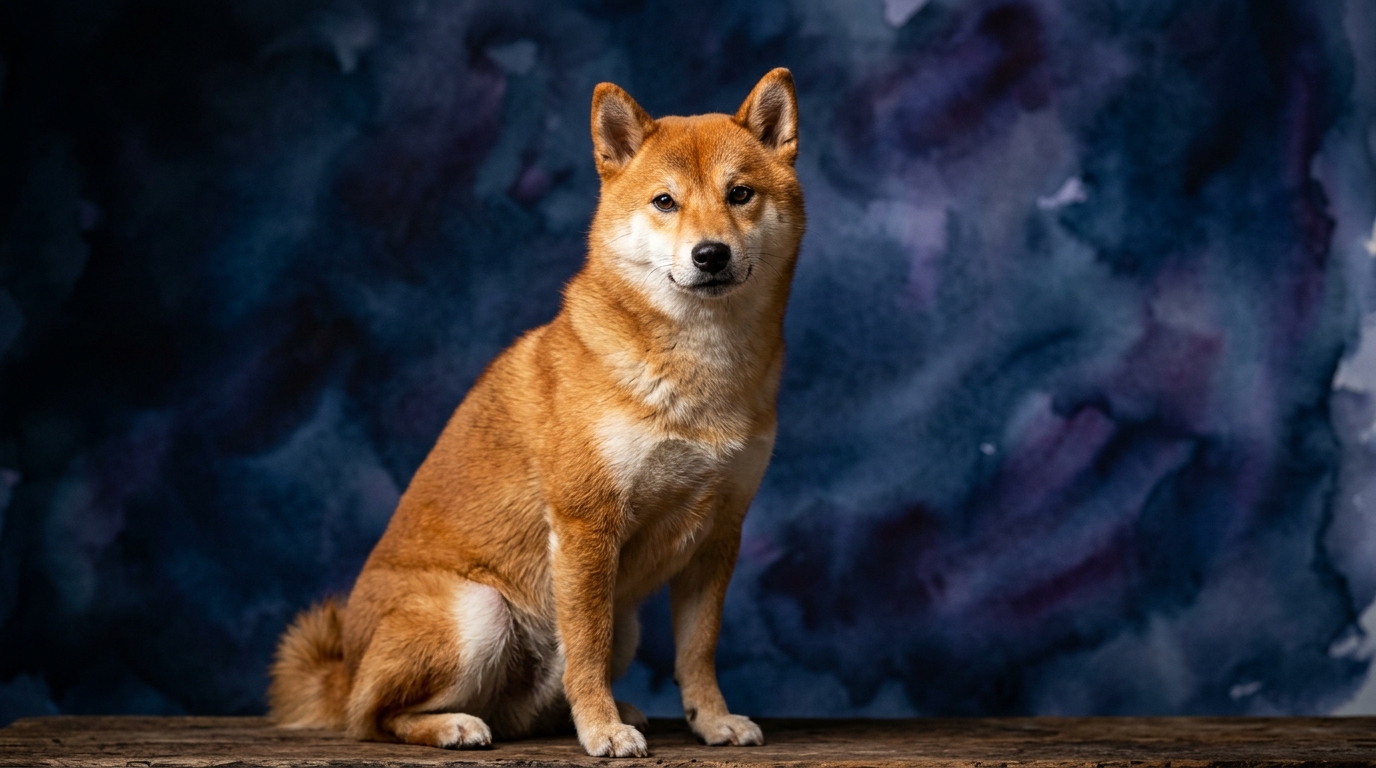
The Shiba Inu demonstrates a problem-solving aptitude rated at 4/5. This breed often exhibits a sharp, independent mind, capable of devising creative solutions to obstacles, whether it's figuring out how to open a gate or outsmarting a puzzle toy. Their training speed, however, is rated 2/5, reflecting a strong-willed nature that requires significant patience and consistency to guide. Social intelligence for the Shiba Inu sits at 3/5; they are discerning companions who form deep bonds with their chosen family but can be reserved or aloof with strangers. An impressive instinctive drive of 5/5 means the Shiba possesses a powerful internal motivation for hunting, exploration, and independent action, a trait deeply rooted in their heritage. Finally, their memory is strong at 4/5, enabling them to retain complex information and experiences, both positive and negative, over time.
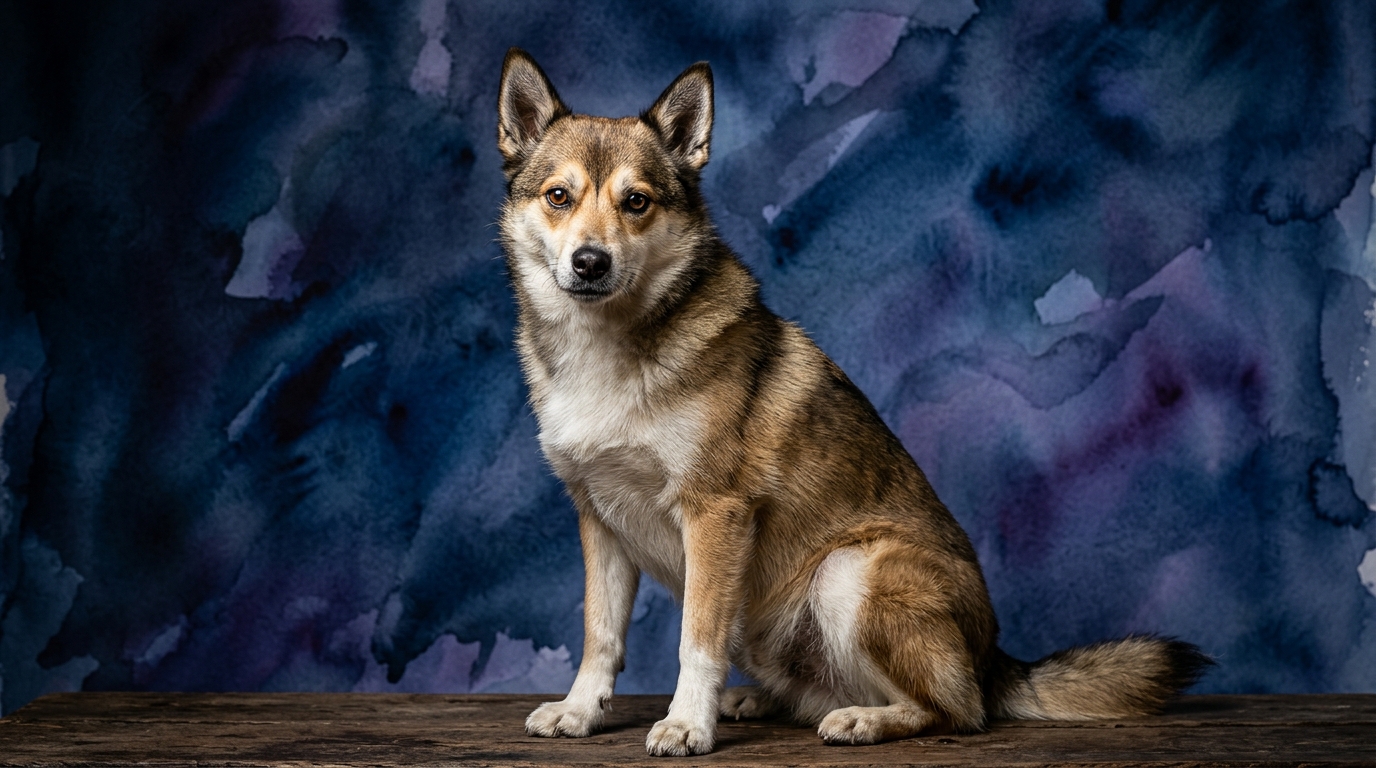
In contrast, the Norwegian Lundehund shows a problem-solving score of 3/5. While resourceful and capable of navigating their environment effectively, they may not exhibit the same level of cunning or independent strategic thinking as the Shiba Inu. Their training speed is rated 3/5, indicating a more moderate willingness to learn and cooperate compared to the Shiba's more stubborn tendencies, though still requiring patient and engaging methods. Social intelligence is also 3/5 for the Lundehund; they can be reserved initially but are generally amiable and form strong connections with their families. The Lundehund’s instinctive drive is 3/5, reflecting a history tied to unique puffin hunting, but this drive is typically less intense and all-consuming than the Shiba’s generalized prey instinct. Their memory is rated 3/5, suggesting a solid capacity for recalling learned tasks and experiences, without the same level of vivid retention seen in a Shiba.
Where the Shiba Inu Cognitively Excels
The Shiba Inu’s cognitive profile highlights several areas where their unique mental faculties shine. Their problem-solving score of 4/5 indicates a highly capable and often cunning mind. This means a Shiba is more likely to independently strategize, whether it's discovering how to reach a forbidden treat on the counter or finding novel ways to escape a seemingly secure enclosure. Owners often find themselves constantly outwitted by their Shiba’s cleverness, which can be both endearing and challenging.
With an instinctive drive of 5/5, the Shiba Inu possesses an unparalleled internal motivation for pursuing their interests, particularly those related to hunting and exploration. This intense drive means they are perpetually engaged with their environment, constantly scanning for opportunities to chase, investigate, or patrol. This innate focus fuels their curiosity and independence, making them masters of self-directed activity, but also requiring consistent mental and physical outlets to prevent boredom and potential mischief.
Furthermore, the Shiba Inu's memory score of 4/5 signifies a superior ability to retain information and experiences. This strong memory isn't just about remembering commands; it extends to recalling past interactions, routines, and even specific environmental details. While beneficial for learning complex tasks, it also means a Shiba will vividly remember any inconsistencies in training or negative experiences, making them less forgiving of owner mistakes and requiring a highly consistent and positive approach to their development.
Where the Norwegian Lundehund Cognitively Leads
The Norwegian Lundehund, while possessing a distinct cognitive makeup, offers advantages that might appeal to different types of owners. A key area where the Lundehund shows a cognitive edge is in training speed, scoring 3/5 compared to the Shiba's 2/5. This indicates a generally greater willingness to engage in cooperative learning and a milder degree of stubbornness. While still an independent breed, Lundehunds are often more receptive to cues and less likely to outright defy commands, potentially making the training journey a somewhat smoother and less confrontational experience.
The Lundehund's instinctive drive, rated at 3/5, presents another nuanced advantage. While they still possess inherent drives, particularly related to their unique puffin-hunting heritage, this drive is typically less intense and all-encompassing than the Shiba Inu's 5/5 score. This more balanced drive means a Lundehund's focus might be more readily redirected by an owner, and their independent pursuits, while present, may not dominate their personality to the same extent. This can translate to a slightly more manageable temperament in various home and outdoor environments, making them potentially easier to integrate into diverse lifestyles without constant, intense management of their innate urges.
While both breeds score 3/5 in social intelligence, the Lundehund's manifestation of this can sometimes be perceived as less challenging. Their initial reserve often gives way to a generally amiable and loyal companionship, whereas a Shiba's aloofness can be more persistent. This difference, though subtle in scores, can mean a Lundehund might be more adaptable to meeting new people or dogs after a careful introduction, presenting fewer social hurdles in some contexts.
Training Dynamics: Shiba Inu vs. Norwegian Lundehund
When considering ease of training, the Norwegian Lundehund generally presents a more straightforward path than the Shiba Inu, primarily due to their respective training speed scores. The Lundehund's 3/5 training speed suggests a more amenable disposition; while still an independent breed that requires patience, they are typically more receptive to learning new commands and engaging in cooperative tasks. Their independent nature means they won't blindly follow every instruction, but they are often more willing to participate in structured learning sessions if motivated correctly.
The Shiba Inu, with a training speed of 2/5, is often described as a challenging breed to train. Their strong will and independent thinking mean they are not inherently eager to please and will often weigh whether a command benefits them before complying. This isn't a lack of understanding, but rather a strong sense of self-preservation and autonomy. Training a Shiba requires immense consistency, positive reinforcement, and a deep understanding of their 'what's in it for me' mindset. Owners must be clever, patient, and persistent, as Shibas are quick to exploit any inconsistencies in rules or expectations, making them a poor choice for owners seeking an easily obedient companion.
Behaviorally, a Shiba's higher problem-solving and instinctive drive can manifest as a dog that constantly tests boundaries, tries to escape, or engages in independent hunting behaviors. A Lundehund, while still possessing independence and unique physical abilities, often has a more moderate internal drive, making them less likely to be relentlessly driven by pure instinct. This difference means a Lundehund might be less prone to outright defiance or single-minded pursuit of their own agendas during training sessions, offering a slightly more collaborative experience.
Matching Breeds to Lifestyles: Active vs. Engaged Owners
For owners who thrive on engaging with a sharp, independent mind and are prepared for a consistent intellectual challenge, the Shiba Inu is an excellent fit. Their high instinctive drive (5/5) means they require significant outlets for exploration, chasing, and mental puzzles. These dogs excel with active owners who can provide extensive, varied walks, structured play, and training challenges that appeal to their problem-solving nature. Owners must be prepared to channel their intense focus and energy into constructive activities, as a bored Shiba can quickly become a destructive or escape-prone one. They suit individuals who appreciate a dog with a strong personality and are ready to invest considerable time in mental and physical stimulation.
The Norwegian Lundehund, while also an active breed, suits owners who appreciate a unique, agile companion and are prepared for their specific physical needs, which might involve activities that utilize their incredible flexibility and climbing abilities. Their more balanced instinctive drive (3/5) and slightly better training speed (3/5) might make them a fit for those who prefer a dog that is less overtly 'driven' by relentless prey pursuit and perhaps more amenable to varied routines. They need regular exercise and mental engagement, but their activity might be more about unique physical exploration and agility than constant, intense mental sparring. They are suited for owners who enjoy a dog that combines independence with a willingness to participate in family life, without the constant intellectual battle a Shiba can present.
The Verdict
Choose the Shiba Inu if you are an experienced owner seeking a clever, independent, and highly driven companion, willing to invest significant time in engagement and consistent training to manage their sharp wit and strong instincts.
Choose the Norwegian Lundehund if you are looking for a unique, agile, and generally more biddable companion with a rich history, prepared for their specific physical needs and appreciating a dog that combines independence with a cooperative spirit.
🧠 Find Your Pet's IQ Score
Our Pet IQ Lab assessment covers 25+ tests across 5 cognitive dimensions — personalized to your breed.
Take the Full IQ Test →Frequently Asked Questions
Are Shiba Inus truly stubborn during training?
Yes, Shiba Inus are often perceived as stubborn due to their strong will and independent nature, reflected in their 2/5 training speed. They tend to evaluate commands based on their own perceived benefit rather than an inherent desire to please, requiring consistent, positive, and highly motivating training approaches.
Do Norwegian Lundehunds have any unique physical traits that impact their behavior or needs?
Absolutely, Lundehunds possess extraordinary flexibility, including six toes on each foot and highly mobile joints that allow them to twist their heads backwards over their spine. These traits, evolved for navigating narrow puffin burrows, mean they are exceptionally agile climbers and explorers, requiring secure environments and activities that engage their unique physical capabilities.
Which breed is generally more suitable for first-time dog owners?
Neither breed is typically recommended for first-time dog owners due to their independent natures and specific needs. However, the Norwegian Lundehund, with its slightly better training speed and less intense instinctive drive, might present fewer overall challenges than the highly independent and often cunning Shiba Inu, potentially making it a marginally more manageable choice for a dedicated novice.