Side-by-Side Cognitive Profile: Shiba Inu vs. Scottish Deerhound
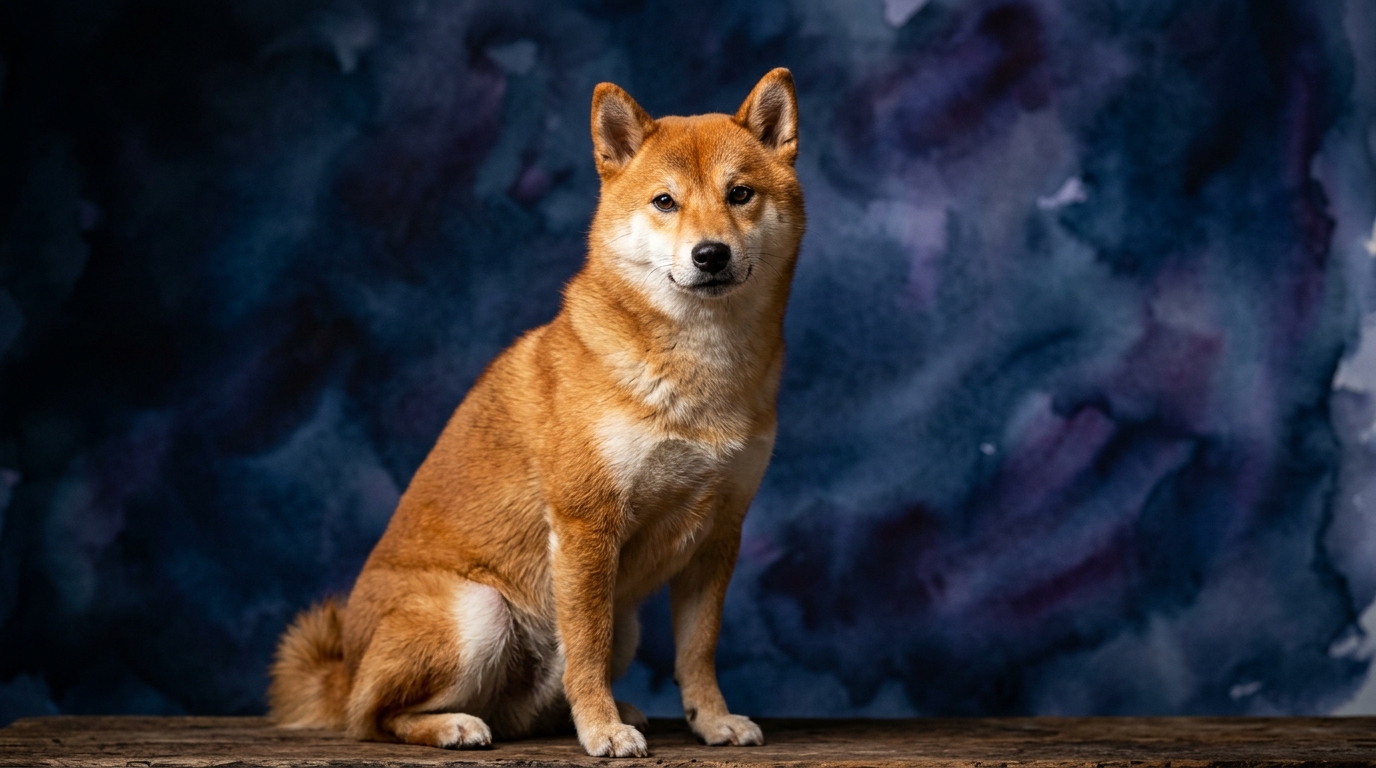
At The Cosmic Pet Pet IQ Lab, we analyze canine intelligence across five key dimensions, offering a detailed look beyond simple 'smartness.' The Shiba Inu, a confident and ancient Japanese breed, scores impressively in Problem Solving (4/5) and Memory (4/5), reflecting their often-clever and independent nature. Their Instinctive Drive is particularly pronounced at a commanding 5/5, indicating a strong inherent motivation for specific tasks and behaviors. However, their Training Speed (2/5) suggests a need for patience and consistency, while their Social Intelligence (3/5) points to a balanced but sometimes aloof disposition.
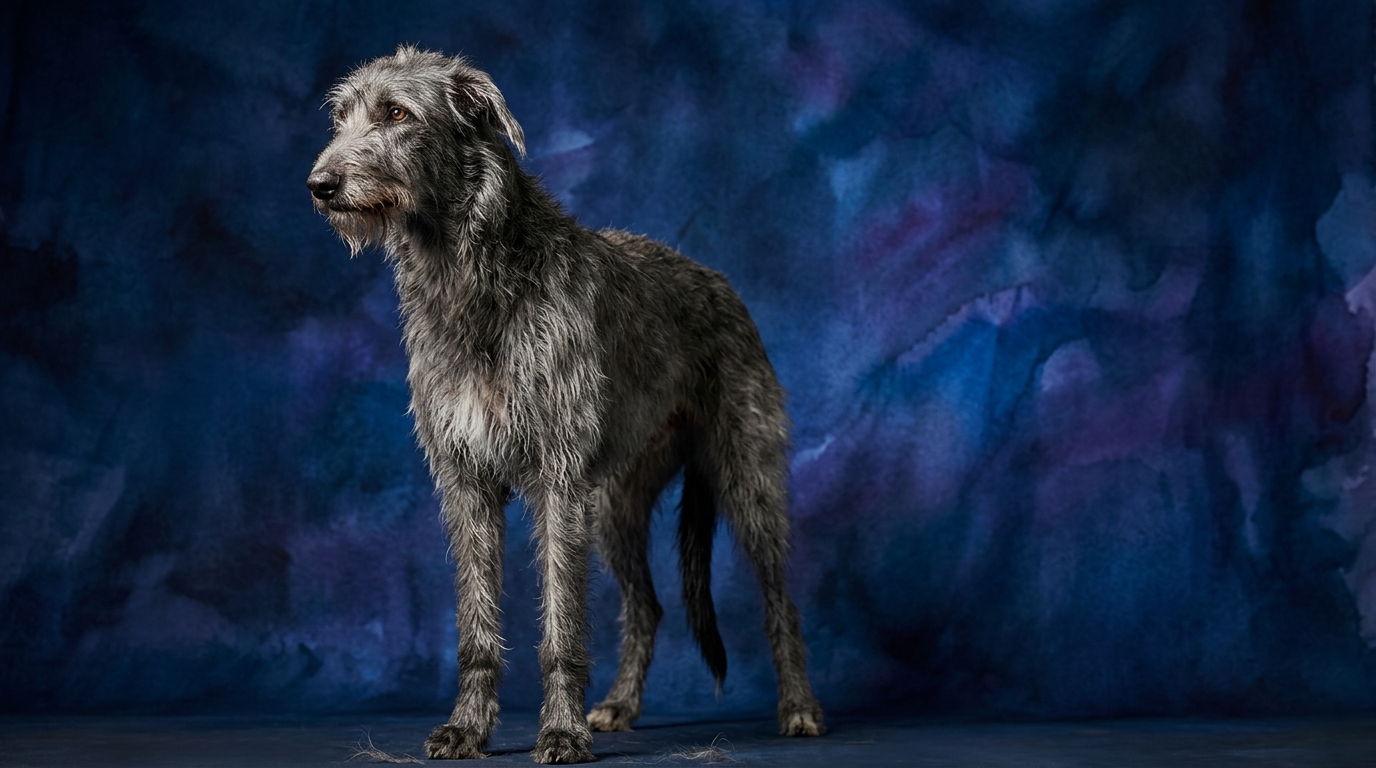
In contrast, the Scottish Deerhound, a noble and gentle giant from the Hound group, presents a more uniformly moderate cognitive profile. They achieve a 3/5 in Problem Solving, indicating a reasonable capacity for navigating new situations without the Shiba's often ingenious solutions. Their Training Speed also sits at a 3/5, suggesting a more cooperative learner than the Shiba. Social Intelligence (3/5) aligns with their generally amiable demeanor, and Memory (3/5) is solid for retaining learned information. Their Instinctive Drive, while present as a sighthound, is a moderate 3/5, less intense than the Shiba's powerful inherent impulses.
Where the Shiba Inu Shines Cognitively
The Shiba Inu's intellect truly shines in areas demanding independent thought and tenacity. Their 4/5 Problem Solving score means they excel at figuring things out on their own, whether it's manipulating latches to escape an enclosure or devising clever ways to get what they want. This aptitude for self-directed solutions can be both admirable and challenging for owners, requiring secure environments and engaging mental puzzles to channel their cognitive energy constructively.
Furthermore, the Shiba's 4/5 Memory allows them to recall complex sequences and locations with impressive accuracy. They remember routines, past interactions, and even specific training cues over long periods, which is beneficial once a behavior is truly ingrained. Coupled with their 5/5 Instinctive Drive, often expressed as a strong prey drive or territoriality, this memory helps them refine hunting strategies or maintain vigilance over their perceived domain. Owners often observe their Shibas remembering the exact spot where a treat was dropped days prior or recalling a specific route taken on a walk months ago.
Where the Scottish Deerhound Excels Cognitively
While the Scottish Deerhound's scores appear more balanced, their cognitive strengths lie in a different kind of adaptability and responsiveness. Their 3/5 Training Speed, though not exceptional, positions them as more amenable to learning new commands and routines than the Shiba Inu. This slightly higher receptiveness means they can often pick up basic obedience more readily, especially when training is consistent and positive. They respond well to clear instruction, making them a more straightforward partner in structured learning environments.
The Deerhound's balanced 3/5 in Social Intelligence and Instinctive Drive also contributes to a generally more manageable cognitive profile in many domestic settings. Their social aptitude means they typically integrate well into family life and are less prone to the independent, sometimes aloof, tendencies of the Shiba. Their instinctive drive, while certainly present as a sighthound, is less overwhelming, meaning their bursts of chase instinct are often more predictable and can be managed with appropriate outlets, rather than manifesting as a constant, intense urge that dictates much of their behavior.
Training Dynamics: Which Breed is Easier and Why?
When it comes to ease of training, the Scottish Deerhound generally offers a more cooperative experience, largely due to their higher Training Speed (3/5) and more moderate Instinctive Drive (3/5). Deerhounds are often described as 'willing' to please, making them more responsive to positive reinforcement and consistent commands. Their drive, while present for chasing, is less likely to override their learned behaviors in a typical home environment, making recall and leash manners more attainable with dedicated effort. They tend to form strong bonds and look to their handlers for guidance, facilitating a smoother training journey.
The Shiba Inu, with a Training Speed of 2/5 and an Instinctive Drive of 5/5, presents a more significant challenge. Their problem-solving prowess often means they're figuring out how to get *around* commands rather than simply complying. Their powerful drive, particularly their prey instinct, can make off-leash reliability difficult, as a squirrel or blowing leaf can instantly become a more compelling focus than a handler's voice. Training a Shiba requires immense patience, creativity, and a deep understanding of their independent nature, often necessitating high-value rewards and making training feel more like a negotiation than a command-and-response session. Behavioral differences like the 'Shiba scream' or their tendency to be 'cat-like' in their independence are direct manifestations of their unique cognitive makeup.
Matching Breeds to Lifestyles: Active vs. Relaxed Owners
For the truly active owner who thrives on mental engagement and can provide consistent, stimulating outlets, the Shiba Inu can be a deeply rewarding companion. Their high problem-solving capacity and intense instinctive drive mean they need owners who can commit to daily mental enrichment, puzzle toys, and secure, varied environments for exploration. These dogs excel with owners who enjoy structured training challenges, scent work, or agility, understanding that physical exercise alone won't satisfy their sharp minds. An owner who appreciates a dog with strong opinions and a desire to be 'in charge' will find a kindred spirit in the Shiba.
The Scottish Deerhound, while an athletic sighthound requiring bursts of vigorous exercise, can also fit well with owners who appreciate a more relaxed daily rhythm after their exercise needs are met. Their moderate instinctive drive means they are generally content to lounge and be calm indoors once they've had their opportunity to run. They suit owners who can provide a securely fenced area for sprinting or commit to regular, long walks, but who also value a gentle, affectionate presence for the rest of the day. A Deerhound thrives with an owner who enjoys a calm, dignified companion and is prepared for their size, but not necessarily for constant mental games or battles of will.
The Verdict
Choose a Shiba Inu if you are an experienced, patient owner who relishes a cognitive challenge, appreciates an independent spirit, and can commit to extensive mental enrichment and secure environments.
Opt for a Scottish Deerhound if you desire a gentle, affectionate companion who is generally more amenable to training, enjoys bursts of activity followed by calm relaxation, and can accommodate a large, dignified presence.
🧠 Find Your Pet's IQ Score
Our Pet IQ Lab assessment covers 25+ tests across 5 cognitive dimensions — personalized to your breed.
Take the Full IQ Test →Frequently Asked Questions
Do Shiba Inus make good family pets, given their social intelligence score?
Shiba Inus have a 3/5 social intelligence score, indicating they can be good family pets, but often with caveats. They tend to be more independent and may not be as overtly affectionate or tolerant of rough play as some other breeds, especially with young children. Proper socialization from a young age is crucial for them to integrate harmoniously into a family setting.
How does the Scottish Deerhound's instinctive drive manifest in daily life?
The Scottish Deerhound's 3/5 instinctive drive primarily manifests as a strong prey drive, typical of sighthounds, meaning they have an innate urge to chase moving objects. This necessitates secure, fenced areas for off-leash exercise and careful management around smaller animals or in open spaces. However, it is generally less intense and more manageable than breeds with a 5/5 drive, allowing for more predictable behavior indoors.
What specific types of mental enrichment would a Shiba Inu benefit from?
Given their 4/5 problem-solving and 4/5 memory, Shiba Inus thrive on complex puzzle feeders, interactive toys that require manipulation, and scent work games like 'find it.' They also enjoy learning new tricks that challenge their cognitive abilities, and activities like agility or rally obedience can provide both mental and physical stimulation, channeling their independent problem-solving skills.