Side-by-Side Cognitive Profiles
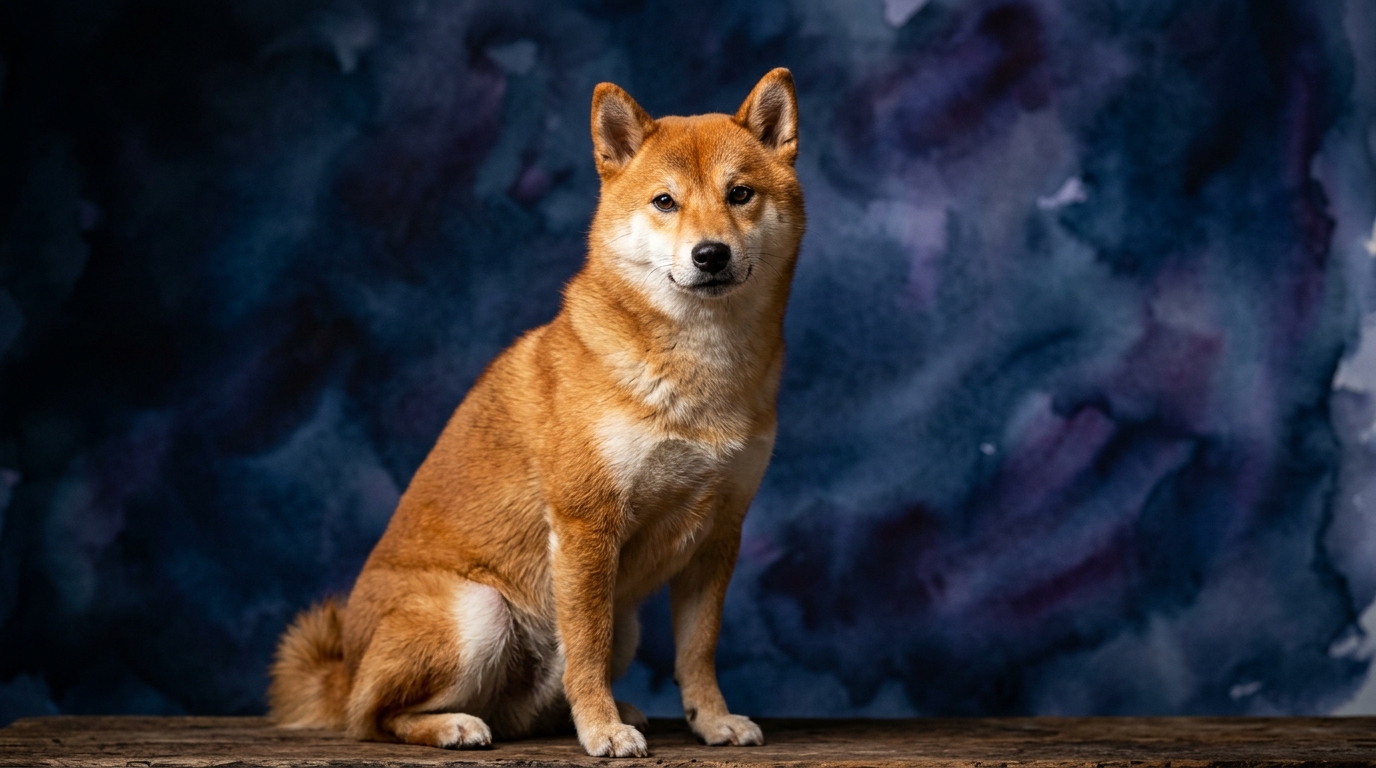
The Pet IQ Lab assesses canine intelligence across five critical dimensions, providing a nuanced view of each breed's cognitive strengths. For the Shiba Inu, a breed originating from Japan and classified in the Non-Sporting group, we observe a robust problem-solving ability rated at 4/5, indicating a capacity for independent thought and finding solutions. Their training speed, however, is a moderate 2/5, suggesting a need for patience and consistent methods. Social intelligence stands at 3/5, signifying an ability to understand and navigate social cues, while their instinctive drive is notably high at 5/5, reflecting strong natural urges often tied to hunting or territoriality. Memory for the Shiba Inu is also strong, scoring 4/5, which means they retain learned information and experiences effectively.
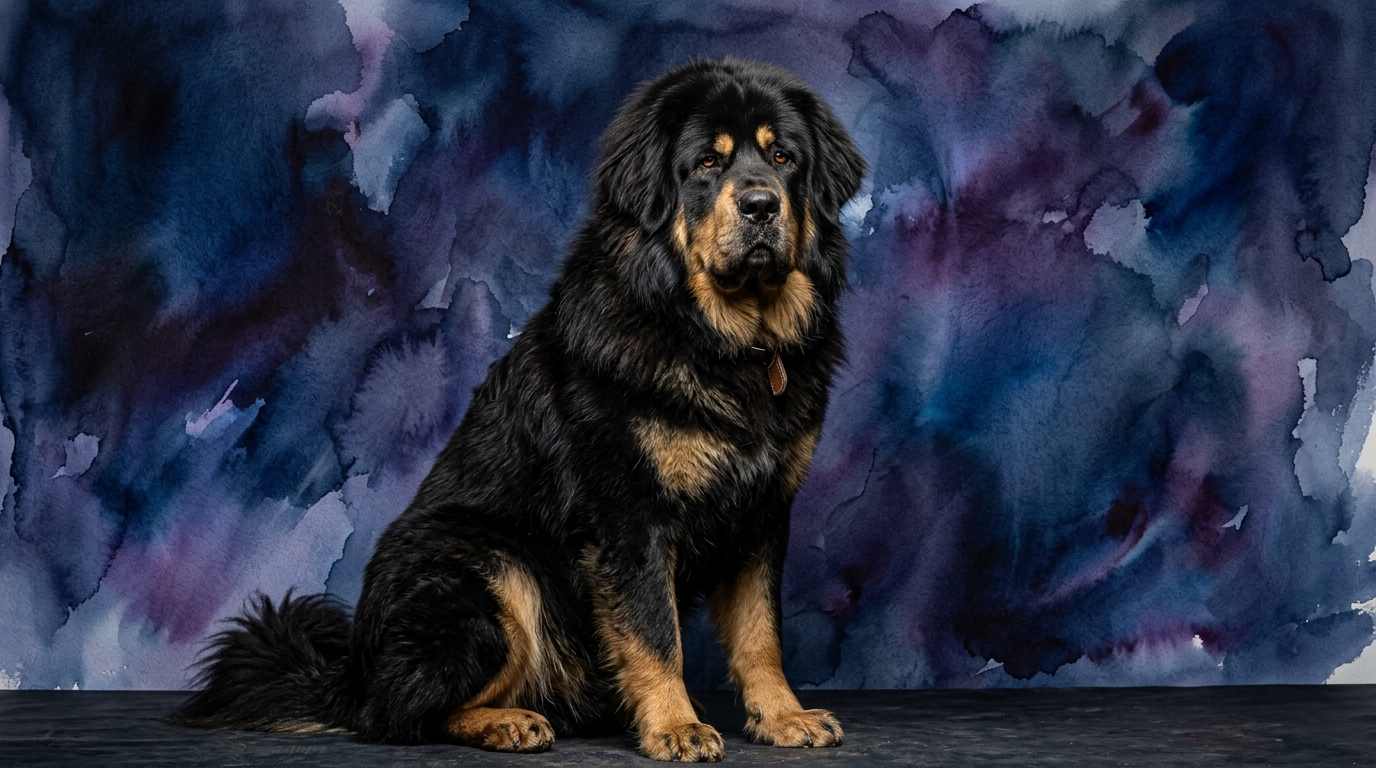
In contrast, the Tibetan Mastiff, a formidable working breed from the Himalayan regions, presents a different cognitive blueprint. Their problem-solving score is 3/5, indicating a competent but perhaps less innovative approach than the Shiba. Training speed for the Tibetan Mastiff is 3/5, suggesting they are more amenable to instruction than the Shiba, processing and responding to commands at a steady pace. Social intelligence matches the Shiba at 3/5, showing a similar capacity for understanding social dynamics. Interestingly, their instinctive drive is a balanced 3/5, lower than the Shiba's intense drive, which aligns with their historical role as watchful guardians rather than active hunters. Their memory score is also 3/5, indicating a solid ability to recall information, though perhaps not with the vividness of the Shiba.
Where the Shiba Inu Excels Cognitively
The Shiba Inu demonstrates a clear cognitive advantage in two key areas: problem-solving and memory. With a 4/5 in problem-solving, Shibas often exhibit a clever, almost cunning ability to navigate their environment or achieve desired outcomes. This manifests in behaviors like figuring out how to open cabinets, escape enclosures, or manipulate situations to their benefit. Their strong memory (4/5) complements this, allowing them to recall past successful strategies or remember patterns in their routine, making them adaptable but also potentially more challenging to outwit. This combination of sharp recall and independent thinking means a Shiba learns quickly from experience, whether that experience is positive reinforcement or a self-discovered loophole.
Furthermore, the Shiba's exceptionally high instinctive drive (5/5) means they are profoundly motivated by their natural inclinations, such as chasing, exploring, or guarding resources. While this can be a double-edged sword for training, it speaks to a strong internal compass and an unwavering focus when engaged in an activity that resonates with their primal urges. This deeply ingrained drive fuels their determined approach to challenges, making them persistent in their pursuits. Owners often observe this in their focused tracking of scents or their unwavering determination to reach a particular spot, showcasing a cognitive tenacity driven by instinct.
Where the Tibetan Mastiff Shines Cognitively
The Tibetan Mastiff's cognitive strengths lie in its balanced training speed and a more measured instinctive drive, which often translates to a different kind of practical intelligence. With a training speed of 3/5, the Tibetan Mastiff is generally more responsive to formal instruction compared to the Shiba Inu. This isn't about being 'smarter' but about a greater willingness to engage in cooperative learning. Their moderate instinctive drive (3/5) means they are less likely to be entirely consumed by primal urges, allowing for better focus during training sessions and a more measured response to environmental stimuli. This balance makes them generally more predictable in their reactions, especially when a strong bond and clear communication are established.
While their problem-solving and memory scores are solid at 3/5, these capacities are often directed towards their primary historical role: observation and protection. A Tibetan Mastiff's intelligence is often expressed through its keen awareness of its surroundings, its ability to discern threats, and its calm, deliberate assessment of situations before reacting. They may not be as quick to devise a novel solution as a Shiba, but their cognitive processes are geared towards vigilance and a steadfast, protective presence. This makes them adept at understanding the nuances of their territory and the routines of their human family, contributing to their reputation as formidable, yet thoughtful, guardians.
Training Dynamics: Shiba Inu vs. Tibetan Mastiff
When considering ease of training, the Tibetan Mastiff holds a slight advantage over the Shiba Inu, primarily due to their respective training speed and instinctive drive scores. The Tibetan Mastiff's training speed of 3/5 suggests they process and respond to commands at a steady pace, and their moderate instinctive drive (3/5) means they are less frequently sidetracked by overwhelming urges to chase or explore independently. This often results in a more cooperative trainee, particularly with consistent, positive reinforcement methods. While they are independent thinkers, their protective nature means they often value their family's approval and guidance, making them more inclined to follow established rules once they understand them.
The Shiba Inu, with a training speed of 2/5 and an instinctive drive of 5/5, presents a different challenge. Their formidable drive often means they are highly motivated by their own agenda, making them notoriously independent and sometimes selective in their obedience. A Shiba might understand a command perfectly but choose not to execute it if something more instinctively appealing captures their attention. Their strong problem-solving skills (4/5) and memory (4/5) mean they quickly learn what they can get away with or how to achieve their goals without direct human intervention. Training a Shiba demands exceptional patience, creativity, and a deep understanding of their independent spirit, often requiring owners to make training feel like a game or a self-motivated task rather than a command-and-response exercise. They are not 'difficult' because they lack capacity, but because their cognitive profile predisposes them to self-direction.
Lifestyle Suitability: Active vs. Relaxed Owners
The cognitive profiles of these two breeds naturally lean towards different owner lifestyles. The Shiba Inu, with its high problem-solving (4/5), strong memory (4/5), and intense instinctive drive (5/5), thrives with active owners who enjoy engaging in mental and physical challenges. These dogs need outlets for their cleverness and their drive, whether through advanced training, puzzle toys, agility, or consistent, varied outdoor adventures. A relaxed owner who prefers minimal structured engagement might find a Shiba challenging, as their sharp minds and strong instincts can lead to boredom-related behaviors like escape attempts or destructive chewing if not adequately stimulated. They require an owner who appreciates and can channel their independent, driven nature.
The Tibetan Mastiff, conversely, with its more balanced instinctive drive (3/5) and steady training speed (3/5), aligns well with owners who appreciate a more relaxed, but still highly responsible, approach. While they are large and require ample space, their energy levels are generally lower than a Shiba's, and their cognitive focus is often on observation and guarding rather than constant activity. They need consistent, calm leadership and a secure environment, but not necessarily an owner who can keep up with endless games of fetch or intricate training routines. Their social intelligence (3/5) allows them to form deep bonds with their family, making them excellent companions for owners who value a watchful, devoted, and somewhat independent presence without the intense drive for constant engagement that a Shiba often demands.
The Verdict
Choose the Shiba Inu if you are an active, experienced owner prepared to engage a clever, independent spirit with consistent mental challenges and outlets for high instinctive drive.
Opt for the Tibetan Mastiff if you are a calm, confident owner seeking a devoted guardian who appreciates a steady pace of learning and a watchful, less frenetic companion.
🧠 Find Your Pet's IQ Score
Our Pet IQ Lab assessment covers 25+ tests across 5 cognitive dimensions — personalized to your breed.
Take the Full IQ Test →Frequently Asked Questions
Is a Shiba Inu good for first-time dog owners?
A Shiba Inu's strong instinctive drive and independent problem-solving skills can be challenging for first-time owners. Their unique cognitive profile often requires a deep understanding of breed-specific behaviors and a commitment to consistent, creative training methods to manage their self-directed nature effectively.
Do Tibetan Mastiffs require a lot of exercise?
Tibetan Mastiffs, despite their size, do not typically require extensive, high-intensity exercise. Their moderate instinctive drive means they prefer a steady routine of walks and supervised outdoor time, focusing more on patrolling their territory and observing rather than sustained bursts of activity.
Which breed is more prone to escaping?
Based on their cognitive profiles, the Shiba Inu, with its high problem-solving (4/5) and strong instinctive drive (5/5), is generally more prone to escaping. Their cleverness and determination to explore or chase can lead them to figure out how to bypass enclosures or seize opportunities for independence more readily than a Tibetan Mastiff.