Side-by-Side Cognitive Profiles
To truly understand the mental makeup of the Shiba Inu and the Tibetan Spaniel, The Cosmic Pet Pet IQ Lab employs a five-dimensional cognitive framework: Problem Solving, Training Speed, Social Intelligence, Instinctive Drive, and Memory. Each dimension is scored out of five, providing a nuanced look at their inherent capabilities and tendencies, moving beyond simplistic notions of 'smartness.'
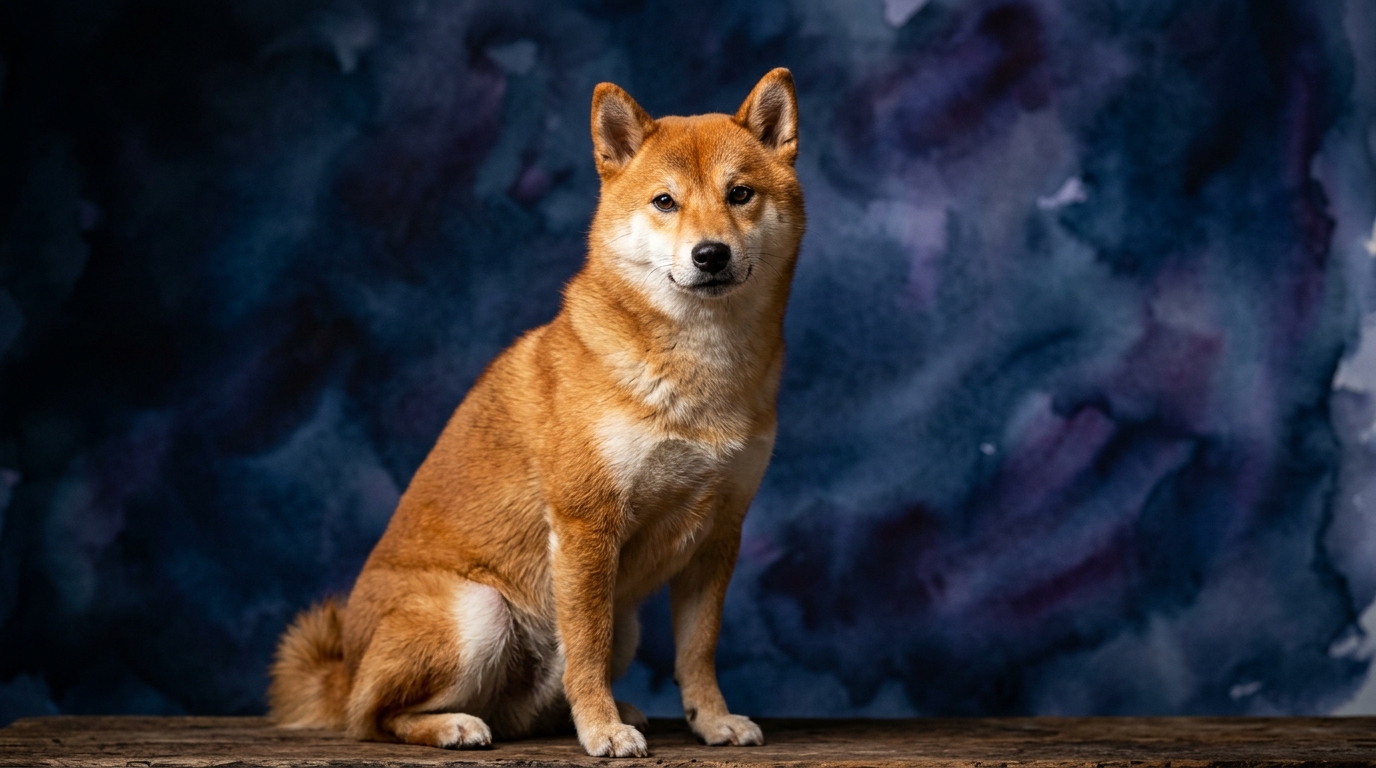
The Shiba Inu's profile reveals a dog with significant cognitive peaks: a Problem Solving score of 4/5 indicates a keen ability to navigate complex situations and figure things out independently; a Training Speed of 2/5 suggests a slower, more deliberate approach to learning human commands; Social Intelligence at 3/5 points to a moderate understanding of social cues, often paired with an independent streak; an Instinctive Drive of 5/5 highlights powerful innate behaviors like prey drive and territoriality; and Memory at 4/5 shows strong recall of experiences and routines.
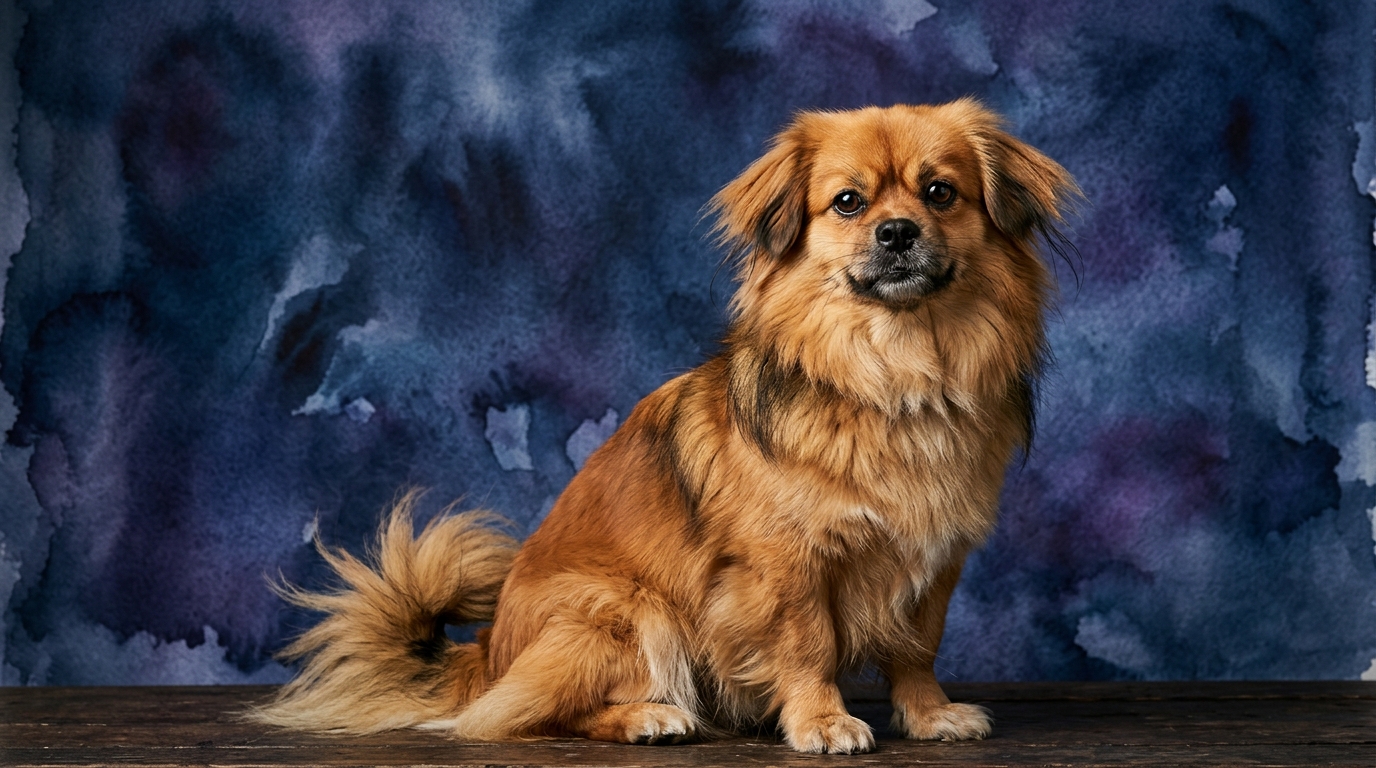
In contrast, the Tibetan Spaniel presents a more balanced cognitive landscape. Their Problem Solving is rated 3/5, indicating competence in practical challenges; Training Speed stands at 3/5, suggesting a moderate, cooperative learning pace; Social Intelligence also registers 3/5, reflecting an ability to form strong bonds while maintaining a certain reserve; Instinctive Drive is 3/5, signifying moderate innate tendencies; and Memory scores 3/5, indicating reliable recall of learned tasks and daily events.
A quick glance at these profiles immediately highlights some key distinctions. The Shiba Inu's higher scores in Problem Solving, Instinctive Drive, and Memory, coupled with a lower Training Speed, paint a picture of a clever, driven, and independent thinker. The Tibetan Spaniel's consistent 3/5 across most categories, however, suggests a more harmonized and perhaps more adaptable cognitive temperament.
Where the Shiba Inu Cognitively Excels
The Shiba Inu demonstrates notable cognitive strengths in several key areas, making them a fascinating study in canine independence and resourcefulness. Their 4/5 score in Problem Solving is particularly telling. This isn't just about figuring out a simple puzzle; it speaks to their capacity for strategic thought, often manifesting as devising creative ways to achieve a goal, such as opening a stubborn gate, retrieving a toy from a tight space, or even outsmarting their human companions in a game of wits.
Their Instinctive Drive, scoring a perfect 5/5, is another area of significant excellence. This powerful inherent drive encompasses a strong prey instinct, a vigilant awareness of their surroundings, and a pronounced territorial nature. This isn't just a behavioral trait; it deeply influences their perception of the world, making them exceptionally focused on scents, movements, and guarding their perceived domain. This drive fuels their determination and often underpins their independent decision-making.
Furthermore, the Shiba Inu's Memory, rated at 4/5, contributes significantly to their overall cognitive prowess. They possess a robust capacity for recall, remembering past events, learned commands (even if they choose not to execute them), and the consequences of their actions with remarkable clarity. This strong memory allows them to learn complex sequences and adapt to routines, but it also means they can retain negative associations or inconsistencies in training, underscoring the importance of consistent, positive interactions.
These combined strengths — acute problem-solving, intense drive, and strong memory — form the core of the Shiba Inu's distinctive cognitive makeup, enabling them to navigate their environment with a self-assured and often ingenious approach.
Where the Tibetan Spaniel Cognitively Shines
While the Shiba Inu boasts specific high-peak scores, the Tibetan Spaniel's cognitive profile shines in its balanced and cooperative nature, particularly evident in their Training Speed. At 3/5, the Tibetan Spaniel generally demonstrates a more willing and receptive attitude towards learning new commands and routines compared to the Shiba Inu's 2/5. This means they are often quicker to grasp concepts and more eager to engage in collaborative training sessions, making the process smoother and more rewarding for both dog and owner.
This moderate Training Speed is complemented by their overall balanced cognitive profile, with 3/5 scores across Problem Solving, Social Intelligence, Instinctive Drive, and Memory. This equilibrium suggests a dog that is less prone to extreme behaviors or overwhelming singular drives. They possess sufficient problem-solving skills for daily life, a comfortable level of social understanding, and an instinctive drive that is present but not all-consuming, making them adaptable and generally predictable companions.
The Tibetan Spaniel's balanced cognitive traits often translate into a more adaptable and agreeable temperament. They are capable of independent thought but are typically more inclined to seek cooperation and companionship. Their moderate instinctive drive means they are generally less distracted by external stimuli than a Shiba Inu, allowing for greater focus during training and more relaxed interactions in various environments. This harmonious blend of cognitive abilities allows them to integrate smoothly into family life, offering a steady and affectionate presence.
Training Dynamics: Which is Easier and Why?
When it comes to the practicalities of training, the difference in Training Speed between the Shiba Inu (2/5) and the Tibetan Spaniel (3/5) becomes a pivotal factor. The Tibetan Spaniel generally presents a more straightforward and less challenging training experience for the average owner, primarily due to their greater willingness to cooperate and their moderate instinctive drives.
The Shiba Inu's lower Training Speed is deeply intertwined with their high Instinctive Drive (5/5) and strong Problem Solving (4/5). Shibas are often described as independent thinkers who meticulously evaluate commands, deciding if the request is worth their effort or if their own agenda takes precedence. Their powerful innate drives mean they are easily distracted by the scent of a squirrel or the lure of an open door, often prioritizing these instincts over human directives. Successful training with a Shiba demands exceptional patience, unwavering consistency, and creative motivation, often requiring the owner to make training feel like a puzzle the Shiba wants to solve.
In contrast, the Tibetan Spaniel's 3/5 Training Speed reflects a more eager-to-please disposition. While they certainly possess their own opinions, their moderate Instinctive Drive (3/5) means they are less likely to be completely consumed by environmental distractions, allowing for more focused and productive training sessions. They respond well to positive reinforcement, praise, and treats, often showing a genuine desire to engage in cooperative learning. Their approach to commands is typically one of compliance rather than constant evaluation, making them more amenable to standard training techniques.
Therefore, while both breeds are capable of learning, the Tibetan Spaniel's cognitive makeup generally makes them a more accessible and less demanding breed for training, particularly for first-time dog owners or those seeking a more compliant companion. The Shiba Inu requires an owner prepared for a more rigorous, often inventive, and consistently patient training journey.
Lifestyle Match: Active vs. Relaxed Owners
Understanding the cognitive profiles of these breeds is crucial for matching them with the right owner lifestyle. The Shiba Inu, with its robust Problem Solving (4/5) and exceptionally high Instinctive Drive (5/5), thrives with owners who can provide consistent mental and physical stimulation. These are dogs that genuinely enjoy having a 'job' or a challenge to tackle.
For the Shiba Inu, an active owner means more than just daily walks; it signifies an owner who enjoys engaging their dog in activities like scent work, agility, trick training, or complex puzzle toys that tap into their problem-solving abilities. Their strong drive means they need outlets for their energy and curiosity, making them an excellent fit for individuals or families who lead an adventurous lifestyle and are keen to involve their dog in their daily activities. Their independence also means they appreciate exploring and often prefer to solve problems on their own terms, requiring an owner who respects this self-reliant nature while providing appropriate guidance.
The Tibetan Spaniel, with its balanced 3/5 scores across most cognitive dimensions, tends to be a better fit for owners seeking a more relaxed yet still interactive companion. Their moderate instinctive drive means they are content with regular walks and playtime but do not necessarily demand intense, high-octane activities daily. They enjoy being close to their humans and are often described as excellent lap dogs, happy to participate in family life with a less demanding schedule.
Owners who appreciate a steady, affectionate presence and are happy with moderate daily exercise will find the Tibetan Spaniel a delightful companion. Their social intelligence, combined with a slightly higher training speed, makes them adaptable to various household dynamics and generally agreeable to a less demanding routine, provided they receive consistent companionship and affection. While they enjoy mental engagement, it's typically less about intense challenge and more about shared interaction.
The Verdict
If you are an experienced dog owner seeking a clever, independent companion who thrives on mental puzzles and physical challenges, and you are prepared for a committed, consistent training journey, the Shiba Inu might be your ideal match. Their robust problem-solving and strong instinctive drives will keep you on your toes, offering a rewarding partnership for those who appreciate a dog with a distinct will.
For those desiring a more cooperative, adaptable companion who learns readily and integrates smoothly into a variety of home environments without demanding extreme levels of activity, the Tibetan Spaniel presents an excellent choice. Their balanced cognitive profile makes them a wonderful, affectionate partner for owners seeking a steady, engaging presence and a relatively straightforward training experience.
🧠 Find Your Pet's IQ Score
Our Pet IQ Lab assessment covers 25+ tests across 5 cognitive dimensions — personalized to your breed.
Take the Full IQ Test →Frequently Asked Questions
Do Shiba Inus understand human emotions well?
With a Social Intelligence score of 3/5, Shiba Inus possess a moderate understanding of human emotional cues. They can form strong bonds and recognize familiar moods, but their independent nature often means they interpret rather than always comply, sometimes appearing aloof.
Are Tibetan Spaniels good at learning tricks?
Yes, with a Training Speed of 3/5, Tibetan Spaniels are generally responsive and capable of learning a variety of tricks. Their willingness to cooperate and moderate instinctive drive make them amenable to positive reinforcement methods for trick training.
Which breed is more prone to destructive behaviors if bored?
The Shiba Inu, with its high Instinctive Drive (5/5) and Problem Solving (4/5), is more likely to develop destructive behaviors if their mental and physical needs are not adequately met. Their cleverness can lead them to invent their own 'entertainment' if not provided with appropriate outlets.