Side-by-Side Cognitive Profiles
At The Cosmic Pet Pet IQ Lab, we evaluate canine intelligence across five key dimensions, offering a nuanced look at what makes each breed unique. For the Shiba Inu and the Whippet, these profiles highlight distinct mental strengths and challenges.
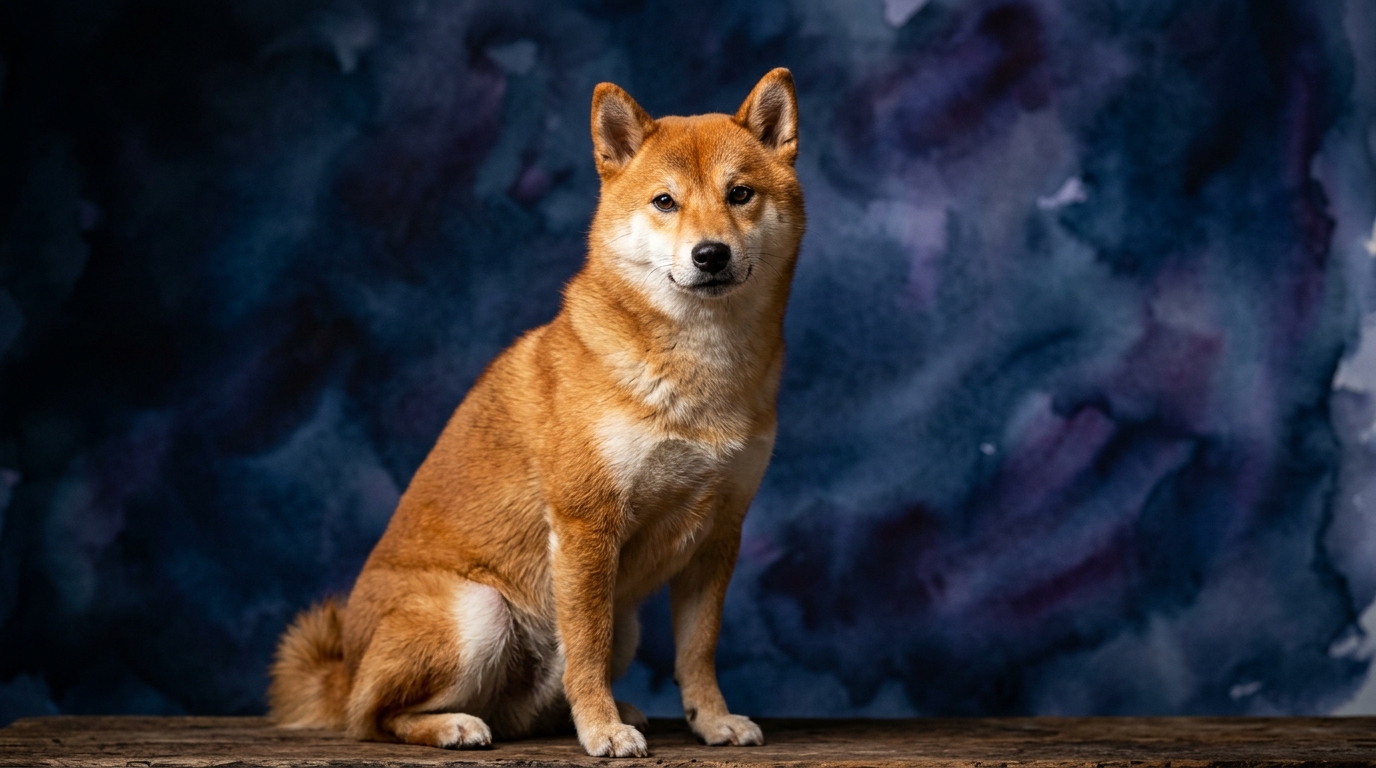
The Shiba Inu, a dog from the Non-Sporting Group, is not Coren-ranked, but our analysis provides a comprehensive view of their cognitive abilities. Their Problem Solving is rated 4/5, indicating a strong capacity for independent thought and cleverness in achieving their goals. Training Speed is 2/5, reflecting their often-stubborn and self-directed nature. Social Intelligence stands at 3/5, as they are selective in their interactions but observant of their environment. Instictive Drive is a robust 5/5, showcasing their powerful prey drive and territorial instincts. Finally, their Memory is 4/5, enabling them to retain successful strategies and routines.
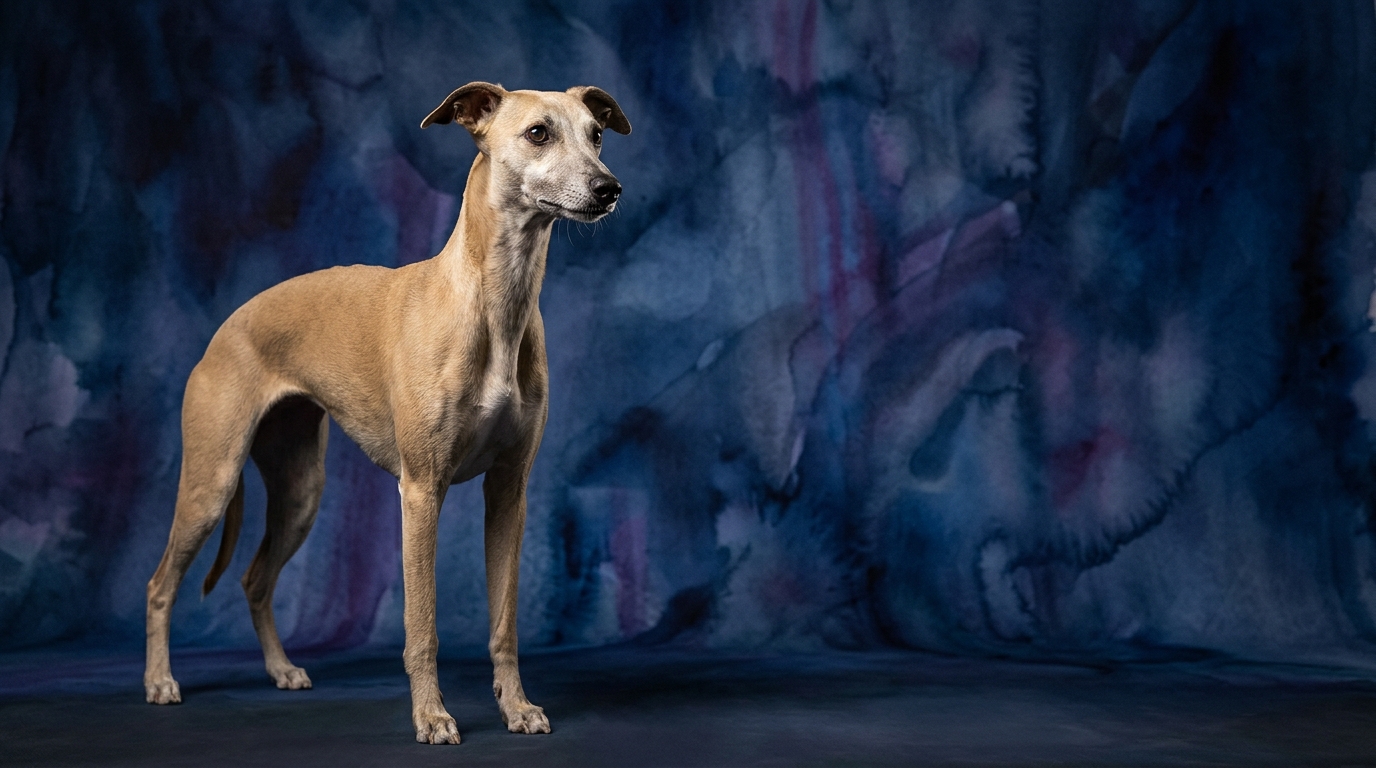
The Whippet, a refined Hound Group member, holds a Coren rank of #51, placing them in the average working/obedience intelligence category. Our IQ assessment further details their specific cognitive leanings. Their Problem Solving is 3/5, suggesting they can navigate challenges but are less inclined towards complex schemes. Training Speed is also 2/5, influenced by their sensitivity and potential for distraction. Social Intelligence is a strong 4/5, highlighting their deep attunement to human emotions and desire for connection. Instictive Drive matches the Shiba at 5/5, reflecting their intense sighthound prey drive. Their Memory is 3/5, sufficient for routines and consistent training but perhaps less strategic than the Shiba's.
Where the Shiba Inu Cognitively Excels
The Shiba Inu's cognitive edge lies primarily in their superior problem-solving ability (4/5) combined with their robust memory (4/5). This unique combination allows them to independently assess situations, formulate effective strategies to achieve their own objectives, and remember which tactics were successful in the past. For instance, a Shiba might meticulously figure out how to open a child-proof gate or systematically test boundaries to gain access to a forbidden area, displaying a cunning and persistent mental approach focused on self-interest. Their drive is often internal, leading to creative, self-directed solutions that reflect their independent spirit and resourcefulness.
Where the Whippet Cognitively Excels
The Whippet's distinct cognitive strength is their elevated social intelligence (4/5). Unlike the more independent Shiba, Whippets are profoundly attuned to human emotions and cues, making them exceptionally empathetic companions. They excel at reading subtle shifts in body language and tone, often responding with comforting gestures or adjusting their behavior to match the family's mood. This heightened social awareness fosters a deep, responsive bond, allowing them to integrate seamlessly into a family's emotional landscape. Their understanding of social dynamics is a significant cognitive asset, making them highly perceptive and responsive to their human companions.
Training Dynamics: Shiba Inu vs. Whippet
Neither the Shiba Inu nor the Whippet earns high marks for training speed (both 2/5), indicating that both require a dedicated and nuanced approach. The Shiba Inu's challenge stems from their profound independence and 'what's in it for me?' attitude; they are often stubborn, choosing to obey only when sufficiently motivated or if they perceive a command aligns with their own agenda. Training a Shiba requires immense patience, creativity, and making the learning process feel like their idea, often through high-value rewards and engaging games. Their strong memory (4/5) means they remember what they've learned, but their low training speed reflects their selective compliance.
In contrast, the Whippet's training difficulty arises from their sensitivity and sighthound distraction. They are easily discouraged by harsh corrections and can 'shut down,' requiring a consistently gentle, positive reinforcement approach. Their strong instinctive drive (5/5) means outdoor environments are full of irresistible distractions, demanding focus on engagement over sheer obedience. While neither is inherently 'easy' to train, a Whippet might be more *willing* to comply if handled with understanding and kindness, whereas a Shiba demands *persuasion* and a strong, consistent, yet respectful, leadership from their owner. The Whippet's social intelligence (4/5) means they genuinely want to connect, but their sensitivity and prey drive can override immediate obedience.
Lifestyle Match: Active vs. Relaxed Owners
The suitability for active versus relaxed owners depends on the *nature* of the activity and relaxation desired. Shiba Inus, with their high instinctive drive (5/5) and problem-solving aptitude (4/5), require significant mental engagement and structured physical activity. They thrive with owners who can provide consistent training, varied enrichment, and secure outdoor spaces for exploration, as their prey drive necessitates careful management. While they can be content indoors, their minds need to be challenged, making them a fit for owners who are actively involved in their dog's mental stimulation and behavioral shaping, rather than just physical exercise.
Whippets, also possessing a high instinctive drive (5/5), require intense, short bursts of physical activity, primarily sprinting in a securely fenced area. However, once their energy is expended, they are renowned for their calm, 'couch potato' demeanor indoors, often seeking soft places to nap. They suit owners who appreciate a dog that can transition from explosive outdoor speed to quiet indoor companionship, preferring a relaxed home environment but able to facilitate their specific athletic needs without demanding constant, high-endurance exercise. Therefore, 'active' for a Shiba owner means mentally engaging and consistent in training, while for a Whippet owner, it means providing specific outlets for speed, followed by ample relaxation.
The Verdict
Choose a Shiba Inu if you appreciate a clever, independent companion who will challenge your training skills and reward you with a unique, self-possessed bond, and you are prepared for a dog with strong, self-directed instincts.
Choose a Whippet if you seek a gentle, sensitive, and emotionally attuned companion who thrives on close family connections, and you can provide opportunities for exhilarating sprints balanced with abundant indoor relaxation.
🧠 Find Your Pet's IQ Score
Our Pet IQ Lab assessment covers 25+ tests across 5 cognitive dimensions — personalized to your breed.
Take the Full IQ Test →Frequently Asked Questions
Are Shiba Inus difficult to train?
Shiba Inus are often considered challenging to train due to their independent nature and strong will, reflected in their 2/5 training speed. They need consistent, positive reinforcement and high-value motivators, as they tend to obey only when they perceive a clear benefit to themselves. Their cognitive profile suggests they need to be convinced that your commands are worth their effort.
Do Whippets make good family dogs?
Whippets generally make excellent family dogs, particularly due to their high social intelligence (4/5) and gentle disposition. They are affectionate with their families, good with children when properly socialized, and adapt well to various home environments, often seeking comfort and connection. Their calm indoor demeanor is a significant plus for family life.
What is the main difference in intelligence between a Shiba Inu and a Whippet?
The core cognitive distinction lies in their primary drives and focus: Shiba Inus excel in independent problem-solving and strategic memory, often using their wits for self-serving goals. Whippets, conversely, stand out for their superior social intelligence, demonstrating a profound empathy and attunement to human emotions, making them deeply responsive companions.