
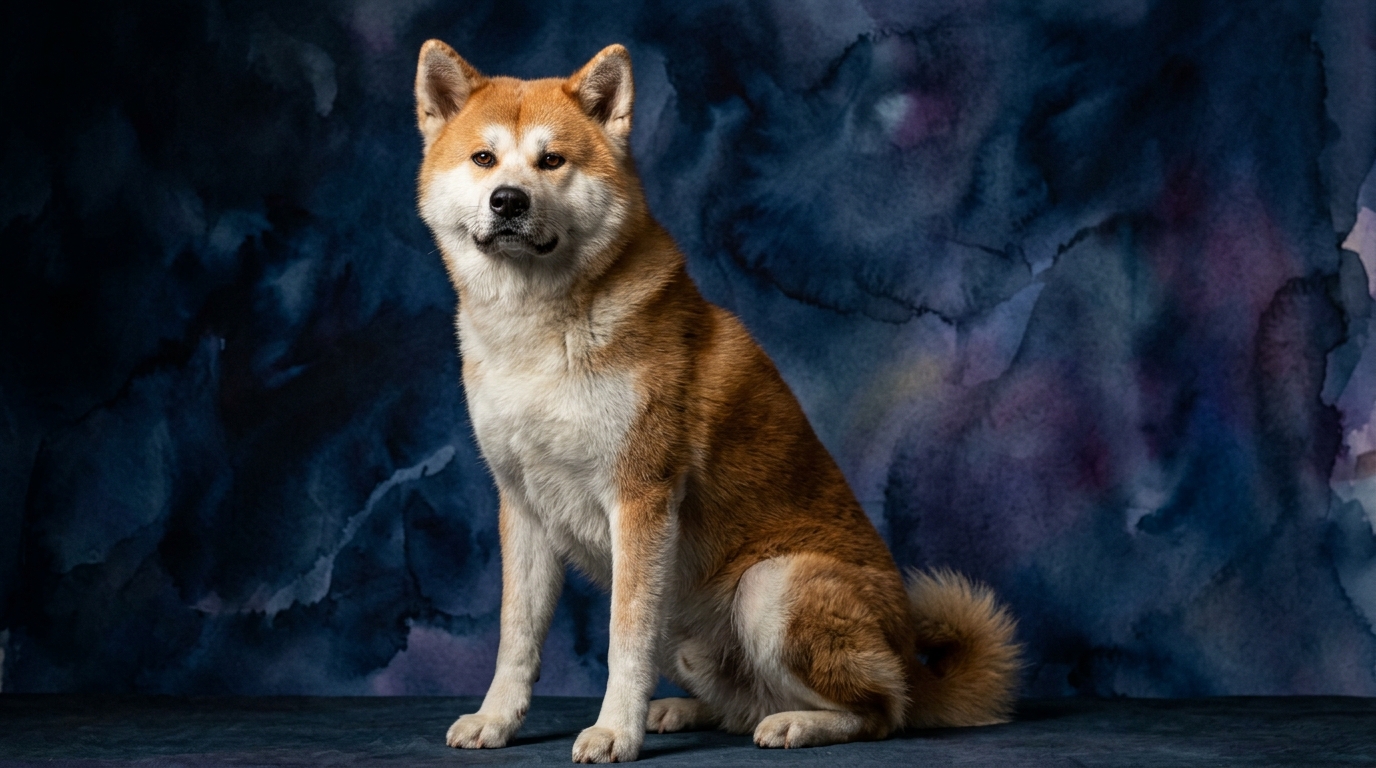
Side-by-Side Cognitive Profiles: Shih Tzu vs. Akita
The Cosmic Pet Pet IQ Lab offers a nuanced look at canine intelligence across five key dimensions. For the Shih Tzu, a Toy breed with a Coren rank of #70, we observe a Problem Solving score of 3/5, indicating a moderate capacity for navigating novel situations and figuring out solutions to environmental puzzles, often through observation and trial-and-error. Their Training Speed is 2/5, meaning they typically require more repetition and patience during training sessions, processing commands at a slower rate than some other breeds. A standout trait is their Social Intelligence at 5/5, reflecting an exceptional ability to interpret human moods, respond to social cues, and form deep, empathetic connections. Their Instinctive Drive is low at 2/5, consistent with a breed primarily developed for companionship, and their Memory is moderate at 3/5, capable of retaining routines and familiar commands.
In contrast, the Akita, a Working breed ranked #54 by Coren, shares a similar Problem Solving score of 3/5, demonstrating a moderate aptitude for assessing situations and devising solutions, often with an independent approach. Like the Shih Tzu, their Training Speed is 2/5, indicating a deliberate pace for learning that demands consistent, clear instruction. The Akita’s Social Intelligence sits at 3/5; they connect well with their primary family but are generally more reserved with strangers and less outwardly demonstrative of social cues. A defining characteristic is their Instinctive Drive at 5/5, reflecting their heritage as hunters and guardians, leading to a powerful inherent drive for specific tasks, territoriality, and a strong prey drive. Finally, the Akita exhibits a robust Memory at 4/5, retaining learned behaviors, routines, and past experiences with considerable detail and longevity.
Where the Shih Tzu Excels Cognitively
The Shih Tzu's most pronounced cognitive advantage lies in its exceptional Social Intelligence, scoring a perfect 5/5 compared to the Akita's 3/5. This remarkable capacity means Shih Tzus are masters at interpreting human emotions, adapting their behavior to social cues, and forming profound, empathetic bonds. They often demonstrate an uncanny ability to read their owner's mood, offering comfort or adjusting their playfulness accordingly. This isn't merely about affection; it's a sophisticated understanding of social dynamics that allows them to integrate seamlessly into diverse household environments and provide genuine emotional support. Their high social intelligence makes them particularly adept at therapy work, thriving in situations where nuanced interaction and emotional reciprocity are paramount, solidifying their role as truly intuitive companions.
Where the Akita Demonstrates Cognitive Strengths
The Akita’s cognitive strengths are rooted in its powerful Instinctive Drive (5/5 vs. Shih Tzu's 2/5) and robust Memory (4/5 vs. Shih Tzu's 3/5). Their high instinctive drive is a direct reflection of their historical roles as hunters and guardians, translating into a strong sense of purpose, acute territoriality, and a significant prey drive. This innate programming means Akitas thrive when given a 'job' or a structured routine that taps into these deep-seated instincts, making them naturally alert and observant. Their superior memory allows them to retain complex routines, remember specific people (and how those people treated them), and recall past training sessions or experiences with impressive accuracy. This detailed recall applies not only to commands but also to environmental layouts and the behavior patterns of those around them, contributing significantly to their effective guardian capabilities, though it also means negative experiences can be deeply ingrained.
Trainability: A Closer Look at Both Breeds
While both the Shih Tzu and Akita share an identical Training Speed score of 2/5, suggesting they both learn new commands at a deliberate pace, the underlying behavioral differences in their cognitive profiles create distinct training experiences. The Shih Tzu, with its high social intelligence and low instinctive drive, often proves more eager to please and less prone to independent decision-making when actively engaged with its owner. They are typically motivated by social praise and affection, and their reduced natural drives mean fewer distractions from impulses like chasing or guarding, allowing them to focus more on the handler’s cues. However, their slower processing speed necessitates patience and consistency, with tasks broken into small, manageable steps, and their sensitivity to human emotions means a gentle, encouraging approach is most effective.
The Akita, despite the same 'Training Speed' score, presents a different training dynamic. Their powerful instinctive drive means they frequently possess their own agenda, and their strong memory ensures they recall every inconsistency or perceived unfairness. Training an Akita requires a confident, consistent leader who can provide clear direction, purpose, and respect. They respond best to training that challenges their intellect and taps into their working heritage, offering mental stimulation and a sense of accomplishment rather than merely social pleasing. Their independence and moderate social intelligence mean they require compelling motivation and unwavering leadership to cooperate, as they will remember weak leadership or negative experiences, which can significantly hinder future training efforts. In essence, while both learn slowly, the Shih Tzu is generally more cooperative, whereas the Akita demands a more strategic and authoritative approach.
Matching Breeds to Lifestyles: Active vs. Relaxed Owners
The distinct cognitive profiles of the Shih Tzu and Akita naturally align them with different owner lifestyles. The Shih Tzu, with its low instinctive drive and moderate problem-solving, is ideally suited for relaxed owners who prioritize companionship and gentle activities. Their exercise needs are easily satisfied with short walks and indoor play, making them excellent apartment dwellers or companions for those with a less physically demanding routine. Their high social intelligence means they are content to be close by, soaking up attention without demanding constant, rigorous activity, fitting seamlessly into a quiet, affectionate home.
Conversely, the Akita, with its high instinctive drive and robust memory, requires an active and deeply engaged owner. These dogs need more than just physical exercise; they demand significant mental stimulation that challenges their problem-solving abilities and taps into their innate drives. Owners who enjoy long hikes, structured training sessions, and providing a consistent 'job' for their dog will find the Akita a profoundly rewarding companion. Their independent nature and strong territorial instincts mean they benefit from clear boundaries and consistent leadership, making them suitable for experienced owners who can dedicate substantial time to their physical and mental well-being and provide an outlet for their inherent drives.
The Verdict: When to Choose Each Breed
The Verdict
Opt for a Shih Tzu if you prioritize a deeply empathetic and adaptable companion, valuing social connection and a relaxed home environment over intense physical or mental activities.
Select an Akita if you are an experienced, active owner prepared to provide strong, consistent leadership and engage a dog with significant instinctive drives and a powerful memory in purposeful activities.
🧠 Find Your Pet's IQ Score
Our Pet IQ Lab assessment covers 25+ tests across 5 cognitive dimensions — personalized to your breed.
Take the Full IQ Test →Frequently Asked Questions
Are Shih Tzus difficult to train?
While Shih Tzus have a slower training speed, their high social intelligence and eagerness to please can make them quite receptive to gentle, consistent positive reinforcement. Patience is key, focusing on short, engaging sessions rather than long, repetitive drills for best results.
Do Akitas need a lot of exercise?
Akitas possess a high instinctive drive, meaning they require not only physical exercise but also significant mental stimulation and purposeful activities to be well-adjusted. Long walks, structured training, and opportunities to engage their guarding or working instincts are beneficial for their overall well-being.
How do their memory differences impact daily life?
An Akita's strong memory means they will remember training, routines, and past interactions vividly, requiring consistent positive experiences to build trust and good habits. A Shih Tzu's moderate memory still allows for routines but might mean they adapt more fluidly to minor changes without dwelling on past events as much, making them generally more forgiving of minor inconsistencies.