
Side-by-Side IQ Profile: Unpacking Canine Cognition
The Cosmic Pet Pet IQ Lab employs five key dimensions to map a breed's cognitive landscape, offering a granular view beyond general perceptions. For the Shih Tzu, a Toy breed with a Coren rank of #70, their profile reveals a problem-solving score of 3/5, indicating an average capacity for navigating novel challenges. Their training speed is rated 2/5, suggesting a more deliberate learning pace, while their social intelligence shines at a remarkable 5/5, highlighting an exceptional understanding of human cues and relationships. An instinctive drive of 2/5 points to a relatively low inherent motivation for traditional canine tasks, and their memory stands at 3/5, showing a solid but not extraordinary recall ability.
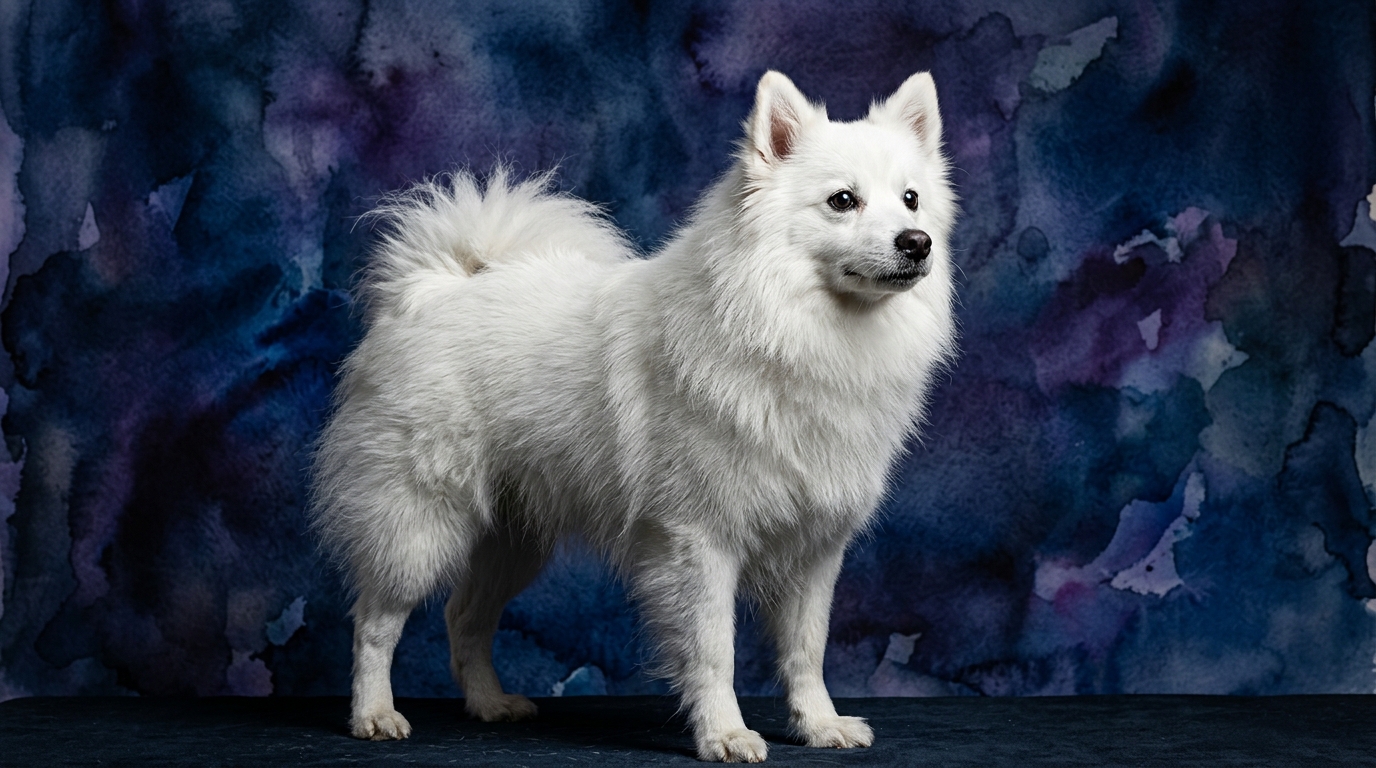
In contrast, the American Eskimo Dog, a Non-Sporting breed not listed in Coren's ranking, presents a more balanced cognitive spread. Their problem-solving ability matches the Shih Tzu at 3/5, suggesting a similar aptitude for figuring things out. Where they differ significantly is in training speed, scoring 3/5, which indicates a quicker grasp of new commands and routines. Their social intelligence is 3/5, making them companionable but perhaps less intensely focused on human emotional nuances than the Shih Tzu. An instinctive drive of 3/5 means they possess a moderate intrinsic motivation for activities, and their memory also scores 3/5, aligning with the Shih Tzu in this dimension.
Where the Shih Tzu Shines Cognitively
The Shih Tzu's undeniable cognitive strength lies in their extraordinary social intelligence, rated a perfect 5 out of 5. This isn't just about being friendly; it signifies a profound capacity to read human emotions, understand subtle social dynamics, and adapt their behavior to fit various social situations. A Shih Tzu can often sense a shift in your mood, offering comfort or seeking attention with uncanny timing, making them exceptionally attuned companions. This high social acumen means they often excel at non-verbal communication, using body language and eye contact to convey their needs and desires, sometimes even manipulating situations to their advantage through sheer charm.
While their problem-solving (3/5) isn't top-tier, a Shih Tzu frequently applies this skill within a social context. They might figure out how to get extra treats from a specific family member, or how to subtly nudge a hand for more petting, demonstrating an understanding of cause and effect tied directly to human interaction. Their moderate memory (3/5) further supports their social prowess, allowing them to remember which behaviors elicited desirable responses from their people, reinforcing their socially-driven strategies.
Where the American Eskimo Dog Excels Cognitively
The American Eskimo Dog's cognitive profile highlights a more balanced and adaptable intellect, particularly in areas related to learning and engagement. Their training speed, rated 3/5, suggests a more eager and efficient learner compared to the Shih Tzu. This means they are generally quicker to pick up new commands and routines, making them responsive partners in structured activities like obedience training or agility. This enhanced learning capacity positions them well for owners who enjoy teaching their dogs new skills and tricks.
Their instinctive drive, also at 3/5, gives the American Eskimo Dog a moderate intrinsic motivation to engage with their environment and participate in tasks. Unlike the Shih Tzu's lower drive, the Eskie's natural inclination to work and interact can be channeled into constructive activities, preventing boredom and fostering a well-adjusted temperament. This drive, combined with their 3/5 problem-solving, means they are more likely to engage with puzzles, explore their surroundings with purpose, or enjoy tasks that require a bit of thought, making them suitable for various canine sports or mental stimulation games.
Training Receptiveness: Shih Tzu vs. American Eskimo Dog
When it comes to ease of training, the American Eskimo Dog generally holds an advantage over the Shih Tzu, primarily due to their differing training speed and instinctive drive scores. The Eskie's training speed of 3/5 indicates a more receptive learner who is quicker to form associations between commands and actions. Coupled with their 3/5 instinctive drive, they often possess a greater inherent desire to please and participate, making them more amenable to consistent, positive reinforcement training methods. They thrive on structured learning and can become quite proficient in obedience and even advanced tricks with the right guidance.
The Shih Tzu's training speed of 2/5, however, suggests a more patient and persistent approach is needed. Their profound social intelligence (5/5) can sometimes be a double-edged sword; they are experts at understanding human cues but may choose to respond only when it suits them, often using their charm to get their way rather than strictly adhering to commands. Their lower instinctive drive (2/5) means they may not find traditional training exercises as inherently motivating. Owners often report a "selective hearing" tendency, where a Shih Tzu might understand a command perfectly but decide not to comply, especially if there's a more appealing social interaction or comfy lap available. Consistency, high-value rewards, and making training feel like a fun social game are crucial for the Shih Tzu.
Matching Breeds to Lifestyles: Active vs. Relaxed Owners
For owners seeking a relaxed, devoted companion whose primary joy comes from close human interaction, the Shih Tzu is an exceptional fit. Their high social intelligence and lower instinctive drive mean they are content with a more sedentary lifestyle, thriving on cuddles, companionship, and being an integral part of family life. They don't demand extensive outdoor adventures or complex mental challenges to stay content; their happiness is deeply intertwined with their human connections. A Shih Tzu is perfectly suited for apartment living or homes with smaller yards, as long as they receive ample affection and social engagement throughout the day.
Conversely, the American Eskimo Dog is better suited for owners who enjoy a more active and engaging lifestyle. Their balanced scores in problem-solving, training speed, and instinctive drive mean they benefit from regular physical exercise and consistent mental stimulation. These dogs appreciate daily walks, opportunities to play, and perhaps even participation in dog sports like agility or obedience. An American Eskimo Dog will thrive with an owner who is committed to providing structured activities, training sessions, and interactive play, ensuring their moderate drive and intelligence are channeled constructively rather than leading to boredom or mischief. They are adaptable but generally prefer a household that can keep pace with their desire for engagement.
The Verdict
Choose the Shih Tzu if your priority is an extraordinarily socially attuned companion who thrives on affection and intimate human connection, content with a relaxed, indoor-centric lifestyle. Their charm and ability to read emotions are unmatched, offering profound companionship.
Opt for the American Eskimo Dog if you desire a responsive, moderately driven partner eager to learn and participate in more structured activities, fitting well with an active household. They offer a balanced cognitive profile for owners seeking engagement beyond just cuddles.
🧠 Find Your Pet's IQ Score
Our Pet IQ Lab assessment covers 25+ tests across 5 cognitive dimensions — personalized to your breed.
Take the Full IQ Test →Frequently Asked Questions
Are Shih Tzus difficult to house train?
Shih Tzus can sometimes present challenges with house training due to their lower training speed and a tendency to be easily distracted from routines. Consistent positive reinforcement, frequent potty breaks, and patience are key to success, as they learn best when training feels like a positive social interaction.
Do American Eskimo Dogs require a lot of mental stimulation?
Yes, American Eskimo Dogs benefit significantly from regular mental stimulation to keep their balanced intelligence and moderate instinctive drive satisfied. Daily training sessions, puzzle toys, and interactive games help prevent boredom and ensure they remain well-adjusted and engaged companions.
How do their problem-solving skills manifest in daily life?
A Shih Tzu's problem-solving often appears in social contexts, like figuring out how to get attention or extra treats from their humans. An American Eskimo Dog might apply their problem-solving to figuring out how to open a cabinet, navigate a new environment, or solve a food puzzle, demonstrating a broader application beyond purely social scenarios.