
Side-by-Side Cognitive Profiles
At The Cosmic Pet Pet IQ Lab, we assess canine cognition across five distinct dimensions, offering a nuanced view beyond traditional rankings. The Shih Tzu, a Toy group member, holds a Coren rank of #70, indicating a moderate capacity for understanding new commands. Its individual cognitive scores are: Problem Solving 3/5, suggesting an average ability to navigate novel situations or puzzles; Training Speed 2/5, which implies a more patient and consistent approach is needed for command acquisition; Social Intelligence 5/5, highlighting an exceptional ability to interpret human cues and bond deeply; Instinctive Drive 2/5, indicating a lower inclination towards tasks like herding or tracking; and Memory 3/5, signifying a solid but not extraordinary retention of experiences and learned behaviors.
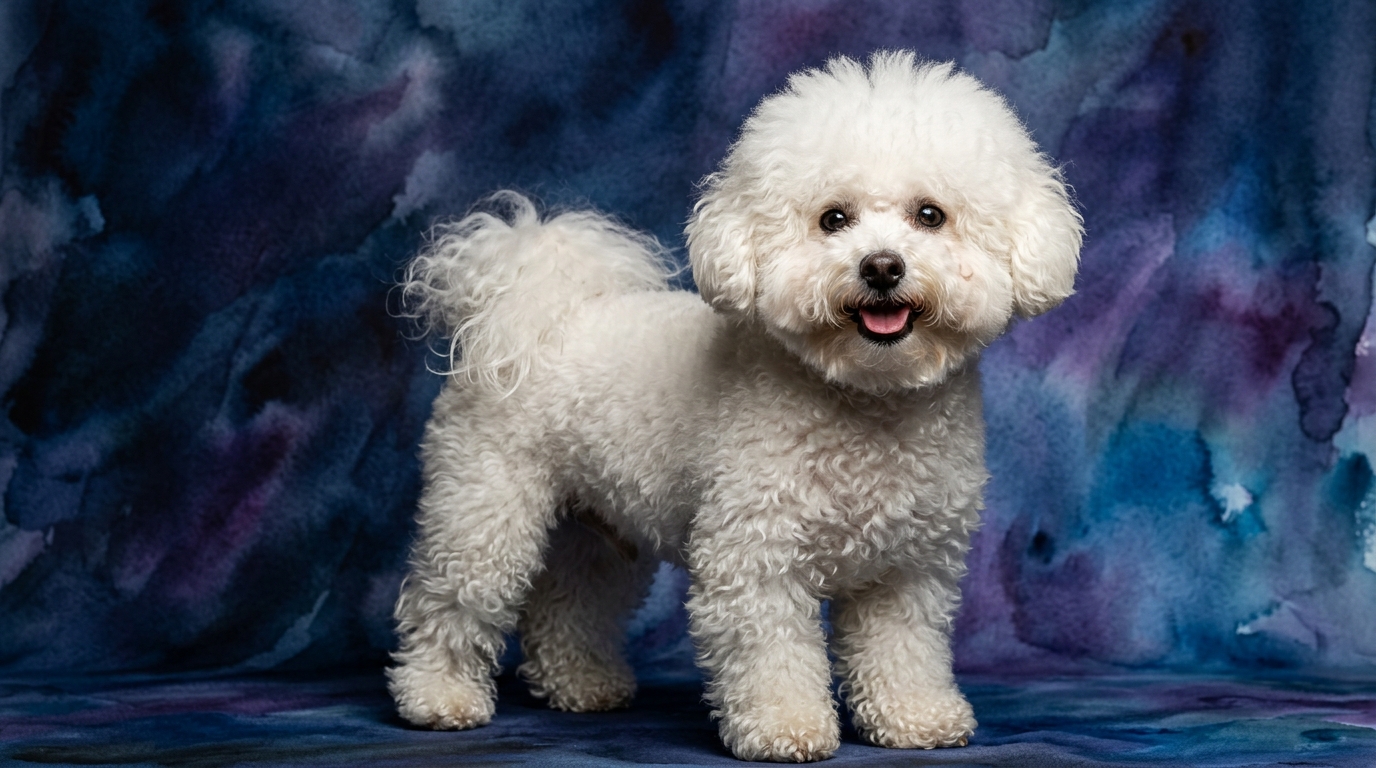
In contrast, the Bichon Frisé, from the Non-Sporting group, is positioned higher on the Coren scale at #45, suggesting a quicker grasp of new instructions. Its cognitive breakdown includes: Problem Solving 3/5, matching the Shih Tzu's average capacity for figuring things out; Training Speed 3/5, indicating it learns new commands at a slightly faster pace than the Shih Tzu; Social Intelligence 5/5, demonstrating an equally profound connection and responsiveness to human interaction; Instinctive Drive 2/5, also showing a low predisposition for primal working behaviors; and Memory 3/5, mirroring the Shih Tzu's capacity for retaining information. These profiles reveal fascinating parallels and divergences in their mental makeup.
Where the Shih Tzu Excels Cognitively
The Shih Tzu's standout cognitive strength lies unequivocally in its Social Intelligence, scoring a perfect 5/5. This isn't merely about being affectionate; it signifies a profound ability to understand and respond to human emotions, vocal tones, and body language. A Shih Tzu can often sense a change in its owner's mood, offering comfort or seeking attention appropriately. This high social acumen makes them exceptionally attuned companions, often seeming to anticipate needs or desires, which is a sophisticated form of non-verbal problem-solving within a social context. While its Training Speed is lower, its exceptional social awareness can sometimes compensate, as it's highly motivated by positive human interaction and approval, making it eager to please once it grasps what's expected. Their memory, at 3/5, is sufficient to recall these social dynamics and the routines associated with their human counterparts, reinforcing their role as perceptive family members.
Where the Bichon Frisé Shows Cognitive Edge
The Bichon Frisé's primary cognitive advantage over the Shih Tzu is its Training Speed, scoring 3/5 compared to the Shih Tzu's 2/5. This means a Bichon Frisé typically requires fewer repetitions to learn a new command or trick, making training sessions potentially more efficient and rewarding for both dog and owner. This quicker learning curve, combined with its Coren rank of #45 (significantly higher than the Shih Tzu's #70), suggests a more straightforward path to establishing a solid behavioral foundation. While both breeds share excellent Social Intelligence, the Bichon's faster processing of commands can make it appear more adaptable to various training methodologies. Its Problem Solving and Memory scores are on par with the Shih Tzu, indicating a similar capacity for navigating environmental challenges and retaining information, but its slightly more agile learning speed gives it an edge in formal instruction.
Training Dynamics: Shih Tzu vs. Bichon Frisé
When it comes to training, the core difference between these two breeds emerges from their Training Speed scores. The Bichon Frisé, with its 3/5, generally picks up new commands more readily. This translates to fewer repetitions needed during a training session and potentially a shorter overall timeline to master a set of behaviors. For instance, house-training a Bichon might progress a bit faster due to its quicker association of actions with consequences. Its slightly higher Coren rank further supports this, suggesting a more general aptitude for understanding human directives.
The Shih Tzu, scoring 2/5 in Training Speed, requires more patience and consistency. They are not less capable of learning, but they process new information at a more deliberate pace. Owners might find that a Shih Tzu needs more consistent reinforcement and shorter, more frequent training sessions to prevent frustration. However, their exceptional Social Intelligence (5/5) means they are highly motivated by positive reinforcement and praise from their humans. While a Shih Tzu may take longer to grasp a command, once learned, their 3/5 memory ensures good retention, especially if the training is consistently reinforced with positive social interaction. Therefore, while both are trainable, the Bichon Frisé often offers a slightly smoother and faster training experience.
Suitability for Active vs. Relaxed Owners
Considering their cognitive and general temperamental profiles, both breeds are well-suited for owners seeking companionship rather than a working partner, given their low Instinctive Drive (2/5). However, subtle differences in their cognitive energy and training speed can influence their fit. The Bichon Frisé, with its slightly quicker learning and generally more effervescent disposition, might appeal more to owners who enjoy engaging in regular, varied training or even beginner-level dog sports like agility, where quick responses are valued. While not a high-energy breed, their readiness to learn can translate into a desire for more structured mental engagement, making them a good fit for owners who enjoy consistent interaction and teaching new things.
The Shih Tzu, while equally affectionate, often embodies a more relaxed and self-contained demeanor. Its lower Training Speed means it thrives with owners who possess an abundance of patience and appreciate a companion that is content with a more leisurely pace. They excel in environments where their social intelligence can flourish through cuddles and quiet observation, rather than constant command-and-response drills. Owners who prefer a less demanding training journey and find joy in a deeply connected, affectionate presence will likely find the Shih Tzu an ideal match. Both breeds, with their high social intelligence, ultimately flourish with owners who provide consistent affection and integration into family life.
The Verdict
Choose a Shih Tzu if you prioritize an exceptionally socially intelligent companion who will bond deeply and thrive in a more relaxed household, and you are prepared for a patient, consistent training approach.
Opt for a Bichon Frisé if you appreciate a slightly quicker learner who can adapt more readily to varied training activities and enjoy an effervescent, engaging companion with a similar capacity for deep social connection.
🧠 Find Your Pet's IQ Score
Our Pet IQ Lab assessment covers 25+ tests across 5 cognitive dimensions — personalized to your breed.
Take the Full IQ Test →Frequently Asked Questions
Are Shih Tzus difficult to train?
Shih Tzus are not difficult to train, but they do require more patience and consistency due to their Training Speed score of 2/5. Their high Social Intelligence means they respond well to positive reinforcement and praise, making them eager to please once they understand what's expected. Short, frequent sessions work best to keep them engaged.
Which breed is more affectionate, Shih Tzu or Bichon Frisé?
Both Shih Tzus and Bichon Frisés score a perfect 5/5 in Social Intelligence, indicating they are equally capable of forming deep, affectionate bonds with their human families. Their expressions of affection might differ slightly in style, but both breeds are highly attuned to human emotions and thrive on companionship.
Do Bichon Frisés need a lot of mental stimulation?
Bichon Frisés, with their 3/5 Training Speed and Coren rank of #45, do benefit from regular mental stimulation. This can include learning new tricks, puzzle toys, or engaging in short, fun training sessions. While not requiring intense mental challenges, consistent engagement helps keep them happy and prevents boredom.