
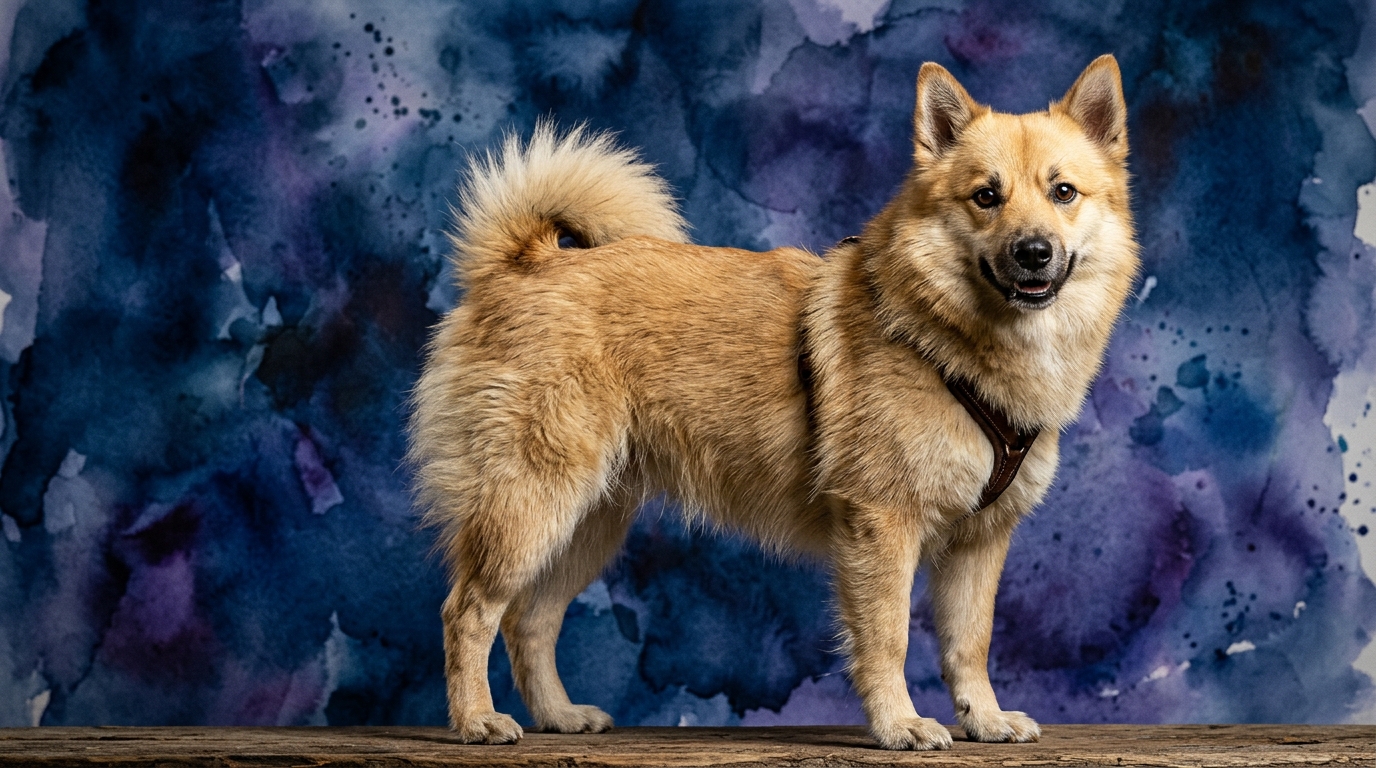
Side-by-Side Cognitive Profile: Shih Tzu vs. Norwegian Buhund
At The Cosmic Pet Pet IQ Lab, we delve into five key cognitive dimensions to understand what truly makes a breed tick. For the Shih Tzu, a breed ranked #70 by Coren, and the unranked but equally fascinating Norwegian Buhund, these dimensions offer a nuanced look at their mental makeup.
Both the Shih Tzu and the Norwegian Buhund register a **Problem Solving** score of 3/5. This indicates a moderate capacity for navigating novel challenges and figuring out solutions to environmental puzzles. The Shih Tzu might often apply its social acumen to 'solve' problems by soliciting human assistance, using charm to get what it wants. In contrast, the Buhund, with its herding heritage, might rely on its innate curiosity and adaptability to independently assess and overcome obstacles, often through exploration or trial and error.
When it comes to **Training Speed**, we see a notable difference: the Shih Tzu scores 2/5, while the Norwegian Buhund scores 3/5. This suggests that the Shih Tzu typically learns new commands at a slower pace, requiring more repetitions and consistent motivation that often hinges on strong personal connection. The Norwegian Buhund, with its slightly higher rating, generally picks up new tasks and commands more readily, a trait beneficial in working breeds where quick responses and adaptability are paramount. They often demonstrate a greater eagerness to please through active participation.
**Social Intelligence** is where the Shih Tzu truly shines, earning an exceptional 5/5, compared to the Norwegian Buhund's 3/5. A 5/5 rating for the Shih Tzu signifies an extraordinary ability to read and respond to human emotions, intentions, and subtle social cues. They are deeply attuned to their companions, often mirroring moods and seeking close physical connection, making them masters of empathetic interaction. The Buhund, at 3/5, possesses a solid social intelligence; they are friendly and enjoy interaction but maintain a degree of independence characteristic of a working dog, whose primary focus isn't solely emotional companionship.
For **Instinctive Drive**, the Shih Tzu scores 2/5, reflecting its long history as a cherished companion animal, bred primarily for lap-warming and charm rather than specific tasks. Their drives are generally geared towards comfort, affection, and gentle play. The Norwegian Buhund, a Herding breed, naturally exhibits a higher instinctive drive at 3/5. This manifests as a desire to herd, chase, and be actively engaged in purposeful activities, requiring outlets for this energy and focus to prevent boredom.
Finally, both breeds share a **Memory** capacity of 3/5. This moderate score indicates that both Shih Tzus and Norwegian Buhunds are capable of retaining learned behaviors, routines, and associations with people and places effectively. While neither is documented to possess extraordinary recall, they are perfectly capable of remembering commands, house rules, and the people they love, contributing significantly to their roles as cherished family members and adaptable companions.
Where the Shih Tzu Excels Cognitively
The Shih Tzu's cognitive prowess is undeniably centered on its exceptional Social Intelligence (5/5). They are not just affectionate; they are masters of emotional connection and intuitive companionship. This means a Shih Tzu excels at being a therapeutic presence, often sensing distress or sadness and providing comfort through their mere proximity or gentle nudges. Their ability to intuitively understand subtle human cues makes them incredibly empathetic companions. This skill isn't about solving complex puzzles or executing intricate commands; it's about navigating the complex emotional landscape of human relationships with remarkable finesse. This translates into unparalleled companionship, where they seem to anticipate needs and offer silent support, making them exceptionally attuned to family dynamics and a source of profound emotional comfort.
Where the Norwegian Buhund Shows its Cognitive Strengths
The Norwegian Buhund's cognitive strengths lie in its slightly higher Training Speed (3/5) and stronger Instinctive Drive (3/5). Their quicker grasp of new concepts and commands means they can often learn new tasks more efficiently, typically requiring fewer repetitions than a Shih Tzu. Coupled with a more pronounced instinctive drive, Buhunds are more inclined towards engaging in structured activities and learning tasks that satisfy their inherent desire for purpose and action. This makes them particularly adept at dog sports, obedience trials, or any activity that channels their natural energy and problem-solving through active participation, rather than just passive observation. Their drive to work and learn makes them highly responsive partners in various canine endeavors.
Training Dynamics: Which Breed is Easier and Why?
When considering ease of training, the Norwegian Buhund generally presents a more straightforward experience due to its higher training speed and stronger instinctive drive. Buhunds are often more motivated by tasks and possess a greater eagerness to engage in structured learning, making them highly responsive to command training, agility, and trick learning. Their background as working dogs means they thrive on having a 'job' and are often eager to please through active participation.
The Shih Tzu, with its lower training speed (2/5) and profound social intelligence (5/5), can be more challenging to train in a conventional sense. While they are acutely aware of their owner's mood and desires, their motivation might be less about 'performing a task' and more about 'being with their person' or receiving affection. They can exhibit a charming stubbornness if not properly motivated, often preferring cuddles over commands, and require consistent, patient, and highly positive reinforcement tailored to their desire for connection. Their perceived stubbornness isn't a lack of intelligence, but rather a preference for social interaction and comfort over rote learning, demanding a different approach to engagement.
Matching Lifestyles: Active vs. Relaxed Owners
The distinct cognitive and physical profiles of these breeds make them suited for very different owner lifestyles. The Norwegian Buhund is an ideal match for active owners. Their herding background means they thrive on regular, vigorous exercise, extensive mental stimulation, and a clear sense of purpose. Owners who enjoy hiking, dog sports like agility or herding, or extensive outdoor adventures will find a willing and energetic partner in a Buhund. They require consistent engagement and outlets for their energy and intelligence to prevent boredom and potential destructive behaviors.
Conversely, the Shih Tzu is perfectly suited for more relaxed owners. Their moderate energy levels and profound social intelligence mean they are content with shorter, leisurely walks, indoor play sessions, and extensive cuddle time on the sofa. They excel as devoted lap companions, requiring less physical exertion but abundant emotional connection and gentle interaction. This makes them ideal for individuals or families seeking a loyal, low-key indoor companion who will thrive on affection and close proximity rather than demanding physical challenges.
The Verdict
If you prioritize deep emotional connection, intuitive companionship, and a relatively relaxed lifestyle, the Shih Tzu's exceptional social intelligence and affectionate nature make it an unparalleled choice for a devoted lap companion.
Opt for the Norwegian Buhund if you seek an active, purpose-driven canine partner eager for training, outdoor adventures, and a dog that thrives on engagement and a structured routine.
🧠 Find Your Pet's IQ Score
Our Pet IQ Lab assessment covers 25+ tests across 5 cognitive dimensions — personalized to your breed.
Take the Full IQ Test →Frequently Asked Questions
Are Shih Tzus difficult to train for potty training?
Shih Tzus can present challenges with potty training due to their small bladders and sometimes a preference for indoor comforts. Consistent scheduling, frequent outdoor trips, and positive reinforcement are crucial for success, leveraging their desire for connection to motivate them to learn appropriate elimination habits.
Do Norwegian Buhunds bark a lot?
Norwegian Buhunds are known to be vocal, using their barks to alert owners, express excitement, or communicate. Their herding instincts often translate into being vigilant guardians, making early training and consistent management essential to channel their natural inclination to vocalize appropriately.
Which breed is better with children?
Both breeds can be good with children, but their approaches differ. Shih Tzus, with their high social intelligence, are generally gentle and tolerant, especially with respectful children. Norwegian Buhunds can be playful and energetic with children but may try to 'herd' smaller kids, requiring supervision and early socialization to ensure harmonious interactions.