Side-by-Side Cognitive Profiles
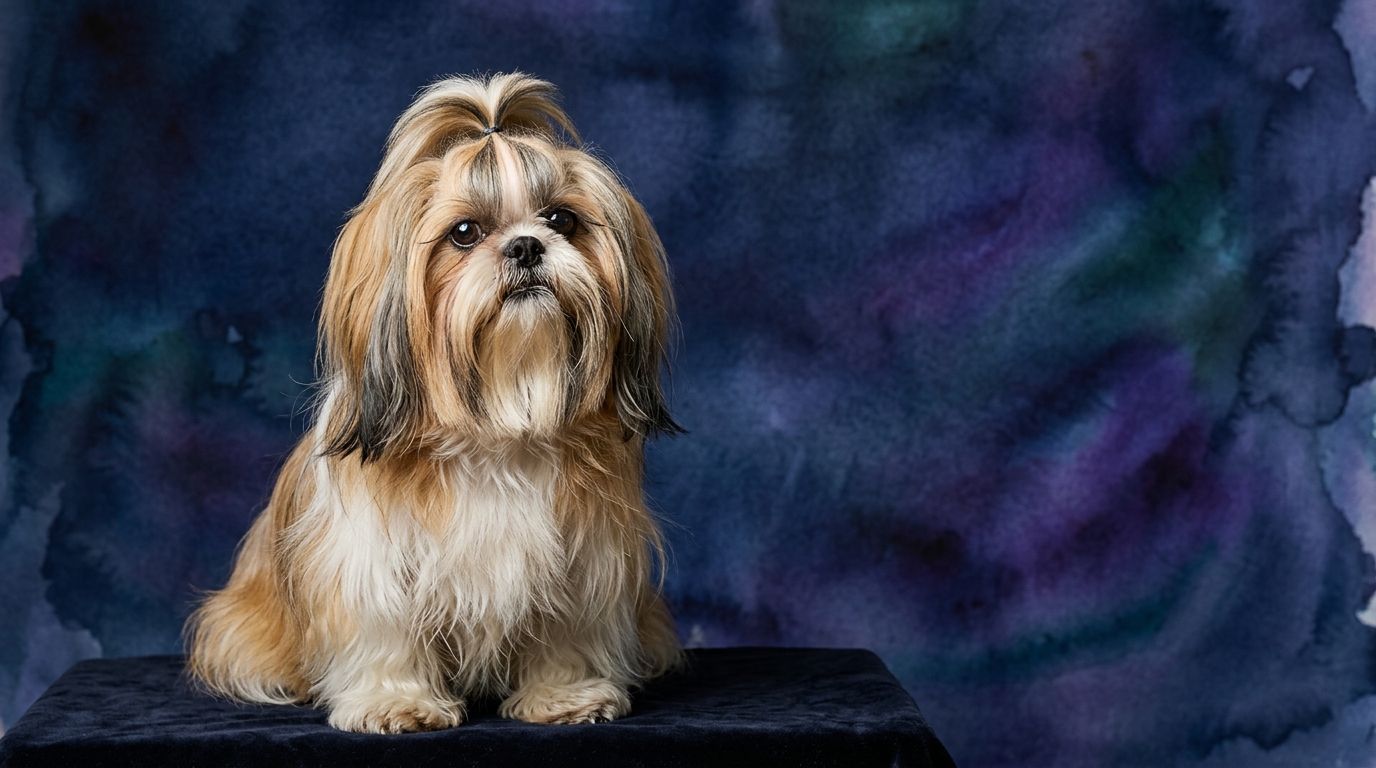
The Cosmic Pet Pet IQ Lab assesses canine intelligence across five key dimensions, revealing the distinct mental architectures of these two breeds. The Shih Tzu, Coren-ranked #70 for Working/Obedience Intelligence, exhibits a profile honed for companionship. Its Problem Solving is rated 3/5, demonstrating an ability to navigate familiar environments and creatively seek attention, yet not typically driven by complex, multi-step challenges. Training Speed is 2/5, indicating a need for patience and consistent, positive reinforcement, as they may take more repetitions to grasp new commands, often preferring their own agenda. Their Social Intelligence shines at 5/5, showcasing an exceptional capacity for reading human emotions, understanding subtle social cues, and forming deep, intuitive bonds. Instinctive Drive is low at 2/5, meaning their focus is primarily social rather than on hunting or guarding. Memory stands at 3/5, sufficient for routines and familiar interactions.
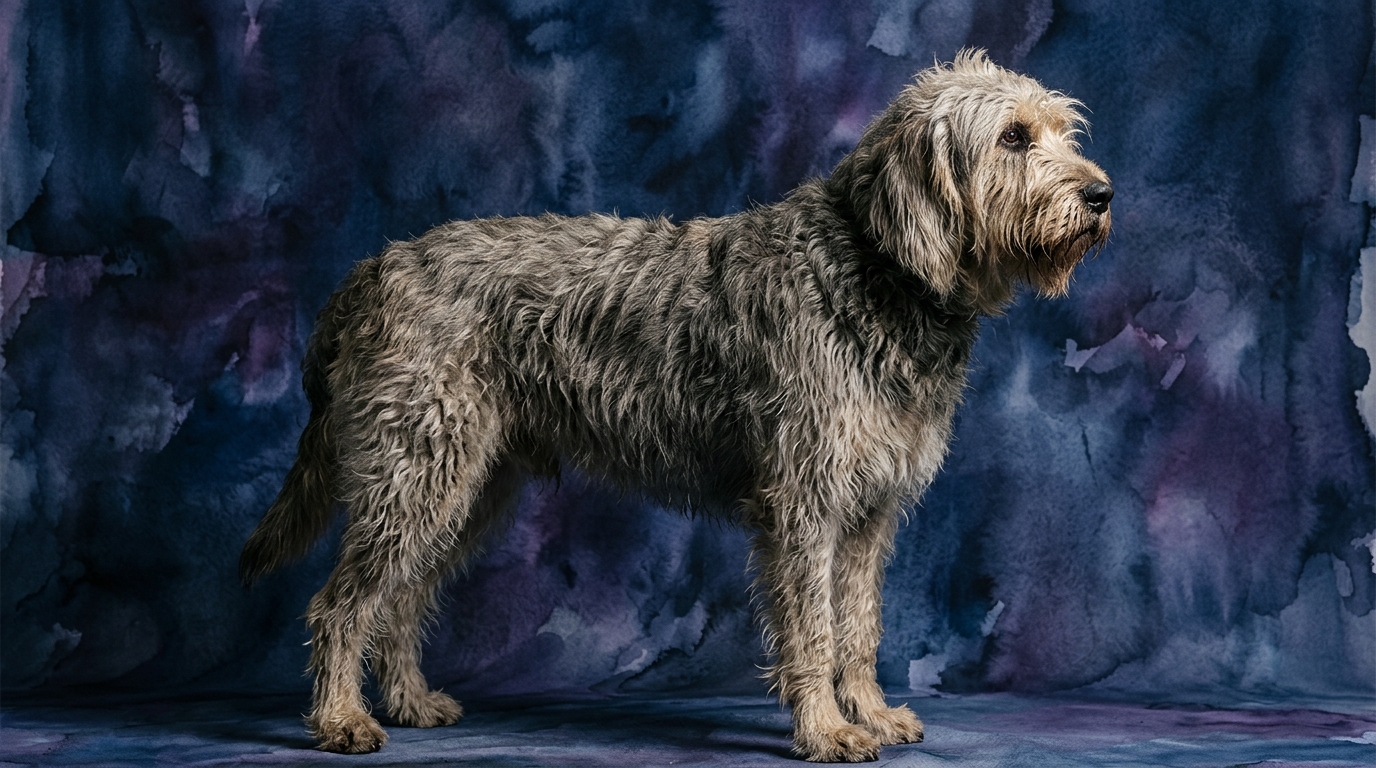
In contrast, the Otterhound, unranked by Coren, presents a cognitive makeup deeply influenced by its scent-hunting heritage. Its Problem Solving also rates 3/5, often applied to environmental exploration or challenges related to following a scent trail. Training Speed is slightly higher at 3/5, suggesting a moderate pace of learning, though their focus can be easily diverted by compelling olfactory stimuli. Social Intelligence is 3/5, indicating they are friendly and appreciate companionship but might not possess the same intuitive grasp of subtle human emotional shifts as a Shih Tzu, often more engaged with their surroundings. Instinctive Drive is a defining characteristic at 3/5, reflecting a powerful, ingrained inclination for tracking scents with singular focus. Memory is also 3/5, aiding in the recall of trails and learned behaviors.
Where the Shih Tzu Cognitively Excels
The Shih Tzu's preeminent cognitive strength lies in its exceptional Social Intelligence, scoring a perfect 5/5. This breed demonstrates an unparalleled ability to perceive and respond to the nuances of human emotion and social dynamics. They often anticipate mood shifts, offer comfort proactively, or subtly influence situations through charming interactions, a skill honed over centuries of close companionship. This profound social awareness makes them master communicators within a family unit, adept at sensing moods and adjusting their behavior to maintain harmony. Their lower Instinctive Drive (2/5) further supports this, as their mental focus is less scattered by external stimuli like scents or prey, and more consistently directed towards their human interactions. This deep social processing allows them to form incredibly strong, empathetic bonds, a cognitive advantage specifically designed for their role as attentive, intuitive companions.
Where the Otterhound Cognitively Excels
The Otterhound's cognitive edge is rooted in its robust Instinctive Drive (3/5) and a slightly more adaptable Training Speed (3/5) compared to the Shih Tzu. While both breeds share a 3/5 in Problem Solving and Memory, the Otterhound's defining mental characteristic is its unwavering dedication to scent work. Their cognitive processes are naturally geared towards identifying, tracking, and interpreting complex olfactory information, a specialized form of problem-solving in itself. This inherent drive, coupled with a moderate training speed, means they are more readily motivated by tasks that engage their natural hunting instincts. They excel when given a "job" that involves using their powerful nose, demonstrating a focused determination that stems directly from their breed's purpose. This mental framework makes them persistent and resourceful when pursuing a scent, showcasing a different kind of cognitive prowess that is deeply ingrained and purpose-driven.
Training Ease: Dissecting Behavioral Differences
When assessing overall ease of training, the Otterhound generally presents as the more straightforward student, primarily due to its slightly higher Training Speed (3/5 versus Shih Tzu's 2/5). The Otterhound's moderate learning pace means it typically requires fewer repetitions to solidify new behaviors. However, this ease is contextual; the Otterhound's strong Instinctive Drive (3/5) towards scent can be a significant distraction. If a compelling scent is present, an Otterhound's cognitive focus will naturally shift to investigating it, requiring a trainer to work diligently to maintain attention and make training more rewarding than the environment. Real behavioral differences include the Otterhound's tendency to "nose to the ground" and follow a trail, making off-leash recall challenging without extensive, consistent training.
In contrast, the Shih Tzu, with its lower Training Speed (2/5) and Coren rank of #70, may take longer to learn commands and often possesses a more independent or "stubborn" streak. Their high Social Intelligence (5/5) means they respond exceptionally well to positive reinforcement rooted in affection and connection, but their motivation might wane if the task feels repetitive or lacks a direct social reward. Their potential stubbornness often manifests as selective hearing or a preference for comfort over immediate compliance. Therefore, while both require patient and consistent training, the Otterhound might learn the *mechanics* of a command quicker, but the Shih Tzu might be more inclined to *want* to please once a strong, empathetic bond is established, albeit at a slower learning pace for the physical action.
Matching Breeds to Owner Lifestyles
The choice between a Shih Tzu and an Otterhound largely depends on an owner's lifestyle and preferred level of activity. A Shih Tzu, with its lower Instinctive Drive (2/5) and primary cognitive focus on Social Intelligence (5/5), is an ideal match for more relaxed owners. Their exercise needs are moderate, typically satisfied with short walks and indoor play, and their greatest joy comes from being close to their human companions. They thrive in environments where they receive consistent affection and can participate in family life as a beloved lapdog or attentive presence. Their cognitive profile makes them perfectly suited for a calm, companion-centric existence, where their keen social awareness can be fully appreciated and reciprocated.
Conversely, the Otterhound, with its higher Instinctive Drive (3/5) and historical role as a scent hound, is better suited for active owners. These dogs require substantial daily exercise, including regular opportunities to explore varied environments and engage their powerful sense of smell. Owners who enjoy long hikes, scent work, or other outdoor activities will find the Otterhound's cognitive and physical needs align well with their own. Their Problem Solving (3/5) and Memory (3/5) are best stimulated through engaging activities that tap into their natural curiosity and drive to explore, making them a poor fit for a sedentary lifestyle where their mental and physical energy cannot be adequately channeled. An Otterhound's happiness is intrinsically linked to opportunities for mental and physical exertion, particularly involving their nose.
The Verdict
Choose a Shih Tzu if you seek a deeply empathetic, socially astute companion whose primary joy is close human interaction and whose cognitive strengths lie in understanding and reflecting your emotions, fitting seamlessly into a relaxed home environment.
Opt for an Otterhound if you are an active individual or family prepared to engage a dog's robust physical and mental energy, particularly one whose cognitive drive is rooted in scent exploration and outdoor adventure, and who thrives on purposeful activity.
🧠 Find Your Pet's IQ Score
Our Pet IQ Lab assessment covers 25+ tests across 5 cognitive dimensions — personalized to your breed.
Take the Full IQ Test →Frequently Asked Questions
Are Shih Tzus stubborn during training?
Shih Tzus can certainly exhibit a degree of independence or "selective hearing" due to their lower training speed and a preference for comfort. They respond best to consistent, positive reinforcement and training methods that make learning feel like a fun, rewarding social interaction, rather than a strict command.
How does the Otterhound's scent drive impact daily life?
The Otterhound's strong instinctive drive means they are highly motivated by interesting smells, often leading their nose to the ground. This can make walks challenging without a leash and strong recall training, as they may follow a compelling scent trail with singular focus, potentially ignoring commands.
Which breed is better with children?
Both breeds can be good with children, but their approaches differ. Shih Tzus, with their high social intelligence, are often gentle and adaptable, thriving on family interaction. Otterhounds are generally good-natured and tolerant, though their larger size and boisterous play style might be better suited for slightly older, respectful children who understand how to interact with a scent hound.