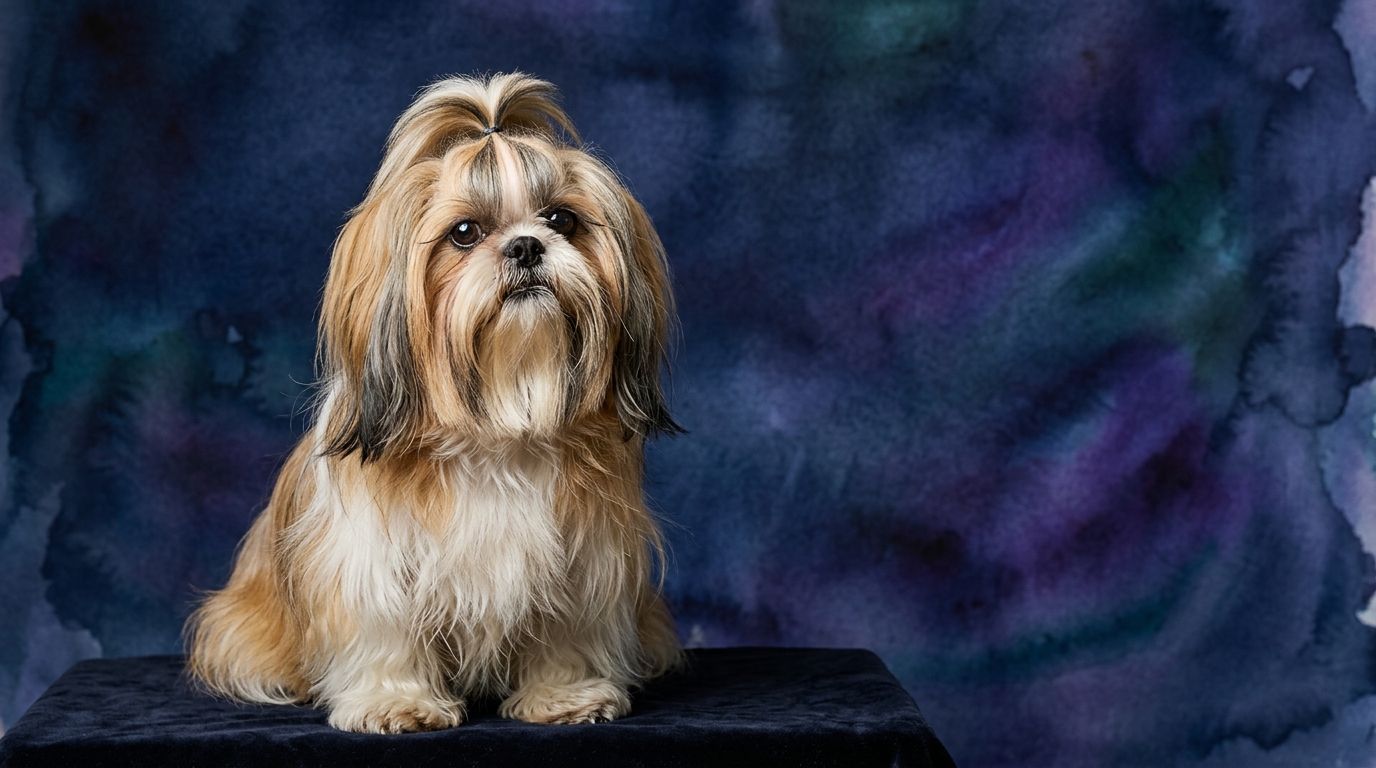
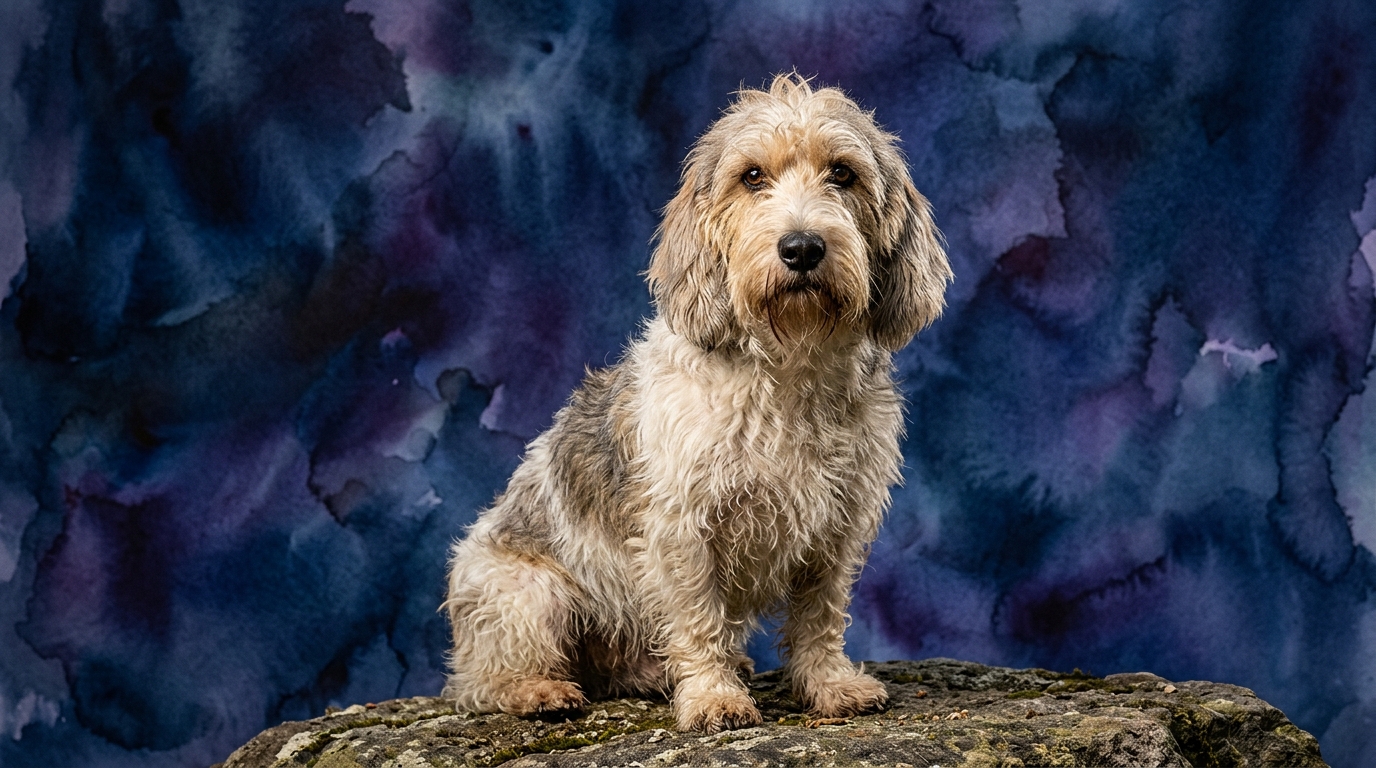
Side-by-Side Cognitive Profiles: Shih Tzu vs. Petit Basset Griffon Vendéen
Delving into the minds of the Shih Tzu and the Petit Basset Griffon Vendéen (PBGV) reveals distinct cognitive landscapes, each optimized for different life experiences and interactions. At The Cosmic Pet Pet IQ Lab, we evaluate five core dimensions of canine cognition to paint a detailed picture.
For Problem Solving, both breeds score 3 out of 5. This indicates that neither is particularly adept at complex, multi-step puzzles or innovative solutions to novel environmental challenges. They can navigate familiar routes, understand simple object manipulation like nudging a toy, or figure out basic ways to get attention, but are not expected to devise intricate plans or escape strategies.
Training Speed presents a notable difference: the Shih Tzu scores 2 out of 5, while the PBGV scores 3 out of 5. This suggests that the Shih Tzu typically requires more repetitions and patience to grasp new commands or routines, often needing consistent, positive reinforcement over an extended period. The PBGV, by contrast, shows a slightly quicker ability to connect actions with desired outcomes, potentially picking up new behaviors with fewer training sessions.
Social Intelligence is where the Shih Tzu truly shines with a perfect 5 out of 5, compared to the PBGV's 3 out of 5. The Shih Tzu exhibits a profound attunement to human emotions, social cues, and family dynamics, making them exceptional companions capable of deep emotional bonding. The PBGV, while friendly and sociable, operates with a more independent social awareness, less focused on mirroring or interpreting nuanced human emotional states.
Instinctive Drive also varies between the two: the Shih Tzu registers 2 out of 5, while the PBGV scores 3 out of 5. The Shih Tzu, bred primarily for companionship, possesses a low drive for tasks rooted in hunting, herding, or guarding; their internal motivation is largely centered on human interaction. The PBGV, retaining its hound heritage, has a moderate drive for exploration, scent tracking, and engaging with its environment, suggesting a stronger inherent motivation for physical activity and sensory investigation.
Finally, Memory is consistent across both breeds, with a score of 3 out of 5. This indicates that both the Shih Tzu and the PBGV possess a functional memory for routines, learned commands, and familiar individuals or locations. They will remember their family members and the layout of their home, but neither demonstrates a remarkable capacity for recalling highly intricate sequences of events or complex, abstract information over long periods.
Where the Shih Tzu Excels Cognitively
The Shih Tzu's preeminent cognitive strength lies in their extraordinary Social Intelligence, scoring a perfect 5 out of 5. This dimension is not merely about being friendly; it reflects a sophisticated capacity to understand, interpret, and respond to human social and emotional cues. A Shih Tzu can often sense a change in an owner's mood, offering comfort or seeking interaction precisely when it's most needed, demonstrating a profound empathy and a desire for harmonious cohabitation.
Their cognitive energy is primarily directed towards forming and maintaining deep bonds with their human family. This means they are highly motivated by attention and affection, learning quickly what behaviors elicit positive social responses. While their problem-solving and training speed might be moderate, their ability to navigate the complexities of human-canine relationships and provide consistent emotional support is unparalleled, making them masters of companionship.
Where the Petit Basset Griffon Vendéen Holds a Cognitive Edge
The Petit Basset Griffon Vendéen (PBGV) offers a more balanced cognitive profile, with particular strengths in Training Speed and Instinctive Drive. Their Training Speed score of 3 out of 5, a point higher than the Shih Tzu, indicates a slightly quicker learning curve for new commands and routines. This means a PBGV might pick up basic obedience commands with fewer repetitions, often displaying a more focused attention during training sessions when their natural curiosity is engaged.
Their Instinctive Drive, also at 3 out of 5, provides a cognitive advantage in activities that tap into their hound nature. This moderate drive translates into a persistent curiosity and a desire to explore the world through scent, making them adept at scent work or engaging in mentally stimulating games that involve tracking. This inherent motivation for sensory engagement means they can derive more cognitive satisfaction from activities that challenge their natural instincts, providing a different kind of mental enrichment compared to the Shih Tzu's social focus. Their balanced scores across the board suggest a more versatile cognitive approach, less specialized than the Shih Tzu's social acumen.
Ease of Training: Behavioral Differences Revealed
When considering ease of training, the PBGV generally presents a slightly smoother path due to its 3/5 Training Speed. Their moderate instinctive drive can be channeled into training, motivating them with rewards like scent games or opportunities for exploration. While they can be distracted by interesting smells, their inherent curiosity and a somewhat quicker grasp of commands mean they often progress more readily in basic obedience, responding well to consistent, engaging sessions.
The Shih Tzu, with a 2/5 Training Speed, requires a more patient and nuanced approach. Their lower instinctive drive means they aren't naturally inclined towards 'work' or task-oriented learning; their primary motivation is often social interaction and affection. What might be perceived as "stubbornness" is frequently a preference for human companionship over performing a command. Effective Shih Tzu training leverages their high social intelligence, making sessions feel like positive bonding experiences rather than demands, with ample praise and gentle encouragement proving more effective than strict discipline.
Matching Canine Cognition to Owner Lifestyles
For owners with an active lifestyle, the Petit Basset Griffon Vendéen is often a more suitable cognitive match. Their 3/5 Instinctive Drive means they genuinely enjoy and benefit from regular engagement in activities beyond simple companionship. They thrive on exploring new environments, engaging in scent-based games, and participating in moderate-length walks that allow them to investigate their surroundings. Owners who enjoy outdoor adventures and can provide varied mental and physical stimulation will find the PBGV's natural curiosity and balanced energy align well with their own active inclinations, preventing boredom and fostering a well-adjusted companion.
Conversely, the Shih Tzu is an excellent companion for more relaxed owners. Their low 2/5 Instinctive Drive and exceptional 5/5 Social Intelligence mean their cognitive and emotional needs are primarily met through close human interaction and a comfortable, predictable indoor environment. They are content with short, leisurely strolls and thrive on ample lap time, cuddling, and being an integral part of their family's daily routines. Their cognitive energy is largely dedicated to understanding and responding to their human companions, making them the quintessential devoted house pet for those seeking a tranquil, affectionate presence without demanding extensive outdoor excursions.
The Verdict: When to Choose Each Breed
Choosing between a Shih Tzu and a Petit Basset Griffon Vendéen hinges on aligning their unique cognitive strengths with your lifestyle and expectations for a canine companion. Each breed offers a distinct set of intellectual and emotional advantages.
The Shih Tzu, with its exceptional social intelligence and moderate memory, is an ideal choice for individuals or families seeking a deeply affectionate, emotionally attuned companion whose primary joy comes from close human interaction and a relaxed home environment. If your life is centered around cozy companionship and you appreciate a dog that excels at reading your moods and offering consistent affection, the Shih Tzu will thrive.
The Verdict
If you seek a devoted companion whose cognitive strengths lie in deep social bonding and emotional attunement, thriving on companionship and providing consistent affection, the Shih Tzu is an excellent match.
Opt for the Petit Basset Griffon Vendéen if you appreciate a balanced, curious canine with a moderate drive for exploration and a slightly quicker learning curve, suitable for owners who enjoy engaging in varied activities and gentle outdoor adventures.
🧠 Find Your Pet's IQ Score
Our Pet IQ Lab assessment covers 25+ tests across 5 cognitive dimensions — personalized to your breed.
Take the Full IQ Test →Frequently Asked Questions
Are Shih Tzus difficult to train?
Shih Tzus have a training speed of 2/5, meaning they require more patience and consistency. They respond best to positive reinforcement and when training is framed as a fun, interactive bonding experience, rather than a demanding task.
Do PBGVs need a lot of exercise?
Petit Basset Griffon Vendéens have an instinctive drive of 3/5, indicating a need for regular, moderate exercise and mental stimulation. They enjoy outdoor exploration and scent games, benefiting from varied activities beyond just short walks.
Which breed is more affectionate, Shih Tzu or PBGV?
The Shih Tzu stands out with a social intelligence score of 5/5, making them exceptionally attuned to human emotions and highly affectionate, thriving on close companionship. The PBGV, with a 3/5 social intelligence, is friendly and sociable but more independent.