Side-by-Side Cognitive Profiles: A Deeper Look
At The Cosmic Pet Pet IQ Lab, we assess canine intelligence across five key dimensions: problem solving, training speed, social intelligence, instinctive drive, and memory. These metrics offer a granular view, moving beyond broad categorizations to highlight where each breed truly excels, painting a vivid picture of their inherent mental makeup and how they process their environment.
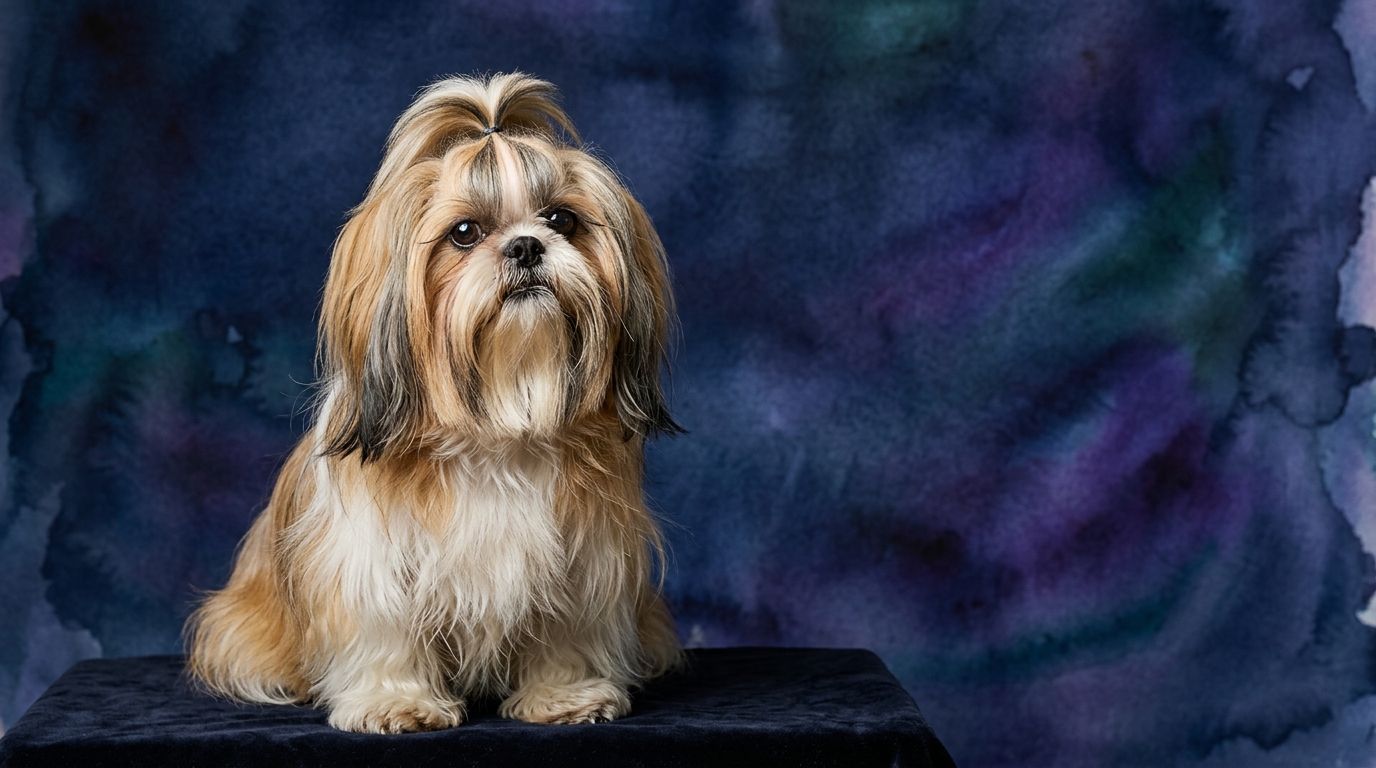
The Shih Tzu, a Toy breed with a Coren rank of #70, presents a cognitive profile indicating a strong emphasis on social connection. Their problem-solving ability stands at 3/5, suggesting a moderate capacity to navigate novel challenges. Training speed is rated 2/5, indicating a need for patience and consistent methods. Where they truly shine is social intelligence, scoring an exceptional 5/5, reflecting a profound aptitude for understanding human emotions and cues. Their instinctive drive is low at 2/5, making them less inclined towards independent pursuits, and their memory is a solid 3/5.
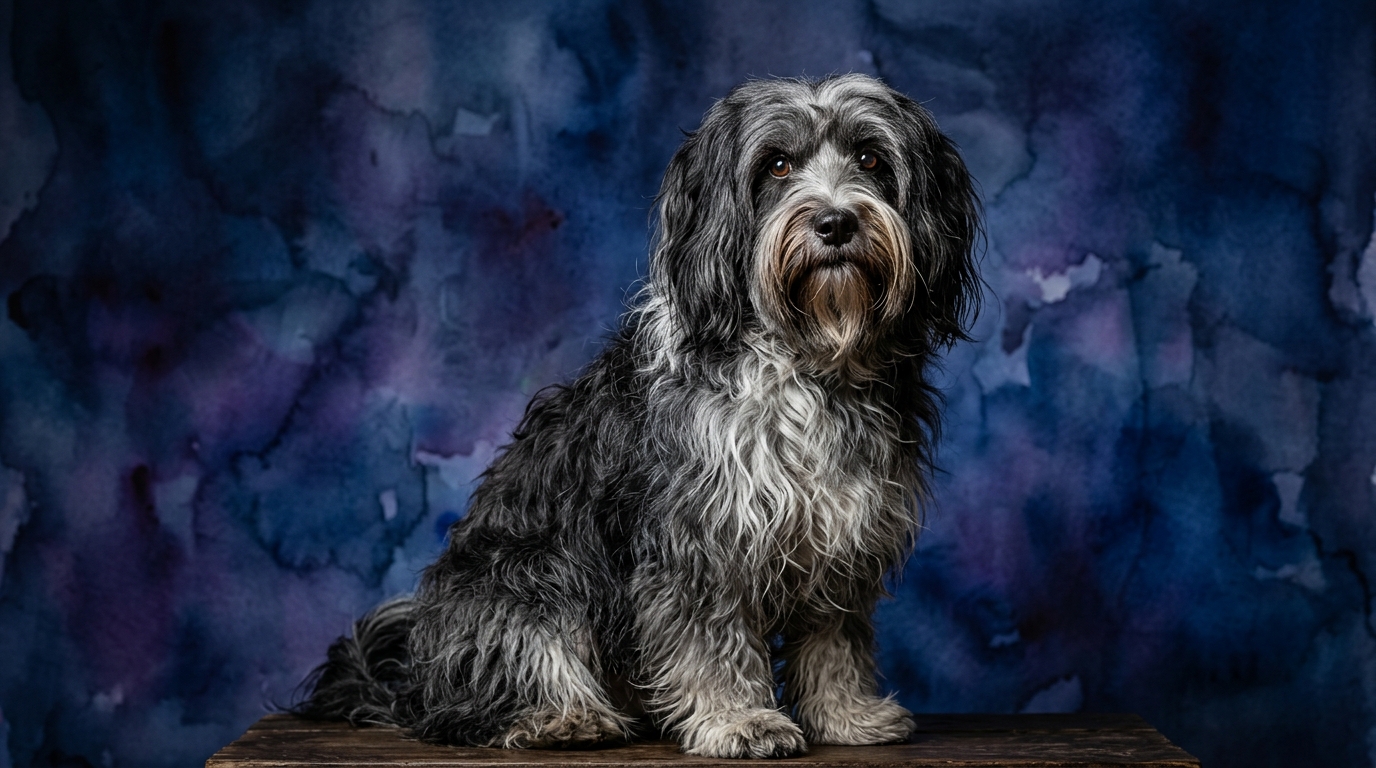
In contrast, the Tibetan Terrier, a Non-Sporting breed holding a Coren rank of #63, shows a more balanced cognitive distribution. Their problem-solving score matches the Shih Tzu at 3/5, demonstrating a similar capacity for navigating new situations. However, their training speed is a more responsive 3/5, suggesting quicker learning. Social intelligence for the Tibetan Terrier is 3/5, indicating competence in human interaction but not the same intensity as the Shih Tzu. They possess a moderate instinctive drive of 3/5, hinting at a greater inclination for engagement with their surroundings, and their memory also registers at 3/5.
Where the Shih Tzu Shines Cognitively
The Shih Tzu's most prominent cognitive strength lies undeniably in their exceptional social intelligence, scoring a perfect 5/5. This isn't merely about being affectionate; it signifies an extraordinary capacity to read and interpret human emotional states, body language, and subtle cues. They possess an innate ability to attune themselves to their owner's mood, often offering comfort or mirroring their human's emotional state, making them profoundly intuitive companions. This high social acumen allows them to form incredibly deep, responsive bonds, adapting seamlessly to the rhythm of family life.
Furthermore, their lower instinctive drive (2/5) complements their social intelligence, directing their cognitive energy primarily towards human interaction rather than independent exploration or task performance. While their problem-solving (3/5) and memory (3/5) are adequate for daily living, it is this intense focus on social dynamics and connection that defines their mental landscape. They are content when deeply integrated into their human family, processing the world largely through the lens of interpersonal relationships, which is a hallmark of their specialized companion role.
Where the Tibetan Terrier Exhibits Distinct Strengths
The Tibetan Terrier's cognitive strengths are found in their balanced, slightly elevated scores in training speed (3/5) and instinctive drive (3/5), coupled with a solid problem-solving ability (3/5). This combination suggests a more actively engaged and capable learner for formal tasks and environmental interaction. Their moderate training speed means they generally grasp commands with reasonable repetition, showing a willingness to participate in structured learning that is often more pronounced than their Shih Tzu counterparts.
Their instinctive drive of 3/5 indicates a greater inherent motivation to explore, interact with their environment, and engage in activities beyond mere companionship. This isn't a high prey drive, but rather a robust curiosity and a desire for purpose, reflecting their historical role as versatile companions and watchdogs in challenging terrains. This drive, combined with their problem-solving skills, equips them to enjoy and excel at mentally stimulating games, puzzle toys, and outdoor adventures, making them well-suited for owners who appreciate an active and inquisitive partner.
Training Aptitude: Patience vs. Progress
When it comes to training, the Pet IQ Lab data highlights a clear distinction. The Shih Tzu's training speed of 2/5 indicates that while they are eager to please their beloved humans due to their high social intelligence, they typically require more repetition and patience to master new commands. Distractions can easily derail a session, necessitating short, engaging, and highly rewarding training periods. Their cognitive processing for complex obedience tasks is simply not as swift, meaning owners must employ consistent positive reinforcement and break down commands into smaller, manageable steps.
Conversely, the Tibetan Terrier, with a training speed of 3/5, generally demonstrates a quicker grasp of new commands and a more enthusiastic approach to learning. They are often more focused during training sessions, eager to understand what is being asked of them. Their moderate social intelligence (3/5) ensures they respond well to human direction, while their balanced instinctive drive (3/5) can be channeled into task-oriented learning, making them receptive to various training methods, from basic obedience to more advanced tricks and agility. Their Coren rank of #63, compared to the Shih Tzu's #70, further supports their slightly higher aptitude for working and obedience tasks.
Real behavioral differences often manifest in daily interactions: a Shih Tzu might require more consistent reminders for potty training or leash manners, but their intense desire to be near you can make management easier. A Tibetan Terrier might pick up a 'sit' command faster, but their higher instinctive drive means they might be more prone to wander off-leash or investigate interesting scents, requiring more diligent recall training. Understanding these inherent cognitive tendencies allows owners to tailor their training approaches for optimal success and a harmonious relationship.
Lifestyle Match: Active Engagement vs. Relaxed Companionship
The cognitive profiles of these two breeds offer clear guidance for matching them with appropriate lifestyles. The Shih Tzu, with their low instinctive drive (2/5) and profound social intelligence (5/5), thrives in a home environment centered around companionship and relaxed interaction. They are generally content with indoor living, short, leisurely strolls, and extensive cuddle sessions. Their cognitive energy is predominantly directed towards understanding and responding to their human family, making them ideal for individuals or families seeking a devoted, low-key presence who finds joy in close proximity and emotional connection.
The Tibetan Terrier, possessing a moderate instinctive drive (3/5) and a quicker training speed (3/5), benefits significantly from a more active and engaging lifestyle. They appreciate regular walks, opportunities for mental stimulation through puzzle toys, and the chance to learn new tricks or participate in dog sports. Their balanced cognitive profile means they enjoy both human companionship and independent exploration, making them well-suited for owners who can provide consistent physical and mental engagement, enjoying activities together that stimulate both mind and body. They are adaptable but truly flourish when their curiosity and intelligence are regularly challenged.
The Verdict: When to Choose Each Companion
The Verdict
For those seeking an exceptionally devoted, intuitive companion whose joy stems from profound social connection and relaxed home life, the Shih Tzu is an ideal match.
If you desire a lively, adaptable partner eager to learn and engage in moderate activities, offering a balanced blend of companionship and independence, the Tibetan Terrier is a splendid choice.
🧠 Find Your Pet's IQ Score
Our Pet IQ Lab assessment covers 25+ tests across 5 cognitive dimensions — personalized to your breed.
Take the Full IQ Test →Frequently Asked Questions
Are Shih Tzus difficult to train?
Shih Tzus, with a training speed of 2/5, require consistent, patient, and positive reinforcement methods. While they are eager to please their beloved humans due to their high social intelligence, they may take more repetitions to master new commands compared to other breeds.
What kind of mental stimulation does a Tibetan Terrier need?
Tibetan Terriers, scoring 3/5 in both problem solving and instinctive drive, thrive on moderate mental engagement. They benefit from puzzle toys, scent games, and learning new tricks or obedience commands to satisfy their innate curiosity and desire to interact with their environment.
How does social intelligence impact daily life with these breeds?
A Shih Tzu's 5/5 social intelligence means they are exceptionally attuned to human emotions and social cues, often anticipating needs and offering comfort. A Tibetan Terrier's 3/5 score indicates they are friendly and interactive, but might exhibit more independence, processing social dynamics adequately without the same intense focus on human emotional states.