Side-by-Side: Unpacking the IQ Profiles
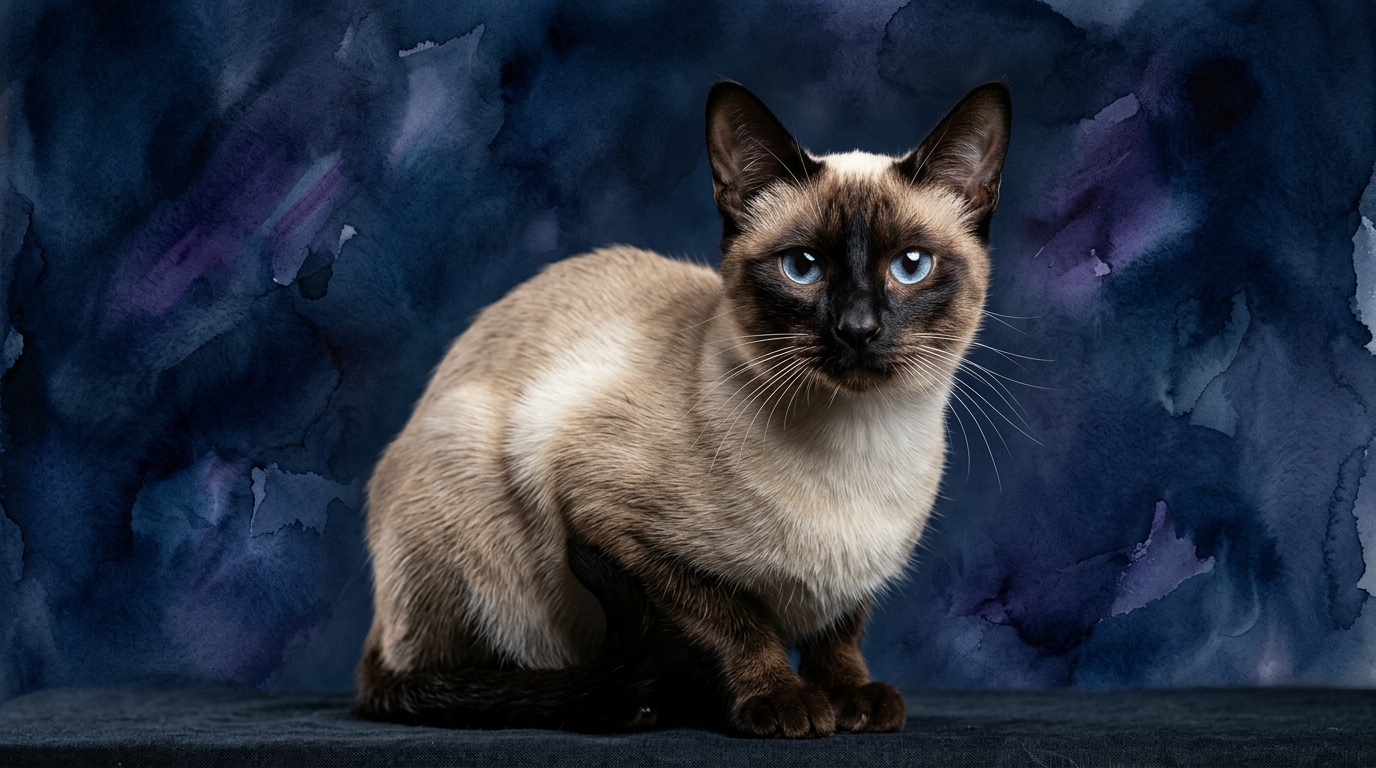
The Siamese cat presents a formidable cognitive profile, boasting top-tier scores in crucial areas. Their Problem Solving (5/5) indicates an exceptional capacity for ingenuity, allowing them to master complex environmental challenges and devise clever strategies to achieve their desires. This cognitive dexterity is complemented by an impressive Memory (5/5), meaning they retain learned information, complex sequences, and specific experiences over extended periods, contributing significantly to their strategic thinking and adaptability. Their Social Intelligence also reaches a maximum 5/5, reflecting a profound ability to understand and respond to human emotions and social cues, fostering deeply communicative relationships.
Further enhancing their cognitive prowess, the Siamese exhibits a Training Speed of 4/5, demonstrating a remarkable ability to absorb new commands and routines with relative ease, making them highly responsive to consistent positive reinforcement. An Instinctive Drive of 4/5 signifies that while domesticated, their innate drive for exploration and playful 'hunting' remains robust, requiring outlets for this inherent energy and curiosity. These combined traits paint a picture of a cat that is not merely reactive but actively engaged with its world, constantly processing and learning.
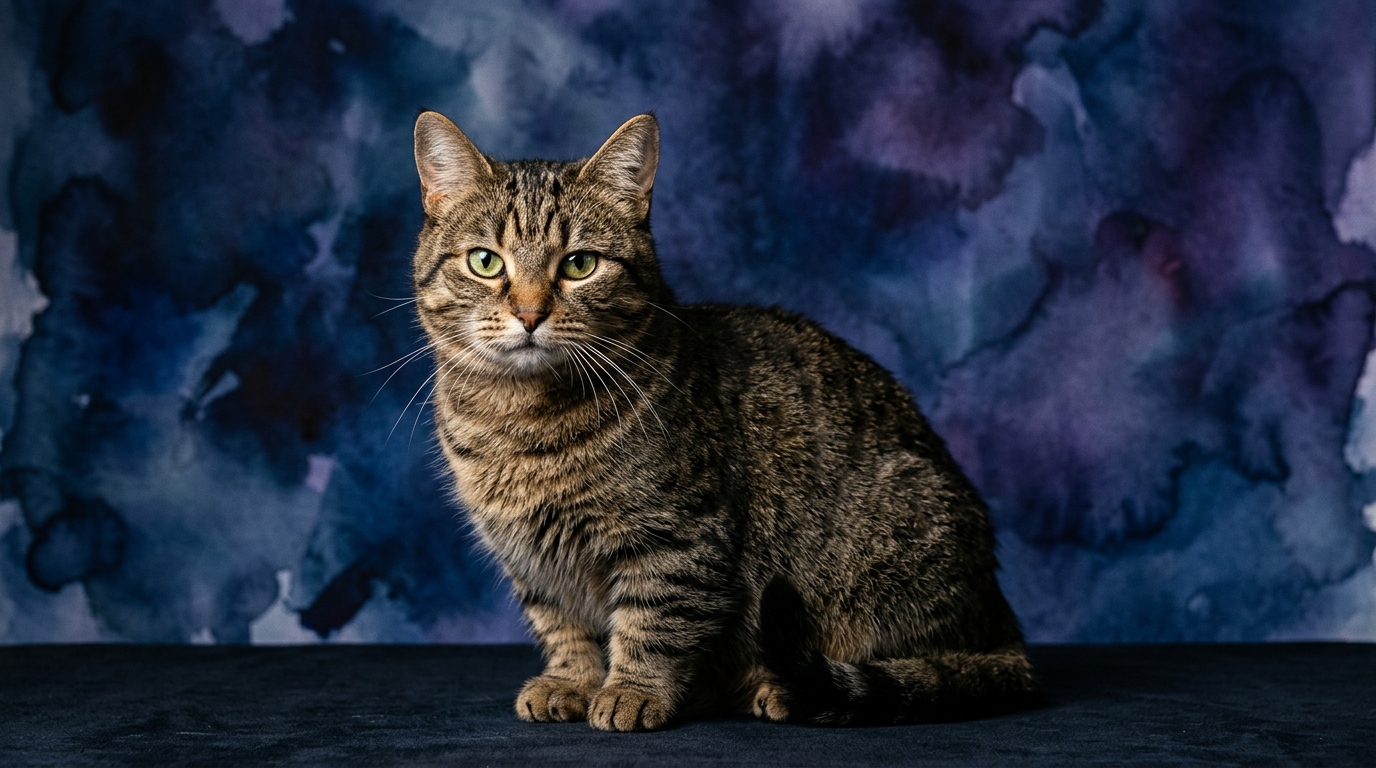
In contrast, the Munchkin cat’s cognitive profile is characterized by a consistent moderation across all dimensions. Their Problem Solving (3/5) suggests they are capable of navigating straightforward puzzles and adapting to routines, though more intricate challenges may require greater persistence and guidance. Similarly, their Training Speed (3/5) indicates they are certainly trainable, but they learn at a steadier pace, benefiting most from clear, consistent, and patient instruction rather than rapid absorption.
The Munchkin's Social Intelligence (3/5) points to an affectionate and companionable nature, enjoying human presence without necessarily displaying the intense emotional attunement or vocal demands of a Siamese. Their Instinctive Drive (3/5) is present but generally less intense, meaning they enjoy play and exploration but are less prone to aggressive hunting behaviors or an overwhelming urge to roam. Finally, their Memory (3/5) supports the recall of daily routines and familiar interactions, providing a stable foundation for their interactions without the highly detailed recall seen in breeds with higher scores.
Where the Siamese Cognitively Excels
The Siamese's exceptional Problem Solving and Memory scores (both 5/5) grant them a distinct advantage in navigating complex environments and learning from experience. This translates into a cat that can quickly figure out how to open child-proofed cabinets, manipulate puzzle feeders, or even devise intricate schemes to gain attention or access forbidden areas. Their capacity for abstract thought and retention means they are constantly assessing and adapting, often outsmarting their human companions in a playful, yet persistent, manner.
Their top-tier Social Intelligence (5/5) fosters an unparalleled depth of connection with their human families. Siamese cats don't just coexist; they actively participate in the household's emotional landscape. They are highly perceptive to vocal tones, facial expressions, and body language, often appearing to anticipate their owner's moods or intentions. This makes them profoundly communicative and capable of forming bonds that feel remarkably human-like, desiring constant interaction and engagement.
The combination of high Training Speed (4/5) and strong Instinctive Drive (4/5) means the Siamese is not only quick to learn but also possesses the underlying motivation to engage in training. They can master a wide array of tricks, respond reliably to their names, and even learn to walk on a leash with enthusiasm. Their innate curiosity and drive to interact make them highly receptive students, transforming training into a rewarding, shared activity rather than a chore.
Distinct Advantages of the Munchkin's Cognitive Traits
While the Munchkin’s scores are moderate, their cognitive profile offers distinct advantages for specific lifestyles. Their Social Intelligence (3/5) provides a wonderfully balanced companionship. They are affectionate and enjoy being close to their humans, but typically without the intense, constant demand for interaction or the vocal 'conversations' that characterize a Siamese. This makes them an ideal choice for owners who appreciate a loving presence that is content with quieter moments and less overwhelming in its social needs.
The Munchkin's Problem Solving and Memory (both 3/5) contribute to a generally less demanding presence in the home. They are less likely to be constantly testing boundaries or devising elaborate plans to access restricted areas, often content with the established routines and simpler forms of enrichment. For owners seeking a pet that is less inclined to 'outwit' them and requires less intricate mental stimulation to remain content, the Munchkin's cognitive approach offers a tranquil alternative.
Their moderate Instinctive Drive (3/5) means Munchkins are often less driven by intense predatory urges or a strong desire for extensive outdoor exploration. This makes them particularly well-suited for indoor living, where they are typically content with contained play and do not exhibit the same level of restless energy or insistent demands for simulated hunting activities. This cognitive trait aligns perfectly with a preference for a calm, indoor-oriented companion.
Training Dynamics: Patience vs. Prowess
When it comes to ease of training, the Siamese holds a significant advantage. Their 4/5 Training Speed, coupled with their 5/5 Problem Solving and Memory, means they grasp new concepts and commands with remarkable swiftness. Siamese cats are highly responsive to clicker training and positive reinforcement, quickly associating actions with rewards. Their deep social intelligence further aids this process, as they are keen to engage with and please their human companions, often showing a genuine enthusiasm for learning new behaviors, from fetching to walking on a harness.
Conversely, training a Munchkin requires a different approach, emphasizing patience and consistency due to their 3/5 scores across the board. While they are certainly capable of learning, the process will typically be slower, and lessons may need more repetition and reinforcement to solidify. Owners should focus on short, positive training sessions, breaking down complex behaviors into smaller, manageable steps. Munchkins respond well to gentle guidance and clear cues, developing foundational behaviors steadily rather than rapidly mastering intricate tricks.
Matching Cognitive Profiles to Owner Lifestyles
For active owners who relish deep engagement and mental stimulation with their pets, the Siamese is an exemplary match. Their high problem-solving abilities and social intelligence mean they thrive on interactive games, puzzle toys, and consistent intellectual challenges. An owner who enjoys teaching tricks, engaging in lengthy play sessions, and fostering a truly communicative bond will find the Siamese an incredibly rewarding and participating companion. They demand attention and stimulation, and an owner prepared to provide this will cultivate a well-adjusted and fulfilled cat.
Relaxed owners, or those seeking a more tranquil and less demanding feline presence, will find the Munchkin's cognitive profile to be an excellent fit. Their moderate needs for mental and physical stimulation mean they are content with a calmer household rhythm, enjoying affectionate interactions without the intense conversational demands or constant need for complex engagement. They are delightful companions for those who appreciate a gentle, amiable presence that integrates seamlessly into a peaceful home environment, providing warmth without overwhelming activity.
The Verdict: Choosing Your Cognitive Companion
The Verdict
Opt for a Siamese if you seek a highly interactive, communicative, and mentally agile companion who thrives on complex engagement and forms deep, perceptive bonds. Be prepared for a cat that actively participates in your life and demands consistent intellectual stimulation.
Select a Munchkin if you prefer a gentle, affectionate companion with a more moderate need for mental and physical stimulation, offering a tranquil presence and amiable social interactions without intense demands.
🧠 Find Your Pet's IQ Score
Our Pet IQ Lab assessment covers 25+ tests across 5 cognitive dimensions — personalized to your breed.
Take the Full IQ Test →Frequently Asked Questions
Do Siamese cats require more mental stimulation than Munchkins?
Yes, absolutely. With a 5/5 in problem-solving and social intelligence, Siamese cats need consistent mental challenges like puzzle toys and interactive play to prevent boredom and ensure their well-being. Munchkins, scoring 3/5 in these areas, are generally content with simpler enrichment and less intense cognitive demands.
Can Munchkin cats be trained to do tricks?
Munchkin cats can certainly be trained to do tricks and learn commands, though their 3/5 training speed and memory mean it will require more patience and consistency than with a Siamese. Positive reinforcement, short, engaging sessions, and clear cues are essential for successful training.
How does a Siamese's high social intelligence impact their daily life?
A Siamese's 5/5 social intelligence means they are deeply attuned to their human companions, often anticipating moods and seeking interaction. They communicate vocally and through body language, desiring constant companionship and becoming distressed if left alone for extended periods without sufficient engagement.