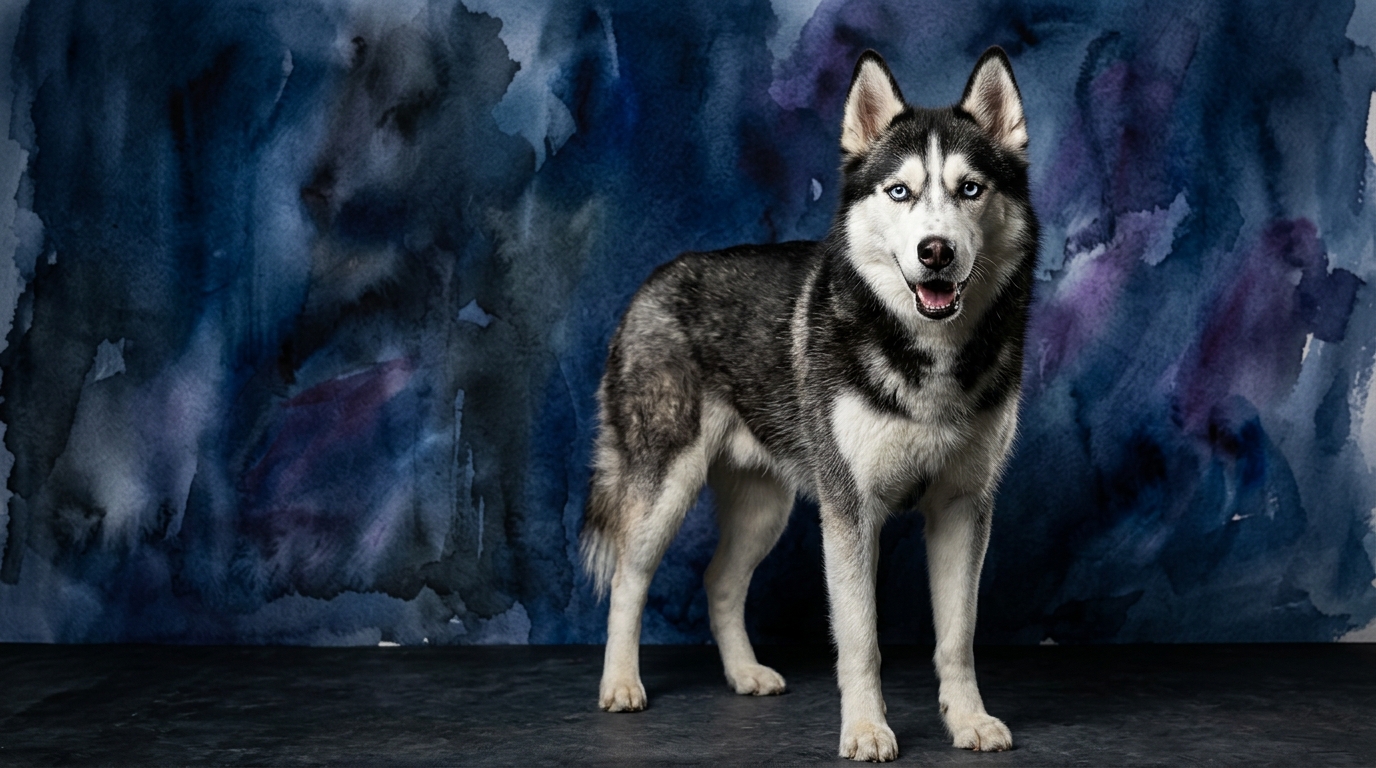
Side-by-Side IQ Profile: Siberian Husky
The Siberian Husky, ranked #45 by Coren, demonstrates a distinctive cognitive makeup rooted in its sled dog heritage. Their problem-solving ability scores a robust 4/5, often manifesting in resourceful ways to overcome environmental challenges, such as figuring out complex escape routes or manipulating objects to achieve a goal. This isn't just brute force; it's often a clever assessment of their surroundings.
When it comes to training speed, Huskies score 2/5, indicating a slower initial grasp of new commands. This isn't due to a lack of capacity, but rather an independent nature and a tendency to prioritize their own motivations over human directives, requiring significant patience and creative motivation from their trainers.
Social intelligence for the Husky is rated 3/5. They are adept at reading pack dynamics and human moods, engaging cooperatively within a social structure. However, their engagement is often on their terms, less about eager compliance and more about a negotiated partnership.
Their instinctive drive is exceptionally high at 5/5, reflecting a powerful urge to run, explore, and pull. This deep-seated ancestral behavior underpins their incredible endurance and persistence, making them highly focused on tasks aligned with their inherent nature, like long-distance travel or scent tracking.
Huskies possess a memory score of 4/5. They excel in spatial memory, remembering routes and locations with impressive accuracy, and can recall routines and patterns effectively. While they might appear to 'forget' inconvenient commands, their memory for what truly matters to them is sharp and enduring.
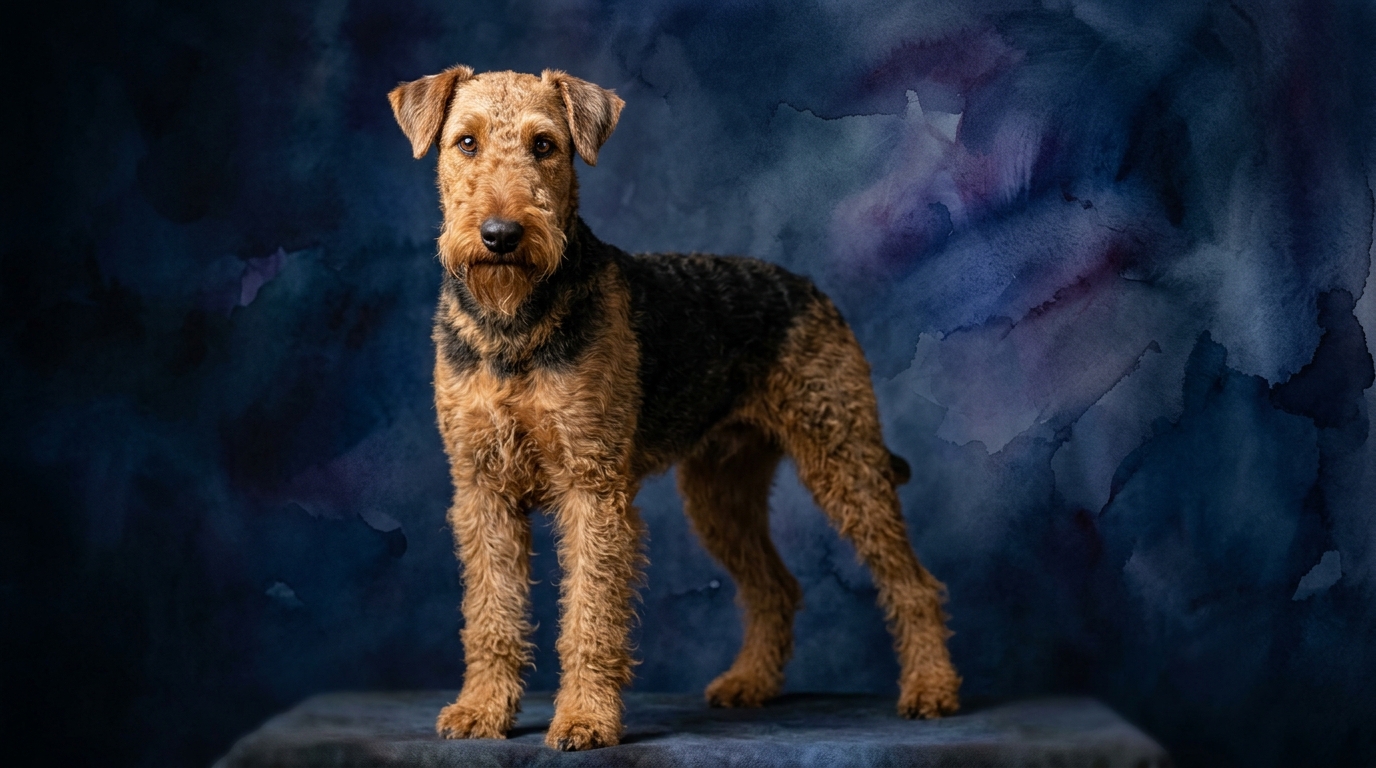
Side-by-Side IQ Profile: Airedale Terrier
The Airedale Terrier, holding a higher Coren rank at #29, presents a different cognitive blueprint, characteristic of the terrier group. Their problem-solving ability matches the Husky at 4/5, showcasing a tenacious and strategic approach to puzzles, opening latches, or devising plans to achieve desired outcomes, often employing a determined persistence.
In training speed, Airedales earn a strong 4/5. They are typically quick learners, eager to absorb and execute new commands. Their responsiveness to consistent positive reinforcement and clear instruction makes them a rewarding partner in various training endeavors, from basic obedience to complex tasks.
Social intelligence for the Airedale is 3/5. They form strong bonds with their families and can interpret human cues effectively, often engaging playfully and assertively. However, their terrier tenacity means they might occasionally choose to prioritize an intriguing scent or activity over an immediate human request.
Their instinctive drive is rated 3/5. While they possess a keen desire to 'work' and engage in activities like digging or pursuing small animals, this drive is generally more manageable than a Husky's intense wanderlust. It manifests as a focused determination in tasks and play, rather than an overwhelming urge for continuous, independent exploration.
Airedales also score 4/5 for memory. They retain learned commands, behaviors, and social interactions effectively. This strong memory contributes significantly to their consistent performance in training and their ability to navigate complex social and environmental situations over time.
Where the Siberian Husky Wins Cognitively
The Siberian Husky's cognitive strengths truly shine in scenarios demanding independent decision-making, exceptional endurance, and deep environmental awareness. Their 5/5 instinctive drive, combined with 4/5 problem-solving and memory, grants them an unparalleled ability to navigate vast, complex terrains, remember intricate paths, and make autonomous choices that ensure survival or task completion in challenging conditions.
Their independence, often perceived as a training hurdle, is a cognitive asset in self-sufficiency. A Husky can assess a situation and act decisively without constant human direction, a trait honed by generations of working without direct human oversight on long sledding journeys. This makes them exceptional at tasks requiring self-reliance and sustained focus on a distant goal, rather than moment-to-moment human interaction.
Where the Airedale Terrier Wins Cognitively
The Airedale Terrier's cognitive advantages are most evident in their remarkable trainability and focused tenacity within structured environments. Their 4/5 training speed, significantly higher than the Husky's, means they process and integrate new commands with impressive efficiency, making them highly adaptable to diverse human-led activities and sports.
Their problem-solving, while equal in score, often manifests as a more directed, goal-oriented approach within a defined context. An Airedale will tenaciously work through a puzzle or a complex task, demonstrating a sustained mental effort that makes them excellent candidates for advanced obedience, agility, or scent work where consistent, focused engagement is paramount.
Which is Easier to Train and Why
Between these two breeds, the Airedale Terrier is generally easier to train, a difference clearly highlighted by their respective training speed scores of 4/5 for the Airedale versus 2/5 for the Siberian Husky. Airedales typically display a stronger inclination to please their human companions and grasp new commands with greater alacrity. Their willingness to engage in cooperative learning makes them more responsive to consistent instruction and positive reinforcement, leading to quicker mastery of tasks.
Siberian Huskies, conversely, possess a more independent spirit and a formidable instinctive drive that often takes precedence over human directives. Their decision-making process frequently involves weighing a command against their own deeply ingrained desires to run, explore, or investigate. This requires owners to employ exceptional creativity, consistency, and motivation to make training an engaging and rewarding experience, as a Husky will comply when it aligns with their own perceived benefit or enjoyment, rather than out of inherent deference.
Which Suits Active Owners vs. Engaged Owners
For owners whose lifestyle revolves around intense outdoor activity and a deep appreciation for an independent spirit, the Siberian Husky is an ideal match. Their immense energy levels and 5/5 instinctive drive demand extensive physical exertion, such as long runs, hikes, or sledding. Owners must be prepared to manage a dog with a strong wanderlust and a need for continuous engagement with the environment, thriving on adventure and self-directed exploration.
The Airedale Terrier, while certainly an active breed, better suits owners who are 'engaged' rather than solely 'active' in the Husky sense. They require significant mental stimulation and structured physical activity, excelling in dog sports, training classes, or active play within a defined space. Their higher trainability means they thrive on working closely with their human, making them a better fit for owners who prioritize a focused partnership and enjoy teaching complex tasks over managing a dog driven by an overwhelming urge for independent, far-ranging exploration.
The Verdict: When to Choose Each Breed
The Verdict
Choose a Siberian Husky if you are an adventurous owner seeking an independent, resilient companion with unparalleled endurance, willing to invest significant effort into managing their strong natural drives and providing ample physical and mental challenges that align with their self-sufficient nature.
Opt for an Airedale Terrier if you desire a highly trainable, versatile working companion who thrives on structured activities and intelligent engagement, offering a quicker learning curve and a more focused, cooperative partnership in various dog sports and family life.
🧠 Find Your Pet's IQ Score
Our Pet IQ Lab assessment covers 25+ tests across 5 cognitive dimensions — personalized to your breed.
Take the Full IQ Test →Frequently Asked Questions
Does the Coren rank accurately reflect overall intelligence for these breeds?
Coren's ranking primarily assesses 'working and obedience intelligence,' focusing on how quickly a dog learns new commands. It doesn't fully capture the breadth of cognitive abilities like problem-solving, social understanding, or instinctive drives, which vary significantly between breeds like the Husky and Airedale.
Are Siberian Huskies truly stubborn, or is it a misunderstanding of their intelligence?
Huskies aren't stubborn in a negative sense; their lower training speed score often stems from a strong independent streak and decision-making capacity. They're highly driven by their own instincts and motivations, which means they weigh commands against their personal priorities, requiring owners to be highly engaging and consistent.
How do their problem-solving skills differ despite both scoring 4/5?
Both breeds demonstrate strong problem-solving, but their approaches differ. Huskies often apply their environmental awareness and physical prowess to overcome obstacles, like figuring out how to open gates or escape enclosures. Airedales often use their tenacity and quick learning to solve puzzles or strategize during tasks, displaying a more focused, goal-oriented approach within a human-defined context.