Side-by-Side IQ Profile: Husky vs. Foxhound
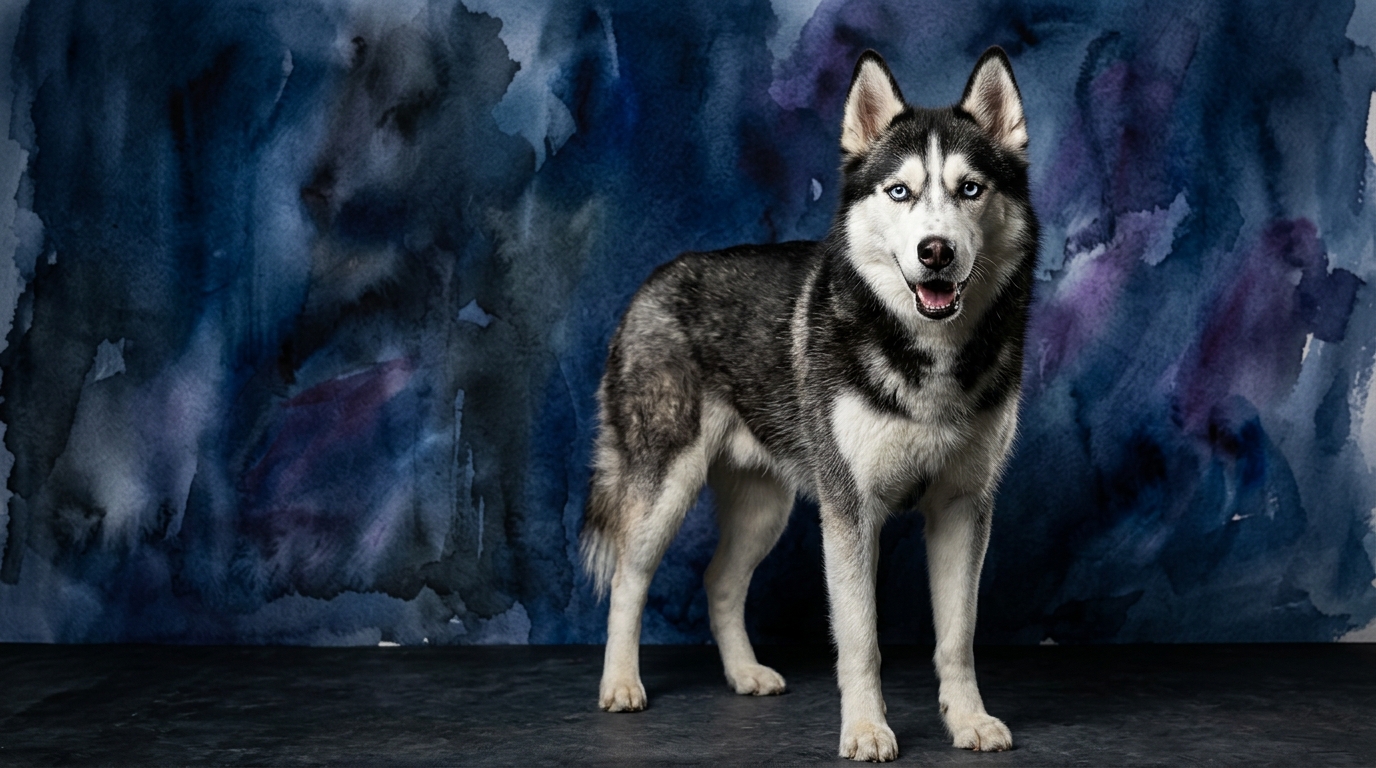
The Siberian Husky, a member of the Working group and ranked #45 by Coren, exhibits a distinct cognitive blueprint tailored for endurance and independence. Its problem-solving ability scores a robust 4/5, indicating a strong capacity to strategize and overcome obstacles, often with creative solutions. Training speed, however, is rated 2/5, suggesting that while capable of learning, their independent nature often requires persistent motivation. Social intelligence stands at 3/5, reflecting an ability to understand pack dynamics without an overwhelming drive to please. Instinctive drive is exceptionally high at 5/5, encompassing a powerful urge to run, pull, and explore, deeply ingrained in their heritage. Memory is also strong at 4/5, aiding in navigation and retaining complex learned experiences.
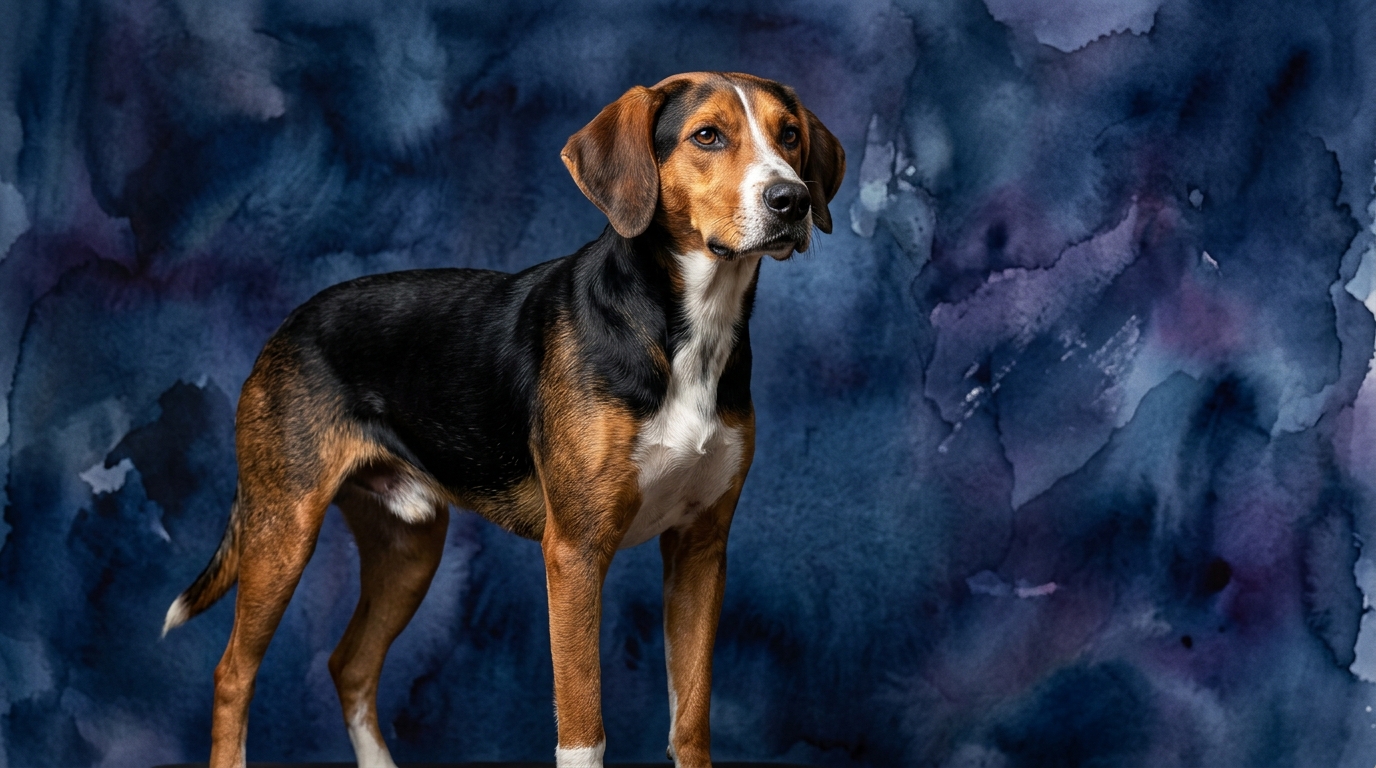
In contrast, the American Foxhound, part of the Hound group and not Coren-ranked, presents a different set of cognitive strengths. Its problem-solving skills are rated 3/5, adept at scent-related challenges but less inclined towards abstract or human-centric puzzles. Training speed is a moderate 3/5; they learn steadily, but often require focused attention to overcome distractions. Social intelligence matches the Husky at 3/5, typically manifesting as a genial, cooperative demeanor within a group. Instinctive drive is 3/5, primarily focused on tracking and following scent trails with remarkable endurance. Memory is also rated 3/5, effective for recalling scent paths and familiar territories, though perhaps less for abstract commands.
Where the Siberian Husky Wins Cognitively
The Siberian Husky’s cognitive prowess shines brightest in areas demanding independent thought and immense physical application. Their 4/5 problem-solving score is evident in their notorious ability to bypass barriers—whether it’s figuring out a gate latch or digging under a fence. This isn't mere mischief; it's a demonstration of their capacity to analyze a situation and devise multi-step solutions to achieve a goal, reflecting the resourcefulness needed for survival and task completion in harsh environments.
Furthermore, the Husky's exceptional 5/5 instinctive drive is a profound cognitive advantage for specific roles. This isn't just about speed, but an intrinsic, sustained motivation for physical exertion and exploration, deeply rooted in their sled-pulling lineage. This translates into an immense capacity for sustained effort and a deep motivation to engage with their environment through movement, making them unparalleled partners for endurance activities. Their 4/5 memory supports this, allowing them to retain complex routes and past successful strategies for navigating their world.
Where the American Foxhound Wins Cognitively
The American Foxhound, while differing from the Husky, possesses distinct cognitive advantages, particularly in areas of focused pursuit and trainability. Their 3/5 training speed, while not top-tier, surpasses the Husky's 2/5, indicating a more direct path to learning commands. They tend to be less prone to the independent 'negotiation' that Huskies often employ, and when free from overwhelming scent distractions, can absorb and retain new behaviors with steady progress.
Crucially, the Foxhound's 3/5 instinctive drive, though lower than the Husky's overall score, represents a highly specialized cognitive strength: an unwavering dedication to scent work. This singular focus allows them to block out extraneous stimuli and relentlessly pursue a scent trail, demonstrating remarkable cognitive endurance in their specific domain. Their 3/5 social intelligence often translates into a more overtly cooperative and agreeable disposition within a family pack, making them amenable to collaborative activities once their core drives are acknowledged and met.
Which is Easier to Train and Why
When considering ease of training, the American Foxhound generally presents a more straightforward experience than the Siberian Husky. The Foxhound’s 3/5 training speed, combined with its generally more agreeable social intelligence, means it often responds better to traditional obedience methods. While their powerful scent drive can be a significant distraction, once their attention is captured, they are typically more inclined to comply and work cooperatively with their handler.
The Siberian Husky’s 2/5 training speed, however, indicates a greater challenge. This isn't due to a lack of learning capacity, but rather their profound independence and high problem-solving skills which can lead them to question the necessity of a command or find alternative, often undesirable, solutions. Their high instinctive drive means that if training doesn't align with their innate desire to run, explore, or escape, they are less likely to comply, requiring exceptional patience, consistency, and highly motivating rewards from their handler.
Which Suits Active Owners vs. Relaxed Owners
For truly active owners, the Siberian Husky is an ideal match. Their 5/5 instinctive drive demands immense daily physical and mental stimulation, thriving on long runs, hikes, sledding, or dog sports that challenge their endurance and problem-solving abilities. Owners who can provide several hours of vigorous activity daily will find a Husky's cognitive and physical needs met, preventing the development of boredom-induced behaviors like destructive chewing or escape attempts. Their independent problem-solving shines when given engaging tasks.
While neither breed is suited for a truly 'relaxed' owner who provides minimal engagement, the American Foxhound might be a comparatively better fit for an owner who enjoys consistent, but not extreme, outdoor activity. Their 3/5 instinctive drive means they need regular opportunities to follow scents and explore, but their energy output is often sustained rather than explosive. An owner who enjoys long, meandering sniff walks and can manage their tracking instincts will find the Foxhound's genial presence and focused outdoor pursuits more manageable than the Husky's relentless need for high-octane action.
The Verdict: Choosing Your Companion
Choosing between these two breeds hinges on a deep understanding of their unique cognitive profiles and how they align with your lifestyle and expectations.
The Verdict
Choose the Siberian Husky if you are an experienced owner seeking a resourceful, independent canine partner for endurance activities, who appreciates a dog that thinks for itself and thrives on intense physical and mental challenges.
Choose the American Foxhound if you desire a cooperative companion for outdoor adventures focused on scent work and enjoy a steady, genial presence, provided you can manage their tracking instincts and provide consistent training.
🧠 Find Your Pet's IQ Score
Our Pet IQ Lab assessment covers 25+ tests across 5 cognitive dimensions — personalized to your breed.
Take the Full IQ Test →Frequently Asked Questions
Is a Siberian Husky difficult to live with due to its high instinctive drive?
A Husky's 5/5 instinctive drive means it requires extensive daily exercise and mental engagement to prevent boredom and destructive behaviors. While not 'difficult' for the right owner, their need for activity and tendency for independent problem-solving demand consistent management and an active lifestyle.
How does the American Foxhound's social intelligence manifest compared to other breeds?
With a 3/5 social intelligence score, American Foxhounds are generally amiable and cooperative within a pack or family structure. Their intelligence often guides them to seek harmony and work alongside others, making them good family companions, though their strong scent drive can sometimes override social cues when a compelling trail is present.
Do American Foxhounds have a strong prey drive like some other hounds?
While their instinctive drive is 3/5, much of this is channeled into their specialized scenting and tracking abilities rather than a general prey drive for visual targets. They are driven to follow scent trails, which can sometimes lead them to pursue small animals, but their primary cognitive focus is on the trail itself, requiring secure environments.