Side-by-Side IQ Profile
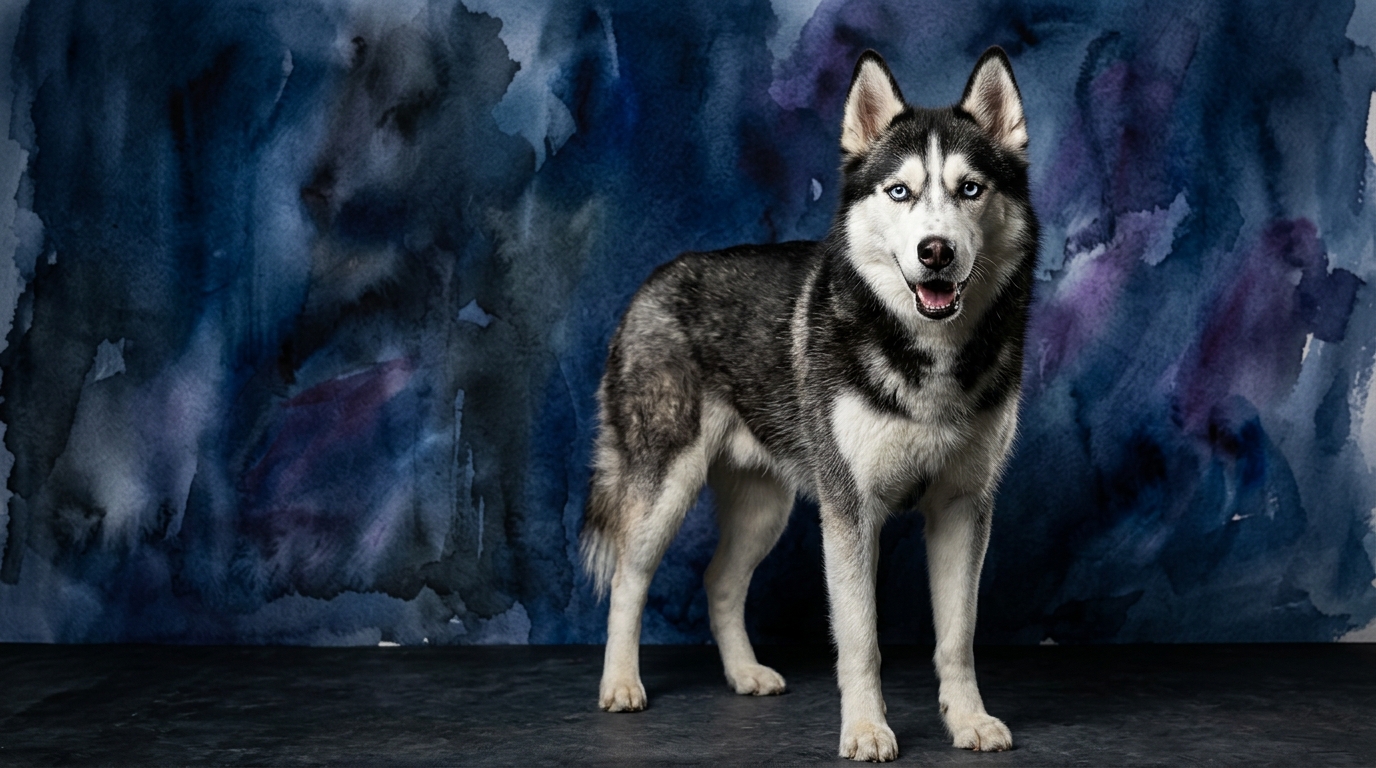
The Siberian Husky, a dog of the Working group, holds a Coren rank of #45, reflecting a particular blend of cognitive attributes. Their Problem Solving is rated 4/5, indicating a remarkable capacity for figuring out complex environmental challenges, often driven by their own curiosity and independence. Training Speed, however, is 2/5; these dogs require significant repetition and creative motivation, often prioritizing their own strong urges over human directives. Social Intelligence stands at 3/5, meaning they can read cues within their immediate social structure but might not always be driven by a desire to please. Their Instinctive Drive is a powerful 5/5, manifesting as an intense urge to run, explore, and utilize their physical prowess. Finally, their Memory is 4/5, allowing them to retain complex spatial information and learned sequences, even if they don't always apply them as expected.
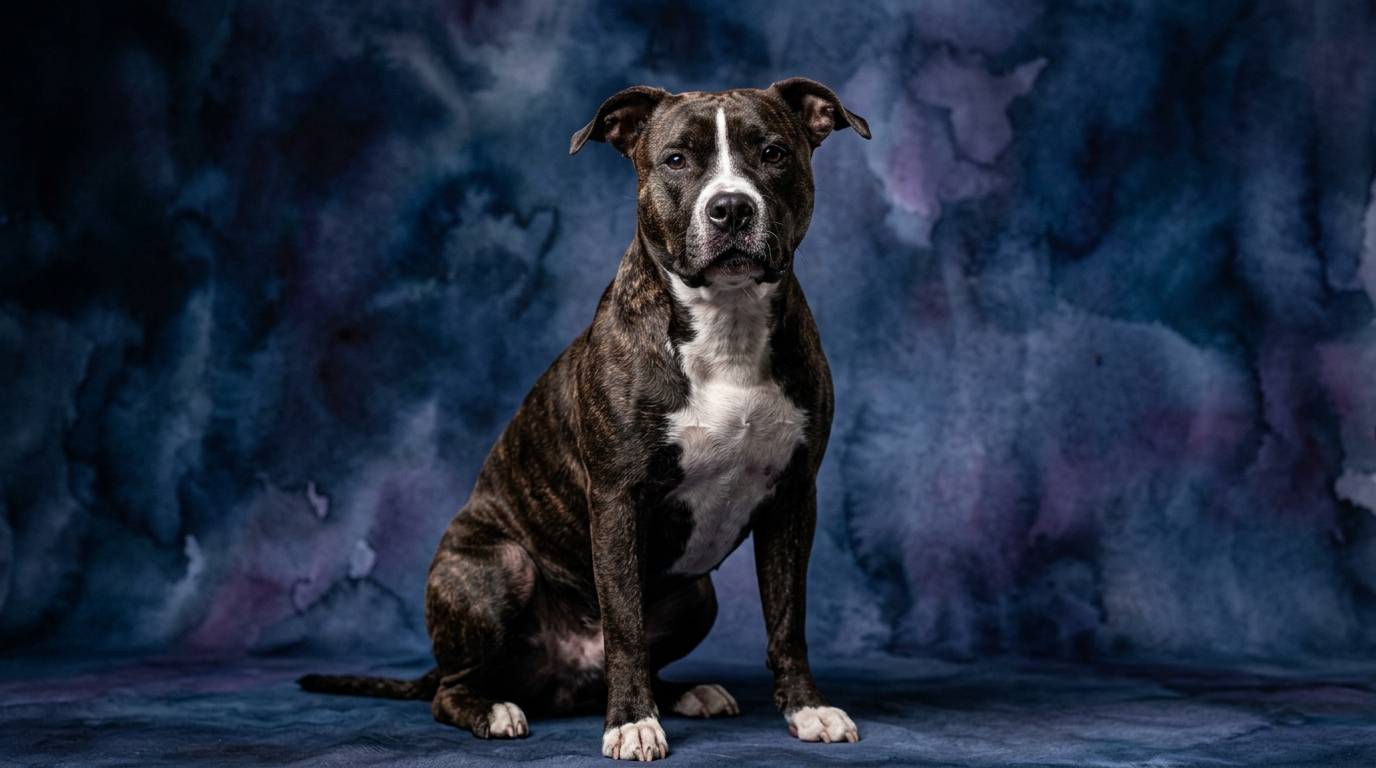
In contrast, the American Staffordshire Terrier, from the Terrier group, is ranked #48 by Coren, suggesting a slightly different cognitive emphasis. Their Problem Solving is 3/5, showing a practical ability to learn how to achieve goals, often in collaboration with their human companions, though perhaps less inclined towards independent, novel solutions. Training Speed is 3/5, indicating a generally responsive and willing learner who benefits from consistent, positive reinforcement. Social Intelligence is also 3/5, reflecting an ability to bond deeply with their family and understand social dynamics, often expressing empathy. Their Instinctive Drive is 3/5, present but typically more manageable than a Husky's, often channeled into focused play or protection rather than a ceaseless urge to roam. Memory for the AmStaff is 4/5, signifying a strong capacity to recall commands, routines, and past social interactions.
Where the Siberian Husky Wins Cognitively
The Siberian Husky's cognitive profile truly shines in its exceptional Problem Solving ability, rated 4/5 compared to the AmStaff's 3/5. This isn't just about learning tricks; it's about a resourceful, independent mind capable of strategizing to achieve its own goals. Huskies are notorious for figuring out how to unlatch gates, scale fences, or even open refrigerators, demonstrating a deep understanding of cause and effect and an impressive ability to manipulate their environment. This cognitive strength, fueled by their high instinctive drive, makes them natural escape artists and adept navigators. Furthermore, their Instinctive Drive, a perfect 5/5, while presenting training challenges, is a cognitive win in terms of innate motivation for specific, demanding tasks. This drive for endurance, pulling, and exploration means they possess an unparalleled intrinsic motivation for activities that align with their heritage, excelling in roles requiring sustained effort and an adventurous spirit. Their strong memory (4/5) supports this, allowing them to recall complex routes and environmental details crucial for long-distance travel or exploring new territories.
Where the American Staffordshire Terrier Wins Cognitively
The American Staffordshire Terrier holds a distinct advantage in Training Speed, rated 3/5 compared to the Husky's 2/5. This difference is significant, as it translates to a greater willingness and aptitude for structured learning. AmStaffs generally pick up new commands and routines more readily, and they often find satisfaction in working alongside their human companions. Their cognitive strengths lie in their responsiveness to instruction and their ability to focus on tasks presented by their handlers. While their problem-solving (3/5) might not be as geared towards independent environmental manipulation as a Husky's, it is often more focused on understanding and executing human directives efficiently. This makes them more pliable in various training disciplines, from basic obedience to advanced canine sports, where consistent performance and cooperation are paramount. Their solid memory (4/5) further supports this, ensuring that once a lesson is learned, it is retained effectively, contributing to their reputation as capable and eager students.
Which is Easier to Train and Why
When considering ease of training, the American Staffordshire Terrier generally presents a more straightforward path than the Siberian Husky. The AmStaff's Training Speed of 3/5, coupled with a more moderate Instinctive Drive (3/5), means they are typically more amenable to instruction. They often derive satisfaction from engaging with their handler and performing tasks, making them receptive to positive reinforcement methods. While they can exhibit stubbornness, their focus is generally easier to capture and maintain during training sessions. Behavioral differences are stark: an AmStaff is more likely to repeat a desired action for a reward or praise, whereas a Husky, with a Training Speed of 2/5 and an Instinctive Drive of 5/5, often weighs the command against its own powerful urges to run, chase, or explore. Huskies understand what you want, but their independent nature and profound intrinsic motivations mean they might simply choose not to comply if something more enticing is available. Their high problem-solving (4/5) can even be applied to "outsmarting" their trainers, making consistency and creative motivation absolutely critical to success. Therefore, for most owners seeking a readily trainable companion, the AmStaff will prove less challenging.
Which Suits Active Owners vs. Structured Owners
Neither the Siberian Husky nor the American Staffordshire Terrier is truly suited for "relaxed" ownership, as both breeds demand significant engagement. However, their specific energy requirements and cognitive drives cater to different types of active owners. The Siberian Husky is the quintessential partner for the intensely active owner. Their 5/5 Instinctive Drive fuels an insatiable need for vigorous physical activity, particularly running and pulling. Owners who enjoy long-distance running, hiking, skijoring, or other endurance-based dog sports will find a Husky thrives in their lifestyle. Their 4/5 Problem Solving also means they need complex mental challenges to prevent boredom and destructive behaviors, making them unsuitable for owners who only provide physical exercise without engaging their sharp minds.
Conversely, the American Staffordshire Terrier, while still requiring regular exercise, suits owners who are active in a more structured, interactive sense. Their 3/5 Instinctive Drive means they need outlets for their energy, but it's often more manageable and can be channeled into focused play, obedience training, agility, or competitive sports. They thrive with owners who enjoy a strong, collaborative bond and are committed to consistent training and mental stimulation. An AmStaff is less likely to bolt for miles on an independent adventure and more likely to seek interaction and direction from their human. So, for owners seeking a devoted, task-oriented partner eager to participate in shared activities, the AmStaff is a better fit than the independent, endurance-focused Husky.
The Verdict
Choose a Siberian Husky if you are an experienced, highly active individual or family capable of providing extensive daily physical exertion and creative mental challenges for an independent, resourceful companion.
Choose an American Staffordshire Terrier if you desire a devoted, trainable companion eager to engage in structured activities, thrive on a strong bond, and benefit from consistent leadership and positive reinforcement.
🧠 Find Your Pet's IQ Score
Our Pet IQ Lab assessment covers 25+ tests across 5 cognitive dimensions — personalized to your breed.
Take the Full IQ Test →Frequently Asked Questions
Are Siberian Huskies truly stubborn?
Huskies can appear stubborn due to their low training speed (2/5) and powerful instinctive drive (5/5), often prioritizing their own urges over human commands. They understand directives but may choose independence, requiring consistent, highly motivating training.
Do American Staffordshire Terriers need a lot of exercise?
Yes, AmStaffs require regular, vigorous exercise to maintain their physical health and mental well-being. Their moderate instinctive drive (3/5) means they thrive with focused play, structured walks, and engaging activities rather than just casual strolls.
Can either breed be a good family dog?
Both breeds can be wonderful family dogs with appropriate early socialization and consistent training. Huskies are generally good-natured and tolerant but value their independence, while AmStaffs are often deeply loyal and affectionate with their immediate family, though careful introductions to other pets are vital.