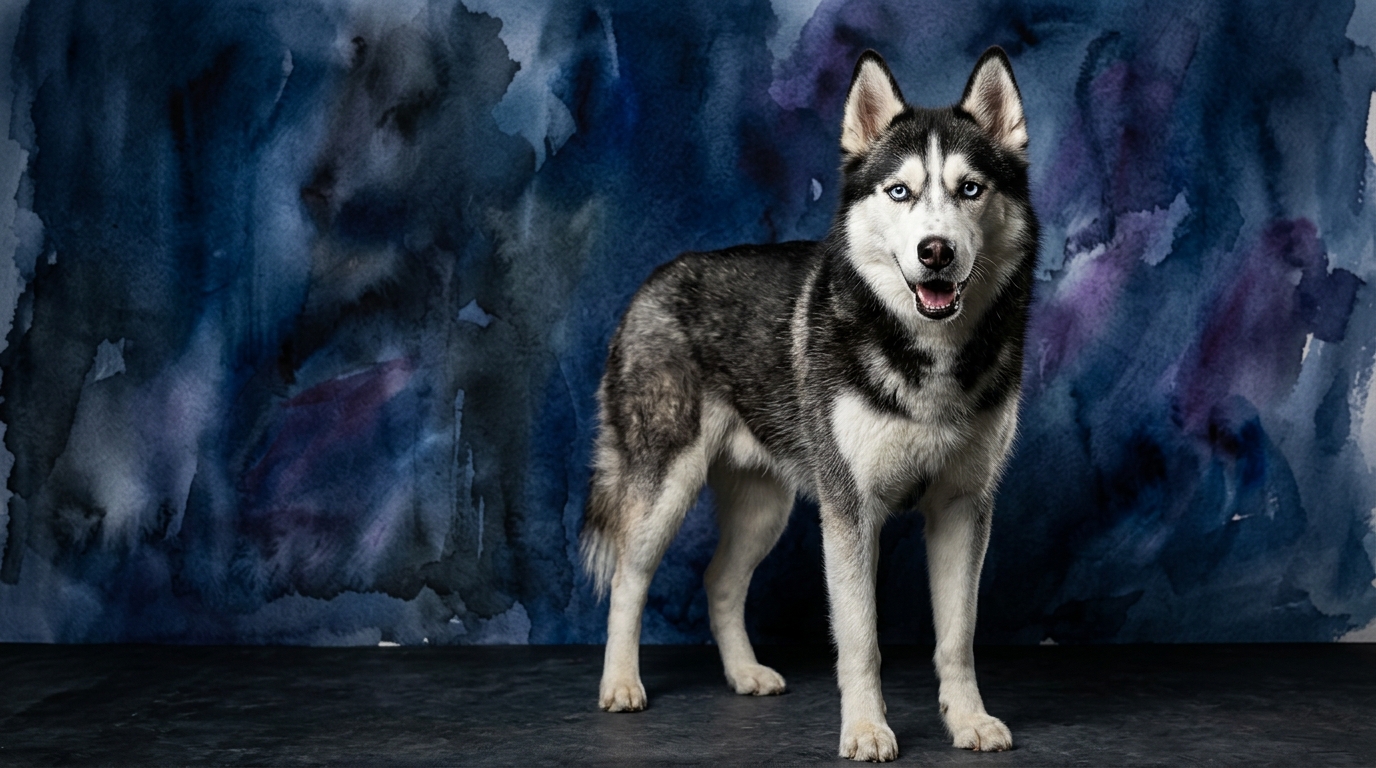
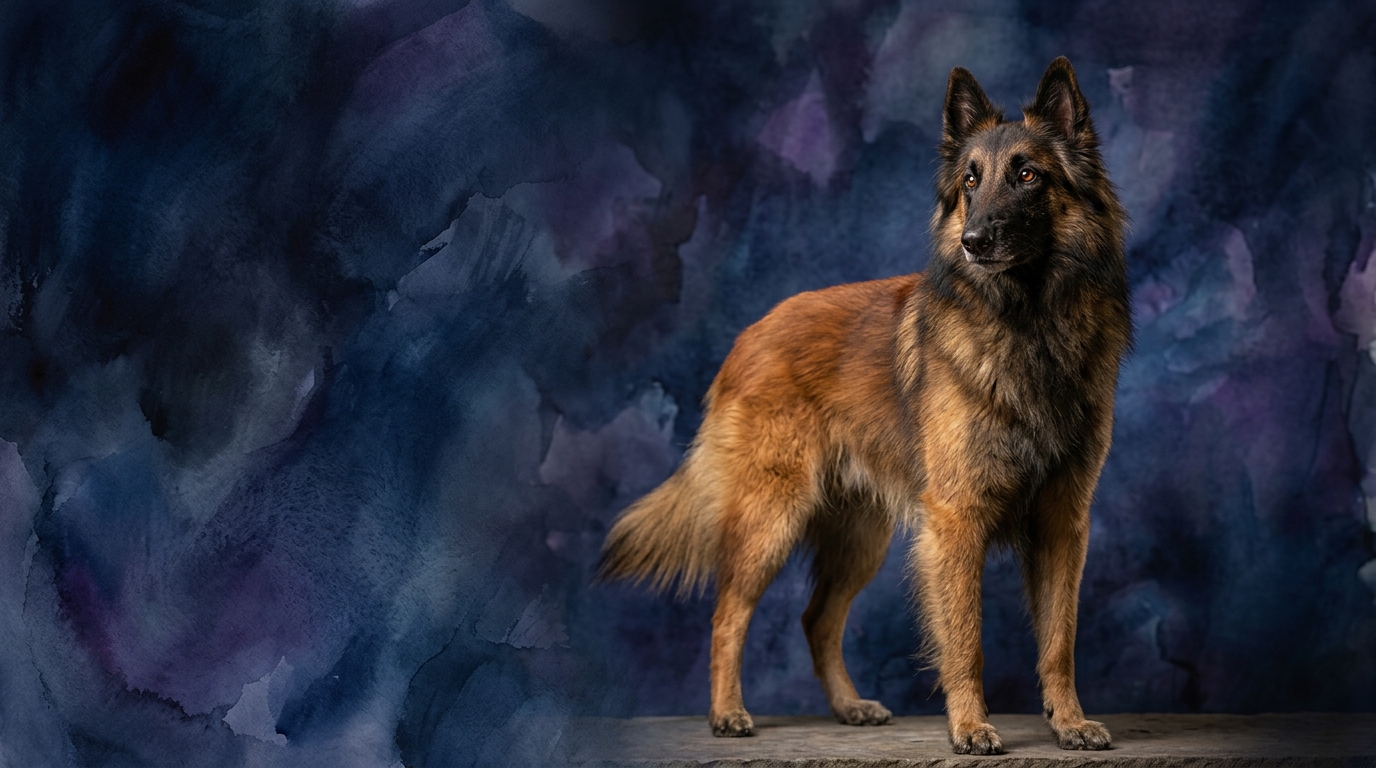
Side-by-side IQ Profile
The Siberian Husky, registering at Coren #45, showcases a remarkable instinctive drive (5/5), a testament to its ancestral role as an endurance sled dog navigating vast, frozen landscapes. This drive fuels an intense desire for sustained physical activity and an innate understanding of environmental challenges. Its problem-solving capabilities are strong (4/5), allowing it to intelligently assess and overcome obstacles, often displaying a clever resourcefulness in achieving its own goals, such as finding creative escape routes or outsmarting food containers. Memory is also quite robust (4/5), enabling them to recall complex routes and routines with precision, which is crucial for navigation. However, their training speed is moderate (2/5), indicating a learning process that is often independent and requires consistent, patient engagement from their human companions. Social intelligence sits at an average 3/5, suggesting they can interact appropriately within a group but may not always prioritize human directives over their internal motivations.
In stark contrast, the Belgian Tervuren, holding an impressive Coren rank of #14, demonstrates exceptional cognitive prowess, particularly in areas of problem-solving (5/5) and training speed (5/5). This breed exhibits an extraordinary capacity to rapidly grasp and internalize new concepts, executing commands with remarkable precision and enthusiasm. Their superior mental agility allows them to quickly analyze complex situations and formulate effective responses, making them highly adaptable and responsive learners. Memory is equally outstanding (5/5), enabling them to retain an extensive repertoire of skills and commands over long periods, which is invaluable in demanding competitive or working roles. While their instinctive drive is a solid 3/5, it is channeled more towards purposeful tasks rather than undirected exploration. Social intelligence, like the Husky, is rated at 3/5, indicating a balanced capacity for interaction that allows them to form strong bonds without being overly dependent or aloof.
Where Siberian Husky Wins Cognitively
The Siberian Husky’s unparalleled instinctive drive (5/5) stands as its most significant cognitive advantage, a trait meticulously honed over generations for sustained effort in extreme conditions. This inherent drive manifests as an extraordinary capacity for enduring physical exertion and an almost instinctual understanding of how to conserve energy while covering vast distances, making them peerless in tasks requiring sheer stamina. While not always seeking human direction, their robust problem-solving ability (4/5) frequently shines in self-directed scenarios; they are adept at strategizing to overcome physical barriers or navigating complex terrains independently, showcasing a clever, often self-serving intellect. Their good memory (4/5) further supports this by allowing them to recall successful past strategies and confidently navigate familiar territories, even without constant guidance, making them exceptionally resilient and resourceful. This blend of powerful intrinsic motivation and independent cognitive application means they excel in environments where self-reliance and the ability to persevere through challenge are paramount.
Where Belgian Tervuren Wins Cognitively
The Belgian Tervuren truly excels in cognitive domains demanding rapid assimilation and precise execution, marked by perfect scores in problem-solving (5/5) and training speed (5/5). Their capacity to quickly analyze intricate situations and formulate effective solutions makes them supremely adept at complex tasks, ranging from advanced obedience routines to intricate agility courses that demand split-second decisions. This rapid mental processing allows them to learn new commands and behaviors with remarkable efficiency, often requiring fewer repetitions and less explicit guidance than many other breeds. Coupled with an exceptional memory (5/5), Tervurens can retain a vast repertoire of skills and commands, building upon previous learning experiences to master increasingly difficult and nuanced challenges. Their cognitive architecture is fundamentally geared towards understanding and responding to human instruction, making them highly cooperative and precise partners in a wide array of activities where accuracy, responsiveness, and a strong collaborative bond are critical.
Which is Easier to Train and Why
The Belgian Tervuren is demonstrably easier to train compared to the Siberian Husky, a distinction vividly underscored by their respective training speed scores of 5/5 versus 2/5. Tervurens possess an inherent eagerness to please and a high capacity for understanding complex instructions, allowing them to absorb new information rapidly and execute tasks with remarkable precision and enthusiasm. Their superior problem-solving (5/5) and memory (5/5) further amplify this, enabling them to quickly generalize learned behaviors and apply them to novel situations, making them exceptional candidates for advanced obedience, protection work, or competitive dog sports where consistent performance is paramount. In contrast, the Siberian Husky’s slower training speed (2/5) stems from a more independent and often stubborn temperament, which, while invaluable for their original sledding purpose of making decisions autonomously, translates to a greater challenge in traditional obedience. Huskies tend to prioritize their own instincts and motivations, such as the urge to explore or chase, over human directives, requiring immense patience, consistent positive reinforcement, and creative engagement to achieve reliable results. Their good problem-solving (4/5) often manifests as finding ways around rules rather than simply complying with them, necessitating owners who deeply understand and respect their independent streak and are prepared for a less conventional training journey.
Which Suits Active Owners vs Relaxed Owners
Both breeds demand significant activity, but their ideal owners differ critically based on the type and intensity of that engagement. The Siberian Husky, with its extreme instinctive drive (5/5) for endurance and independent exploration, is best suited for highly active owners who thrive on long-distance activities such as running, hiking, biking, or even skijoring, and who appreciate a companion with a strong sense of self-will and a desire to roam. These owners must be prepared for a dog that requires extensive daily exercise to prevent boredom and destructive behaviors, and who will often make their own decisions in open environments, necessitating secure containment and vigilant supervision. A 'relaxed' owner, in the sense of someone preferring minimal engagement or short, infrequent walks, would find the Husky's relentless energy and independent mindset overwhelming and potentially unmanageable. The Belgian Tervuren, while equally energetic, suits owners who enjoy structured activities that engage both body and mind in a collaborative partnership. Their high problem-solving (5/5) and training speed (5/5) make them perfect for dog sports like agility, obedience, flyball, or scent work, where precision, quick thinking, and a strong human-dog bond are paramount. These owners are typically committed to consistent, stimulating training and ample physical exercise, appreciating a dog that thrives on learning and shared goals. While they need substantial physical exertion, their drive is more often channeled into purposeful, directed tasks rather than pure, undirected endurance, making them less suitable for owners seeking a purely 'relaxed' companion, but highly adaptable for active lifestyles centered around shared intellectual and physical challenges.
The Verdict
Opt for the Siberian Husky if you are an adventurous owner who values a resilient, independent companion with an unparalleled drive for endurance activities and can provide extensive, self-directed physical outlets.
Select the Belgian Tervuren if you seek a highly trainable, intelligent partner eager for structured mental and physical challenges, and are committed to consistent training in dog sports or working roles.
🧠 Find Your Pet's IQ Score
Our Pet IQ Lab assessment covers 25+ tests across 5 cognitive dimensions — personalized to your breed.
Take the Full IQ Test →Frequently Asked Questions
Are Siberian Huskies difficult to live with due to their independence?
While their independence and strong instinctive drive can present challenges, such as a propensity for roaming or selective hearing, consistent training, secure containment, and ample exercise can help manage these traits. They thrive with owners who understand and respect their unique nature rather than trying to completely suppress it.
What kind of mental stimulation does a Belgian Tervuren need?
Belgian Tervurens require significant mental engagement through activities like puzzle toys, advanced obedience training, agility, or herding exercises. Their high problem-solving and memory capabilities mean they bore easily without opportunities to learn and apply new skills, which can lead to destructive behaviors.
Do these breeds get along with other pets or children?
Both breeds, with their average social intelligence (3/5), can integrate well into families with other pets and children, especially when properly socialized from a young age. However, the Husky's high prey drive might necessitate careful introductions with smaller animals, while the Tervuren's herding instincts could lead to attempts to 'herd' children if not properly managed.