Side-by-Side IQ Profile: Siberian Husky
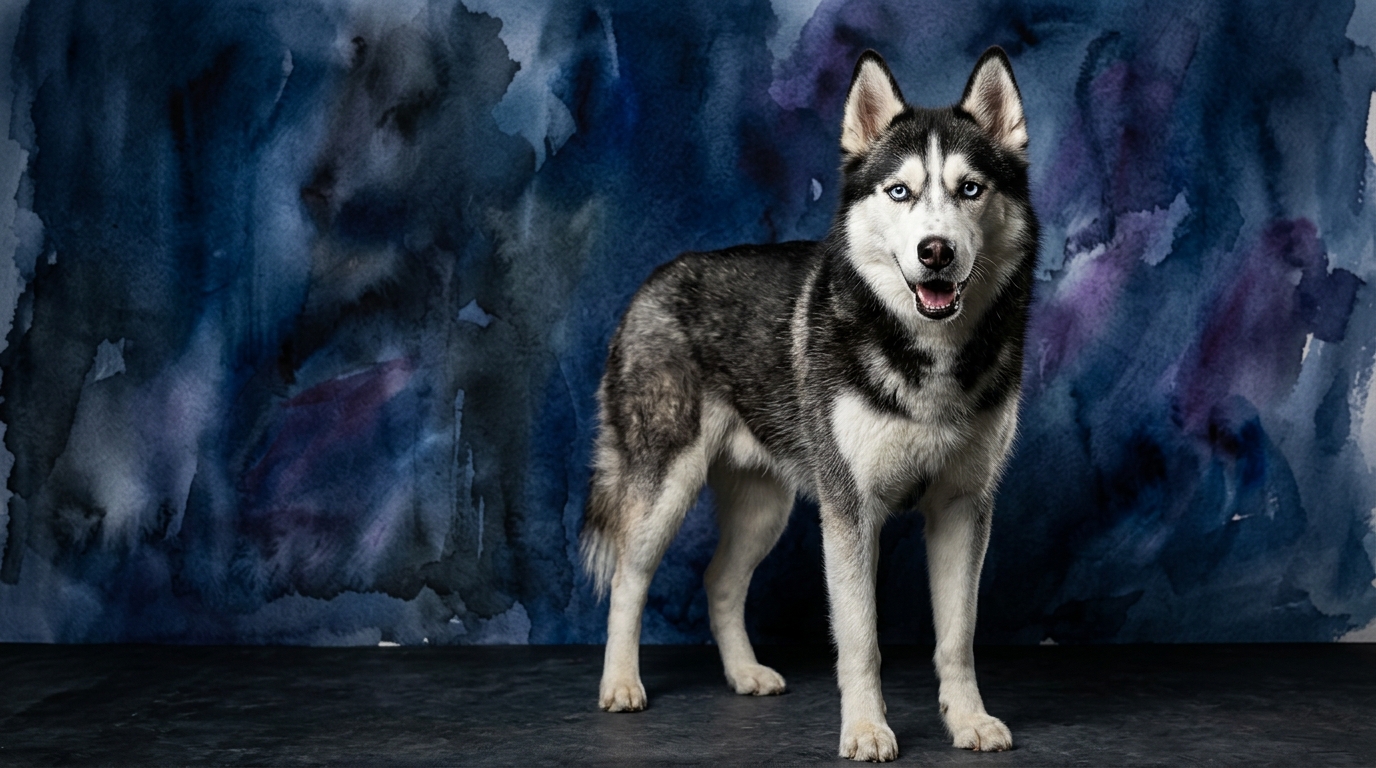
The Siberian Husky, a breed synonymous with endurance and resilience, presents a cognitive profile shaped by its sled-pulling lineage. Its Problem Solving at 4/5 indicates a strong capacity for independent thought, often directed towards navigating challenging environments or figuring out how to achieve its own objectives, like finding an escape route. Training Speed, rated at 2/5, reflects their independent nature; while capable of learning, they are not inherently driven by a desire to please and require consistent, patient, and highly motivating methods. Social Intelligence at 3/5 suggests they are adept at pack dynamics, interacting effectively within a family unit but often prioritizing their own agenda over constant human direction. An Instinctive Drive of 5/5 is paramount, showcasing an unparalleled urge to run, explore, and hunt, a core part of their being. Finally, Memory at 4/5 highlights their excellent recall of routes, routines, and past experiences, even if this memory is sometimes used to their owner's chagrin.
Side-by-Side IQ Profile: Border Terrier
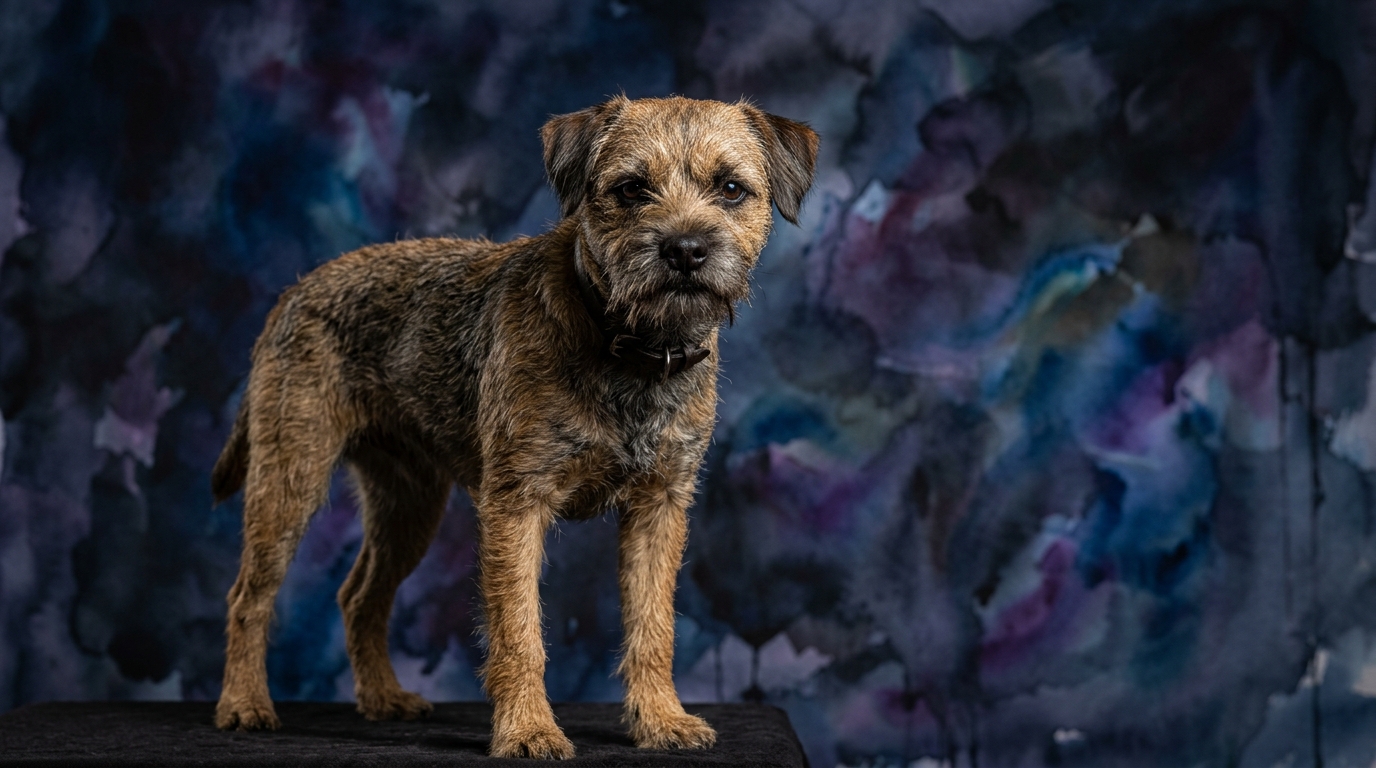
In contrast, the Border Terrier, a nimble working terrier, possesses an IQ profile tailored for its role in fox hunting and vermin control. Its Problem Solving also stands at 4/5, but this intelligence often manifests as resourceful cunning—figuring out how to get to a perceived 'prey' or navigating complex human-made environments. Training Speed at 4/5 signifies a significantly greater willingness to engage in learning and respond to commands, making them generally more biddable than the Husky, though still possessing a terrier's characteristic independent streak. Social Intelligence, also at 3/5, demonstrates their capacity for forming strong bonds with their human family and understanding social cues, but they retain a self-assured personality. The Instinctive Drive at 3/5, while present, is less overwhelming than the Husky's; they possess a keen hunting instinct but are less prone to extreme wanderlust. Memory at 4/5 ensures they quickly retain learned behaviors and routines, contributing to their trainability.
Where the Siberian Husky Wins Cognitively
The Siberian Husky's cognitive strengths are deeply rooted in its heritage as a long-distance sled dog, making it a master of self-sufficiency and environmental navigation. Its Instinctive Drive, rated a perfect 5/5, is a profound cognitive advantage in its original context. This isn't merely physical stamina, but an innate understanding of how to conserve energy, read terrain, and maintain focus over vast distances, often in challenging conditions. This drive fuels an exceptional wanderlust and an almost uncanny ability to find its way back home, or to explore new territories, demonstrating superior spatial reasoning and directional memory. Furthermore, while both breeds share a 4/5 in Problem Solving, the Husky's application of this skill often involves complex, multi-step strategies for independence: figuring out how to open gates, scale fences, or outsmart containment, showcasing a persistent and ingenious approach to achieving its own goals. Their Memory at 4/5 reinforces this, allowing them to recall successful escape routes or the locations of interesting scents with remarkable precision, a testament to their self-directed intelligence.
Where the Border Terrier Wins Cognitively
The Border Terrier's cognitive prowess shines in its adaptability and responsiveness, particularly in a domestic setting. Its Training Speed, a robust 4/5 compared to the Husky's 2/5, is a clear cognitive win, indicating a quicker grasp of commands and a greater eagerness to cooperate with human instruction. This translates into faster learning of house rules, tricks, and obedience cues, making them generally more rewarding for owners seeking a responsive partner. While their Problem Solving also stands at 4/5, it often manifests as a cleverness applied to social interactions or smaller-scale tactical challenges. They are adept at 'reading' their humans, understanding routines, and even employing subtle manipulations to get what they want, demonstrating a nuanced social intelligence. Their instinctive drive, while lower than the Husky's, is channeled into focused tasks rather than vast expeditions. This allows their cognitive resources to be more readily applied to learning and engaging with their immediate environment and human companions, rather than being solely consumed by an overwhelming urge to roam.
Which is Easier to Train and Why
Without question, the Border Terrier generally proves easier to train due to its higher Training Speed rating of 4/5, significantly surpassing the Siberian Husky's 2/5. This difference stems from fundamental behavioral predispositions. Border Terriers, while still possessing a terrier's independent spirit, often exhibit a stronger desire to engage with their owners and a quicker comprehension of desired actions. They are typically more food-motivated and respond well to positive reinforcement, eager to learn and earn rewards. Their instinctive drives are more manageable, allowing them to focus better during training sessions without being constantly pulled by the urge to chase or explore. In contrast, the Siberian Husky’s independent nature and formidable Instinctive Drive (5/5) means they learn commands, but their compliance is often conditional. They might understand "come" perfectly, yet choose to ignore it if a more compelling scent or perceived adventure presents itself. Training a Husky requires immense patience, creativity, and a deep understanding of their unique motivations, as they are not inherently driven to please but rather to fulfill their own agenda.
Which Suits Active Owners vs Relaxed Owners
The choice between these two breeds hinges significantly on an owner's lifestyle and capacity for activity. The Siberian Husky is unequivocally suited for highly active owners, ideally those who embrace outdoor adventures and can commit to substantial daily exercise. Their perfect 5/5 Instinctive Drive translates into an insatiable need for physical and mental stimulation, requiring miles of running, hiking, or dedicated dog sports. A relaxed owner will quickly find themselves overwhelmed by a bored Husky, whose problem-solving skills will be directed towards destructive behaviors or escape attempts. Conversely, the Border Terrier, while energetic and playful, offers more flexibility. They thrive with active owners who enjoy regular walks, games, and mental challenges, but their needs are generally less extreme than the Husky's. A moderately active owner who can provide consistent engagement and stimulation would find a Border Terrier a rewarding companion, whereas a truly relaxed, sedentary owner would struggle with either breed, but particularly with the high-octane demands of a Husky.
The Verdict
For the individual or family who leads an exceptionally active lifestyle, possesses extensive dog ownership experience, and cherishes an independent, resilient companion with an unrivaled instinct for exploration and endurance, the Siberian Husky is an ideal choice, demanding respect for its unique spirit.
Conversely, for active owners seeking a highly trainable, clever, and adaptable companion that excels in a variety of activities and forms deep family bonds, while still retaining a spirited terrier personality, the Border Terrier stands out as a superb option, offering a more manageable intensity level for daily life.
🧠 Find Your Pet's IQ Score
Our Pet IQ Lab assessment covers 25+ tests across 5 cognitive dimensions — personalized to your breed.
Take the Full IQ Test →Frequently Asked Questions
Are Siberian Huskies really difficult to train?
Siberian Huskies are not necessarily 'difficult' to train in terms of learning, as their memory and problem-solving are strong. However, their independent nature and powerful instinctive drives often make them challenging to motivate for consistent compliance, requiring patient and creative training methods.
Do Border Terriers have a strong prey drive?
Yes, Border Terriers do possess a strong prey drive, rated 3/5, inherited from their working heritage. While less extreme than a Husky's, it means they may chase small animals and require secure leashes and fences, and consistent training to manage this instinct.
Which breed is better for first-time dog owners?
Generally, the Border Terrier is a more suitable choice for first-time dog owners due to its higher trainability and more manageable exercise requirements compared to the Siberian Husky. The Husky's intense needs and independent spirit can be overwhelming for those new to dog ownership.