A Detailed Look at Siberian Husky and Boston Terrier IQ Profiles
At The Cosmic Pet Pet IQ Lab, we analyze canine cognition across five crucial dimensions: problem-solving, training speed, social intelligence, instinctive drive, and memory. These metrics offer a nuanced understanding beyond a simple 'smart' or 'less smart' label, painting a clearer picture of how each breed processes information and interacts with their world. Understanding these individual cognitive strengths is key to appreciating what makes each dog unique.
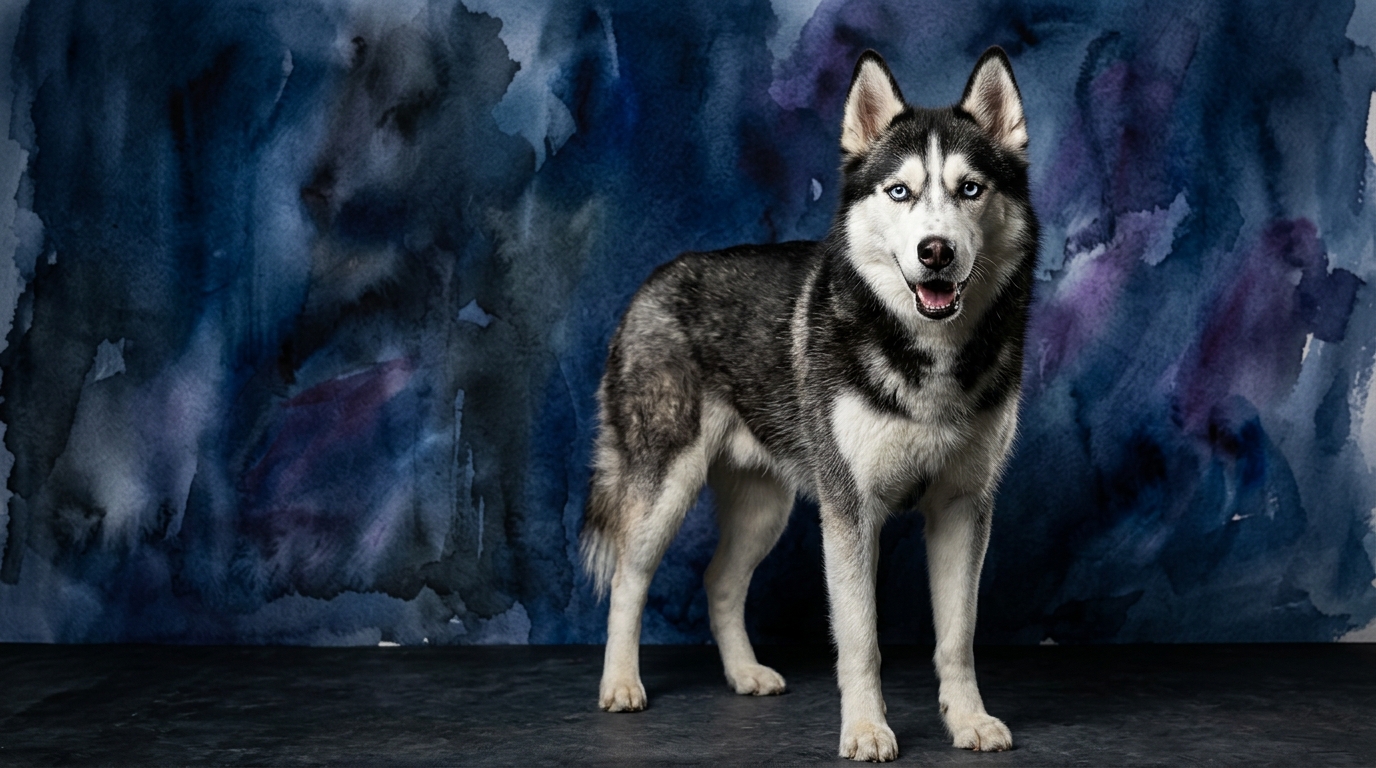
The Siberian Husky, a Working group dog with a Coren rank of #45, exhibits a robust cognitive profile tailored for endurance and independent work. Their problem-solving capacity is rated at 4/5, indicating a strong ability to navigate complex situations and find solutions independently. Training speed scores 2/5, suggesting a need for patience and consistent reinforcement rather than quick compliance. Social intelligence is 3/5, reflecting a friendly but often independent nature. An impressive instinctive drive of 5/5 highlights their deep-seated urge for physical activity and purpose-driven tasks. Finally, their memory stands at a strong 4/5, aiding in recalling routes and experiences.
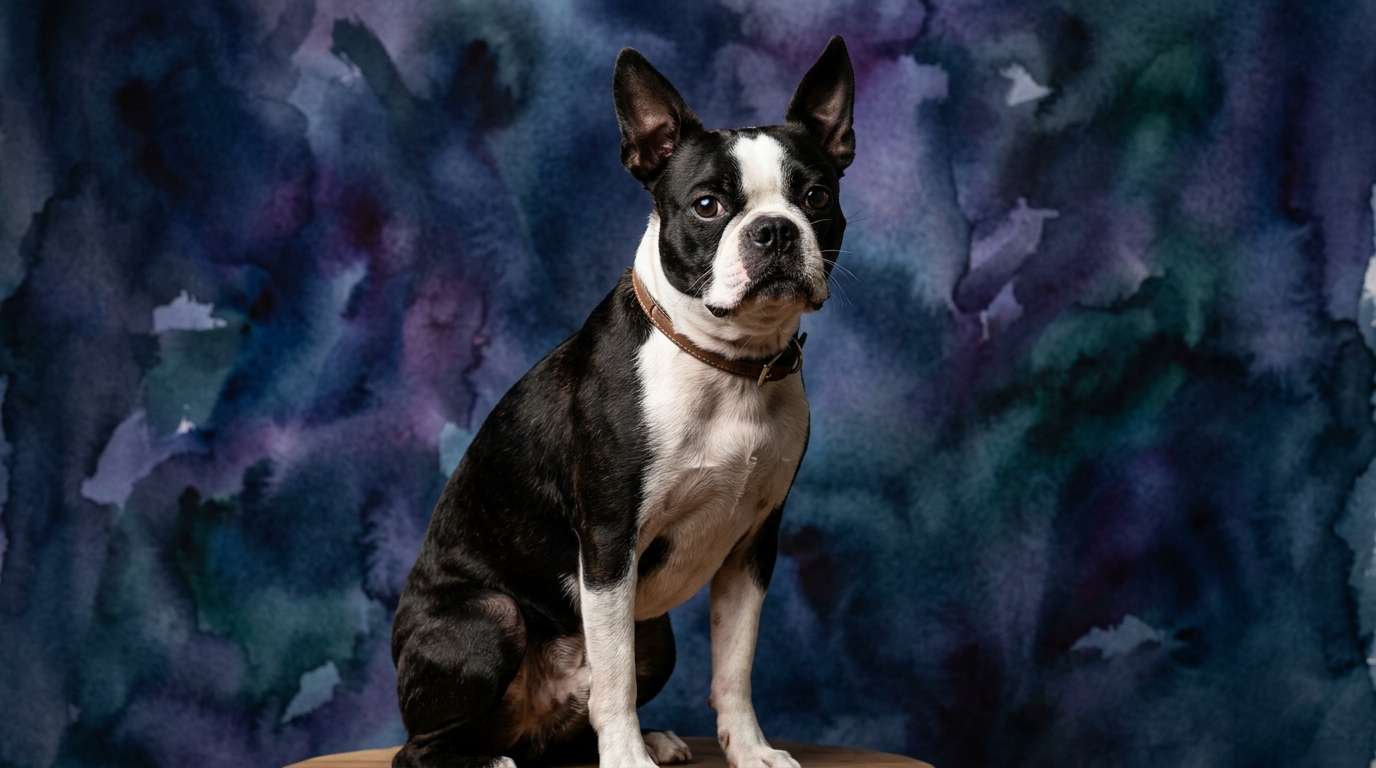
In contrast, the Boston Terrier, a Non-Sporting group dog with a Coren rank of #54, presents a cognitive makeup geared towards companionship and domestic life. Their problem-solving ability is 3/5, indicating a moderate capacity for figuring out puzzles or navigating simple challenges. Training speed is 3/5, suggesting they are generally receptive to learning but may have moments of selective hearing. A high social intelligence of 4/5 means they are deeply attuned to human emotions and interactions. Their instinctive drive is 2/5, indicating a preference for comfort and companionship over intense, independent pursuits. Memory for the Boston Terrier is 3/5, sufficient for routines and familiar faces.
Siberian Husky's Cognitive Strengths: Resourcefulness and Drive
The Siberian Husky's cognitive prowess truly shines in areas demanding independent thought and persistence. Their 4/5 problem-solving score means they are adept at strategizing, whether it's figuring out how to open a gate, unearth a buried treasure, or navigate a complex trail. This isn't about obedience to a human command, but an intrinsic capacity to analyze an environment and devise a path to a desired outcome. This resourcefulness can be both impressive and challenging for owners, as it often translates to finding creative ways to achieve their own goals.
A defining cognitive trait of the Husky is their extraordinary instinctive drive, scoring a maximum 5/5. This isn't merely physical energy; it's a profound internal motivation for purpose and movement. This drive shapes their decision-making, influencing their desire to explore, run, and engage in activities that mimic their ancestral role. It's a cognitive force that fuels their endurance and focus on tasks requiring sustained effort, like long-distance travel, even if it means ignoring distractions or commands that conflict with their innate urges.
Complementing their problem-solving and drive is a robust memory, rated at 4/5. Huskies excel at retaining complex spatial information, remembering intricate routes, and recalling past experiences, whether positive or negative. This strong memory contributes to their ability to learn and adapt over time, even if their independent spirit means they don't always apply learned behaviors exactly as desired. They remember training, people, and places with clarity, which can be beneficial for specific tasks or routines once established.
Boston Terrier's Cognitive Strengths: Social Acuity and Adaptability
The Boston Terrier's cognitive strengths lean heavily into their role as a companion, particularly evident in their high social intelligence, scoring 4/5. These dogs possess a keen ability to observe and interpret human moods, intentions, and subtle cues. This makes them exceptionally responsive to their family's emotional states, often anticipating needs or reacting with empathy. Their social acumen fosters deep bonds and contributes significantly to their charm and ability to integrate seamlessly into a household.
Their training speed, rated 3/5, positions the Boston Terrier as generally receptive to learning. While not instantaneous learners, their willingness to engage and their desire for human interaction make them amenable to instruction. They are often motivated by praise and positive reinforcement, which leverages their social intelligence to encourage compliance. This moderate learning pace, combined with their eager-to-please nature, makes them satisfying students for most owners.
A lower instinctive drive of 2/5 is another cognitive strength for the Boston Terrier, particularly for owners seeking a more relaxed companion. This means they are less compelled by independent exploration, territorial impulses, or intense physical work. Their cognitive focus is more directed towards their human family, finding satisfaction in close proximity and shared activities rather than seeking out high-intensity, self-directed pursuits. This trait makes them highly adaptable to various living situations, from apartments to larger homes, as long as they are with their people.
Trainability: Decoding the Differences
When it comes to trainability, the Boston Terrier (training speed 3/5) generally presents a more straightforward experience than the Siberian Husky (training speed 2/5). The Boston Terrier's higher social intelligence fuels a desire to please its human companions, making them more attentive and motivated by praise and positive interaction during training sessions. They are often eager to learn and respond well to consistent, reward-based methods, readily absorbing commands and house manners.
The Siberian Husky's lower training speed isn't necessarily a deficit in understanding, but rather a reflection of their strong independent will and high problem-solving capacity. Huskies often weigh a command against their own intrinsic motivations or perceived utility. If a command conflicts with their powerful instinctive drive to explore or their independent nature, they might choose not to comply, despite fully comprehending what is being asked. This isn't stubbornness in a malicious sense, but rather a strong self-direction that requires an owner to be exceptionally engaging, consistent, and patient.
Therefore, while both breeds can be trained, the behavioral dynamics differ significantly. A Boston Terrier's training journey is often smoother due to their cooperative nature and focus on human approval. A Husky's training demands an owner who understands their cognitive independence and can channel their immense drive and problem-solving abilities into structured activities that they perceive as rewarding and engaging, rather than simply expecting rote obedience.
Aligning Canine Cognition with Owner Lifestyles
For active owners seeking a canine partner for adventures, the Siberian Husky's cognitive profile is a compelling match. Their high instinctive drive (5/5) for running, exploring, and engaging in demanding physical activities, coupled with strong problem-solving (4/5) and memory (4/5), means they thrive with owners who can provide consistent, challenging outlets. These dogs excel in environments where their independent thinking and physical prowess are regularly engaged, such as long-distance hiking, running, or dog sports. Owners must be prepared to provide ample mental and physical stimulation, as their problem-solving skills will otherwise be applied to less desirable activities like escaping or mischief.
Conversely, relaxed owners who prioritize companionship and a calmer home environment will find the Boston Terrier's cognitive traits highly appealing. Their higher social intelligence (4/5) and lower instinctive drive (2/5) make them ideal for those seeking a dog deeply integrated into family life, content with moderate activity and ample human interaction. They enjoy being close to their people, participating in daily routines, and do not possess the same overwhelming need for intense, independent 'work' that characterizes a Husky. Their moderate training speed (3/5) ensures they can easily learn house manners and enjoyable tricks without requiring extensive, high-intensity training sessions.
Ultimately, the choice between these two breeds hinges on understanding their fundamental cognitive blueprints and how they align with an owner's lifestyle expectations. A Husky's mind is geared for resilient, independent action and problem-solving in challenging environments, demanding an owner who can meet that challenge. A Boston Terrier's cognition is optimized for close human companionship, adaptability, and social responsiveness within a domestic setting, making them a joy for owners seeking a devoted and manageable friend.
The Verdict
Choose a Siberian Husky if you are an experienced, active owner ready to channel their profound independent problem-solving and powerful instinctive drives into productive activities like hiking, running, or dog sports. They thrive with consistent mental and physical challenges that respect their strong will.
Opt for a Boston Terrier if you seek a highly social, adaptable companion who enjoys being at the heart of family life and responds well to positive, consistent training motivated by connection. They are ideal for owners who appreciate a dog more inclined towards companionship than intense, independent pursuits.
🧠 Find Your Pet's IQ Score
Our Pet IQ Lab assessment covers 25+ tests across 5 cognitive dimensions — personalized to your breed.
Take the Full IQ Test →Frequently Asked Questions
Is a Siberian Husky difficult to live with due to its high instinctive drive?
Their powerful instinctive drive (5/5) means Huskies require significant mental and physical engagement to prevent boredom and destructive behaviors. While not 'difficult,' they demand consistent, creative outlets for their energy and problem-solving abilities, making them a commitment for dedicated owners who can meet these needs.
Do Boston Terriers require a lot of mental stimulation?
Boston Terriers benefit from mental stimulation, but their needs are generally lower than a Husky's. Their moderate problem-solving (3/5) and higher social intelligence (4/5) mean they enjoy interactive toys, short training sessions, and social engagement with their family more than complex independent tasks or extensive outdoor adventures.
How does Coren rank relate to these IQ dimensions?
Coren rank broadly measures 'working and obedience intelligence,' reflecting how quickly a breed learns and obeys commands. While the Siberian Husky ranks #45 and the Boston Terrier #54, our multi-dimensional IQ profile reveals nuances. The Husky's strong independent drive can sometimes override its capacity for obedience, making its training speed appear lower in practice despite its overall cognitive power, while the Boston Terrier's social intelligence aids its moderate training speed.