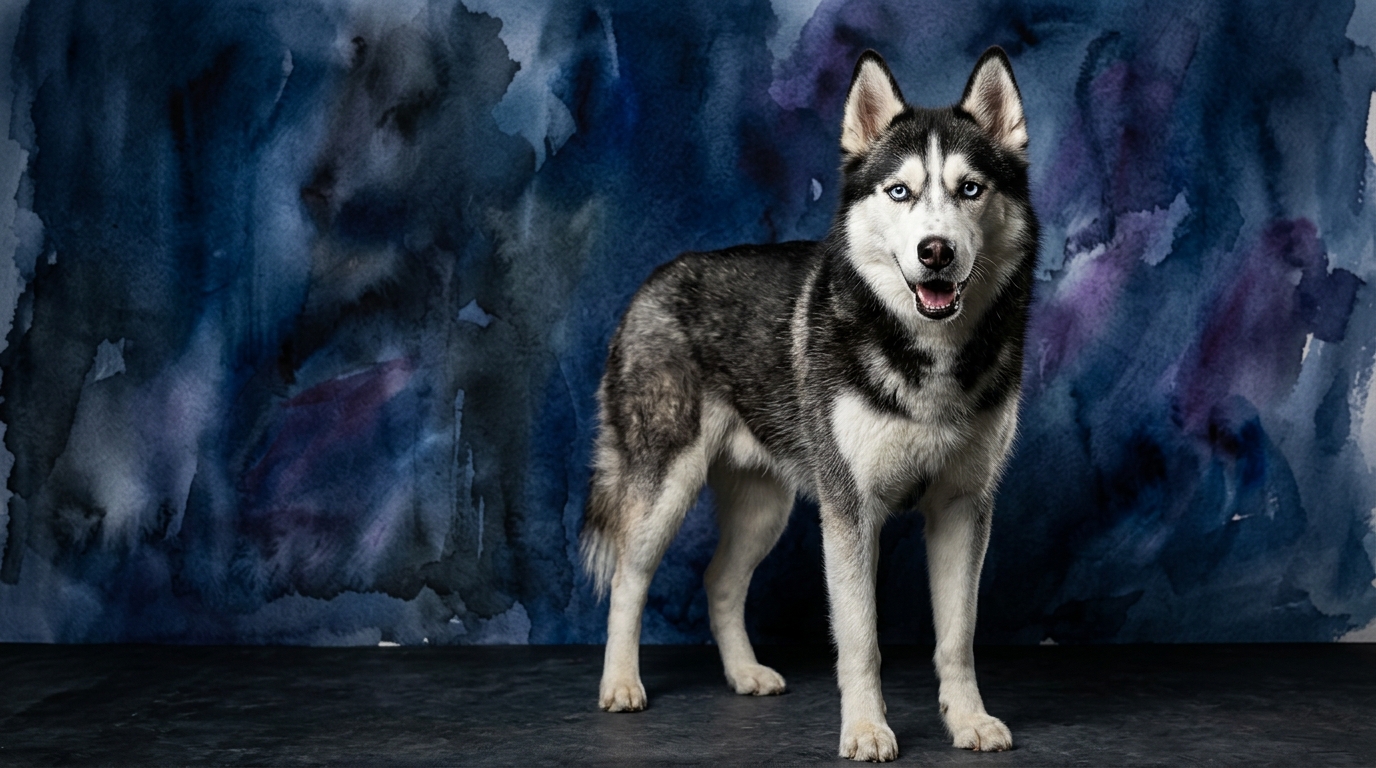
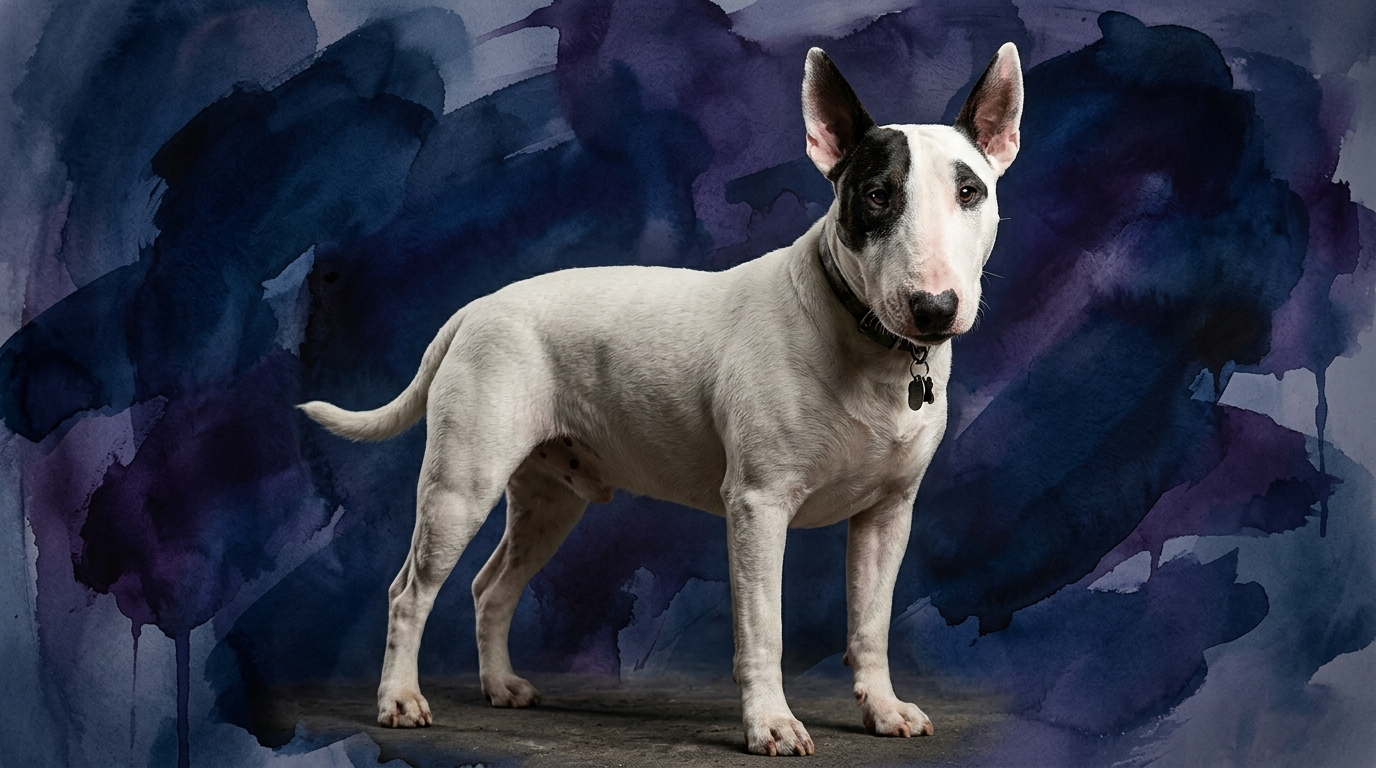
Side-by-side IQ profile
The Cosmic Pet Pet IQ Lab employs a multi-dimensional approach to assess canine cognition, moving beyond simple obedience metrics. For the Siberian Husky, a breed renowned for its endurance and independence, our analysis places it at a Coren rank of #45. Its Problem Solving ability scores a robust 4 out of 5, reflecting a capacity for independent thought and navigating complex environments, often seen in its historical role as a sled dog. Training Speed, however, is rated 2 out of 5, indicating a slower acquisition of new commands, frequently attributed to its strong-willed nature. Social Intelligence stands at 3 out of 5, suggesting an ability to interact appropriately but not necessarily a strong desire for constant human direction. Its Instinctive Drive is exceptionally high at 5 out of 5, encompassing powerful prey drive, wanderlust, and a persistent desire to work. Memory is also strong at 4 out of 5, allowing them to recall routes and previous experiences effectively.
In contrast, the Bull Terrier, a breed developed for companionship and sport, holds a Coren rank of #66, placing it somewhat lower in terms of overall working intelligence. Its Problem Solving score is 3 out of 5, indicating a moderate ability to navigate novel challenges, often relying on trial-and-error rather than complex strategizing. Training Speed is 3 out of 5, suggesting they learn new commands at a moderate pace, often responsive to positive reinforcement. Social Intelligence matches the Husky at 3 out of 5, reflecting a generally amicable disposition towards humans and other animals, though often with a playful and occasionally boisterous streak. Instinctive Drive is rated 3 out of 5, present but less overwhelming than the Husky's, typically manifesting as a desire for play and moderate prey drive. Memory is also 3 out of 5, indicating a standard recall ability for learned behaviors and routines.
Where Siberian Husky wins cognitively
The Siberian Husky exhibits distinct cognitive advantages, particularly in areas tied to its ancestral working roles. Its Problem Solving score of 4/5 significantly surpasses the Bull Terrier's 3/5, indicating a superior capacity for independent decision-making and overcoming environmental obstacles. This manifests in their ability to figure out how to open gates, escape enclosures, or navigate complex terrains without direct human guidance, traits crucial for a sled dog covering vast distances. This isn't about rote learning but about applying flexible thought to novel situations.
Moreover, the Husky's Instinctive Drive, a perfect 5/5 compared to the Bull Terrier's 3/5, is a powerful cognitive engine. This drive fuels their relentless endurance, their desire to run, and their inherent motivation to pull. While sometimes challenging for owners, this intense internal motivation means Huskies possess an innate drive to engage with the world and pursue objectives, whether it's tracking a scent or covering miles. Their Memory, at 4/5 versus the Bull Terrier's 3/5, also gives them an edge in recalling complex sequences, routes, or past interactions, further supporting their navigational and problem-solving prowess in long-term scenarios. This combination of problem-solving, drive, and memory forms a cohesive cognitive profile geared towards self-sufficiency and persistent action.
Where Bull Terrier wins cognitively
While the Siberian Husky excels in self-reliance and raw drive, the Bull Terrier demonstrates a particular cognitive strength in its Training Speed, scoring 3 out of 5, which is notably higher than the Husky's 2 out of 5. This indicates that Bull Terriers generally pick up new commands and routines with more readiness and fewer repetitions than their working dog counterparts. Their moderate instinctive drive (3/5) means they are often less distracted by an overwhelming urge to roam or hunt, allowing them to focus more intently on handler instructions during training sessions.
Their Social Intelligence, matching the Husky at 3 out of 5, suggests a similar capacity for appropriate social interaction, but without the strong independent streak that can sometimes overshadow a Husky's willingness to engage in structured learning. The Bull Terrier's cognitive profile, while not geared towards the same kind of complex, autonomous problem-solving as a Husky, leans more towards being a cooperative learner in a structured environment. This willingness to engage with human-directed tasks, coupled with a slightly faster training speed, gives them an advantage when it comes to acquiring a repertoire of commands and polite behaviors within a domestic setting.
Which is easier to train and why
Based on our IQ metrics, the Bull Terrier generally presents as the easier breed to train, primarily due to its Training Speed score of 3/5 compared to the Siberian Husky's 2/5. This difference isn't about one breed being “smarter” in an absolute sense, but rather about their inherent predispositions to learning within a human-structured framework. Bull Terriers tend to be more handler-focused during training, often eager to please and motivated by positive reinforcement, leading to quicker command acquisition. Their moderate instinctive drive means they are less likely to be constantly scanning for external stimuli or plotting an escape, allowing for more sustained attention during sessions.
The Siberian Husky, conversely, often presents a greater training challenge. Their low Training Speed score (2/5) is directly linked to their profound independence and strong instinctive drive (5/5). Huskies were bred to make decisions far from human oversight, meaning they often weigh a command against their own impulses, such as the irresistible urge to run, explore, or chase. This self-sufficiency, while a cognitive strength in their original role, translates into a slower, more deliberate, and often more persistent training process requiring immense patience and creativity from the owner. Their high problem-solving ability can even be a double-edged sword, as they may strategically “problem-solve” ways to avoid unwanted commands or escape enclosures. Therefore, for an owner prioritizing straightforward and relatively quick obedience training, the Bull Terrier holds an edge.
Which suits active owners vs relaxed owners
The stark differences in instinctive drive and cognitive problem-solving abilities clearly delineate which type of owner each breed will thrive with. The Siberian Husky, with its unparalleled Instinctive Drive (5/5) and strong Problem Solving (4/5), is unequivocally suited for active owners who can provide substantial physical and mental stimulation. These dogs require daily, rigorous exercise that goes beyond a simple walk around the block; they need outlets for their desire to run, pull, and explore. Owners must be prepared for a dog that will actively seek out engagement, whether through long runs, hiking, dog sports, or complex puzzle toys. A relaxed or sedentary owner will quickly find themselves overwhelmed by a Husky's unmet needs, potentially leading to destructive behaviors or escape attempts driven by boredom and unchanneled energy.
The Bull Terrier, while still an energetic breed requiring regular exercise, fits a slightly broader range of active owners. Its Instinctive Drive of 3/5 means it possesses a healthy desire for activity and play, but not the relentless, almost obsessive drive of a Husky. They enjoy walks, playtime, and engaging with their families, but typically won't demand the same level of endurance-based activity. Owners who enjoy daily walks, occasional runs, and interactive play sessions, but perhaps aren't training for marathons or sledding competitions, would find the Bull Terrier a more manageable fit. A truly relaxed, inactive owner would still struggle with a Bull Terrier's energy, but the intensity and sheer volume of activity required are generally lower than for a Husky, making them suitable for active families who appreciate a robust companion but don't live an extreme outdoor lifestyle.
The Verdict
Choose a Siberian Husky if you are an experienced, active owner prepared to channel immense independence and instinctive drive into structured activities, appreciating a dog that thinks for itself.
Opt for a Bull Terrier if you seek an active, playful companion with a quicker training response and a more manageable yet still robust energy level, valuing cooperation in learning.
🧠 Find Your Pet's IQ Score
Our Pet IQ Lab assessment covers 25+ tests across 5 cognitive dimensions — personalized to your breed.
Take the Full IQ Test →Frequently Asked Questions
Does a higher Coren rank mean a dog is always "smarter"?
Not necessarily. Coren rank often reflects how quickly a dog learns human-directed commands. Our multi-dimensional IQ assessment reveals that breeds like the Husky, despite a lower Coren rank than some, possess exceptional problem-solving and instinctive drives crucial for their original roles.
Why is the Siberian Husky's training speed lower despite strong problem-solving skills?
The Husky's low training speed (2/5) stems from its profound independence and strong instinctive drive (5/5). They often prioritize their own impulses, like running or exploring, over human commands, requiring persistent, patient, and creative training methods.
Are Bull Terriers easier to live with for first-time dog owners compared to Huskies?
Generally, yes. Bull Terriers' moderate instinctive drive and quicker training speed (3/5) can make them more manageable for first-time owners willing to provide consistent training and exercise. Huskies' intense independence and high energy require a more experienced handler.