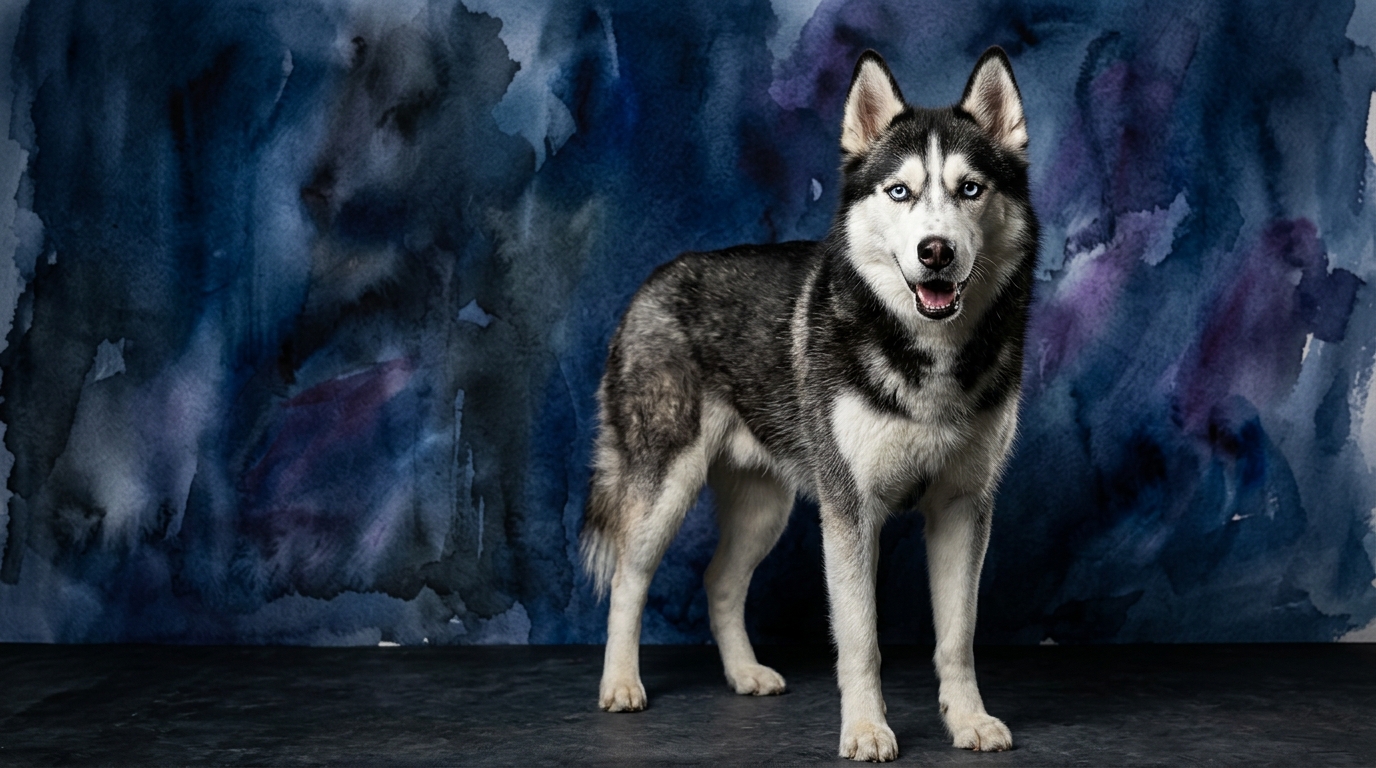
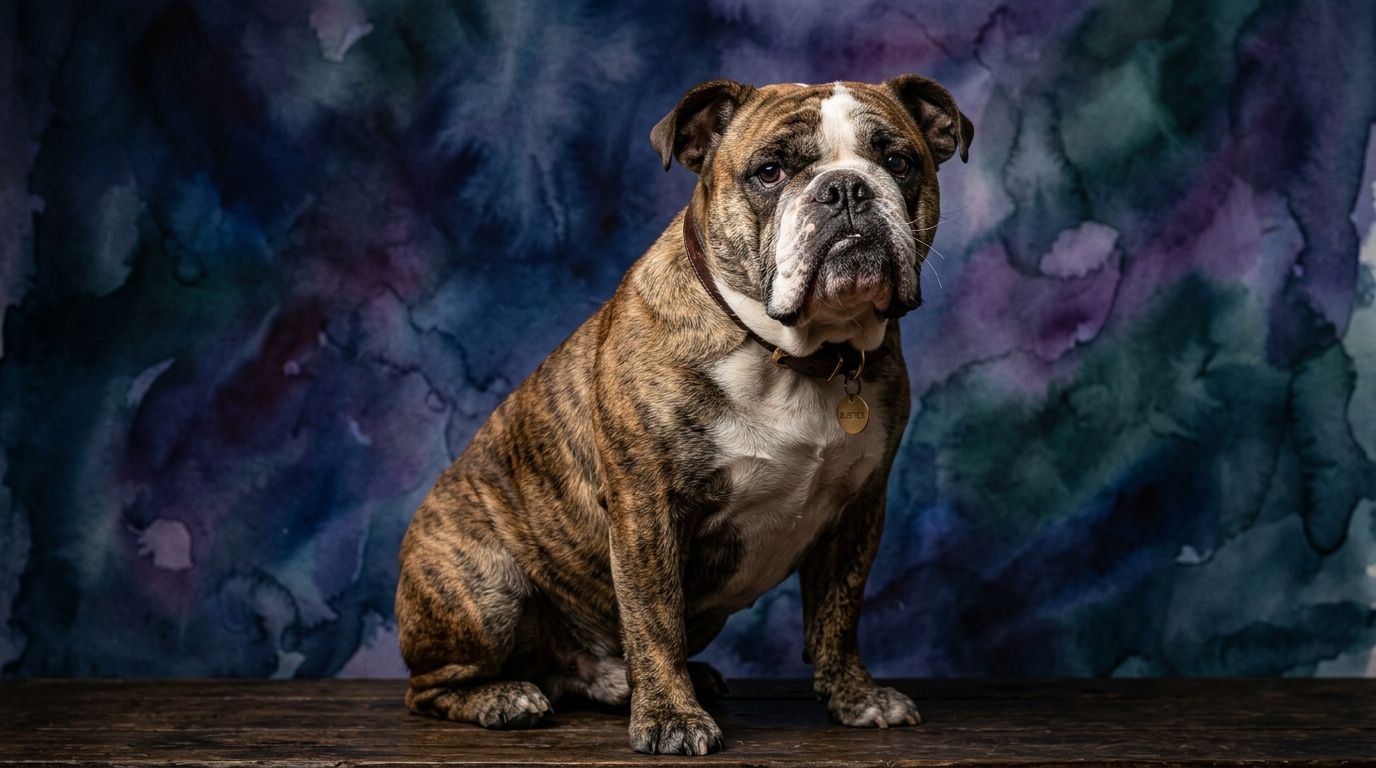
Side-by-Side IQ Profile: Husky vs. Bulldog
Understanding a dog's intelligence goes beyond simple obedience; it encompasses various cognitive dimensions. The Cosmic Pet Pet IQ Lab employs a five-point scale to assess key mental aptitudes for the Siberian Husky and English Bulldog, revealing their inherent strengths.
**Problem Solving:** This measures a dog's capacity for independent thought and overcoming obstacles. The Siberian Husky scores 4/5, reflecting their history of navigating complex terrain and making decisions without constant human direction. The English Bulldog, with a 2/5, tends to approach challenges more straightforwardly, often relying on comfort or human intervention over intricate strategy.
**Training Speed:** This dimension indicates how quickly a dog learns and consistently performs new commands. Both breeds score 2/5. Huskies grasp concepts but may choose not to comply due to independence, while Bulldogs' stubbornness and preference for comfort slow their adoption of new behaviors.
**Social Intelligence:** This assesses a dog's ability to understand and respond to human emotions and social cues. The English Bulldog excels here with 4/5, demonstrating a strong aptitude for reading their owners' moods and integrating into family life. The Siberian Husky scores 3/5, capable of bonds but with a more independent social style.
**Instinctive Drive:** This measures the intensity of inherent breed-specific behaviors like running, exploring, or herding. The Siberian Husky earns a perfect 5/5, reflecting powerful drives for sustained activity and exploration rooted in their sledding heritage. The English Bulldog's 3/5 indicates moderate natural behaviors, geared more towards comfort and companionship.
**Memory:** This dimension measures a dog's ability to retain information and learned behaviors. Huskies possess strong memory (4/5), crucial for recalling routes and complex tasks. Bulldogs score 2/5, meaning they might not retain intricate information or less frequently reinforced commands as readily.
Where the Siberian Husky Wins Cognitively
The Siberian Husky's cognitive prowess shines in areas demanding independence and strategic thinking. Their 4/5 Problem Solving score reflects a deep-seated ability to navigate complex environments and overcome obstacles, a direct legacy of their sled dog heritage. This isn't just about following commands; it's about anticipating challenges and devising solutions, evident when they cleverly escape enclosures or master intricate puzzles. Paired with a perfect 5/5 in Instinctive Drive, Huskies possess an intrinsic motivation for running, exploring, and engaging with their surroundings purposefully. This drive is a cognitive imperative, fueling their curiosity and persistence. Furthermore, their 4/5 Memory allows them to recall routes, learned commands, and past interactions effectively, contributing to their adaptability and ability to learn from experience.
Where the English Bulldog Wins Cognitively
Conversely, the English Bulldog's cognitive strengths are centered on social acumen. Their impressive 4/5 Social Intelligence highlights an exceptional ability to read human emotions and understand social situations. Bulldogs are remarkably attuned to their owners' moods and intentions, making them profoundly empathetic companions. This aptitude allows them to seamlessly integrate into family life, adapting their behavior to household rhythms and forming deep, affectionate bonds. Their cognitive efforts are often channeled into maintaining harmonious social connections, prioritizing shared space and emotional resonance. This makes them intuitive companions who excel at providing comfort and understanding, rather than engaging in complex, independent tasks.
Training Dynamics: Husky vs. Bulldog
Both the Siberian Husky and English Bulldog share a 2/5 Training Speed score, yet their training challenges stem from fundamentally different cognitive profiles. For the Siberian Husky, this low score isn't due to a lack of understanding, but rather their strong independence and intense instinctive drive. Huskies quickly grasp concepts (thanks to 4/5 Problem Solving and 4/5 Memory), but their perfect 5/5 Instinctive Drive often compels them to prioritize self-interest or exploration over human directives. They might understand a command perfectly but choose to ignore it if something more engaging captures their attention, demanding creative, highly rewarding, and patient training that respects their independent thought. In contrast, the English Bulldog's 2/5 Training Speed arises from a combination of lower Instinctive Drive (3/5) and Problem Solving (2/5), paired with a pronounced stubborn streak. Bulldogs prefer comfort and companionship over strenuous, repetitive tasks. While their 4/5 Social Intelligence helps them understand human intentions, their general disposition often means they lack sustained motivation for rigorous training sessions. They require gentle persistence, positive reinforcement, and high-value rewards to overcome their natural inclination for leisure, making consistency key for embedding new behaviors.
Matching Breeds to Lifestyles: Active vs. Relaxed Owners
The ideal owner for each breed is largely dictated by their distinct cognitive and physical needs. For active owners, the Siberian Husky is an excellent match. Their 5/5 Instinctive Drive translates into a profound need for vigorous physical activity and mental engagement. These dogs thrive on long runs, hikes, or dog sports that challenge both their bodies and minds. An owner embracing outdoor adventures and providing consistent, challenging exercise will find a Husky to be an enthusiastic, enduring companion. Their 4/5 Problem Solving and Memory also mean they benefit from puzzle toys and complex training, preventing boredom. Conversely, the English Bulldog is perfectly suited for relaxed owners. Their moderate 3/5 Instinctive Drive and preference for comfort mean they are content with moderate daily walks and ample lounging. Their high 4/5 Social Intelligence makes them superb companions for quiet evenings and gentle family activities, prioritizing close companionship over strenuous physical output. An owner who values a devoted, easygoing presence and a comfortable home environment will find immense joy in a Bulldog.
The Verdict
Choose a Siberian Husky if you are an active, experienced owner prepared to provide extensive physical exercise, mental challenges, and consistent, patient training for an independent and highly driven companion.
Opt for an English Bulldog if you seek a devoted, calmer companion who thrives on social interaction and comfort, and you are prepared for patient, reward-based training to manage their stubborn but affectionate nature.
🧠 Find Your Pet's IQ Score
Our Pet IQ Lab assessment covers 25+ tests across 5 cognitive dimensions — personalized to your breed.
Take the Full IQ Test →Frequently Asked Questions
Are Siberian Huskies difficult to train?
Huskies are not difficult due to lack of understanding, but their strong independence and high instinctive drive (5/5) mean they often prioritize their own interests. Consistent, engaging, and highly motivating training is crucial to harness their problem-solving abilities.
Do English Bulldogs require a lot of exercise?
English Bulldogs have a moderate instinctive drive (3/5) and generally prefer comfort, so they require less strenuous exercise than many breeds. Daily moderate walks and playtime are usually sufficient to keep them healthy and content.
Which breed is better with children?
The English Bulldog's high social intelligence (4/5) and calmer disposition often make them patient and gentle with children, excelling as family companions. Siberian Huskies, while generally good, require more supervision due to their high energy and strong prey drive, which might inadvertently overwhelm smaller children.