Side-by-Side IQ Profile: Unpacking Breed Cognition
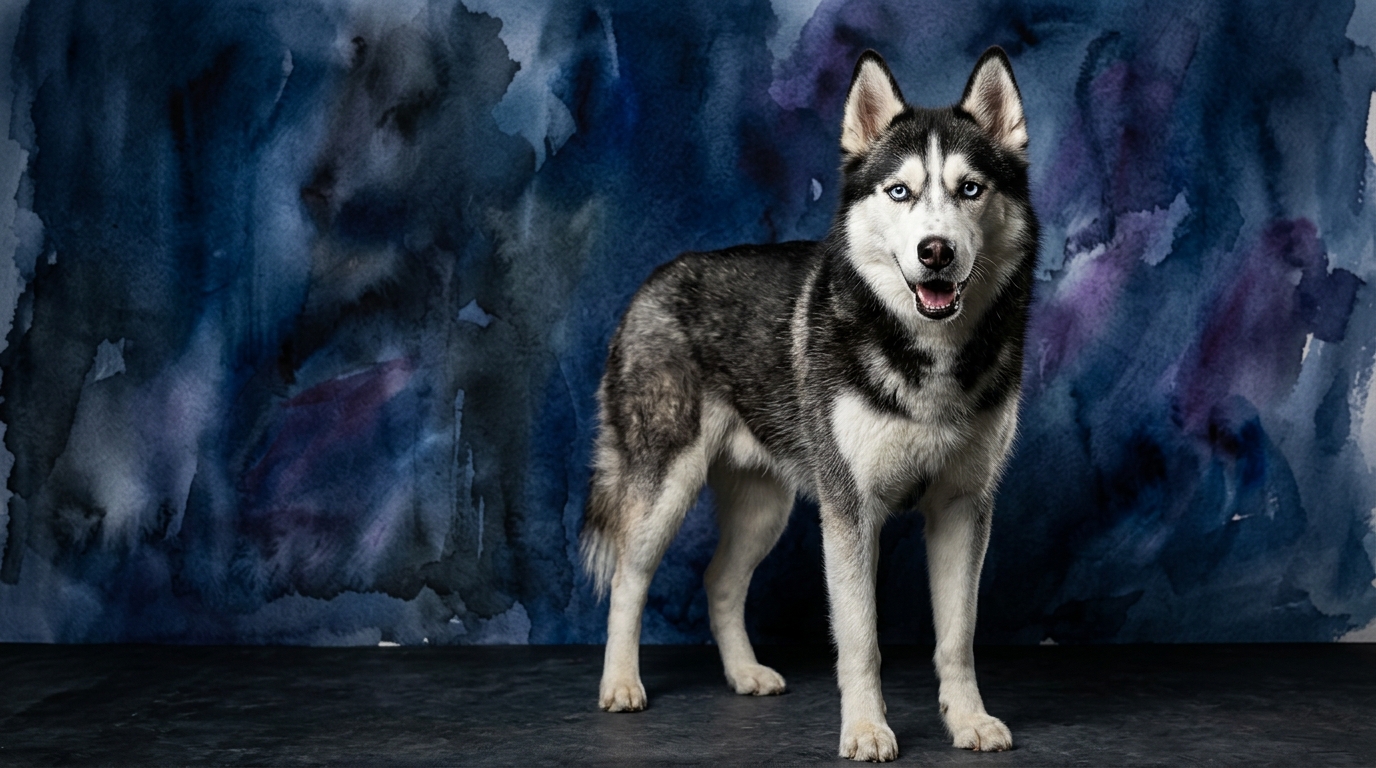
The Cosmic Pet Pet IQ Lab provides a unique lens through which to compare canine intellect, breaking it down into distinct dimensions. For the Siberian Husky, a breed celebrated for its independence and resilience, we see a cognitive profile tailored for survival and endurance in harsh environments. Their Problem Solving score of 4/5 reflects an aptitude for independent navigation and overcoming obstacles in their environment, a crucial trait for a sled dog. Training Speed, however, registers at a 2/5, indicating that while capable, they often require significant motivation and patience to learn and consistently execute commands. Social Intelligence stands at 3/5, suggesting they are adaptable in group settings but may not always prioritize human direction over their own instincts. Their Instinctive Drive is a commanding 5/5, manifesting as a powerful urge to run, explore, and pull, deeply embedded in their genetic makeup. Finally, Memory is strong at 4/5, enabling them to recall complex routes and experiences.
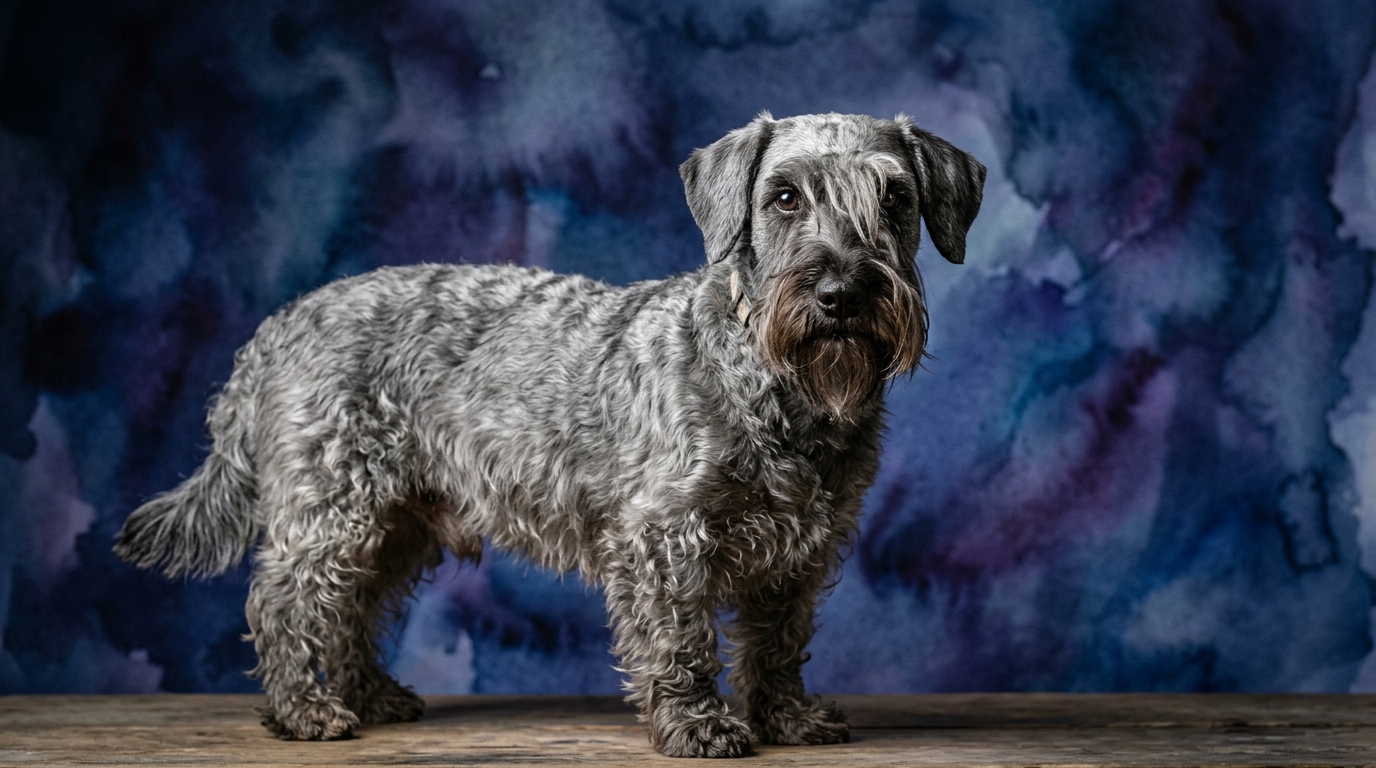
In contrast, the Cesky Terrier, a breed developed for hunting vermin in challenging terrain, presents a different cognitive architecture. Unranked by Coren, their intellect is nonetheless finely tuned for their purpose. Their Problem Solving ability is rated 3/5, indicating a practical intelligence focused on navigating tight spaces and outsmarting prey. Training Speed is a moderate 3/5, suggesting a willingness to learn when properly motivated, though with a typical terrier's independent streak. Social Intelligence matches the Husky at 3/5, meaning they can integrate well into a family but retain a degree of self-reliance. Their Instinctive Drive is 3/5, a balanced score reflecting a keen prey drive that is somewhat more focused and less wide-ranging than the Husky's wanderlust. Memory for the Cesky Terrier is also a solid 3/5, allowing them to retain learned behaviors and recognize familiar patterns in their environment.
Where the Siberian Husky Excels Cognitively
The Siberian Husky’s cognitive strengths are deeply rooted in their history as working sled dogs, where independent decision-making was paramount for survival. Their Problem Solving score of 4/5 is a testament to their ability to navigate complex, changing environments without constant human direction. This isn't just about finding a toy; it's about assessing a snowdrift, finding the safest path, or even determining when to rest to conserve energy, all critical for a team pulling a sled over vast distances. This intrinsic capacity for autonomous problem-solving means they often devise their own solutions to perceived challenges, which can be both impressive and, at times, perplexing for an owner.
Furthermore, the Husky’s Instinctive Drive, rated a perfect 5/5, is a dominant cognitive force. This isn't merely a physical urge; it's a profound mental program that compels them to run, explore, and engage with their environment on a grand scale. This drive fuels their endurance and gives them an almost unparalleled focus when engaged in activities that align with their sledding heritage. Paired with their 4/5 Memory, Huskies are adept at remembering vast territories, complex routes, and intricate pack dynamics. They can recall specific landmarks or scents from previous excursions, making them astute navigators and highly aware of their surroundings, even if they choose not to always heed a human's call.
Where the Cesky Terrier Shows Cognitive Prowess
While perhaps not as overtly dramatic as the Husky's endurance-driven intellect, the Cesky Terrier's cognitive strengths lie in its focused tenacity and adaptability, particularly in a domestic setting. Their Training Speed of 3/5, while moderate, surpasses the Husky's 2/5, indicating a generally greater willingness to engage in structured learning and respond to commands. This isn't to say they are always compliant, as terrier independence is a hallmark, but they often show a more direct interest in pleasing their human counterparts when the motivation is clear and consistent. Their problem-solving, rated 3/5, is geared towards practical, immediate challenges, such as finding a hidden treat or navigating a small obstacle course, rather than the vast, environmental problem-solving of a Husky.
The Cesky Terrier’s Instinctive Drive, at 3/5, is also a distinct advantage in certain contexts. While still a formidable prey drive, it's generally more manageable and contained than the Husky’s boundless wanderlust. This means their hunting instincts are often more focused on specific tasks or targets, making them excellent candidates for earthdog trials or engaging scent work where their drive can be channeled productively. Their moderate Memory (3/5) also supports their ability to learn routines and specific commands, making them reliable companions in a structured home environment. They remember their training and household rules, provided consistency is maintained, often requiring less reinforcement than a Husky to retain basic obedience.
Training Dynamics: A Tale of Two Temperaments
When it comes to trainability, the differences between the Siberian Husky and the Cesky Terrier are stark and directly linked to their inherent cognitive profiles. The Siberian Husky, with a Training Speed of 2/5 and an Instinctive Drive of 5/5, presents a significant challenge for conventional obedience training. Their deep-seated urge to run, explore, and make independent decisions means they often view human commands as suggestions rather than directives. They are not unintelligent; rather, their intelligence is geared towards self-preservation and efficiency in their traditional role, which often conflicts with domestic expectations. Training a Husky requires immense patience, understanding of their motivations (often food or play, but always on their terms), and a willingness to embrace their independent spirit rather than try to break it. Recalling a Husky off-leash, for instance, is notoriously difficult because their drive to explore often overrides any command.
The Cesky Terrier, with a Training Speed of 3/5 and an Instinctive Drive of 3/5, generally proves more amenable to training, though they are not without their terrier quirks. Their moderate drive means they are less likely to disappear over the horizon at the first scent of freedom, making recall training more feasible. While they possess a terrier's characteristic stubbornness and a keen hunting instinct, they are often more focused on their human companions and more responsive to positive reinforcement. They thrive on engaging, varied training sessions that appeal to their problem-solving nature and allow them to feel like active participants. Consistency, clear communication, and making training feel like a game are key to unlocking the Cesky's potential, yielding a more reliably obedient companion than a Husky under standard training protocols.
Matching Breeds to Lifestyles: Active vs. Relaxed Owners
The cognitive and instinctive profiles of these two breeds dictate very different ideal living situations. For the Siberian Husky, an active owner isn't just a preference; it's a necessity. Their 5/5 Instinctive Drive for running and exploration, coupled with their 4/5 Problem Solving, means they require extensive physical and mental stimulation daily. This breed thrives with owners who are committed to long runs, hiking, biking, or even sledding/canicross. They need outlets for their boundless energy and independent thought, otherwise, their problem-solving skills might be applied to escaping the yard or redecorating the house. A Husky needs a job, whether it's pulling a cart, participating in agility, or simply having a vast, secure area to roam and explore. Owners must embrace their dog's adventurous spirit and be prepared for a highly engaged, often challenging, but ultimately rewarding partnership.
The Cesky Terrier, while still an active breed, suits a slightly less demanding lifestyle. Their 3/5 Instinctive Drive and 3/5 Problem Solving mean they enjoy regular exercise, mental challenges, and engaging activities, but not to the same extreme as a Husky. They are excellent companions for owners who enjoy daily walks, moderate hikes, and engaging in games that stimulate their minds, such as puzzle toys or scent work. While they appreciate a good romp in a secure yard, they are generally content with a more domesticated routine once their exercise needs are met. This makes them a better fit for owners who may be active but perhaps don't live an extreme outdoor lifestyle, or those who desire a dog that can transition more easily between energetic play and relaxed indoor companionship. They still require consistent engagement to prevent boredom and channel their terrier instincts constructively.
The Verdict
Choose a Siberian Husky if you are an experienced, highly active individual or family seeking a mentally stimulating challenge and a partner for endurance activities, appreciating a dog's independent thought and adventurous spirit.
Opt for a Cesky Terrier if you desire a moderately active, adaptable companion with a keen mind for engaging games and a more manageable instinctive drive, willing to work with a spirited terrier's intelligent but focused nature.
🧠 Find Your Pet's IQ Score
Our Pet IQ Lab assessment covers 25+ tests across 5 cognitive dimensions — personalized to your breed.
Take the Full IQ Test →Frequently Asked Questions
Are Siberian Huskies difficult to train?
Siberian Huskies are often considered challenging to train in traditional obedience due to their 2/5 Training Speed and strong 5/5 Instinctive Drive for independence. They respond best to consistent, positive reinforcement and motivation that aligns with their natural inclinations, such as running or problem-solving tasks.
What kind of mental stimulation does a Cesky Terrier need?
A Cesky Terrier benefits from mental stimulation that taps into their 3/5 Problem Solving and 3/5 Instinctive Drive, such as puzzle toys, scent work, earthdog trials, and engaging training sessions. They enjoy tasks that allow them to use their intellect and keen senses to find solutions or track scents.
How do their social intelligence scores impact household dynamics?
Both breeds have a Social Intelligence score of 3/5, meaning they are generally adaptable in family settings but maintain a degree of independence. Huskies might prioritize their own interests over constant human interaction, while Ceskies, though affectionate, retain a terrier's self-reliant streak, fitting well into dynamic family environments without being overly clingy.