Side-by-Side Cognitive Profiles: The Pet IQ Lab Breakdown
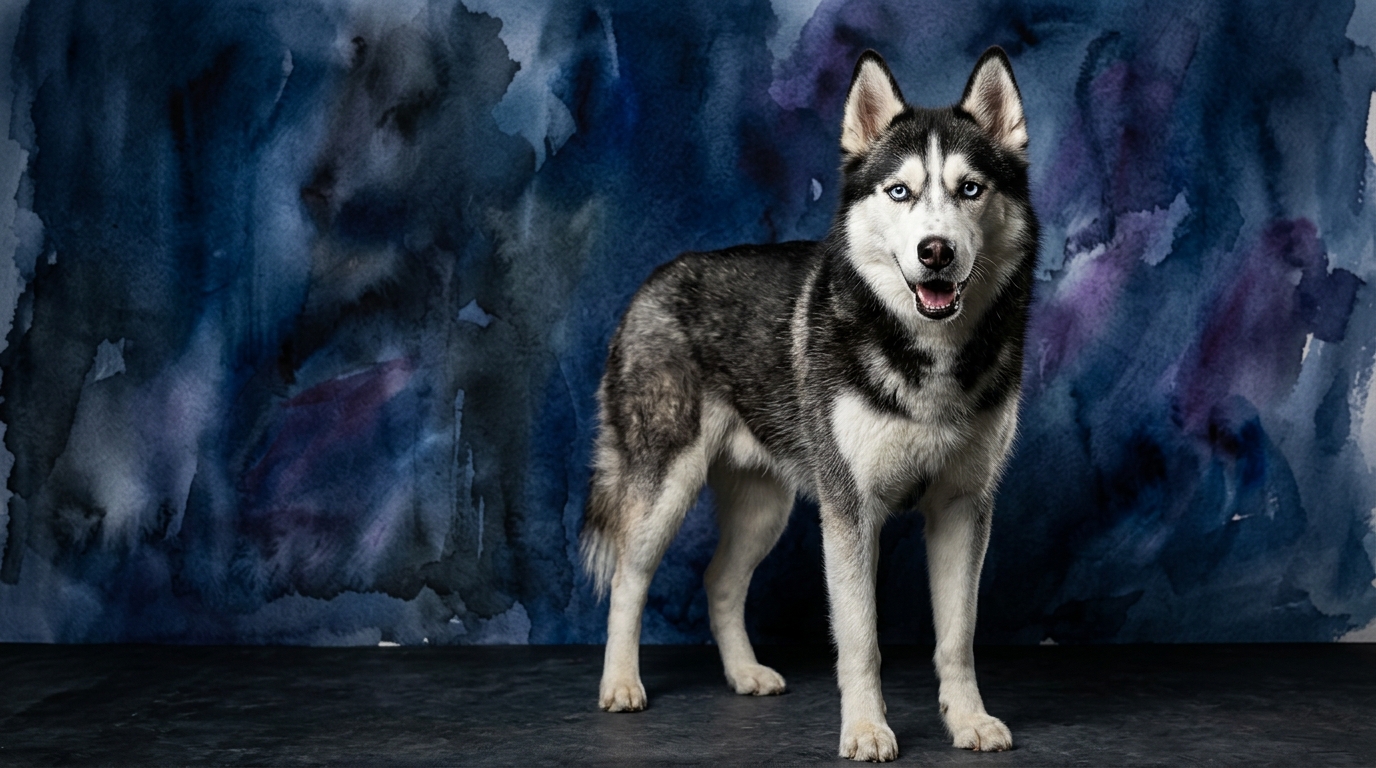
The Siberian Husky, ranked #45 by Coren and classified as a Working breed, presents a cognitive profile built for endurance and autonomy. Their Problem Solving is rated 4/5, indicating a strong capacity for independent thought and finding creative solutions to environmental challenges. Training Speed is 2/5, reflecting their independent nature and selective cooperation, meaning commands often require significant repetition. Social Intelligence is 3/5, showing they form bonds but may prioritize pack dynamics over human direction. An exceptional Instinctive Drive of 5/5 fuels their powerful urge to run, explore, and chase. Finally, their Memory is 4/5, allowing them to recall routes and past experiences crucial for their working heritage.
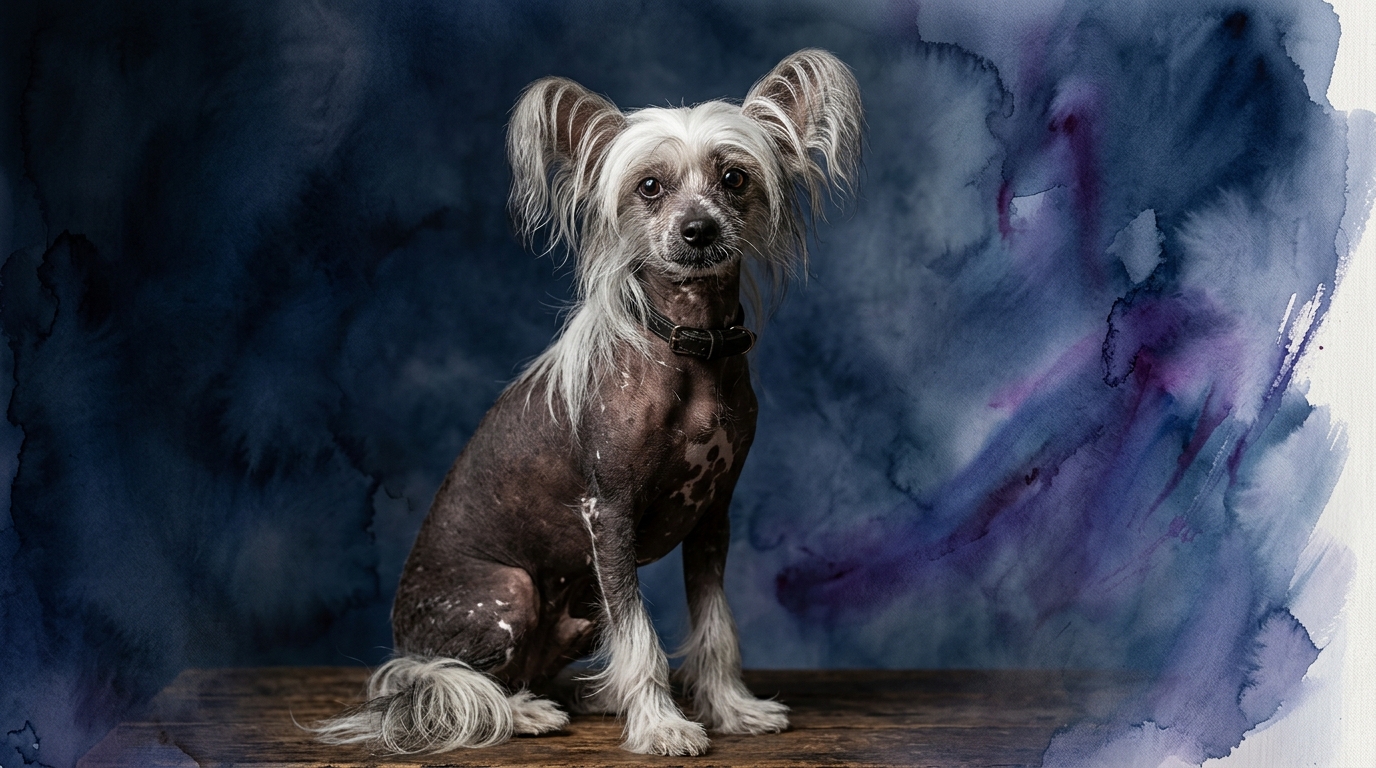
In contrast, the Chinese Crested, a Toy breed not Coren-ranked, possesses a cognitive makeup centered on companionship and adaptability to domestic life. Their Problem Solving is 3/5, demonstrating competence in figuring out ways to gain comfort or attention within a home environment. Training Speed is 3/5, indicating they learn at a moderate pace, often eager to please their primary caregivers with positive reinforcement. Social Intelligence is 3/5, focusing on deep attachments to a select few humans, often exhibiting a “velcro dog” tendency. Instinctive Drive is 3/5, being moderately developed and primarily geared towards comfort and companionship rather than strenuous activity. Their Memory is also 3/5, reliable for routines, people, and places associated with security and learned behaviors.
Where the Siberian Husky Excels Cognitively
The Siberian Husky's cognitive strengths are deeply rooted in its heritage as a sled dog, thriving in demanding environments. Their problem-solving capacity (4/5) shines when faced with environmental challenges, such as navigating complex terrains or figuring out how to bypass barriers, demonstrating a robust ability to adapt and innovate. This is not about learning tricks quickly, but about independent thought in achieving a goal, like finding a way out of an enclosed yard to explore. Their exceptional instinctive drive (5/5) means they possess an unparalleled internal motivation for physical activity and exploration, which, while sometimes challenging for owners, is a testament to their powerful innate purpose. Furthermore, their strong memory (4/5) allows them to retain knowledge of routes and past experiences, crucial for sustained effort in their original working role. This combination of independent problem-solving, powerful drive, and reliable memory makes them adept at self-directed tasks and navigating large territories.
Where the Chinese Crested Excels Cognitively
The Chinese Crested, a companion breed, exhibits cognitive strengths tailored to close human interaction and adaptability within a domestic setting. While not Coren-ranked, their balanced scores across the board, particularly their training speed (3/5) and social intelligence (3/5), allow them to integrate seamlessly into family life. They are often quite perceptive of human moods and routines, quickly learning what behaviors elicit positive attention. Their problem-solving (3/5) skills are often channeled into finding the warmest lap or the most comfortable blanket, or subtly communicating their desires to their owners. Unlike the Husky's drive for autonomy, the Crested's cognitive efforts are frequently directed towards maintaining proximity and comfort, making them highly attuned to the nuances of their immediate social environment. Their moderate memory (3/5) supports their ability to recall household rules and preferred interactions, ensuring a harmonious existence within their human pack.
Ease of Training: A Tale of Two Motivations
When it comes to training, the core differences lie in each breed's primary motivations and independence levels. The Chinese Crested's training speed is rated 3/5, reflecting a willingness to learn and a desire to please their owners, especially when positive reinforcement is consistently applied. They thrive on attention and praise, making them generally responsive to commands and eager to participate in training sessions. Their lower instinctive drive (3/5) means they are less likely to be distracted by strong urges to roam or hunt, allowing them to focus better on their handler.
In stark contrast, the Siberian Husky's training speed is 2/5. This isn't due to a lack of capacity to learn, but rather their pronounced independence and high instinctive drive (5/5) for exploration and running. A Husky might understand a command perfectly but choose not to execute it if something more interesting, like a squirrel or an open gate, presents itself. Their strong problem-solving (4/5) can sometimes be applied to outsmarting their trainers, figuring out how to avoid unwanted tasks. Training a Husky demands immense patience, creativity, and a deep understanding of their innate need for purpose and activity, often requiring trainers to make training feel like a game or a job, rather than just a command. Therefore, the Chinese Crested is generally easier to train for basic obedience and house manners due to its cooperative nature and focus on human companionship, while the Husky requires a dedicated, experienced trainer who can channel its powerful drives.
Active vs. Relaxed Owners: Matching Cognitive Needs
The cognitive profiles of these two breeds naturally align with very different owner lifestyles. An active owner, someone who enjoys rigorous outdoor activities like running, hiking, or even mushing, would find a strong match in the Siberian Husky. The Husky's high instinctive drive (5/5) and robust problem-solving (4/5) are best satisfied by consistent physical and mental challenges that mimic their working heritage. They need ample opportunities to run, explore, and use their minds to navigate and overcome obstacles. Without sufficient outlets for their powerful cognitive and physical energy, Huskies can become bored and destructive, applying their problem-solving skills to escaping or redecorating the house. Their independence means they thrive with owners who appreciate a dog with its own strong personality and who can provide structured activities that fulfill their deep-seated desires.
Conversely, the Chinese Crested is an ideal companion for a more relaxed owner. Their moderate instinctive drive (3/5) and focus on social intelligence (3/5) make them content with shorter walks, indoor play, and plenty of lap time. They derive immense satisfaction from close human companionship and are less driven by the need for expansive exploration or strenuous physical tasks. Their problem-solving (3/5) is often directed towards comfort and attention-seeking within the home, making them wonderful snuggle partners who are happy to participate in daily routines without demanding constant high-energy engagement. Owners who value a devoted, sensitive, and relatively low-maintenance companion will find the Crested's cognitive makeup perfectly suited to a calmer, more indoor-oriented lifestyle.
The Verdict
Opt for a Siberian Husky if you're an experienced, active owner prepared to channel a powerful, independent mind and high physical drive into structured activities like sledding, canicross, or extensive hiking.
Select a Chinese Crested if you seek a devoted, sensitive companion content with a relaxed pace, thriving on close human connection and indoor comfort rather than intense physical demands.
🧠 Find Your Pet's IQ Score
Our Pet IQ Lab assessment covers 25+ tests across 5 cognitive dimensions — personalized to your breed.
Take the Full IQ Test →Frequently Asked Questions
Do Siberian Huskies get bored easily?
Yes, Huskies have a high instinctive drive and problem-solving ability, meaning they require significant mental and physical stimulation to prevent boredom. Without it, they often find their own "entertainment" which can manifest as destructive behavior or escape attempts.
Are Chinese Cresteds good for first-time dog owners?
Chinese Cresteds can be good for first-time owners due to their moderate training speed and strong desire for companionship, making them relatively easier to manage for basic obedience and house manners. However, their sensitivity means they thrive with gentle, consistent handling.
Which breed is better with other pets?
The Siberian Husky's high instinctive drive, particularly prey drive, means careful socialization and supervision are crucial with smaller pets. The Chinese Crested's moderate instinctive drive and focus on human companionship generally make them more adaptable to living with other well-behaved pets, though individual personalities always vary.