Side-by-Side IQ Profile: Siberian Husky vs. French Bulldog
At The Cosmic Pet Pet IQ Lab, we analyze canine cognition across five key dimensions, offering a nuanced view beyond simple labels. Understanding these profiles helps prospective owners align their expectations with a breed's inherent mental predispositions.
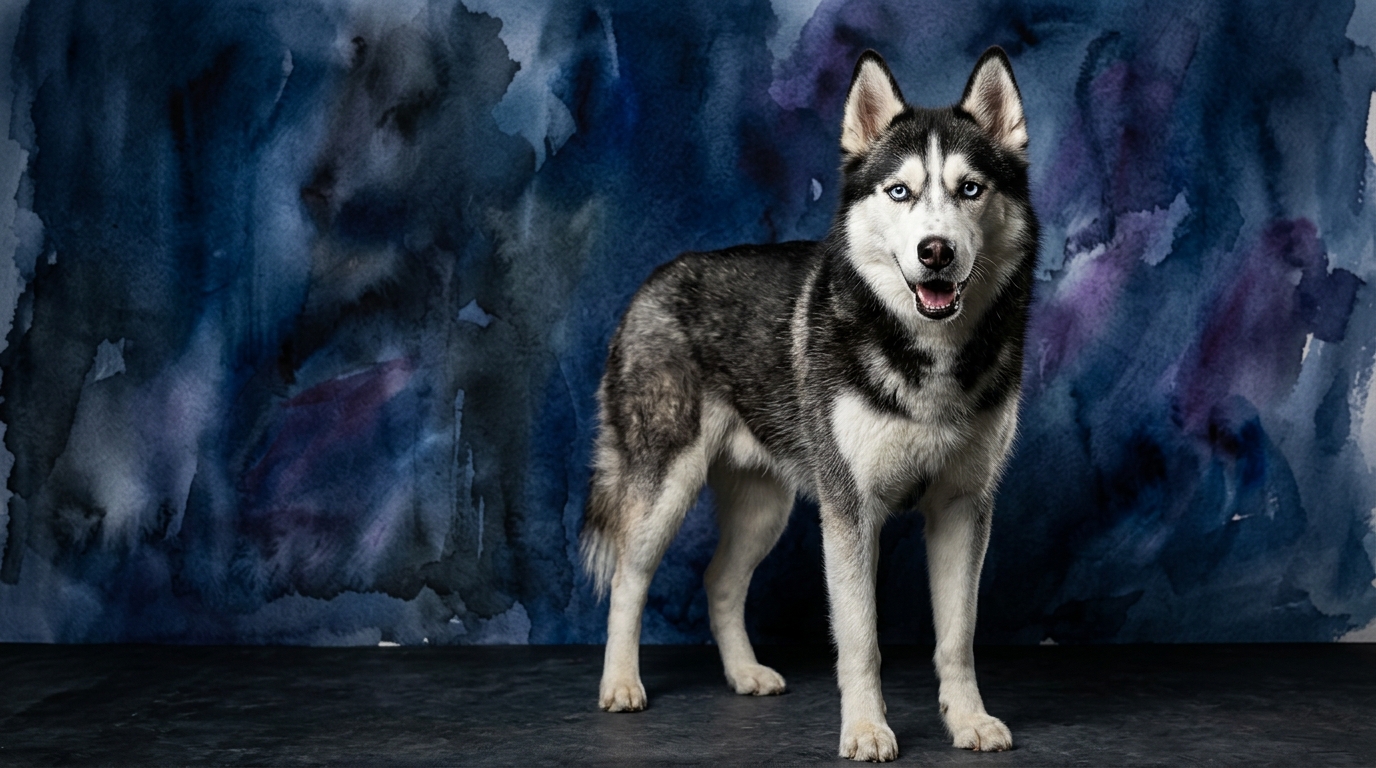
The **Siberian Husky**, a dog from the Working group, holds a Coren rank of #45, indicating a respectable capacity for working intelligence, albeit with a unique independent streak. Their cognitive profile shows a problem-solving ability of 4/5, suggesting a strong capacity for independent thought and figuring out complex situations, often to their own benefit. However, their training speed is rated at 2/5, which points to a slower uptake of commands and a need for consistent, highly motivating methods. Social intelligence for a Husky is 3/5; they are capable of interaction but might prioritize their own agenda over human direction, often showing a more detached affection. Their instinctive drive is a formidable 5/5, reflecting their deep-seated urge to run, pull, and explore, a legacy of their sled-dog heritage. Finally, their memory stands at 4/5, enabling them to recall complex routes and past experiences with considerable accuracy.
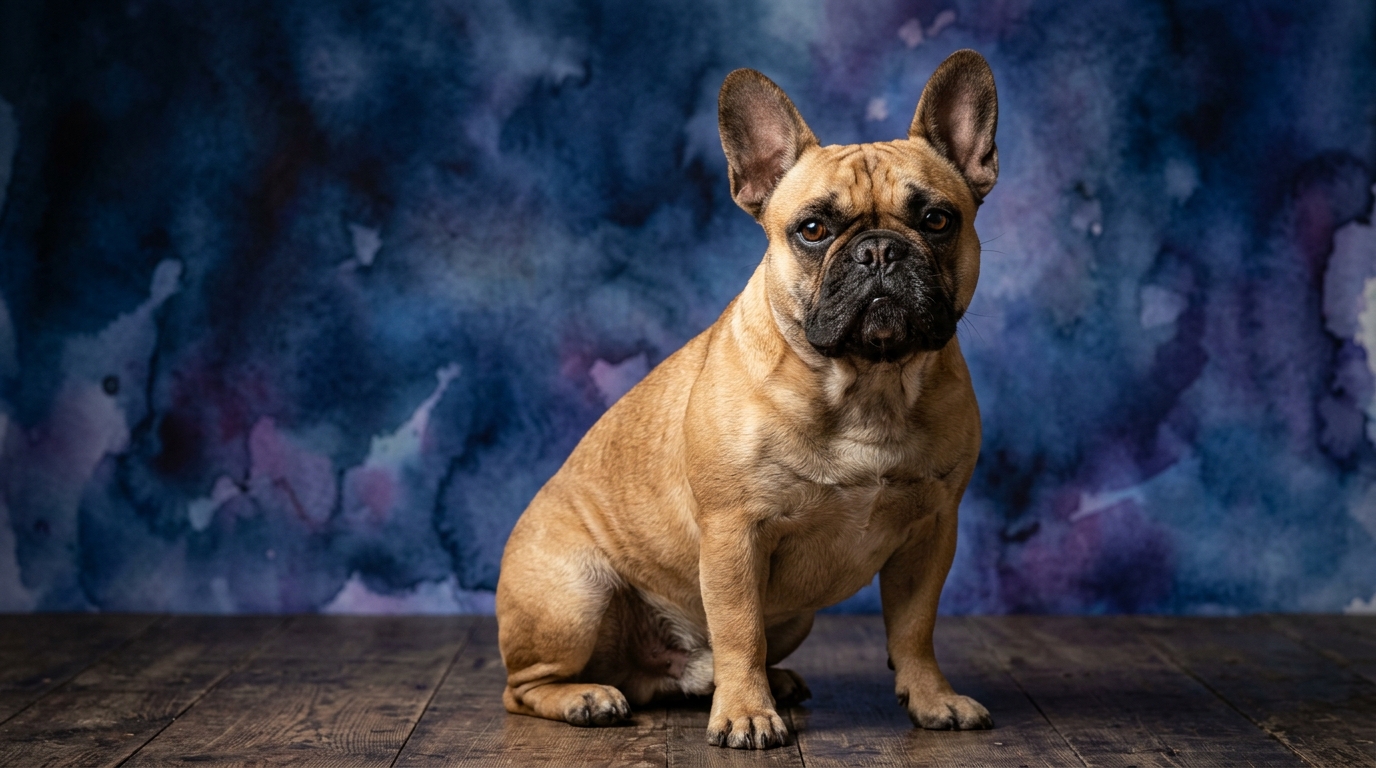
The **French Bulldog**, a dog from the Non-Sporting group, is not included in Coren's ranking, which often focuses on obedience and working intelligence. Their cognitive profile presents a different set of strengths. Problem-solving for a French Bulldog is 3/5, indicating a moderate ability to navigate challenges, often relying on their people for assistance rather than independent strategizing. Their training speed is 3/5, suggesting they can learn with consistency and positive reinforcement, though they may have moments of stubbornness. Where French Bulldogs truly shine is in social intelligence, scoring a perfect 5/5. They are exceptionally attuned to human emotions, eager to please, and thrive on close companionship and interaction. Their instinctive drive is a low 2/5; they lack strong prey drives or wanderlust, preferring comfort and proximity to their human family. Their memory is rated at 3/5, allowing them to recall routines and basic commands, but perhaps not complex sequences over extended periods.
Where the Siberian Husky Wins Cognitively
The Siberian Husky's cognitive advantages are rooted in their ancestral purpose as resilient sled dogs. Their problem-solving score of 4/5 is a testament to their innate ability to independently navigate obstacles and strategize. This manifests in behaviors like cleverly figuring out how to open gates, bypass fences, or access forbidden areas, demonstrating a proactive and often ingenious approach to achieving their goals. This isn't just about mischief; it's about an active, exploratory mind constantly assessing its environment for opportunities and challenges.
Furthermore, the Husky's instinctive drive, rated at a powerful 5/5, is a distinct cognitive win. This drive encompasses their profound desire to run, pull, and cover vast distances, along with a keen prey drive. While it can present training challenges, it signifies a highly focused and persistent mental energy directed towards specific, deeply ingrained behaviors. This drive is a powerful motivator for activities that align with their nature, and it speaks to a robust internal system for goal-oriented action. Their memory, at 4/5, complements this, allowing them to retain complex information about their environment, such as escape routes or the location of interesting scents, for extended periods.
Where the French Bulldog Wins Cognitively
The French Bulldog excels in a different, yet equally valuable, sphere of canine cognition: social intelligence, where they achieve a perfect 5/5. This dimension reflects their profound ability to understand and respond to human emotions, cues, and social dynamics. A French Bulldog is often described as 'velcro dog' not just for their physical proximity, but because they are constantly monitoring their human's mood, seeking to engage and provide comfort. This high social acumen makes them exceptionally intuitive companions, often anticipating needs or reacting empathetically to their owner's state.
While their problem-solving (3/5) and memory (3/5) are moderate, their social intelligence compensates by making them highly receptive to human-led solutions and routines. They learn best when training is a collaborative, positive interaction, reinforcing their bond. Their low instinctive drive (2/5) means they are less prone to independent exploration or strong prey pursuits, making them more content within a domestic setting. This cognitive profile makes them highly adaptable to family life, thriving on interaction and providing consistent emotional support.
Which Is Easier to Train and Why
When it comes to ease of training, the French Bulldog generally presents a less challenging experience for the average owner compared to the Siberian Husky. The French Bulldog's training speed is rated 3/5, which is moderate, but crucially, their social intelligence is 5/5. This means they are highly motivated by human approval and connection. While they can exhibit a stubborn streak, their innate desire to be close to and please their people often makes them more receptive to learning commands, especially when training is framed as a positive, interactive game. They respond well to consistent, reward-based methods and thrive on the social aspect of learning alongside their human.
In contrast, the Siberian Husky's training speed is rated significantly lower at 2/5, and their social intelligence at 3/5, combined with an overwhelming instinctive drive of 5/5, creates a more complex training scenario. Huskies possess an independent spirit and a strong will, often seeing commands as suggestions rather than mandates. Their powerful instinctive drive for running and exploration means they are easily distracted by environmental stimuli, and their motivation often stems from internal desires rather than a strong need to please. Training a Husky requires immense patience, creativity, and a deep understanding of their unique motivations, often relying on high-value rewards and consistent engagement to overcome their tendency to 'tune out' or prioritize their own agenda. They learn, but often on their own terms, making the process feel slower and more demanding for the trainer.
Which Suits Active Owners vs. Relaxed Owners
Considering their distinct cognitive profiles, the Siberian Husky is unequivocally suited for active owners, while the French Bulldog is an ideal match for more relaxed lifestyles. The Husky's formidable instinctive drive (5/5) means they possess an almost insatiable need for physical and mental exertion. They thrive with owners who can provide daily, vigorous activity, such as long runs, hikes, or sledding, activities that engage their inherent desire to move and explore. Their high problem-solving ability (4/5) also means they require mental stimulation to prevent boredom, which can lead to destructive behaviors if not channeled appropriately. Owners who appreciate an independent, intelligent, and highly energetic companion will find a Husky rewarding.
Conversely, the French Bulldog, with its low instinctive drive (2/5) and high social intelligence (5/5), is perfectly designed for more relaxed owners and urban living. They are content with moderate daily walks and playtime, preferring to spend the majority of their time in close proximity to their human companions. Their cognitive strengths lie in companionship and emotional connection, making them excellent lap dogs and family members who thrive on interaction rather than strenuous activity. Owners seeking a charming, devoted, and relatively low-energy companion who is happy to share a couch and a quiet evening will find immense joy in a French Bulldog.
The Verdict
Choose a Siberian Husky if you are an experienced, highly active owner who values an independent, problem-solving companion and can meet their substantial exercise and mental stimulation needs.
Choose a French Bulldog if you seek a devoted, socially adept companion for a relaxed lifestyle, prioritizing emotional connection and moderate activity over intense physical demands.
🧠 Find Your Pet's IQ Score
Our Pet IQ Lab assessment covers 25+ tests across 5 cognitive dimensions — personalized to your breed.
Take the Full IQ Test →Frequently Asked Questions
Is a Siberian Husky hard to train?
Yes, Siberian Huskies can be challenging to train due to their lower training speed (2/5) and strong independent nature. Their high instinctive drive means they often prioritize their own desires over commands, requiring patient, consistent, and highly motivating training methods.
Are French Bulldogs good at problem-solving?
French Bulldogs have a moderate problem-solving ability (3/5). While they can figure out basic puzzles, they often rely more on their human companions for solutions and guidance rather than independent strategizing.
Which breed is more affectionate, Siberian Husky or French Bulldog?
The French Bulldog is generally more overtly affectionate, scoring a perfect 5/5 in social intelligence, meaning they are highly attuned to and thrive on human interaction and companionship. Siberian Huskies, with a social intelligence of 3/5, tend to be more independent and less outwardly demonstrative of affection.