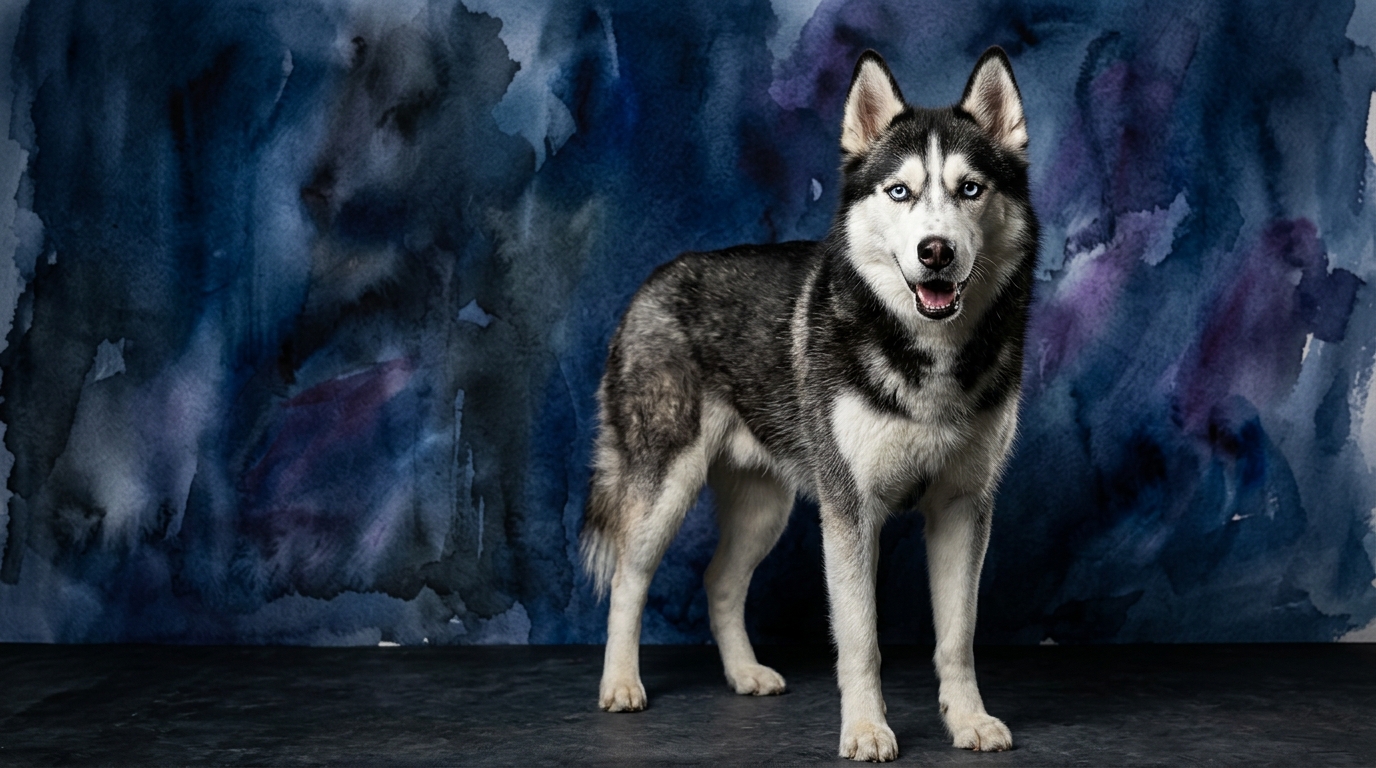
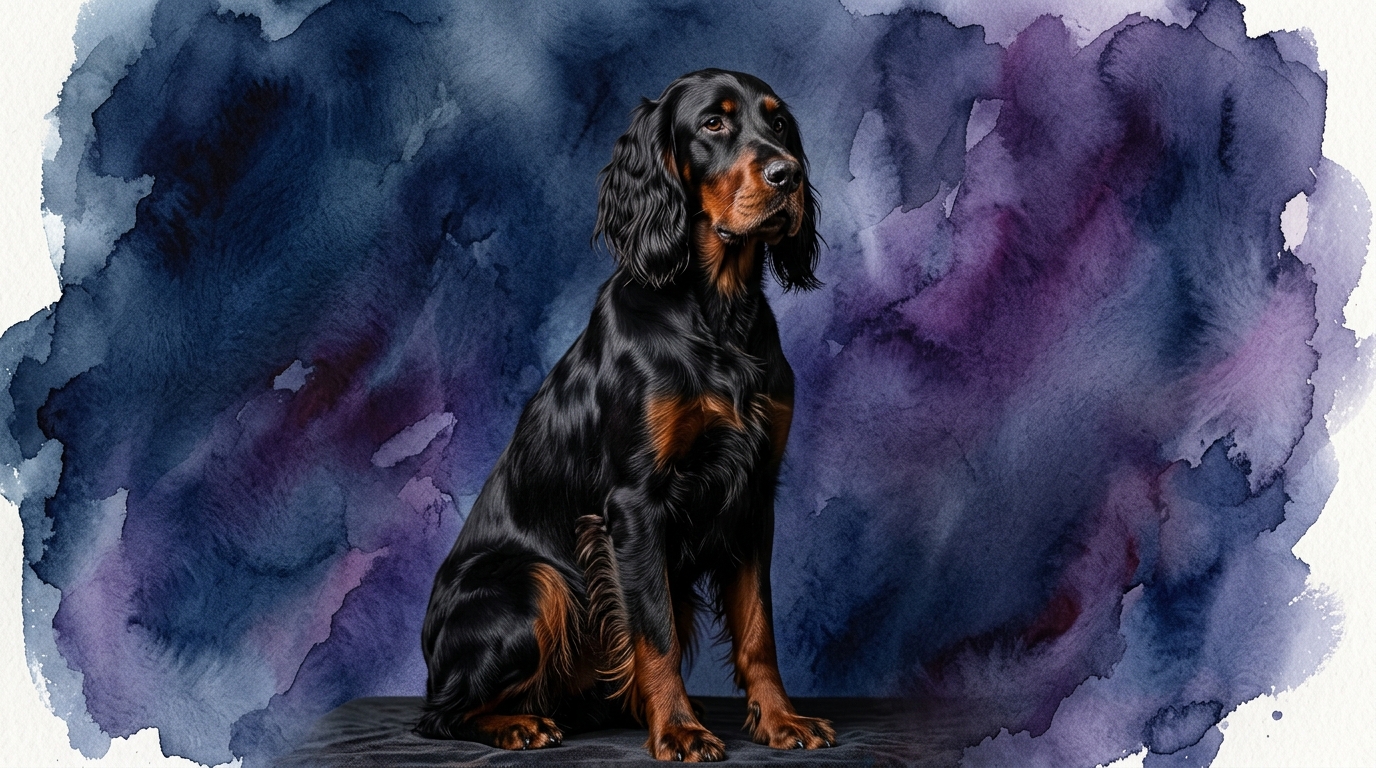
Side-by-Side IQ Profile: Siberian Husky vs. Gordon Setter
**Siberian Husky (Working Group, Coren Rank #45)**
**Problem Solving (4/5):** Huskies exhibit strong independent thought, adept at figuring out how to achieve their goals, whether navigating complex terrain or devising escape routes. This score reflects an innate ability to adapt and strategize, even if not always aligning with human preferences.
**Training Speed (2/5):** Their independent nature means Huskies are not typically eager to please or quick to conform. Training demands immense patience, consistency, and high-value rewards to maintain engagement, as they often prioritize their own motivations.
**Social Intelligence (3/5):** Huskies are generally friendly and gregarious, enjoying company but often approaching interactions with a degree of self-interest rather than deep emotional dependency. They are capable companions, maintaining a certain aloofness.
**Instinctive Drive (5/5):** This is a Husky hallmark: an unparalleled drive for endurance, pulling, and exploration. Their strong prey drive and wanderlust are deeply ingrained, making them relentless in pursuing scents or perceived game, a direct legacy of their heritage.
**Memory (4/5):** Huskies possess robust memory, particularly for routes, locations, and past experiences. This aids their navigational abilities and contributes to their capacity for remembering training cues, even if willingness to perform varies.
**Gordon Setter (Sporting Group, Coren Rank #39)**
**Problem Solving (4/5):** Gordon Setters also possess high problem-solving capacity, primarily demonstrated in their methodical approach to scenting and locating game. They analyze environmental cues and strategize effectively, exhibiting intelligent decision-making during tasks.
**Training Speed (4/5):** In contrast to the Husky, Gordon Setters are generally eager to please and highly responsive. Their cooperative spirit and desire to work alongside humans make them quick learners, excelling in obedience and field commands with consistent, positive reinforcement.
**Social Intelligence (3/5):** Similar to Huskies, Gordon Setters are sociable, forming strong family bonds and interacting well with others. They are affectionate and loyal, though not overly demonstrative, maintaining a balanced social demeanor.
**Instinctive Drive (3/5):** Gordon Setters possess a moderate instinctive drive, focused on scenting and pointing game birds. While present, this drive is typically more manageable than a Husky's, allowing for greater control and focus on cooperative tasks.
**Memory (4/5):** Gordon Setters have excellent memory, crucial for remembering complex command sequences, game locations, and past training. This strong recall supports their high trainability and ability to perform intricate tasks over time.
Where the Siberian Husky Wins Cognitively
The Siberian Husky's cognitive strengths are most evident in their extraordinary instinctive drive (5/5) and robust problem-solving (4/5) applied to independent action. Their ability to strategize escapes, navigate vast distances, and endure challenging conditions reflects a primal intelligence focused on self-reliance and survival. This combination allows them to operate effectively without constant human direction, making them unparalleled in tasks requiring sustained effort and independent decision-making in open environments.
Where the Gordon Setter Wins Cognitively
Conversely, the Gordon Setter's cognitive edge lies in their superior training speed (4/5) and their equally strong problem-solving (4/5) oriented towards cooperation. They exhibit a keen desire to understand and execute human commands, applying their intelligence to learn complex tasks quickly and efficiently. This makes them highly adaptable to various structured activities, from advanced obedience to intricate field work, where working in tandem with a human partner is paramount.
Which is Easier to Train and Why
Without question, the Gordon Setter offers a significantly easier training experience due to their 4/5 training speed, compared to the Siberian Husky's 2/5. Gordon Setters were selectively bred to work cooperatively, developing a strong intrinsic motivation to please and respond. Their natural biddability means they are more receptive to learning new cues and performing reliably, finding satisfaction in working alongside their owner. Their instinctive drive, while present, is channeled into working with a handler, making them less likely to abandon a task for independent pursuits.
Siberian Huskies, however, are a different proposition. Their 5/5 instinctive drive for independent movement and exploration, coupled with strong problem-solving, means they often prioritize their own agenda. A Husky might understand a command perfectly but choose not to execute it if something more interesting captures their attention. Training a Husky demands exceptional consistency, high-value rewards, and a deep understanding of their motivations, often feeling more like negotiation than instruction. Their memory (4/5) is good, but their independent will means compliance is not always guaranteed.
Which Suits Active Owners vs. Relaxed Owners
Neither breed suits genuinely relaxed owners; both demand substantial physical and mental engagement. However, the *type* of activity and owner's interaction style are key. Active owners who thrive on high-intensity, independent outdoor pursuits and are prepared for a dog that demands negotiation will find a compelling partner in the Siberian Husky. Their immense stamina and drive for exploration mean they excel in long-distance running or pulling sports, often setting their own pace.
Owners seeking an active companion for cooperative sports, structured field activities, or purposeful walks where the dog remains closely engaged will find the Gordon Setter more amenable. Their moderate instinctive drive and high training speed make them excellent partners for agility, advanced obedience, or bird hunting, channeling their intelligence into working *with* their owner. While still needing significant exercise, a Gordon Setter is more likely to be a focused participant in shared activities, fitting active owners who prefer a compliant, integrated exercise partner.
The Verdict
Choose a Siberian Husky if you seek an independent, enduring companion for extreme outdoor activities and are prepared to manage a strong-willed intellect.
Opt for a Gordon Setter if you desire an active, cooperative partner for field sports or family life, valuing trainability and a strong desire to please.
🧠 Find Your Pet's IQ Score
Our Pet IQ Lab assessment covers 25+ tests across 5 cognitive dimensions — personalized to your breed.
Take the Full IQ Test →Frequently Asked Questions
Are Siberian Huskies difficult to live with?
Siberian Huskies can be challenging due to their strong independent streak, high prey drive, and tendency for wanderlust. They require consistent training, secure containment, and significant exercise to prevent boredom and destructive behaviors, making them best suited for experienced owners.
Do Gordon Setters make good family pets?
Gordon Setters generally make wonderful family pets, known for their loyalty, affectionate nature, and good temperament with children when properly socialized. They do require regular exercise and mental stimulation, but their biddable nature makes them more adaptable to family life than some other sporting breeds.
Which breed needs more exercise?
While both breeds are active, Siberian Huskies typically demand more intense and prolonged exercise due to their 5/5 instinctive drive for endurance. Gordon Setters also need substantial daily activity, but their exercise needs are often met with vigorous walks, runs, or field work that involves cooperative interaction rather than independent exploration.